Quality as strategy: How ‘Baukultur’ and smarter investment create stronger places
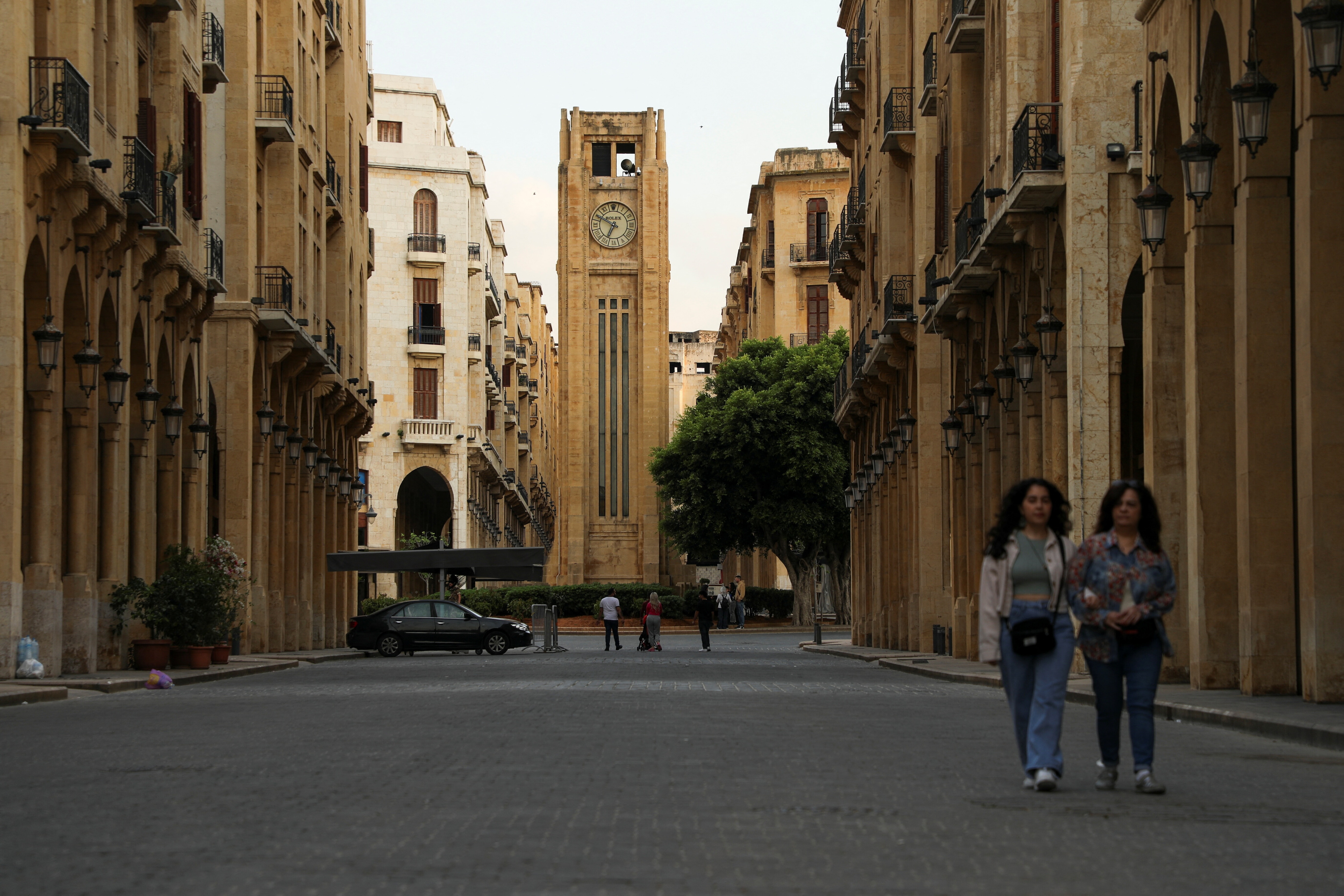
High-quality “Baukultur” means building should deliver benefits over time Image: REUTERS/Orhan Qereman
Oliver Martin
Vice Director, Head of Cultural Heritage and Baukultur Directorate, Swiss Federal Office of Culture (FOC)- Compromising on quality in the built environment can lead to long-term liabilities, such as expensive retrofits, faster deterioration and social disruption.
- High-quality “Baukultur” focuses on lifecycle value, meaning buildings should deliver economic, social and environmental benefits over time.
- Projects from New York to Beirut to Utrecht demonstrate that quality is a strategic advantage, generating returns, trust and competitiveness for the places that embrace it.
Amid social and economic uncertainty, the pressure to build quickly can force a perceived trade-off: speed over care and scale over substance. Looming housing shortages and tightening fiscal constraints create an urgency that frames "quality" as a deferrable luxury or an inconvenient cost.
Yet, to safeguard the character and resilience of our cities, we must resist this false choice. The idea of high-quality Baukultur: a concept pioneered by Switzerland and now gaining global momentum, offers a more multifaceted lens adapted for the 21st century.
High-quality Baukultur ("building culture") encompasses a holistic array of factors that shape our living environments, recognising that the long-term vitality of our communities is inextricably linked to the quality of the places we live.
Under this framework, quality is a rigorous measure of how effectively buildings, spaces and infrastructure deliver compounding economic, social and environmental value across their entire lifecycle.
When we sacrifice substance for speed, we manufacture liabilities. These "cheap" assets eventually compound systemic risk through prohibitive retrofit costs, social fragmentation and accelerated depreciation.
Conversely, building with quality is a strategic choice for public and private organizations leading place-based change.
Quality can impact ROI
In complex markets, political and operational uncertainty are at the heart of construction projects: cost overruns, schedule slippage and community opposition. LaGuardia Airport's Terminal B, a dysfunctional 1964 facility long criticized as unworthy of New York, had to overcome all three through its redevelopment.
To work against this, the project embedded high-quality social and environmental values. Socially, LaGuardia Gateway Partners channelled over $2 billion in contracts to minority- and women-owned businesses, the largest such participation in any public-private partnership in New York State history.
Further, a permanent community outreach office in East Elmhurst ran certification workshops and job fairs multiple times a week and a partnership with the Public Art Fund commissioned four internationally recognized artists to create permanent installations that drew on the identities of Queens and New York.
Environmentally, 99% of construction waste was recycled and rooftop solar reduced grid reliance by around 18%.
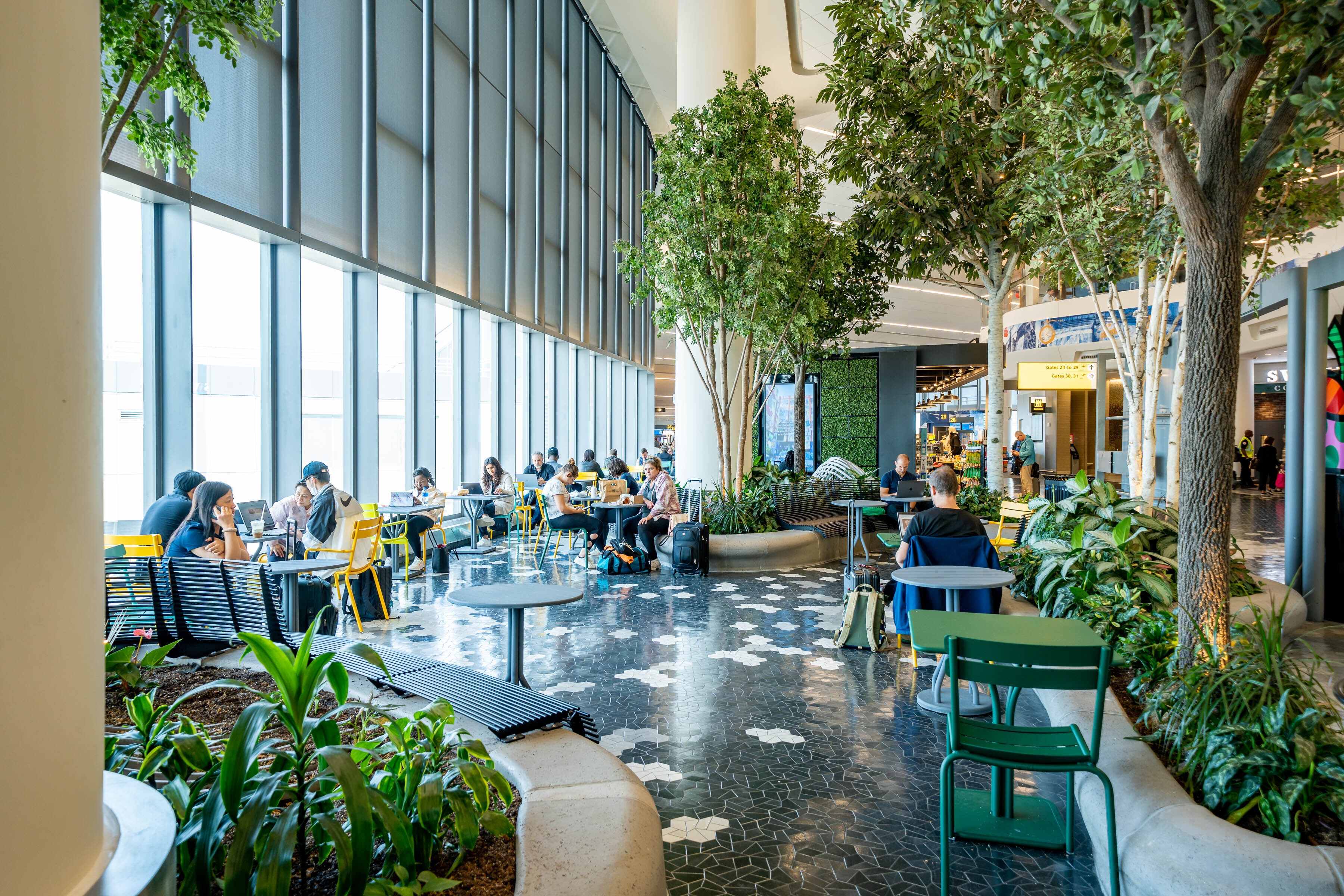
The results of embedding these quality principles were validated when Terminal B was delivered on time and on budget, at $5.1 billion, in 2022. It won UNESCO's 2021 Prix Versailles for the world's best new airport and in 2023, became the first North American terminal to achieve Skytrax's highest global 5-Star rating.
Most tellingly, the same partnership was immediately entrusted with the $4.2 billion development of JFK's Terminal 6, which signalled the market's verdict that quality-led delivery had earned its certainty.
As Rishi Kapoor of Investcorp explained at the Davos Baukultur Alliance meeting at the World Economic Forum’s Annual General Meeting in Davos, Switzerland, "Focusing on quality and investing with purpose is what actually generates a return. A return for all stakeholders, not just investors."
Quality can strengthen community ownership and identity
In post-crisis environments, the pressure for rapid reconstruction often triggers a rush to build that prioritises profit-driven development over the existing social fabric. While this may offer immediate visible output, it creates a "legitimacy gap" that leads to displacement, social friction and eventual asset decline.
Following the Beirut port explosion in 2020, the city's heritage clusters, which are the very districts that drive its cultural and economic energy, were at risk of being erased. Speculative developers acquired damaged buildings, evicted residents and demolished heritage structures, leaving empty lots awaiting future value extraction.
Local actors pushed back. The Beirut Heritage Initiative, working with the Order of Engineers and Architects, the Directorate General of Antiquities, international partners and private property owners, pivoted reconstruction toward a community-led model.
Initially commissioned to shelter 10 heritage buildings, the initiative completed 22 interventions within the same budget, retaining residents in place and working with, rather than displacing, the existing social fabric of Mar Mikhael and Gemmayzeh.
As a result, the community had become a key pillar, continuing to drive the place's sense of identity and culture.
As articulated by Global Shaper Malak Yacout, "Places that respect the context they are in and involve native communities yield long-term value and resilience," because "when hybridity is well implemented and when public, private and civil society actors are involved, it can become the spine of economic development rather than erosion."
Even as Lebanon continues to face profound instability, the principle endures: when people see themselves reflected in the places they inhabit, they invest in them, socially and economically. That social licence becomes a form of resilience no financial model can replicate.
Quality can give places a competitve edge
In a global economy where both talent and capital are highly mobile, cities differentiate themselves through the distinct quality of their environments. Locations that treat quality as a strategy create a "race to the top" for value.
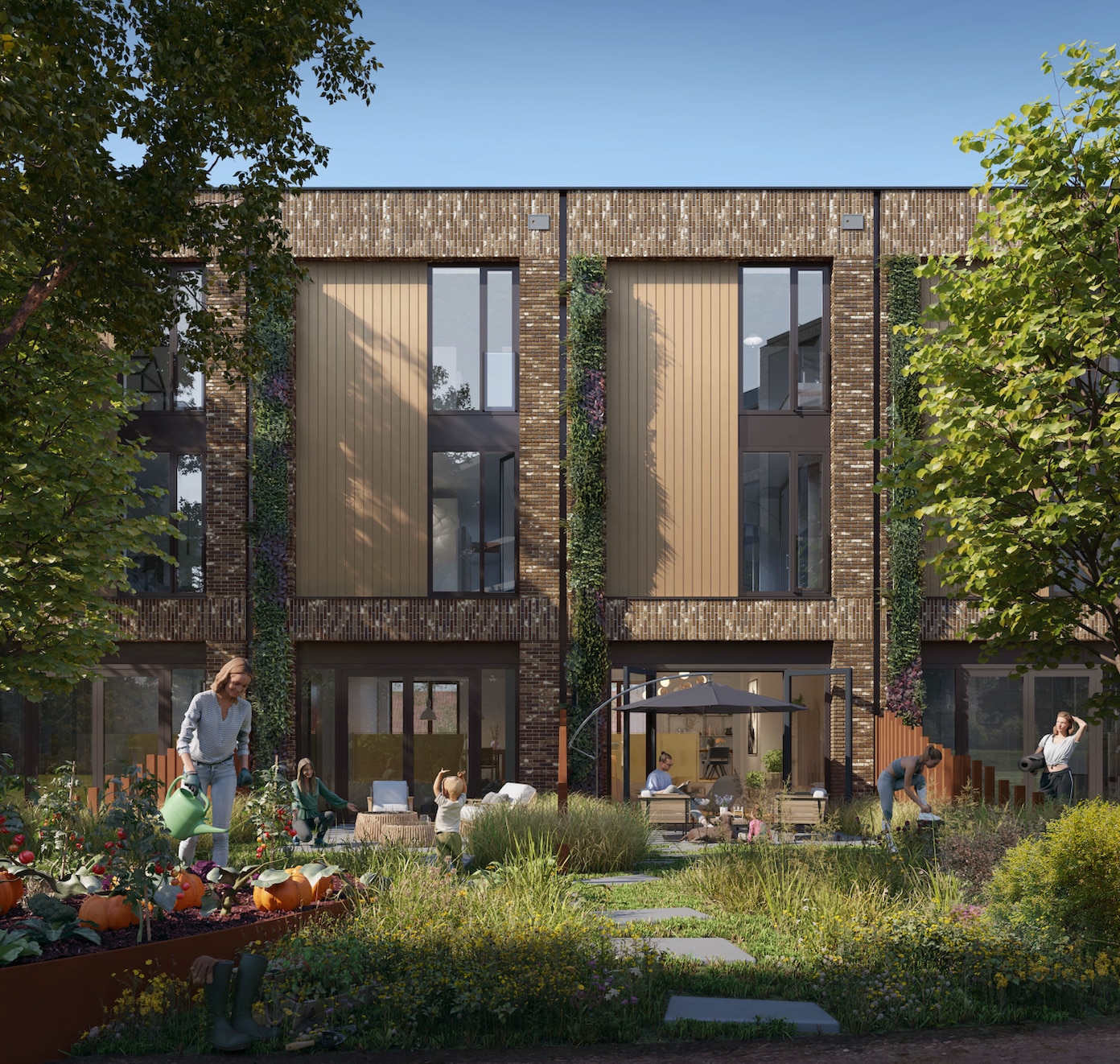
Utrecht's transformation of former industrial land into the Cartesius district is a benchmark for this shift. The redevelopment of over 3,000 homes is governed by "Blue Zone" principles: a framework recognized by the World Health Organisation that prioritises human longevity and mental wellbeing by embedding active mobility, integrated green space and car-free design into the urban core.
Every resident receives a shared electric mobility subscription; 30% of the area's surface is green, with even more additional greenery incorporated into and on the façade; Dutch challenges such as water storage and heat stress are solved in the design of the public space and the building blocks; and energy comes from collective ground-source and solar systems.
The results have been measurable. Utrecht’s broader commitment to quality of life has turned an industrial liability into a primary asset, and in 2023 the European Commission ranked Utrecht the most competitive region in the European Union, ahead of Paris, London and Stockholm, scoring highest in innovation, education and labour market opportunities.
From vision to value creation
The future belongs to those who build with quality precisely because quality in an era defined by volatility is the ultimate advantage. It transforms the built environment and infrastructure development from a sunk cost into a long-term asset by turning development from a transaction into a relationship among investors, communities and place.
Yet too often, short-term incentives dominate decision-making. Public procurement frameworks prioritize lowest upfront cost and investment models discount long-term social and environmental returns.
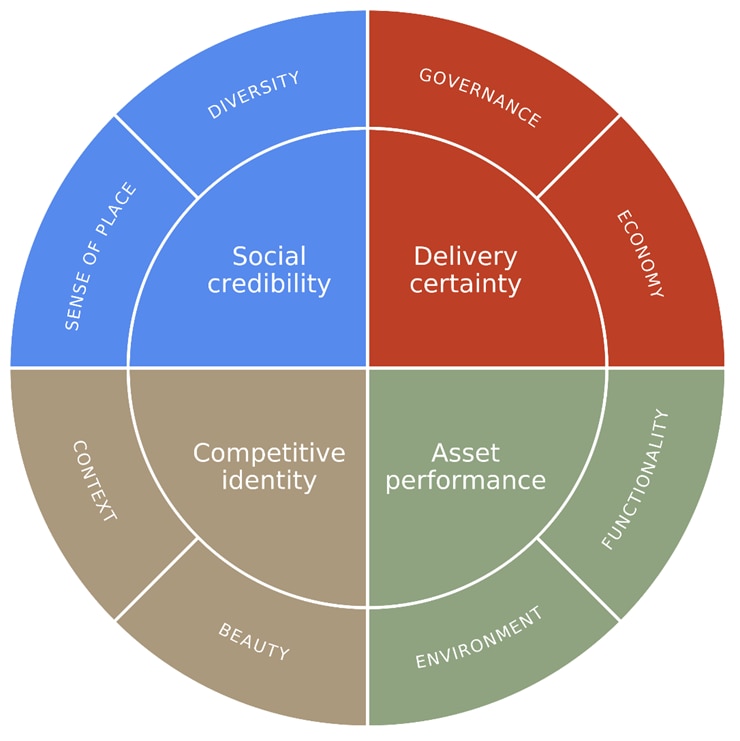
Through the Davos Baukultur Alliance, a Forum initiative with the Swiss Federal Office of Culture, Investing in Quality is working to change this. By convening investors, developers, governments, cities and industry leaders, the alliance seeks to align capital with outcomes that endure, for organizations, communities and the places that shape our collective future.
Don't miss any update on this topic
Create a free account and access your personalized content collection with our latest publications and analyses.
License and Republishing
World Economic Forum articles may be republished in accordance with the Creative Commons Attribution-NonCommercial-NoDerivatives 4.0 International Public License, and in accordance with our Terms of Use.
The views expressed in this article are those of the author alone and not the World Economic Forum.
Stay up to date:
Infrastructure


Forum Stories newsletter
Bringing you weekly curated insights and analysis on the global issues that matter.
More on Built Environment and InfrastructureSee all

Oliver Martin and Gabriela Theus
October 12, 2026


