How to turn the tide against malaria in the Pacific
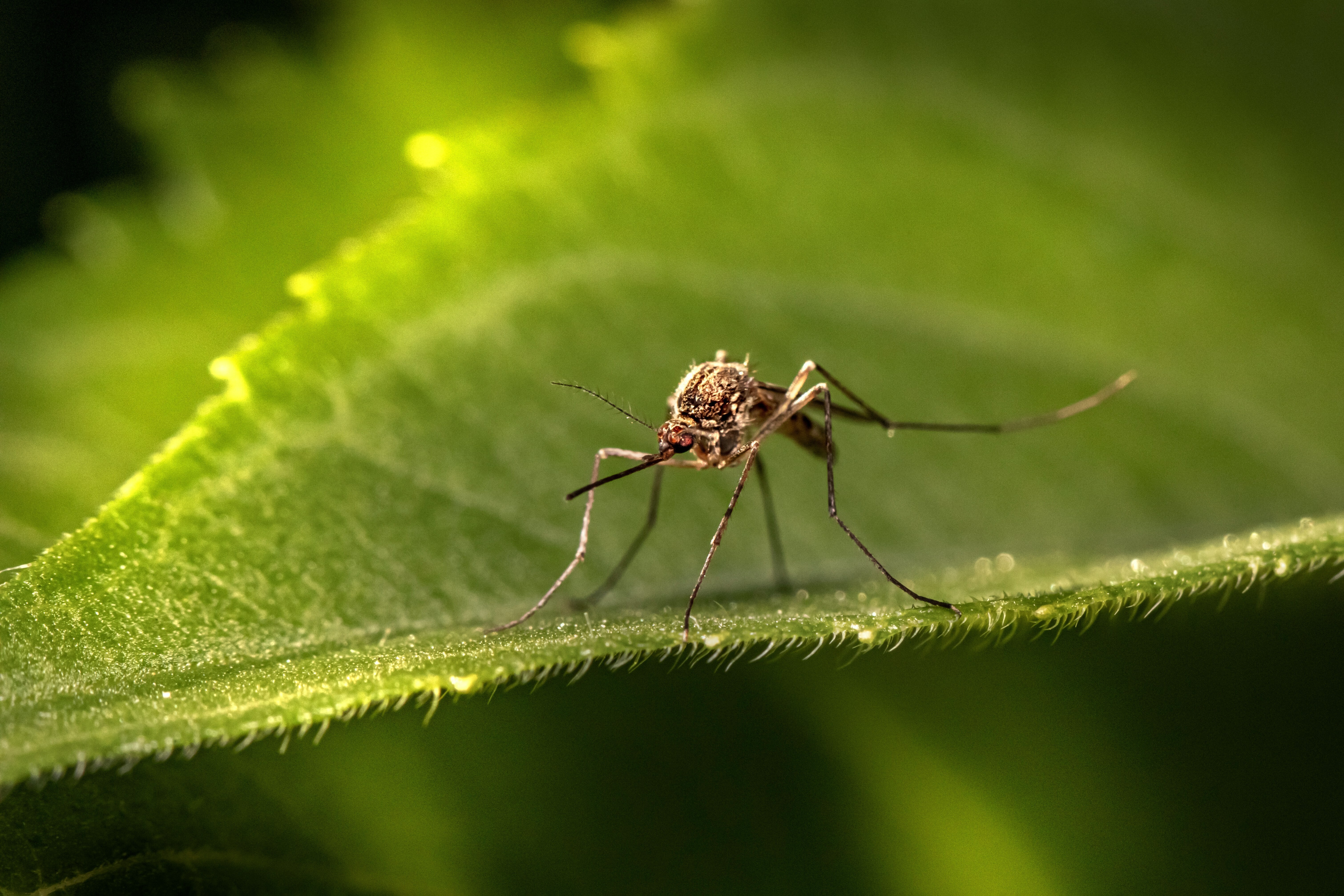
Malaria is a mosquito-born infectious disease with life-threatening implications, making malaria elimination programmes crucial in the endemic countries of the Pacific. Image: Unsplash/ErikKarits
- More than 40 countries globally have eliminated malaria, but it remains endemic in Papua New Guinea, the Solomon Islands and Vanuatu.
- The burden of malaria is particularly heavy in these countries due to systemic health inequities, logistical barriers and the effects of climate change.
- Malaria elimination programmes require bold, strategic investments and innovative financing solutions to have a long-term impact.
Two decades ago, malaria was a silent crisis in the Pacific. It has been largely overshadowed on the global stage, but it infected more than 300,000 people in a single year in 2014, for example. And while significant progress has been made since, the burden of malaria remains deeply entrenched across the region, particularly in areas where systemic health inequities, logistical barriers and the effects of climate change persist.
Among the Pacific Islands, Papua New Guinea, the Solomon Islands and Vanuatu are the only remaining malaria-endemic countries. Collectively, these three countries recorded over 1.7 million cases of malaria in 2023 – 1.5 million of which were in Papua New Guinea.
Malaria mortality surged by 40% between 2019 and 2023 in Papua New Guinea, driven by limited access to remote communities, persistent challenges with health literacy and systemic capacity constraints hampering effective malaria control efforts on the ground. Today, malaria continues to affect over 800,000 people in Papua New Guinea – the largest share of malaria burden and mortality in the Pacific region.
In the Solomon Islands, limitations in resources for implementing malaria interventions, frequent antimalarial drug shortages and supply chain disruptions threaten to reverse decades of progress on malaria elimination. With over 120,000 people affected in a population of just over 800,000, the Solomon Islands bears one of the highest malaria burdens in the region, second only to Papua New Guinea.
And while Vanuatu has recorded a relatively lower malaria burden than Papua New Guinea and the Solomon Islands, the aftermath of Cyclone Pam in 2015, twin Category 4 tropical cyclones in March 2023 and a 7.3 Richter scale earthquake in December 2024 continue to affect the local healthcare system. Efforts to manage population migration and restore malaria diagnostics and surveillance to full capacity in hard-to-reach areas are still underway, while the threat of climate impact continues to loom large.
Finding funding for malaria elimination
This year has brought formidable challenges for the global health community, and the Pacific Islands are no exception. External donor support has not returned to the levels previously seen during its peak in 2009 and 2012. Meanwhile, the region continues to wrestle for limited domestic resources amid competing health priorities. All of these challenges are set against the backdrop of climate impacts and other major health issues.
And the effects of a more recent reduction in foreign development assistance, particularly from key donors like the US, are only beginning to surface. This aid fell to a 15-year low in 2025 as a result, according to the Institute for Health Metrics and Evaluation.
So, the region’s focus must shift towards smarter and more coordinated approaches to ensure remaining resources are used effectively to tackle the most pressing health challenges. This means not only responding urgently to emerging public health threats that demand immediate action, but also remaining steadfast in securing sustainable resources to maintain long-term initiatives that yield transformative outcomes, like malaria elimination programmes.
To protect the progress we've made and advance towards the Sustainable Development Goal of ending the epidemics of AIDS, tuberculosis and malaria by 2030, the Pacific Islands must prioritize the mobilization of resources now. The Eliminating Malaria and other Climate-sensitive Vector-Borne Diseases through Enhanced Regional Partnerships (EDEN) Initiative, endorsed by the Ministries of Health of Papua New Guinea, the Solomon Islands, Vanuatu, Timor-Leste and Indonesia in 2025, will drive this effort. The EDEN Initiative will strengthen regional malaria elimination programmes, build capacity and optimize the use of shared resources.
Tackling malaria to strengthen society
Malaria has plagued humanity for millennia, but more than 40 countries globally have shown that elimination is possible. And investments in malaria elimination are actually strategic investments in national security, economic productivity, and societal wellbeing. Every case of malaria averted means more children stay in school, more people gain economic empowerment, fewer families fall into poverty and ensures greater societal stability.
To deliver on this vision, all regional actors – partners, private sector organizations, civil society groups and regional communities – must step up their commitment to malaria elimination through bold, strategic investments and innovative financing solutions. Sustained and coordinated funding must be a cornerstone of this effort because it’s essential to maintaining momentum and achieving long-term impact.
The Global Fund – an international initiative that mobilizes funding and resources to end epidemics – continues to be the largest and one of the most critical sources of funding for malaria programmes across the Pacific. As of 2023, its support has enabled Papua New Guinea and the Solomon Islands to distribute over 1.2 million and 350,000 mosquito nets respectively. In Vanuatu, sustained malaria funding is key to preventing a resurgence in provinces where transmission has been interrupted, and to achieving zero indigenous cases by 2028.
In a region as interconnected as the Pacific Islands, the health of one country affects the health of all. If resource-abled countries and the international community can commit to a robust Global Fund Eighth Replenishment, it would not only sustain the hard-earned progress we have achieved on malaria elimination so far, it will help us to finish the job.
Malaria is not a distant threat for people across the Pacific region, it’s reality. By securing a malaria-free future, everyone can find health, resilience and prosperity.
Don't miss any update on this topic
Create a free account and access your personalized content collection with our latest publications and analyses.
License and Republishing
World Economic Forum articles may be republished in accordance with the Creative Commons Attribution-NonCommercial-NoDerivatives 4.0 International Public License, and in accordance with our Terms of Use.
The views expressed in this article are those of the author alone and not the World Economic Forum.
Stay up to date:
Climate and Health

Forum Stories newsletter
Bringing you weekly curated insights and analysis on the global issues that matter.
More on Health and Healthcare SystemsSee all

Alok Medikepura Anil
October 14, 2026


