Opinion
It’s time to end South Sudan’s decade of displacement
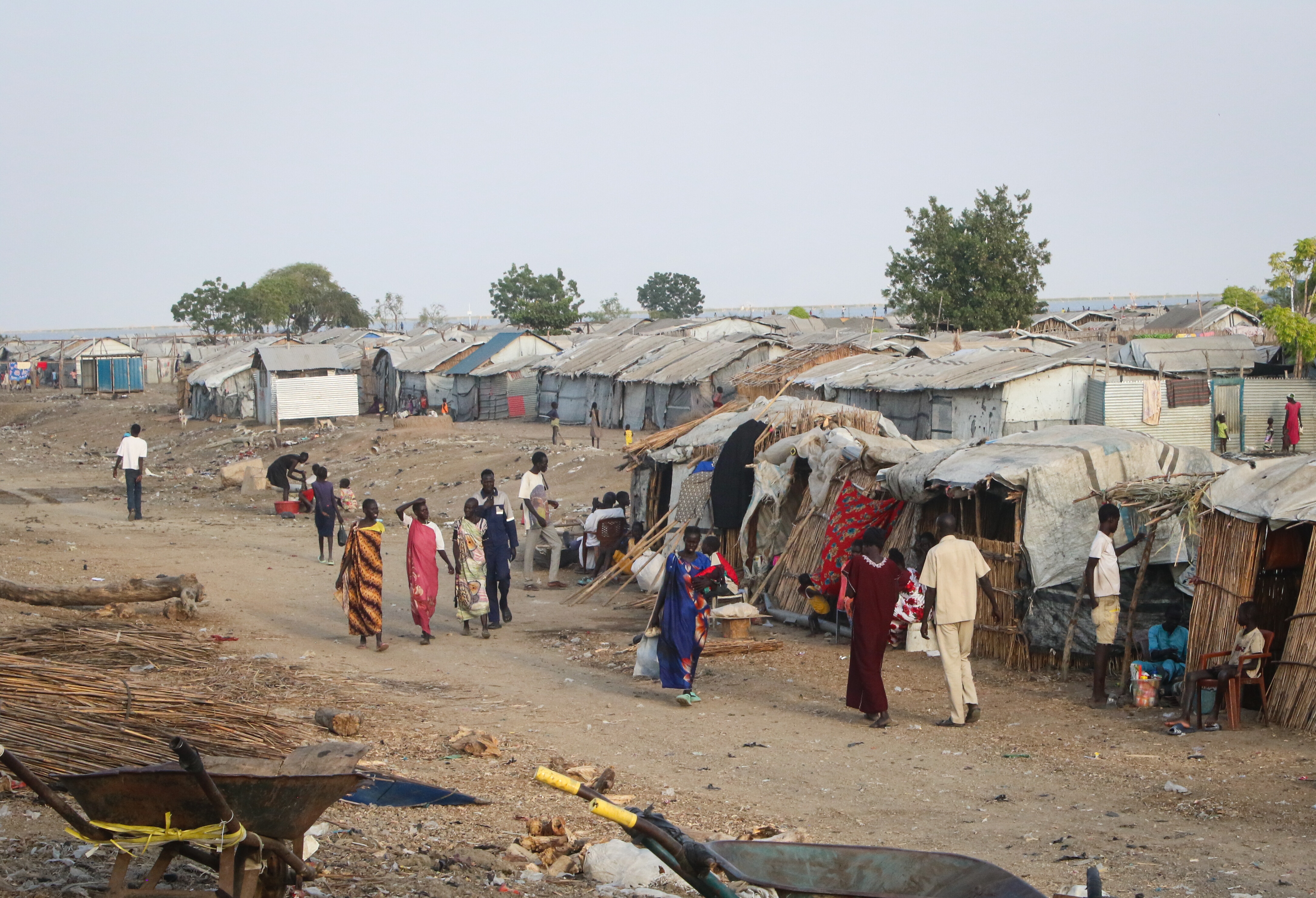
In South Sudan, what began as temporary, life-saving camps has become a long-term limbo. Image: United Nations
- Established during conflict, South Sudan’s protection sites have become long-term camps for hundreds of thousands of people dependent on shrinking aid.
- The crisis demands a global shift in focus from short-term emergency relief to durable, development-driven solutions for recovery and stability.
- Achieving stable recovery requires nationally-led efforts, flexible funding, peace progress and sustained international support for key investments.
Over a decade ago, as South Sudan descended into violent conflict, the international community acted quickly to prevent mass atrocities. Protection of Civilians sites were established on UN bases to shelter those fleeing. These sites, precursors to today’s IDP camps, were vital and lifesaving.
What began as a temporary solution has, for many, become a long-term limbo.
Hundreds of thousands remain displaced, some since 2013, dependent on shrinking aid and without access to land, livelihoods or services. Insecurity and unresolved tensions limit their options to return or resettle. For too long, our collective focus has been on emergency relief rather than supporting the transition towards recovery and stability.
This does not diminish the lifesaving role of camps, but it underscores the need to move forward – responsibly and sustainably – to help families find solutions beyond displacement.
From relief to recovery
South Sudan’s displacement crisis reflects a global challenge: a humanitarian system designed for short-term response but often ill-equipped for long-term solutions. Progress is possible.
Across the country, UN agencies and partners are already working with communities and authorities to lay the foundations for durable solutions. In Bentiu, Malakal and Wau, efforts are underway improve access to land, restore housing, strengthen legal protections and create jobs – the building blocks of a stable future. Other initiatives focus on restoring services such as water, health and education, making return areas more viable and sustainable.
Locally led peace dialogues in Malakal and other areas are helping rebuild trust among divided communities. Youth groups, women’s networks and traditional leaders are shaping roadmaps for reintegration, supported by national institutions.
A supportive global framework
South Sudan’s path to durable solutions must be nationally led, with government ownership at its core. International partners, including the UN, stand ready to provide technical and financial support.
The UN Secretary-General’s Action Agenda on Internal Displacement offers a framework for this support. It calls on governments, donors, and humanitarian and development actors to work together on inclusive, development-driven approaches.
In South Sudan, this means aligning international assistance with national priorities, complementing government leadership with the resources and expertise required to implement them.
A call to action
Helping people move beyond displacement is a moral responsibility and an essential step towards peace and development. Achieving this will require:
- Multi-year, flexible funding that supports both recovery and humanitarian needs.
- Better coordination between humanitarian, development and peace actors.
- Investments in jobs, services and infrastructure to make return and reintegration viable.
- Continued progress on the peace agenda, without which durable solutions will remain out of reach.
The risks of inaction are clear: prolonged dependency, deeper marginalization and lost futures for another generation. The alternative path centres on dignity, agency and recovery.
South Sudan has the opportunity to lead the way. With the resilience of its people, strengthened national leadership and sustained international support, we can begin to turn the page on displacement – showing what a humanitarian system committed not just to survival, but to solutions, can achieve.
For more information, please visit the Durable Solutions Hub of the UN in South Sudan.
Don't miss any update on this topic
Create a free account and access your personalized content collection with our latest publications and analyses.
License and Republishing
World Economic Forum articles may be republished in accordance with the Creative Commons Attribution-NonCommercial-NoDerivatives 4.0 International Public License, and in accordance with our Terms of Use.
The views expressed in this article are those of the author alone and not the World Economic Forum.
Stay up to date:
Humanitarian Action


Forum Stories newsletter
Bringing you weekly curated insights and analysis on the global issues that matter.
More on Resilience, Peace and SecuritySee all

Zainab Azizi
April 7, 2026


