Global economy: If a triple bubble looms, can we survive a triple burst?
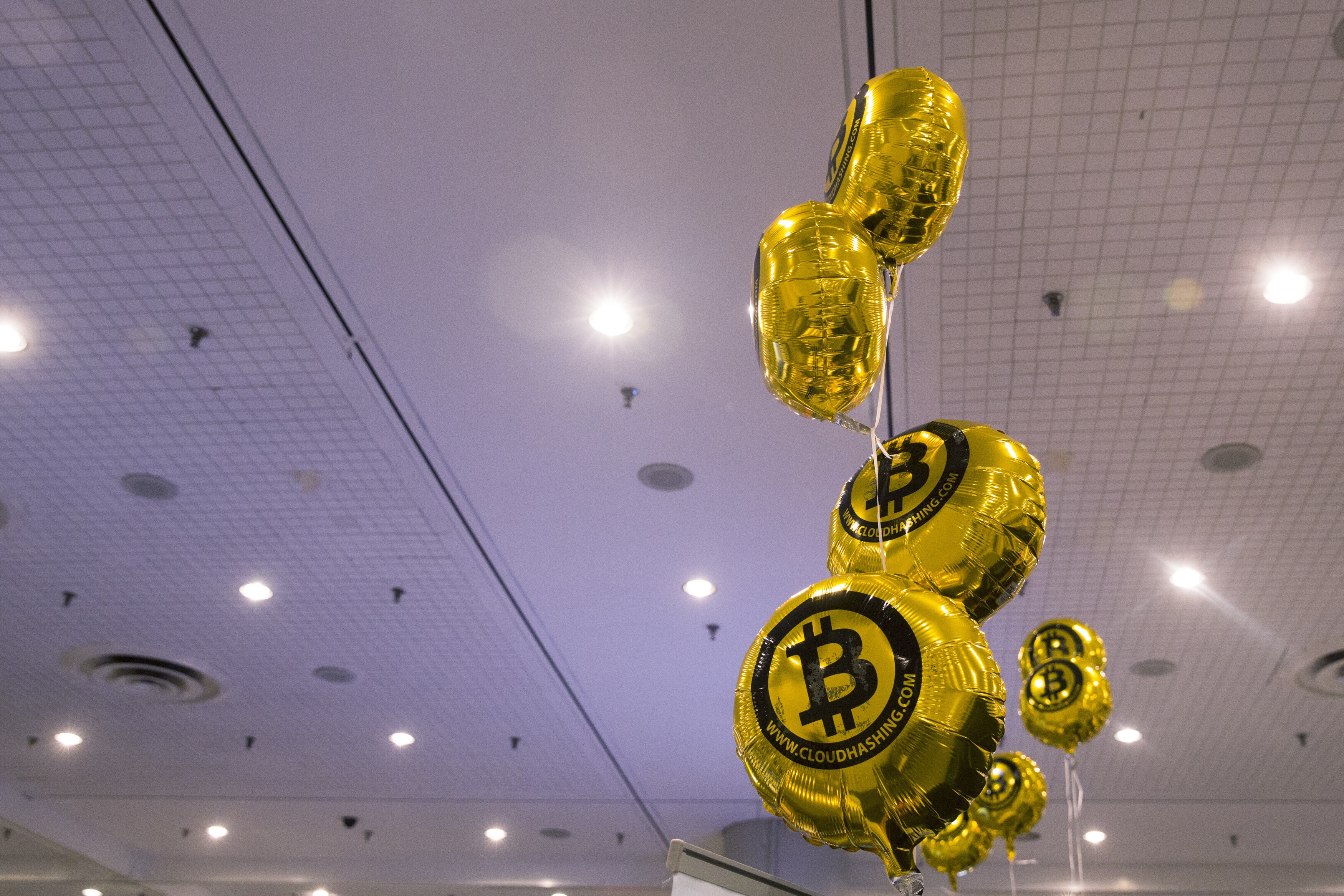
As enormous AI investments are questioned, crypto wobbles, and global debt soars, triple-bubble watchers are sounding the alarm. Image: Reuters/Lucas Jackson
- The global economy faces three potential financial bubbles related to cryptocurrencies, artificial intelligence and debt.
- All three are interconnected.
- Bubbles tend to cause serious short-term pain when they burst – but they can also fundamentally reshape economies with lasting benefits.
It’s not exactly reassuring when so many people start scanning the past for a read on what’s happening in the present.
Global economy watchers have inundated the internet with historical parallels for the triple financial bubble at hand, inflated by hopes and dreams for artificial intelligence and cryptocurrencies, and previously unimaginable levels of borrowing.
Potential reference points for different aspects of the AI-crypto-debt hydra abound. There's the mid-19th century British mania for buying into newfangled “railroads”, with a fervour reminiscent of investors in the companies now building AI infrastructure. Or Dutch tulip fever in the days of Rembrandt, foreshadowing elements of the crypto rush. Even the credit lines that were once maxed out to prevent Napoleon from conquering everything in sight, presaging the current debt deluge.
Some analogies are helpful, none are perfect. Especially now.
Questions to ponder on the eve of another annual sense-check for the state of the world in Davos come January include: How did we get to a point where it was not just the outline of one massive bubble on the horizon, but three?
How unique is the historical moment? And, how do we see it playing out?
One bubble feeds another
You need a certain amount of money to materialise in order to make something real.
In the three months that ended in late October, $57 billion materialised for Nvidia, the dominant producer of the chips needed to train AI systems. Just when talk of reckless overspending on a digital bridge to nowhere was heating up, news of the record quarterly sales offered reassurance that the trajectory would remain positive. But not everyone is buying in.
Some are more sceptical of the AI buildout than others. An investor who predicted the US housing meltdown that kicked off a global financial crisis in 2008, and was later mythologised in a Hollywood film, has been particularly vocal. It doesn’t help that a term popularised during that housing fiasco has reemerged: credit default swap. Instead of using them to protect against the risk of failures to make home payments (unsuccessfully, as it turned out), they’re serving as hedges against failures to repay debt raised to build AI infrastructure.
Google’s CEO warned recently that should an AI bubble burst, “no company is going to be immune”. Many could falter or fail. Their backers might suffer damaging losses, and data centres that potentially required billions of dollars to assemble may be stranded.
AI-related anxiety has dialled back the appetite for more speculative investments like cryptocurrencies. A recent plunge in the price of Bitcoin has stirred fears of a broader crypto crash (there are other, more direct connections between these two bubble varieties; some companies have pivoted directly from Bitcoin mining to building AI data centres).
The pattern of Bitcoin’s downturns, it has been suggested, means its primary value may be as an indicator of imminent declines for other assets. Those holding large amounts could be vulnerable. Exposure to the popular cryptocurrency has become a more mainstream element of investment portfolios, and a handful of countries have been stockpiling reserves.
The debt picture: Not pretty
Prospective bubble number three might be the most unnerving of all.
The amount of public debt accumulated by governments around the world shot past $100 trillion last year. It has been increasing at a faster pace than it was prior to the pandemic. Kenya has been compelled to use more than half of its revenue simply to pay off loans, and the debt burden in the US is on pace to surpass those in Italy and Greece – places once more closely identified with fragile public finances.
Add in private debt, and the full pile is more than three times the size of all global economic output.
A growing source of that private debt is borrowing to fund the buildout of AI infrastructure. The four American firms most aggressively constructing a foundation for the intelligent economy of the future have issued about $90 billion in investment-grade bonds just since the beginning of September.
As long as companies were mostly using money earned through their businesses to fund AI-related ventures, bubble talk was subdued. When a significant amount of borrowing began for that purpose, bubble watchers took note.
The cost of raising this debt may become prohibitive. The cost of insuring against the risk of not being paid back once you buy the debt has also become an issue. The price of doing so for one company’s bonds (with, of course, credit default swaps) recently neared a record set in 2008 – a year that brings back bad memories for most investors.
And still, the construction blitz continues. There are an estimated 12,000 or so data centres powering AI and the digital economy. Nearly half are in the US. Efforts are underway to address that geographic disparity with more building; the European Union has announced plans to commit €20 billion to new AI “gigafactories”.
It has been suggested that the factors inhibiting a rapid buildout in Europe may actually turn out to be a blessing. Places proceeding at a deliberate pace could be protected from the “potential oversupply bubble”, as a fund manager recently put it.

One particularly low-tech asset that’s also drawn a lot of investor interest lately: gold. Prices for the traditional hedge against volatility have been projected to hit an all-time high next year.
Financial bubbles may be at least as old as the practice of exchanging bits of shiny metal as currency. Some seem more irrational than others in hindsight, fairly or not. Tulips can be more visually pleasing than a bar of gold, after all, and a thriving market can be established (and then distorted) for just about anything.
There’s not much redeeming value to be discerned in a potential bursting of the public debt bubble. Few would find much to be thankful for in a financial crisis.
But certain bubbles can be a kind of self-fulfilling prophecy. Huge outlays on infrastructure may not pay off for large numbers of initial investors, but they more or less guarantee a reliance on that type of infrastructure for the foreseeable future. A limited period of pain and awkwardness gives way to lasting value.
Even those newfangled British railroads proved to be pretty useful, long after the financial speculators got burned.


License and Republishing
World Economic Forum articles may be republished in accordance with the Creative Commons Attribution-NonCommercial-NoDerivatives 4.0 International Public License, and in accordance with our Terms of Use.
The views expressed in this article are those of the author alone and not the World Economic Forum.

Forum Stories newsletter
Bringing you weekly curated insights and analysis on the global issues that matter.
More on Economic GrowthSee all

Pooja Chhabria
February 27, 2026


