Unlocking Latin America and the Caribbean’s clean energy future
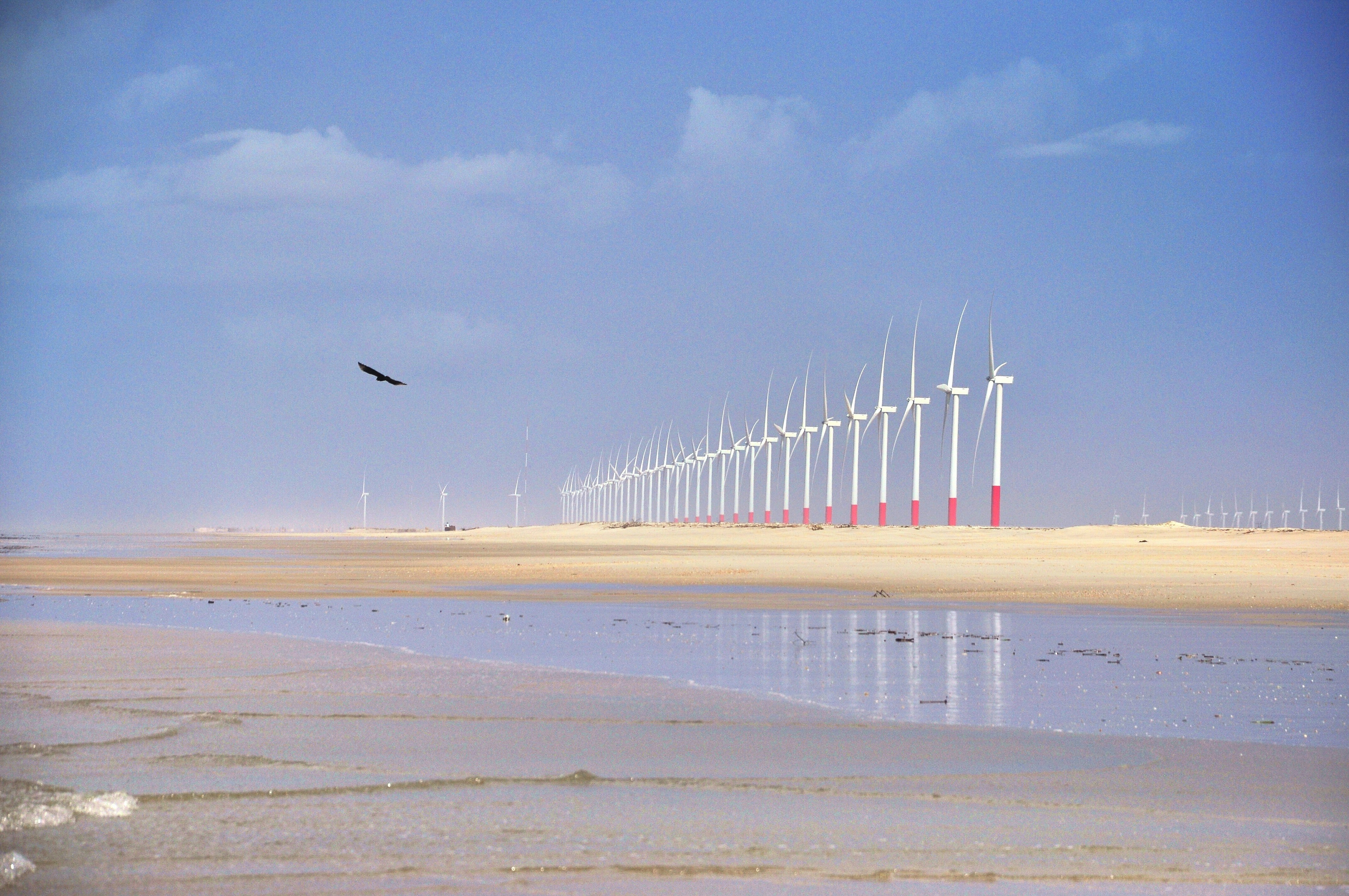
Latin America and the Caribbean are leading the way in renewable energy generation. Image: gabriel xu/Unsplash
- Latin America and the Caribbean have world-class solar, wind and hydropower potential, with renewables already supplying 70% of its electricity.
- These advantages have not yet translated into consistent transition readiness, with progress on energy security and enabling conditions lagging.
- The 2025 white paper Energy Transition Readiness: Latin America and the Caribbean outlines five key priorities to help turn potential into performance and accelerate a just, resilient and inclusive energy transition across the region.
The Latin America and the Caribbean (LAC) region finds itself at a pivotal moment. It boasts world-class solar, wind and hydropower potential, with renewables already providing around 70% of its electricity – and an even higher share within countries such as Brazil and Uruguay.
Biofuels use is double the global average, and Latin America plays a central role in supplying the critical minerals that power clean technologies.
However, these advantages have not yet translated into consistent transition readiness. The Energy Transition Readiness Assessment (ETRA) 2025, developed by the World Economic Forum in collaboration with OLADE and Accenture, shows that while sustainability and equity scores remain relatively strong, progress on energy security and enabling conditions – such as infrastructure, finance, innovation, and human capital – continues to lag behind other regions.
As technological innovation accelerates and COP30 in Brazil is in full swing, the key question now is whether Latin America and the Caribbean can turn their natural strengths into large-scale, transformative progress.
Overcoming structural challenges
Despite favourable conditions, the region’s energy transition still faces significant hurdles. Progress has been modest, with LAC ranking third among six global regions in the 2025 Energy Transition Index (ETI) but remaining below the global average.
Many economies remain doubly dependent – exporting fossil fuels and minerals while importing refined fuels and gas – making them vulnerable to price volatility and supply chain disruptions.
Infrastructure remains a critical constraint. Transmission and distribution losses average 13.5% compared with the global average of 10.2%, while ageing grids and limited interconnections restrict the integration of renewables.
Financing is another barrier: clean energy investment in 2025 reached around $70 billion, representing only 4% of global transition capital. The region needs to mobilize $150 billion annually by 2030, but high capital costs and macroeconomic risks have slowed progress.
Innovation and human capital gaps also persist. Underfunded research and development, combined with shortages in technical and engineering skills, limit deployment and scalability. As a result, only one in four countries in the region improved simultaneously across energy security, equity, and sustainability – signalling fragmented progress and policy divergence.
Five priorities for accelerating progress
The 2025 white paper Energy Transition Readiness: Latin America and the Caribbean outlines five key priorities to help translate readiness into results.
First, governments must adopt stable, integrated policy frameworks. Long-term commitments attract investment and innovation, as seen in countries like Uruguay and Costa Rica, where clear incentives and cross-sector coordination have yielded strong results.
Second, the region must modernize its energy infrastructure. Upgrading transmission, storage and digital systems will be essential to unlock renewable capacity and enhance grid resilience. Regional interconnections – such as Brazil’s National Interconnected System – can play a central role in balancing renewable supply and demand.
Third, countries need to invest in people and innovation. A just transition depends on skilled workers and strong research ecosystems. Expanding vocational training, boosting R&D funding and deepening partnerships between universities, governments and industry will help close skills gaps and accelerate clean-tech innovation.
Fourth, it is vital to diversify the energy mix and build future-proof industries. Scaling solar, wind, biofuels and hydrogen while developing sustainable industries around critical minerals and clean manufacturing will strengthen competitiveness and resilience.
Finally, Latin America must mobilize financing at scale. Innovative instruments such as blended finance, sovereign green bonds, and regional investment platforms can help unlock private capital, while closer coordination with development finance institutions can bridge current and future needs.
Proven success stories
Amid these challenges, several countries across Latin America demonstrate what is possible with the right mix of policy consistency, public–private collaboration and innovation. Uruguay, for instance, transformed its energy mix in under two decades, achieving 98% renewable electricity through stable regulation and competitive auctions.
Chile has built the world’s largest electric bus fleet outside China and is rapidly advancing in green hydrogen, combining smart regulation with innovative financing. Costa Rica, a long-standing sustainability leader, has achieved 100% renewable electricity for extended periods and ranked among the top five performers globally in this year’s ETI.
Brazil continues to combine large-scale renewable deployment with innovation, using fast-tracked green patents to cut approval times from 43 to just nine months. In the Dominican Republic, streamlined regulations have attracted more than $1 billion in investment, doubling renewable capacity in just three years.
These examples show that stable policy frameworks, effective financing mechanisms and strong innovation ecosystems can turn ambition into action.
The time to act is now
The global energy transition is accelerating but remains uneven. Most clean energy investments continue to flow to advanced economies, while emerging regions like Latin America face higher financing costs and slower project deployment.
This imbalance presents both a risk and an opportunity. Without decisive action, the region risks falling behind. But with reform, investment and regional collaboration, it can become a global hub for clean energy production, industrial innovation and climate leadership.
Latin America and the Caribbean have the resources, talent, and momentum to lead on the energy transition. The challenge now is to turn readiness into results – scaling what works, closing persistent gaps and building the enabling conditions for an equitable, sustainable and competitive energy future.
Don't miss any update on this topic
Create a free account and access your personalized content collection with our latest publications and analyses.
License and Republishing
World Economic Forum articles may be republished in accordance with the Creative Commons Attribution-NonCommercial-NoDerivatives 4.0 International Public License, and in accordance with our Terms of Use.
The views expressed in this article are those of the author alone and not the World Economic Forum.
Stay up to date:
Latin America


Forum Stories newsletter
Bringing you weekly curated insights and analysis on the global issues that matter.
More on Energy TransitionSee all

Renée van Heusden
April 6, 2026


