Andropause awareness helps move us towards a healthier society
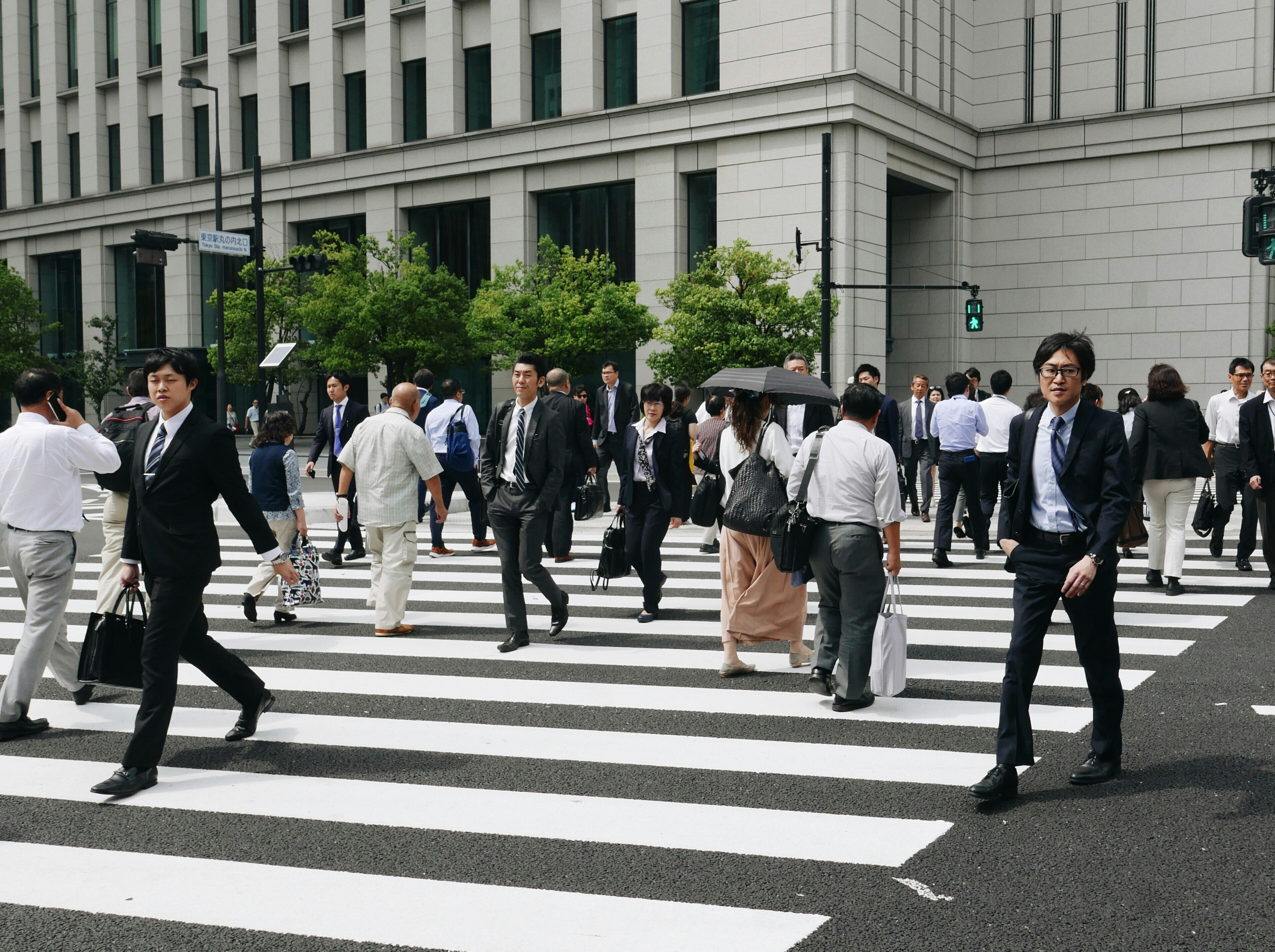
Momentum is growing in Japan towards andropause support Image: Unsplash/Falco Negenman
- The andropause or late-onset hypogonadism – the hormonal transition that occurs in men as they enter midlife – is still under-recognized by those experiencing it as well as institutions that can provide support.
- Untreated andropause can contribute to annual economic losses of JPY 1.2 trillion ($7.6 billion) in Japan, according to government sources.
- Momentum is growing in Japan towards andropause support, including by strengthening policy, more public-private initiatives and expanding corporate health services.
At the best of times, hormonal changes and how they affect health and well-being, especially during midlife, can take a significant toll on individuals’ well-being and financial health. In ageing societies, this impact is more acute.
In some settings, awareness and support systems for women’s menopause have advanced over the years. However, the hormonal change that takes place in older men, medically known as late-onset hypogonadism (LOH) – commonly referred to as the “andropause” – is still not widely recognized or addressed.
According to the Japan Endocrine Society, testosterone levels in men begin to decline gradually from their 40s and may continue to do so over several decades.
In women, however, hormonal changes are more clearly defined, occurring within the relatively distinct stages of perimenopause and menopause as estrogen levels decline, typically beginning in the mid-40s and concluding by around age 60.
However, men will overall experience a slower and less clearly defined hormonal shift.
The pace, degree and timing of this decline vary widely, meaning men in their 40s and older may experience symptoms including joint and muscle pain, fatigue, hot flashes, irritability, anxiety, depression, sleep disturbances and reduced libido at different points in their lives.
A survey of 922 men aged 30-69 found that only 27.1% believed they were experiencing LOH, while more than half (51.6%) felt it did not apply to them. Men in their 50s were the most likely to report LOH symptoms (38.7%), yet recognition remained low across other age groups, including those in their 60s.
Physical symptoms such as headaches and urinary leakage were more commonly reported than psychological symptoms. Notably, only 13.2% said they could discuss LOH symptoms without hesitation, underscoring the persistent social barriers to awareness and open dialogue.
Strengthening policy for LOH support
When social stressors, including strained relationships or retirement, coincide with LOH, men may experience increased fatigue and low mood, potentially leading to absenteeism. The Ministry of Economy, Trade and Industry estimates that untreated LOH contribute to annual economic losses of JPY 1.2 trillion ($7.6 billion). While public awareness in Japan remains limited, momentum is building to strengthen understanding and support.
In June 2025, the Japanese government approved the Basic Policy on Economic and Fiscal Management and Reform, explicitly including LOH under the banner: “Response to health issues unique to women and those arising from gender differences.”
In response, the Ministry of Health, Labour and Welfare is preparing to advance research, deepen understanding of underlying mechanisms and expand public engagement and awareness activities.
Public-private initiatives to expand awareness and support
Efforts to address LOH are emerging across public institutions and the private sector. In October 2023, the Tottori Prefectural Government introduced a leave policy for menopause and andropause symptoms, allowing employees to take up to five days of paid special leave annually.
Before implementation, surveys found that 41% of female and 31% of male employees reported relevant menopause or andropause symptoms. Within the first six months, 16 women and nine men had used the leave. The prefecture also launched a 24-seven Menopause Anyone Chatbot and established a consultation room offering phone and in-person support.
Honda, where approximately 90% of employees are male and the average age is mid-40s, has promoted LOH awareness since 2022 through physician-led webinars and internal newsletters.
In 2025, the company hosted a video roundtable discussion with a company vice-president, an occupational health nurse and a specialist physician. By involving senior leadership, the initiative further strengthened internal awareness of the issue.
Other corporations that have adopted menopause and andropause support systems, such as providing leave when symptoms are severe, include SMBC Nikko Securities, Mitsubishi UFJ and Nomura Holdings.
Following the government’s policy announcement in June 2025, new initiatives have continued to emerge. Okinawa Cellular, a telecommunications company, held a seminar in October 2025 for employees and local human resource professionals.
A urologist provided clear explanations of LOH symptoms, simple self-check tools and strategies for self-care and workplace support. Participants also joined in muscle-strengthening exercises and meditation, both recognized as effective interventions.
Expanding corporate health services
Corporate health services tailored to LOH are also growing. LIFEM, a corporate health provider, launched an LOH programme in January 2025, offering video seminars with specialists, online consultations and personalized prescriptions for traditional Japanese medicine.
The company had previously focused on providing services for women during menopause and the LOH programme is its first offering for men. Designed with privacy in mind, the programme has been adopted by major Japanese companies, including Nichirei, following pilot implementation at POLA ORBIS Holdings.
Similar services are also offered by Mederi, another company that originally focused on products to improve women’s well-being. By expanding its support to men and women, Mederi is broadening its market and gaining new corporate clients.
Understanding midlife hormonal transitions drives inclusivity
Supporting individuals experiencing menopause and andropause promotes personal well-being, strengthens workplace inclusivity and contributes to broader economic resilience.
Recognizing that hormonal changes will visit both men and women as they hit midlife helps build healthier, more inclusive societies.
As awareness grows and support systems expand, organizations and governments have an opportunity to create environments where people can continue to work with confidence, enabling sustainable growth and a future that embraces diversity.
How the Forum helps leaders strengthen health systems through collaboration
Don't miss any update on this topic
Create a free account and access your personalized content collection with our latest publications and analyses.
License and Republishing
World Economic Forum articles may be republished in accordance with the Creative Commons Attribution-NonCommercial-NoDerivatives 4.0 International Public License, and in accordance with our Terms of Use.
The views expressed in this article are those of the author alone and not the World Economic Forum.
Stay up to date:
Longevity Economy
Related topics:


Forum Stories newsletter
Bringing you weekly curated insights and analysis on the global issues that matter.
More on Wellbeing and Mental HealthSee all

Jacqueline Brassey and Jahanara Rahemtulla
April 1, 2026


