Regional cooperation in better state than global cooperation, experts say
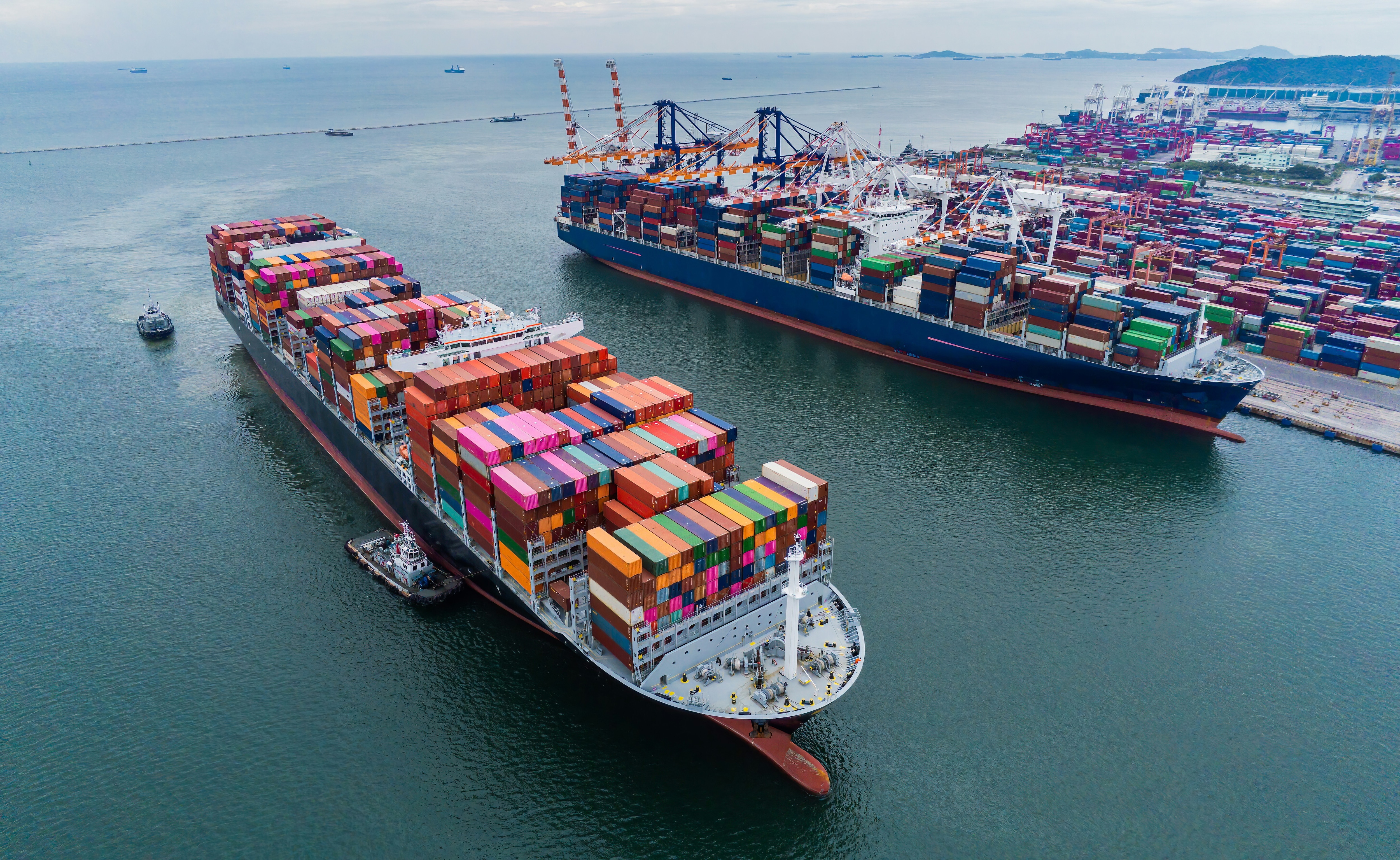
The Global Cooperation Barometer 2026, set to be released in January, will introduce a new dimension to its methodology: survey results from members of the Global Future Councils network. Image: Unsplash
- The Global Cooperation Barometer 2026, set to be released in January, will introduce a new dimension to its methodology: survey results from members of the Global Future Councils network.
- At a World Economic Forum event last month, experts examined the survey results and explored opportunities for cooperation.
- Experts are relatively more optimistic about the state of regional cooperation.
Last month, amidst ongoing geopolitical uncertainty, the World Economic Forum’s Annual Meeting of the Global Future Councils (AMGFC) convened in Dubai to explore a range of international issues including new avenues for global cooperation.
Multilateral institutions “need to adapt to the nature of today’s threats,” said Rachel Ellehuus, Director-General of the Royal United Services Institute and a member of the Global Future Council on Geopolitics. Regional or issue-based cooperation, Ellehuus added, can be a means to “offset weaknesses at the macro level.”
In Dubai, AMGFC participants were also given an early look at a new portion of the forthcoming Global Cooperation Barometer 2026.
What is the Global Cooperation Barometer?
The annual Global Cooperation Barometer provides a data-driven overview of the state of international cooperation, examining key trends across multiple domains.
Developed in partnership with McKinsey & Company and released ahead of the Forum’s Annual Meeting in Davos, Switzerland, the report employs 41 indicators to assess the level of global cooperation across five dimensions: trade and capital, innovation and technology, climate and natural capital, health and wellness, and peace and security.
In the upcoming January 2026 edition, the Barometer will introduce a new dimension to its methodology: survey results from members of the Global Future Councils network.
Through a series of questions on the barometer’s five dimensions, the survey captures expert perceptions on whether cooperation has strengthened or weakened over the past year. The early insights shared with AMGFC attendees focused on two overarching questions: 1) What is the state of global and regional cooperation; and 2) How can global cooperation be improved?
Survey: Regional cooperation holds steady as global cooperation weakens
Compared to last year, a strong majority of survey respondents (83%) described the state of global cooperation in 2025 as “less cooperative” or “much less cooperative”. Given that the year’s headlines have been dominated by escalating geopolitical tensions and major trade disputes, this decline in international cooperation was anticipated.
In contrast, perceptions of regional cooperation were notably more positive. Over half of respondents described regional dynamics in 2025 as “much more cooperative” (1%), “more cooperative” (27%), or “the same” (24%) compared to the previous year.
When examining regional trends, Europe and Asia showed stronger cooperation compared to North America, likely due the increase in local technological innovation and health advancements developed throughout the year.
Notable examples of cooperation include the launch of the European Defence Industry Programme and the near completion of the ASEAN Digital Economy Framework Agreement, a first-of-its-kind pact that is set to integrate the digital economies of Southeast Asian countries.
Rebuilding trust and fostering dialogue
When asked about how to improve the state of global cooperation, Global Future Councils members highlighted the importance of rebuilding trust and fostering dialogue as essential first steps. Survey respondents emphasized shifting the focus from divisions to shared goals, supported by greater transparency and a willingness to collaborate even at smaller scales.
As geopolitics council member Liu Qian observed during the AMGFC, countries are “actively diversifying their trade relationships,” reflecting a shift towards more flexible cooperative frameworks that are designed to adapt to geopolitical uncertainty.
Across all responses, the call was clear: focus on practical solutions and cultivate the trust and collaboration needed to turn shared ambitions into tangible results.
Coming soon: The Global Cooperation Barometer 2026
The findings of the Global Future Councils survey represent just one of the many analytical components feeding into the Global Cooperation Barometer 2026 assessment of international cooperation, complementing data-driven indicators and case studies across multiple domains.
The full report, set to be released in January 2026, will serve as a reminder of both the challenges and opportunities in what is sure to be a pivotal year ahead.
License and Republishing
World Economic Forum articles may be republished in accordance with the Creative Commons Attribution-NonCommercial-NoDerivatives 4.0 International Public License, and in accordance with our Terms of Use.
The views expressed in this article are those of the author alone and not the World Economic Forum.

Forum Stories newsletter
Bringing you weekly curated insights and analysis on the global issues that matter.
More on Global CooperationSee all

Alireza Haghighi and Khalid Alaamer
February 24, 2026


