5 ways we can tackle growing risks from rocket bodies in orbit
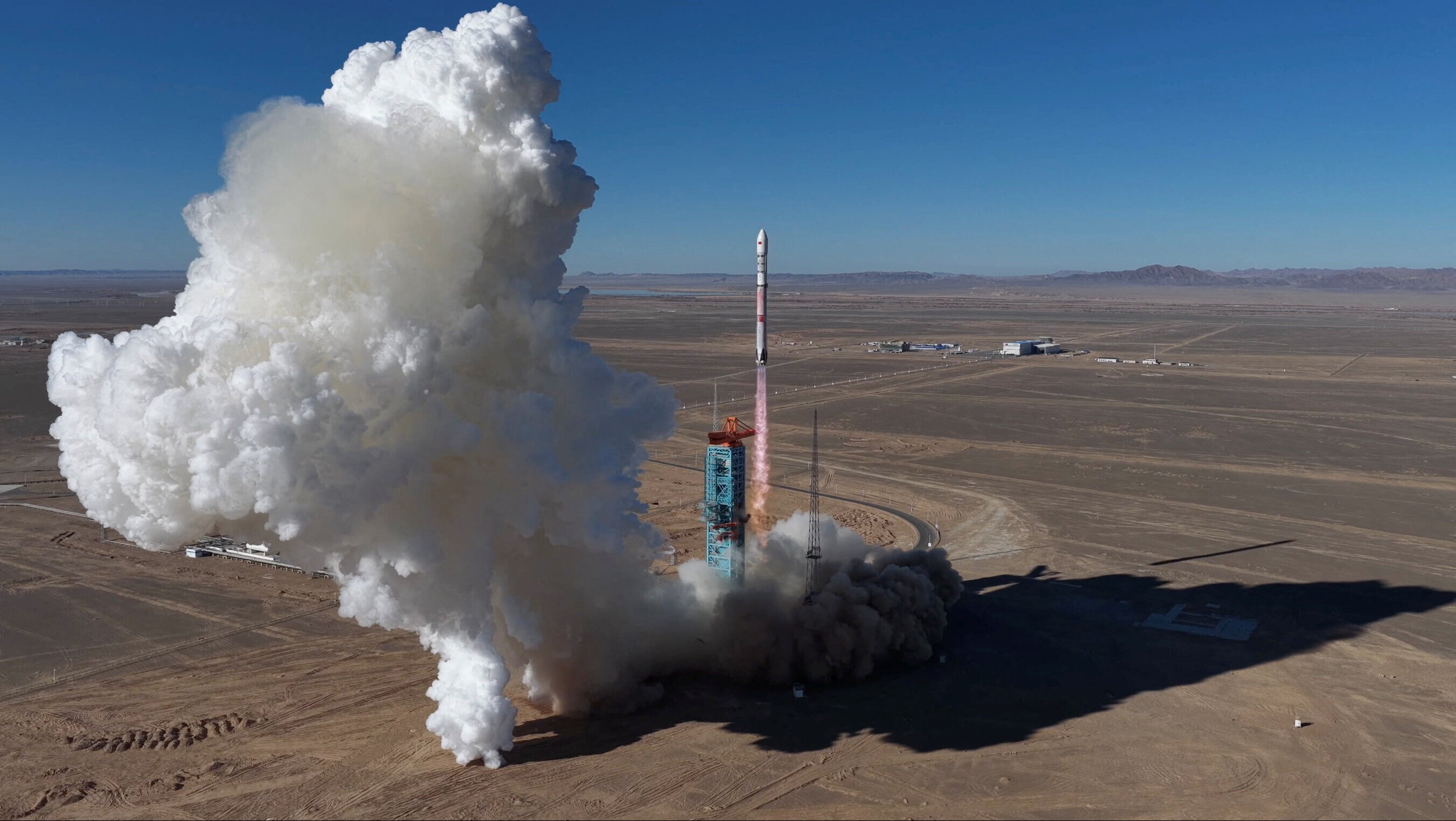
A Zhuque-3 rocket takes off from the Jiuquan Satellite Launch Center, China. Image: Reuters
- Derelict rocket bodies left in orbit pose a risk to the growing satellite infrastructure on which the terrestrial economy depends.
- Often produced in one country and launched in another, rockets pose complex legal and governance challenges.
- Key, high-impact measures relating to rocket design and disposal, space traffic and insurance can improve close-orbit safety.
Billions of people rely on satellites every day for weather, navigation, communications and climate monitoring. However, one overlooked factor threatens this infrastructure: derelict rocket bodies left in orbit after deploying satellites. Space is becoming more congested as more countries and companies launch satellites, with launch frequency accelerating significantly since 2018.
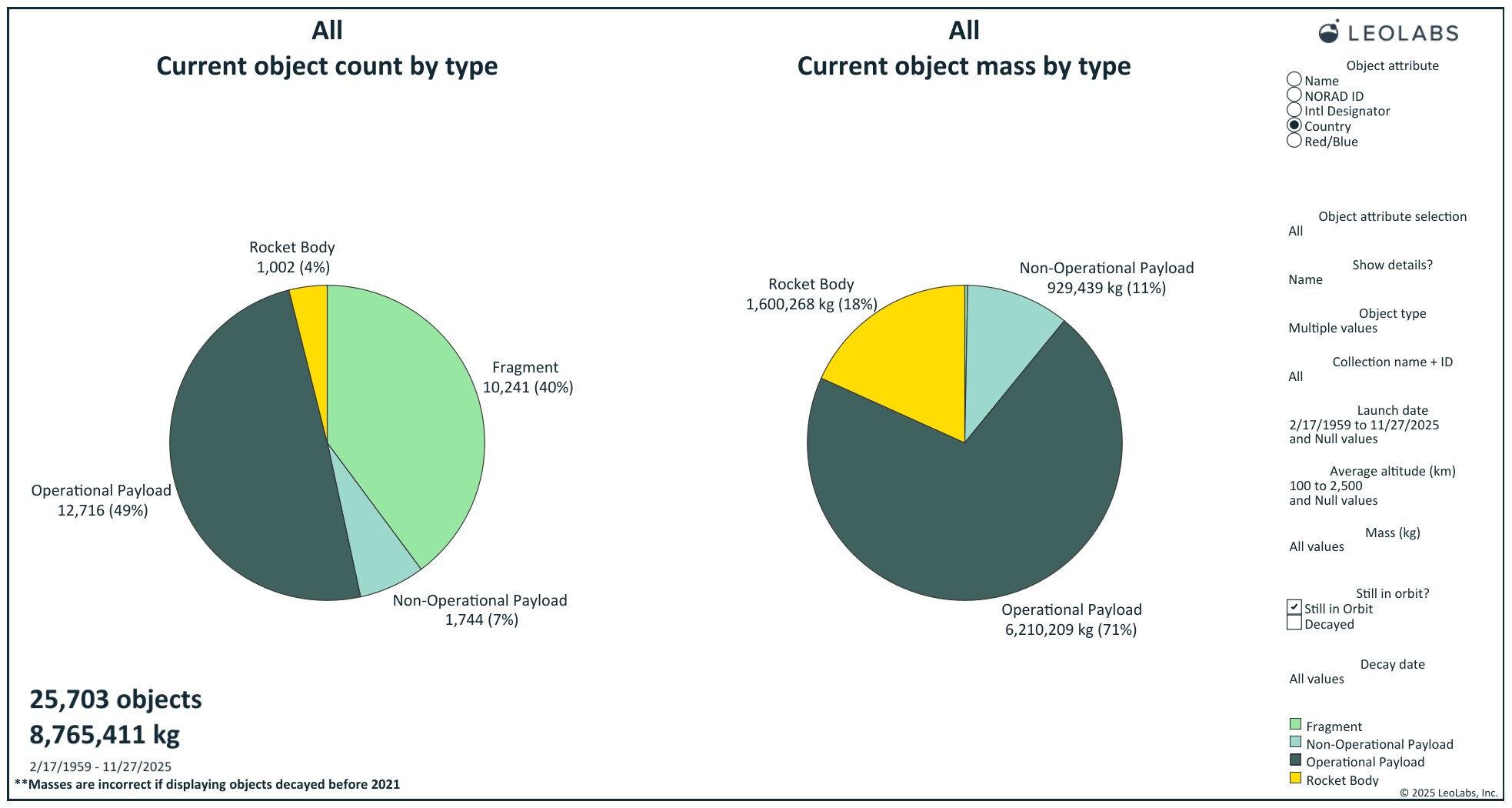
Among the many objects circling Earth, a small number of rocket stages pose an outsized risk. These heavy derelicts often still contain fuel or stored energy, making them vulnerable to explosions or collisions that can generate thousands of pieces of debris, spreading across key orbital regions used by satellites that power essential services back on Earth. Though rocket bodies make up a small share of objects in orbit, they account for a significant portion of the total mass. This means their fragmentation would have substantial consequences.
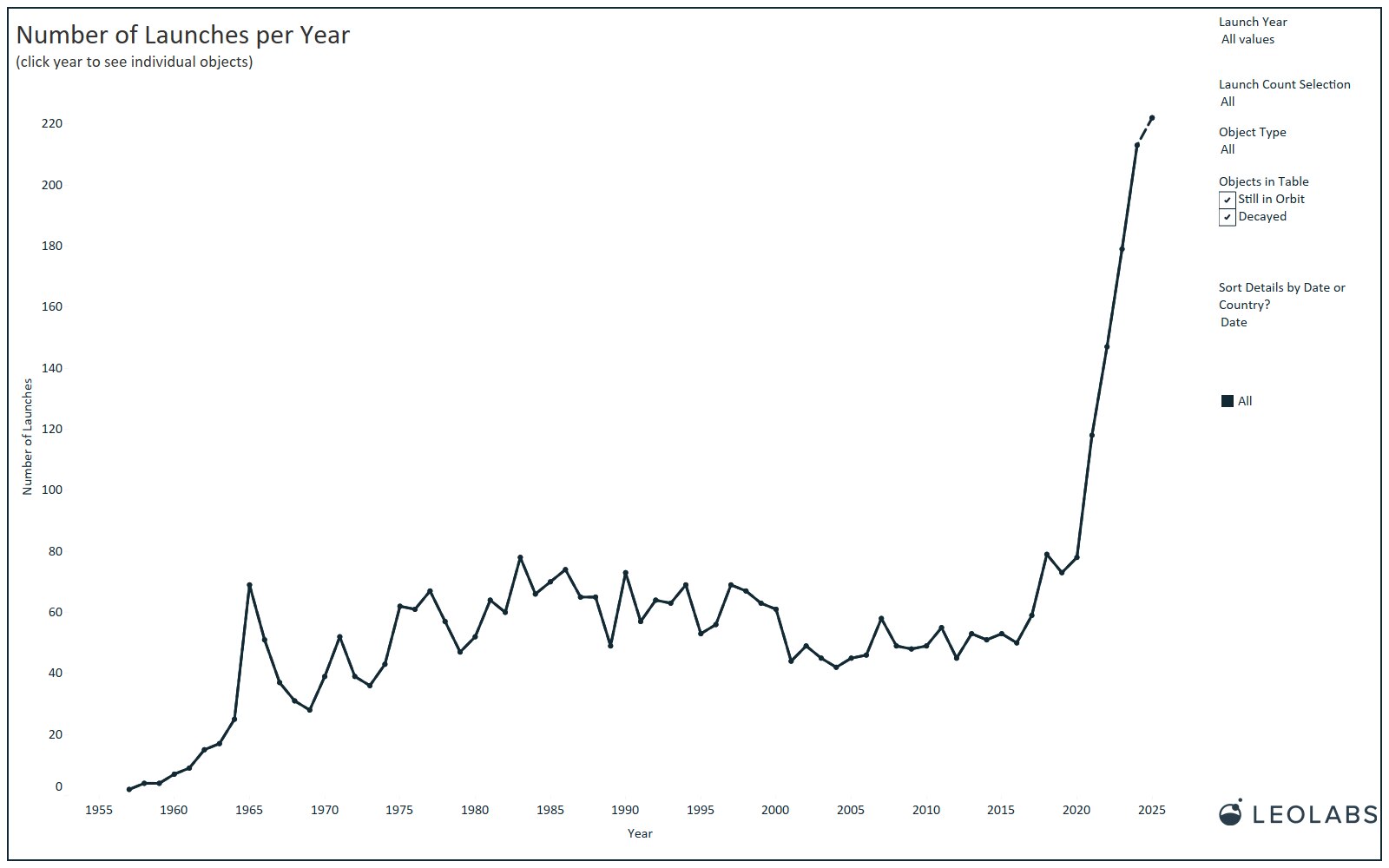
Launch activity is expected to continue accelerating as costs fall and demand rises, with the mass production of satellites. As well as the Inter-Agency Debris Coordination Committee’s mitigation guidelines and United Nations Committee on Peaceful Uses of Outer Space’s long-term sustainability recommendations, national regulation and agency guidelines also suggest upper-stage measures to motivate operators’ behaviour. In order to deliver further improvements in long-term orbital safety for this relatively small population of heavy objects, stronger auditable requirements to neutralize stored energy at end-of-mission and to mitigate the risk of accidental explosion should be target policy measures.
Liability and complexity
Rocket bodies also introduce legal and governance challenges. Current launches often involve multiple states: a rocket may be procured in one nation, carry payloads from others, and lift off from a launch site in a different region entirely. In these situations, determining who is responsible for the rocket body can become complicated. Most rocket bodies are registered by the “state of registry”, and this can differ from the one that built the rocket, operated the launch, or owns the satellite it deployed. If a rocket body later collides with another object, the question of liability could be unclear, because international rules follow the launching state(s), while authorization and supervision rest with the state of registry, which is potentially different. For this, both entities should be included on licenses and contracts, and their pre-consent secured for any debris-removal operation or safety intervention.
These grey zones can delay clean-up efforts, create uncertainty about accountability, and make it harder to coordinate international responses. That is why clarifying responsibilities before launch, including who can authorize future debris-removal actions, is becoming increasingly important. Clear agreements can prevent diplomatic bottlenecks later and reduce urgent risks.
5 practical steps to reduce persistent space vulnerability
Despite the complexity, rocket bodies represent a legal‑technical challenge that can be addressed with a few focused, high-impact measures. Key actions can add up to a demonstrable success story in space governance by reducing the long-term risks to satellites, services and space sustainability.
- Make rocket bodies safe by design. Require rocket bodies to deplete leftover propellent after mission completion to minimize the risk of explosions. While this is an existing and practiced end-of-life operation by many operators, expanding this effort will have immediate benefits.
- Remove rocket bodies more quickly. Set clearer disposal plans for timely removal of rocket bodies in high-altitude regions where they can remain in orbit for decades and pose long-term collision risks.
- Pre-approve clean-up before launch. Secure consent from all the relevant stakeholders in advance for active debris removal as the technology becomes feasible, preventing legal delays later.
- Share basic data to improve space traffic safety. Share critical, simple and transparent data such as notifications of manoeuvres. This will help all operators avoid collisions and improve predictability.
- Link insurance incentives with safer behaviours. Use insurance to reward proven safe disposal of rocket stages with a lower premium to encourage sustainable practices. This approach has been proven effective in other sectors such as aviation and maritime.
With the growing number of actors in space, rocket bodies represent a manageable challenge; one where small, coordinated actions can result in a positive change. By aligning technical, legal and market incentives, the space community can assure the safety and sustainability of the space environment for all.
To ensure continuity of the space services on which we have grown heavily reliant, it is of paramount importance to protect our shared orbits. Addressing rocket body debris is one of the clearest opportunities to build a safer future in space.
Further analysis on the topic of space debris and more strategies for safer orbits will be featured in an upcoming publication that will be released in January 2026 and presented at the Space Debris Conference 2026 in Riyadh.
Don't miss any update on this topic
Create a free account and access your personalized content collection with our latest publications and analyses.
License and Republishing
World Economic Forum articles may be republished in accordance with the Creative Commons Attribution-NonCommercial-NoDerivatives 4.0 International Public License, and in accordance with our Terms of Use.
The views expressed in this article are those of the author alone and not the World Economic Forum.
Stay up to date:
Cybersecurity
Related topics:


Forum Stories newsletter
Bringing you weekly curated insights and analysis on the global issues that matter.
More on Economic GrowthSee all

Omair Ansari and Manahil Javaid
March 9, 2026


