How the unstoppable electrification revolution has led us to a solar and wind-powered tipping point
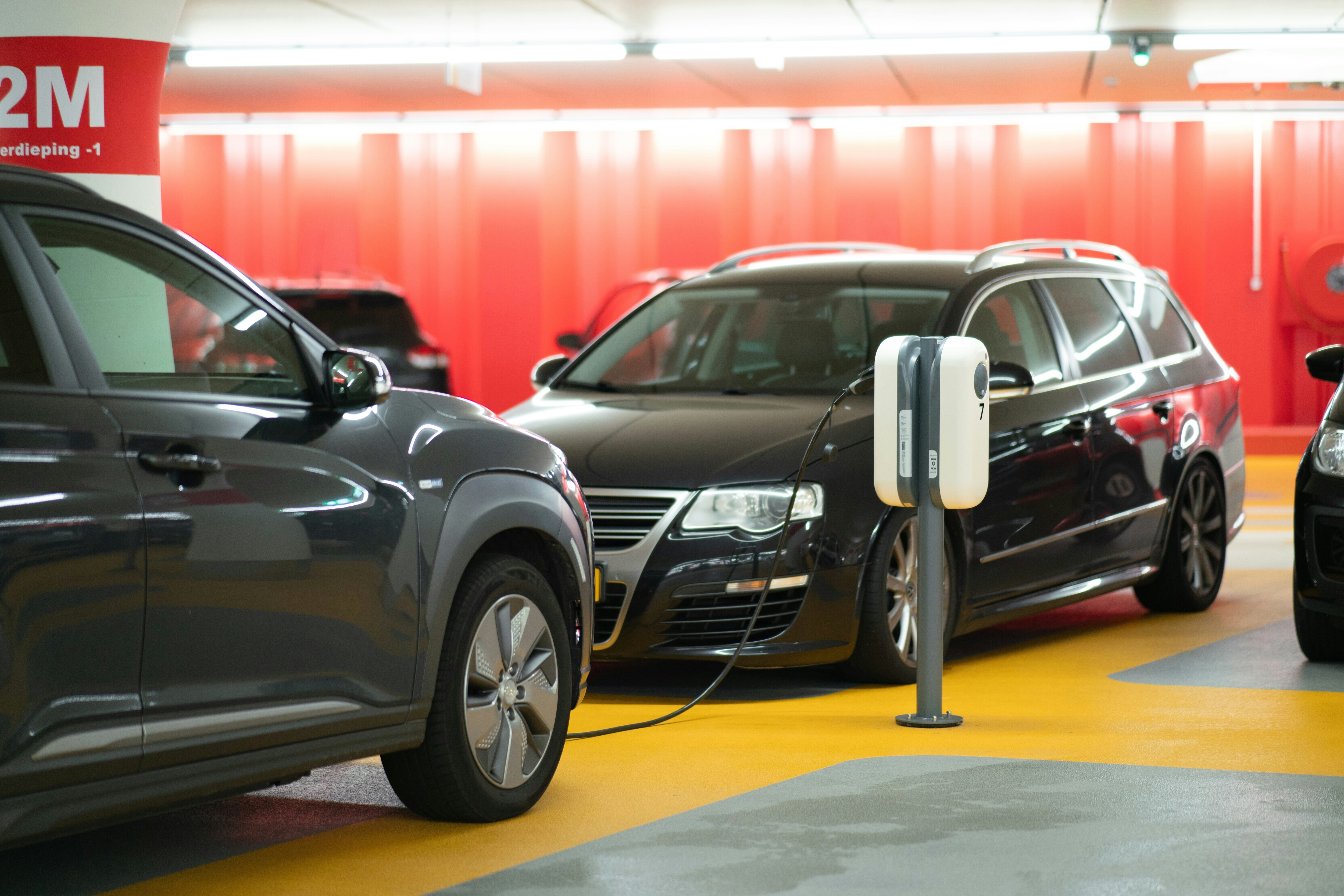
Electrification's benefits are becoming self-propelling. Image: Unsplash/Michael Fousert
- Electrification is expanding fast globally, reaching a 'positive tipping point' as it leads towards cleaner air; its benefits becoming self-propelling.
- Electrification’s progress stems from the superior environmental footprint of renewables’ infrastructure compared to fossil fuels, alongside declining costs of solar and wind power and increasing electric car sales.
- There is still work to realize a clean and inclusive energy transition; accelerating electrification can get us there with investment, international collaboration and community empowerment.
The electrification of our economy and society using renewable power is happening fast. Worldwide, clean electricity from solar and wind plus battery storage (“solar plus”) is becoming the dominant new energy source and is already the cheapest in most countries.
We call this a “positive tipping point.” It is “positive” because electricity from renewables reduces the need to burn greenhouse gas-emitting fossil fuels and offers benefits such as cleaner air and energy independence.
It is a “tipping point” because once they have crossed key thresholds of affordability, performance and accessibility, the adoption of these technologies can become self-propelling. The more we adopt, the cheaper and better they become due to increasing returns, such as economies of scale and learning-by-doing.
Decades of steady technological improvement and policy planning have led to this relatively abrupt and accelerating solar plus revolution.
The superior physics and economics of clean electricity
The physics and economics of using clean electricity make it a clear winner over fossil fuels for almost all applications.
The energy lost by burning coal, oil or gas to generate electricity or to drive a motor vehicle – due to thermodynamic inefficiency – wastes, on average, about two-thirds (40-80%) of the total primary energy of these fuels, costing around 4.5 trillion dollars per year
.
We burn 16 billion tons of fossil fuels every single year. By contrast, all the materials required to build global solar-plus infrastructure amount to about 1 billion tons. Solar and wind costs have declined by over 80% in the last decade and battery costs by almost 90% since 2010.
As a result, in 2024, over 90% of all new power generation capacity worldwide came from renewables. Every day, more households, businesses and governments are choosing clean electrons over dirty fossil fuels, not just for the climate but because it’s easier, safer and cheaper.
For example, Pakistan has undergone a massive grassroots wave of electrification as farmers and households take advantage of cheap solar imports from China, also due to another important self-propelling feedback in the system – social contagion: the more people see and hear about solar panels in use, the more likely they are to buy them.
In just six years, this additional solar capacity has exceeded the country’s entire grid generation capacity.
This global picture is, however, skewed: China accounted for 65% of this additional capacity. By contrast, Africa, which has 60% of the world’s best solar resources and where 40% of the population (600 million people) lack access to electricity, received less than 2% of global clean energy investment.
Electric vehicles turbocharge the transition to clean mobility
The electrification revolution is also hitting the roads. Electric vehicles have leapt from 2% to 20% of new car sales in just six years as consumers embrace their lower lifetime costs and superior performance. Sales of two and three-wheeled vehicles are also growing exponentially in parts of Asia.
The transformation is also beginning to affect heavy-duty vehicles, led again by China. Thanks to strong policy support and greatly improved battery performance, electric trucks have taken 46% of new sales this year and 60% is expected in 2026.
Every percentage point of EV market share gained equates to lower petrol, diesel and LNG demand, and to lower political influence of petrostates and oil companies, making bolder policies for climate and nature easier to enact.
In line with positive tipping points theory, small group coalitions are best placed to catalyse global change, as leading markets such as China, the European Union and California collaborate to reduce technology costs and set common standards, thereby motivating others to accelerate their own electrification plans.
How the Forum helps leaders navigate the transition of energy and materials systems
An ethical and inclusive transition
The clean energy revolution is underway, but it is not yet truly global or inclusive. Many developing nations are keen to leapfrog directly to clean energy, skipping the polluting fossil-fuel phase, for reasons of energy access, health, economic opportunity, diversity and resilience, as well as for climate stability.
This often means securing access to concessional finance, technology partnerships and skills transfers, investing in clean power generation and grid infrastructure, building industrial hubs around renewable power and ensuring that communities have a voice in the decision-making process.
Clean electrification can directly support these goals. Solar and wind projects are being paired with battery systems and mini-grids to bring power to off-grid communities, creating new jobs, diversifying economies previously reliant on commodity exports and reducing dependence on imported fossil fuels.
The electrification revolution is here but to accelerate it rapidly and to reach its full potential requires significant intervention in the coming years, including:
- Investment: Public, private and blended finance need to direct unprecedented capital into renewable energy generation, battery storage and grid infrastructure. Planning and permitting also need to be streamlined in many jurisdictions to enable solar farms, wind parks and transmission lines to be built in months rather than years.
- International collaboration: Climate and energy diplomacy needs to focus on partnerships for transferring clean technology and skills. Wealthier countries, development banks and businesses need to help emerging economies leapfrog to clean electrification.
- Community empowerment: Whether it is city authorities procuring electric bus fleets or rural villages building and managing solar plus micro-grids, the electrification revolution will be driven by local action. Policies need to incentivize bottom-up adoption and authorities need to bring people with them in the just transition, including reskilling pathways for fossil fuel industry workers.
This is the third blog in the series “Positive Tipping Points: informed optimism for nature- and climate-positive transformations.” The series complements the Positive Tipping Points transformation maps on the Forum’s Strategic Intelligence platform.
While “tipping points” often evoke abrupt, harmful shifts such as coral reef die-off or ocean-circulation collapse, they can also drive rapid positive change. Some are already emerging, such as the accelerating adoption of renewables, electric vehicles and heat pumps; others must be activated quickly to support a safe, just and sustainable future.
Don't miss any update on this topic
Create a free account and access your personalized content collection with our latest publications and analyses.
License and Republishing
World Economic Forum articles may be republished in accordance with the Creative Commons Attribution-NonCommercial-NoDerivatives 4.0 International Public License, and in accordance with our Terms of Use.
The views expressed in this article are those of the author alone and not the World Economic Forum.
Stay up to date:
Renewable Energy
Related topics:


Forum Stories newsletter
Bringing you weekly curated insights and analysis on the global issues that matter.
More on Energy TransitionSee all

Roberto Bocca
March 20, 2026


