How biomanufacturing can turn food waste into a climate solution
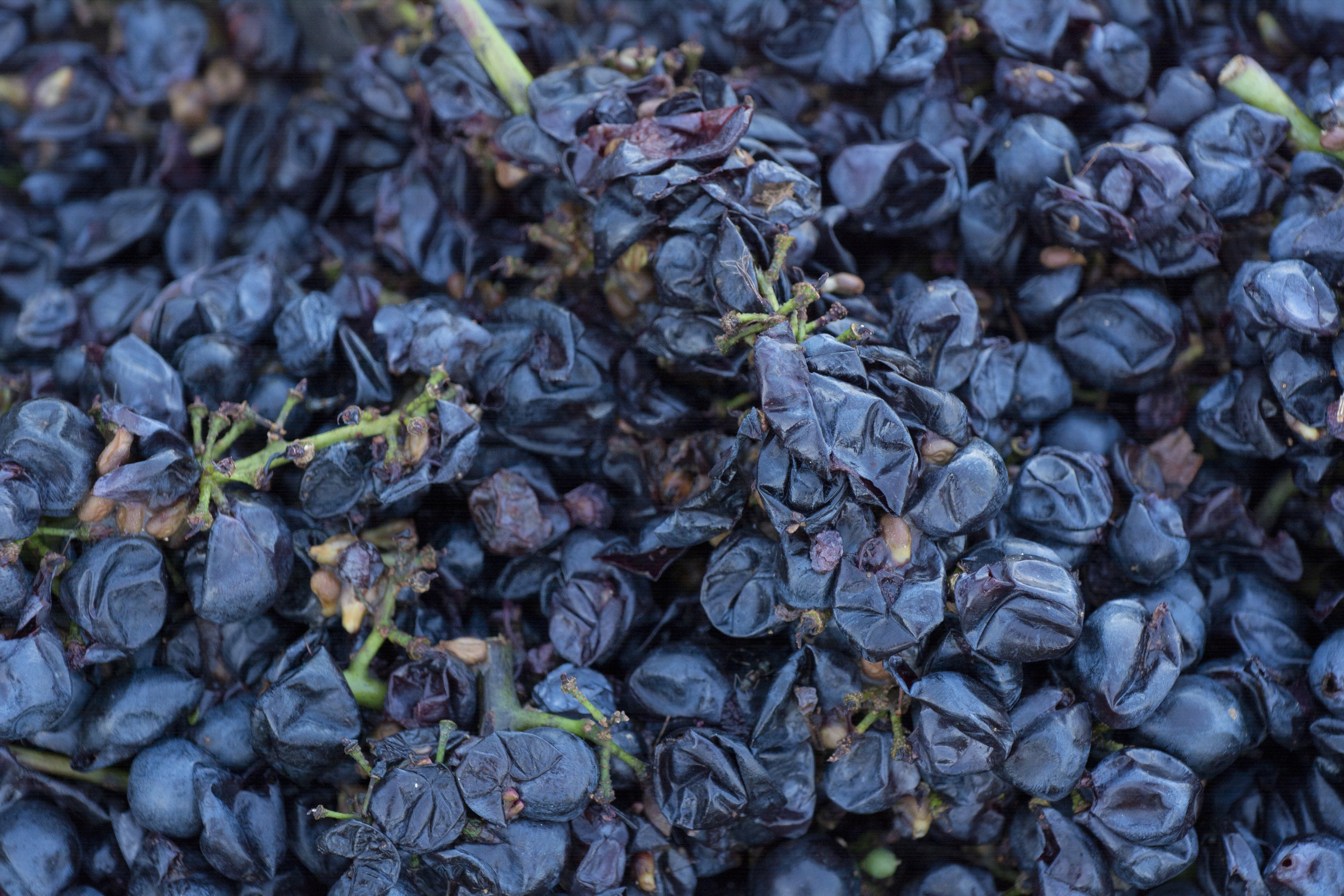
Waste-derived sugars can help fulfil the full potential of biomanufacturing. Image: iStock
- Biomanufacturing offers a powerful way of decarbonizing goods by using the glucose that plants produce from carbon dioxide and sunlight.
- The world cannot produce enough affordable glucose to replace petroleum-based items through fermentation, so alternative sources are needed.
- Instead, we can transform waste streams across the agri-food supply chain to produce glucose economically and reliably for use in biomanufacturing.
Biomanufacturing offers a powerful way to decarbonize everyday goods. Instead of using petroleum as our carbon source, we can use glucose that plants produce from carbon dioxide and sunlight.
But there’s a fundamental problem with scale. The world cannot produce enough affordable glucose to replace petroleum-based products through fermentation. Meeting that demand would require roughly one-third of arable land to grow corn or wheat for glucose production.
The promise of biomanufacturing – the use of living organisms and cells to produce molecules or other biological materials to make products such as materials, chemicals and foods – is constrained not by the technology itself, but by the world’s limited supply of affordable glucose from monocrops.
Biomanufacturing as a food waste solution
The solution is hiding in plain sight: our agri-food supply chain. By transforming underutilized waste streams across the agri-food supply chain into high-value revenue streams, we can co-produce glucose economically and reliably, without competing for farmland. This enables countries to build local biomanufacturing capacity using diverse agricultural residues rather than relying solely on commodity crops.
However, this approach hasn’t worked yet for a simple reason. Biomass innovation has traditionally focused on agricultural residuals tied to the ethanol supply chain, including corn stover, sugarcane bagasse and forestry waste. These materials were chosen largely because they were abundant and adjacent to existing fermentation supply chains, like ethanol production.
Meanwhile, food processing waste has been historically overlooked largely because its high water content makes it perishable and expensive to transport. Yet, it contains valuable compounds that can be extracted alongside glucose: antioxidants, fibres, organic acids, lignin, proteins and oils.
If produced at the point of generation, where perishability and transport challenges can be addressed, these products fundamentally change the economics. Instead of paying for disposal, food processors gain access to a new slate of revenue-generating products.
This is the breakthrough: waste streams with embedded value can fund the buildout of biorefining capacity, creating facilities ready to produce cost-competitive glucose at scale when market conditions demand it.
Beyond economics, this approach solves another critical challenge. Global supply chains for chemicals and materials are heavily concentrated, often dependent on a small number of countries with oil resources, large agricultural land bases, or livestock industries. This concentration increases risk and limits resilience.
However, every country, regardless of its national resources, produces food waste. Urban centres, food processors, distribution hubs and agricultural regions all generate continuous volumes of by-products, trimmings and rejected or off-spec material. Estimates place agricultural and food processing waste at more than one billion tons annually.
By turning these local waste streams into feedstocks for glucose production, nations can build independent, distributed biomanufacturing capacity without depending on oil, monocrops, or enormous land footprints. This unlocks new domestic pathways to biobased chemicals, materials, foods, nutritional ingredients and essential inputs for pharmaceuticals and industrial processes.
Business benefits of a circular food system
Beyond helping local manufacturing, the most overlooked benefit of a circular food system is that it creates an extremely profitable business model. Food processors today often pay for waste disposal, costs that erode margins and create operational inefficiencies.
Valorizing that biomass flips the economics entirely. Instead of a cost centre, waste becomes a revenue-generating asset, often at margins higher than the core food products themselves.
Products such as functional fibres, natural colourants, organic acids, flavour compounds, antioxidants and proteins all command meaningful market prices today. As the global population is set to rise to 9.8 billion people by 2050, demand for cleaner products and ingredients is only set to grow.
When these are extracted in parallel with products from the core business, the economics become so attractive that biomass valorization can meaningfully improve company profitability.
For the food industry, this means new recurring revenue streams, lower disposal and logistics costs, and product diversification and resilience. However, perhaps most importantly, as a driver of change, the sustainable solution is directly aligned with profitability.
Put simply, it is a genuine win for the climate, food processors and the food industry as a whole. Valorization doesn’t just strengthen climate impact; it also strengthens the bottom line of the food industry at large.
Learning from past failures
With all of this positivity, it’s important to acknowledge the history. Companies have tried for years to commercialize waste-derived glucose, but nearly all of them failed. The reason wasn’t flawed technology but flawed economics.
Crop selection is critical. Corn stover, wood chips and other lignocellulosic materials – those rich in cellulose, hemicellulose and lignin – do not contain high-value co-products. They require expensive pretreatment and yield relatively low-value outputs. Without high-value products to offset scaling and processing costs, the economics could never compete with cheap, subsidized corn sugar.
Most early efforts also tied waste-derived glucose to ethanol production, creating a double disadvantage. This sugar had to compete on price with heavily subsidized corn sugar. Once that sugar was converted to ethanol, it competed against oil-derived fuels, which are also heavily subsidized.
The capital intensity required to build new biorefineries meant that novel technologies were competing head-to-head against entrenched incumbents propped up by decades of policy and fully depreciated assets. In hindsight, failure was not a technology problem, but an economic design problem.
Breakthrough technologies, no matter how efficient, cannot beat incumbents on price when those incumbents enjoy scale, subsidies and fully depreciated assets. This is why so many biorefining and biomanufacturing ventures struggle with commercialization.
Redesigning the system for waste-derived glucose
We don’t need to win on price against subsidized fuels or crops. We need to redesign our approach so that waste-derived glucose isn’t a standalone product competing in distorted commodity markets, but one of several outputs in a diversified, high-value biorefinery built on food waste.
Companies like Hyfé are pioneering this shift by converting food processing byproducts into valuable ingredients. Co-producing premium outputs alongside glucose transforms the economics. Sourcing glucose from ubiquitous waste streams accelerates scale, and when the food system supplies the feedstock, biomanufacturing becomes globally distributed, resilient and economically viable.
Past attempts to turn waste biomass into value may have fallen short, but waste-derived sugars are essential to our future. By rethinking this problem through a new lens, we can forge a viable and economically transformative path that fulfils the long-awaited promise of biomanufacturing.
Don't miss any update on this topic
Create a free account and access your personalized content collection with our latest publications and analyses.
License and Republishing
World Economic Forum articles may be republished in accordance with the Creative Commons Attribution-NonCommercial-NoDerivatives 4.0 International Public License, and in accordance with our Terms of Use.
The views expressed in this article are those of the author alone and not the World Economic Forum.
Stay up to date:
Biotechnology


Forum Stories newsletter
Bringing you weekly curated insights and analysis on the global issues that matter.
More on Climate Action and Waste Reduction See all

Laetitia Gardé and Marc Delobelle
February 26, 2026


