How a circular economy could strengthen the clean energy supply chain of the future
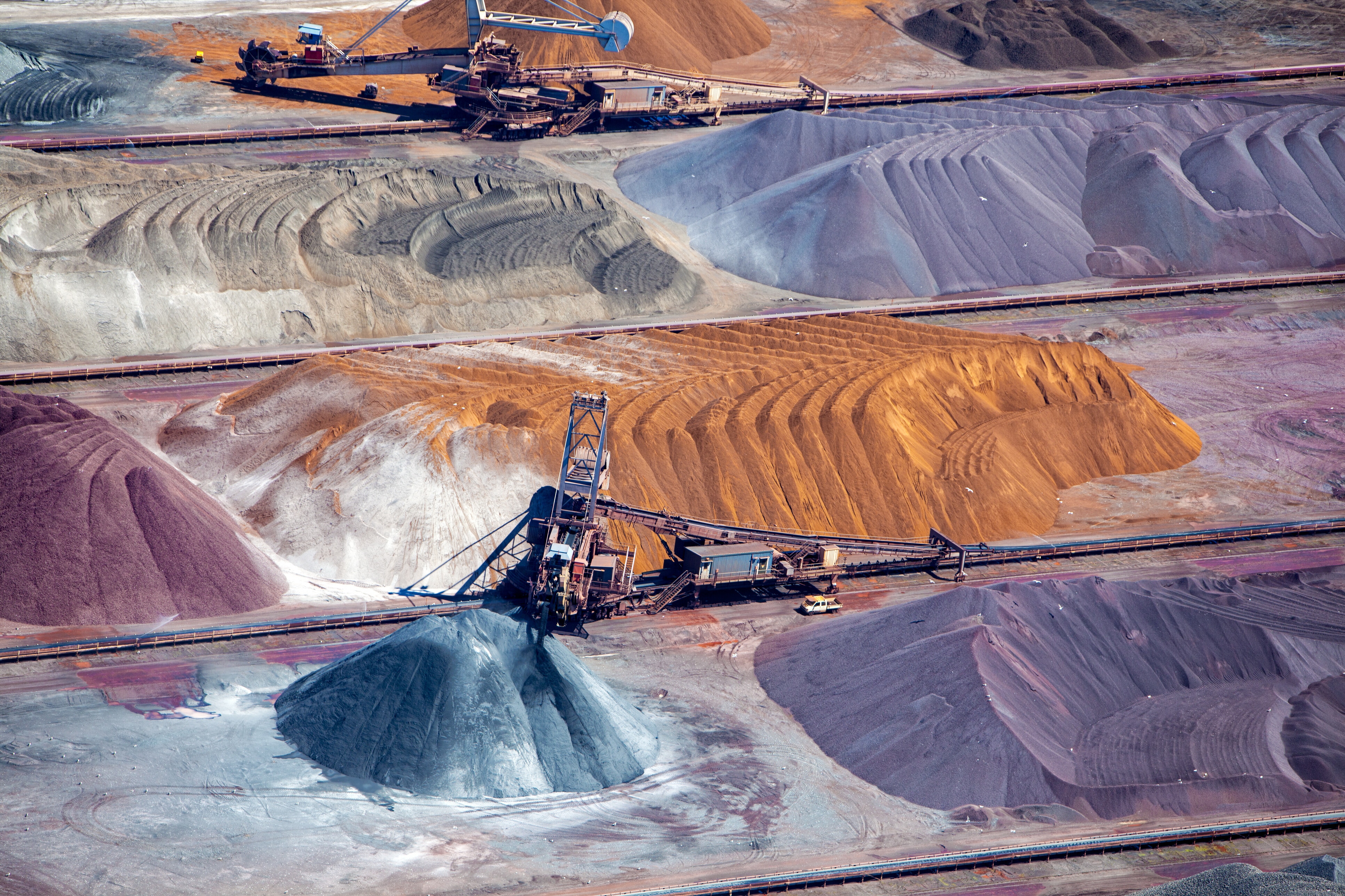
A circular economy could strengthen critical mineral supply chains by reducing reliance on mining. Image: iStock/Opla
- Following COP30, countries are trying to meet growing power demand and boost sustainability by using clean energy technologies.
- A circular economy could create a second supply source for critical minerals used to make these technologies, strengthening the global energy transition.
- At the World Economic Forum's Annual Meeting 2026, participants will discuss how to both protect the environment and drive economic growth.
The world’s energy systems are entering a period of profound transformation. As climate impacts intensify, the November 2025 COP30 meeting in Belém, Brazil reinforced a global consensus that the clean energy transition must accelerate dramatically over the next decade.
Some countries agreed to strengthen their Nationally Determined Contributions (NDCs), commit to clearer timelines for phasing down fossil fuels and scale financing for clean energy and climate adaptation. But, at the same time, COP30 highlighted a critical vulnerability: The world cannot meet its expanded renewable and electrification targets without a vastly more resilient and sustainable supply of critical minerals.
Batteries, electric vehicles, solar and grid technologies will be major contributors to future demand growth for lithium, nickel, cobalt, graphite and rare earth elements, according to the International Energy Agency’s Global Critical Minerals Outlook. But supply remains heavily concentrated in a handful of countries and companies.
As a result, energy security and supply chain resilience will become central pillars of post-COP30 industrial strategy.
Boosting clean energy supply chains?
As the clean energy transition accelerates, pressures including price volatility, restrictive trade measures, tightening environmental standards and delays in new mining projects will make it increasingly difficult to meet critical mineral demand through primary mining alone. So, as more countries rely on their own clean energy resources, the stability of critical mineral supply chains will become a strategic national and industrial priority, not just a corporate concern.
Recovering and recycling metals from resources traditionally treated as waste, such as end-of-life solar panels, batteries and industrial by-products, could create a more stable supply of lower-risk material flows. This would strengthen supply chain resilience while directly contributing to COP30-aligned goals for emissions reduction, biodiversity protection and resource efficiency.
A circular economy approach would go beyond traditional recycling to create a second major supply source for the clean energy era. By dispersing geographic concentration of mineral resources, circular supply would help to create a more secure foundation for the global energy transition.
How a circular economy creates a competitive advantage
The circular economy can strengthen environmental resilience and create a competitive advantage, both industrially and geopolitically, in several ways:
1. Lower emissions and compliance with global carbon standards
Recycling-based metal recovery can significantly reduce greenhouse gas emissions compared with conventional mining. Recycled critical minerals such as nickel, cobalt and lithium incur, on average, around 80% less greenhouse gas emissions than primary materials produced from mining, according to the International Energy Agency. As countries and regions continue to tighten emissions regulations, low-carbon supply chains will drive global competitiveness.
2. Reduced exposure to geopolitical and market risks
By sourcing materials from secondary resources rather than relying solely on geographically concentrated primary mines, industries can reduce exposure to policy disruptions, export controls and geopolitical tensions.
3. Alignment with global market trends
Sustainability criteria increasingly shape investment, procurement and regulation. Using high-quality recycled metals across value chains for batteries, EVs, semiconductors and solar panels will allow suppliers to reach a wider market looking for more climate-friendly materials.
How to scale a circular economy
A circular economy can simultaneously advance industrial competitiveness, energy security and emissions reduction. But scaling it will require more than corporate action. Governments and industries must collaborate on governance systems that enable circularity at scale.
National systems for end-of-life product collection and movement will create efficient pathways for gathering, transporting and processing used batteries, solar modules, electronics and industrial residues, for example. Investment in recycling and refining infrastructure will also help to transform secondary resources into reliable, high-purity inputs for advanced manufacturing.
Clear and trusted regulatory frameworks can establish standards for recycled material quality, cross-border movement of secondary resources, carbon accounting and producer responsibility systems. This is vital to building market confidence and accelerating private-sector investment.
It’s also important that technology and innovation are treated as enablers. High-efficiency, low-emission processes and advanced technologies are crucial for treating complex waste streams. Governments, companies and international institutions must collaborate to accelerate innovation and adoption in this area.
If policy, technology and market incentives can align in this way, the circular economy can underpin industrial strategy, rather than being a peripheral environmental initiative.
The future of clean energy competitiveness
The success of the global clean energy transition will depend in part on how quickly new technologies are deployed. But it will also depend on how intelligently and reliably the critical minerals that enable those technologies can be circulated.
Countries that embed the circular economy into their governance, supply chain strategy and industrial policy – while also strengthening global cooperation between the public and private sectors – will define the future of clean energy competitiveness.
A circular, resilient and low-carbon resource system is a core pillar of sustainable growth, a prerequisite for meeting global climate commitments and a shared responsibility that requires international, cross-sector collaboration at every level.
Don't miss any update on this topic
Create a free account and access your personalized content collection with our latest publications and analyses.
License and Republishing
World Economic Forum articles may be republished in accordance with the Creative Commons Attribution-NonCommercial-NoDerivatives 4.0 International Public License, and in accordance with our Terms of Use.
The views expressed in this article are those of the author alone and not the World Economic Forum.
Stay up to date:
Circular Economy
Related topics:


Forum Stories newsletter
Bringing you weekly curated insights and analysis on the global issues that matter.
More on Energy TransitionSee all

Renée van Heusden
April 6, 2026


