AI can be harnessed to protect nature and strengthen food security. Here's how
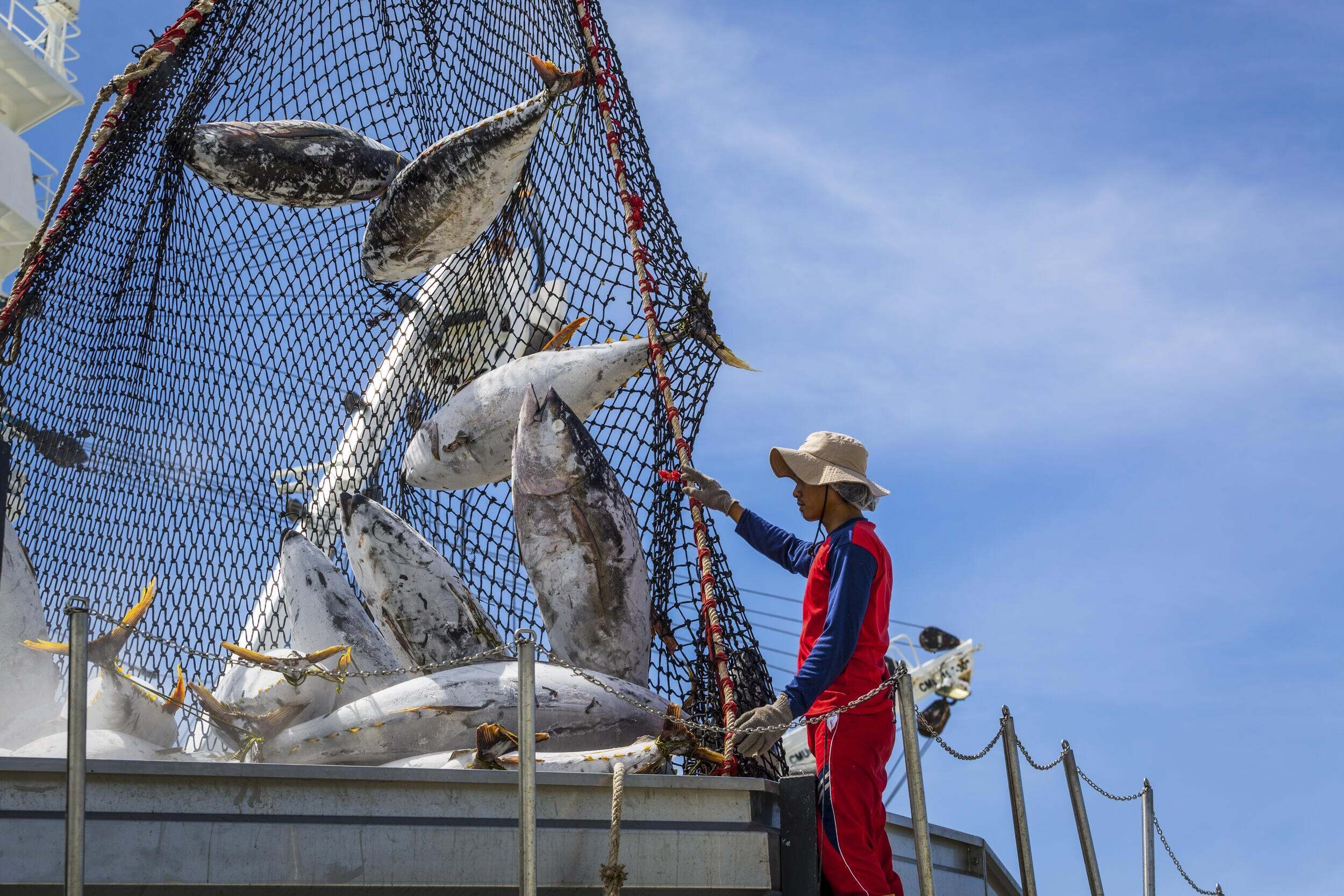
Big data and AI hold significant potential for reshaping the future of food systems. Image: Jason Houston
- From the ocean to farmland, big data and AI promise breakthroughs in protecting resources, preserving local jobs and sustaining cultural traditions.
- Through partnerships across the world, the capacity of AI to scale food system transformation extends beyond the sea to dry land.
- We have the tools to bolster the food systems we all depend upon. Now, we must deploy them with the urgency this moment requires.
Food systems, on land and at sea, are foundational to global economies and human flourishing. They are sources of livelihood for millions of people and provide nutrition for everyone on the planet. Yet today, these systems are under pressure, making their sustainability critical for both economic stability and the wellbeing of people around the globe.
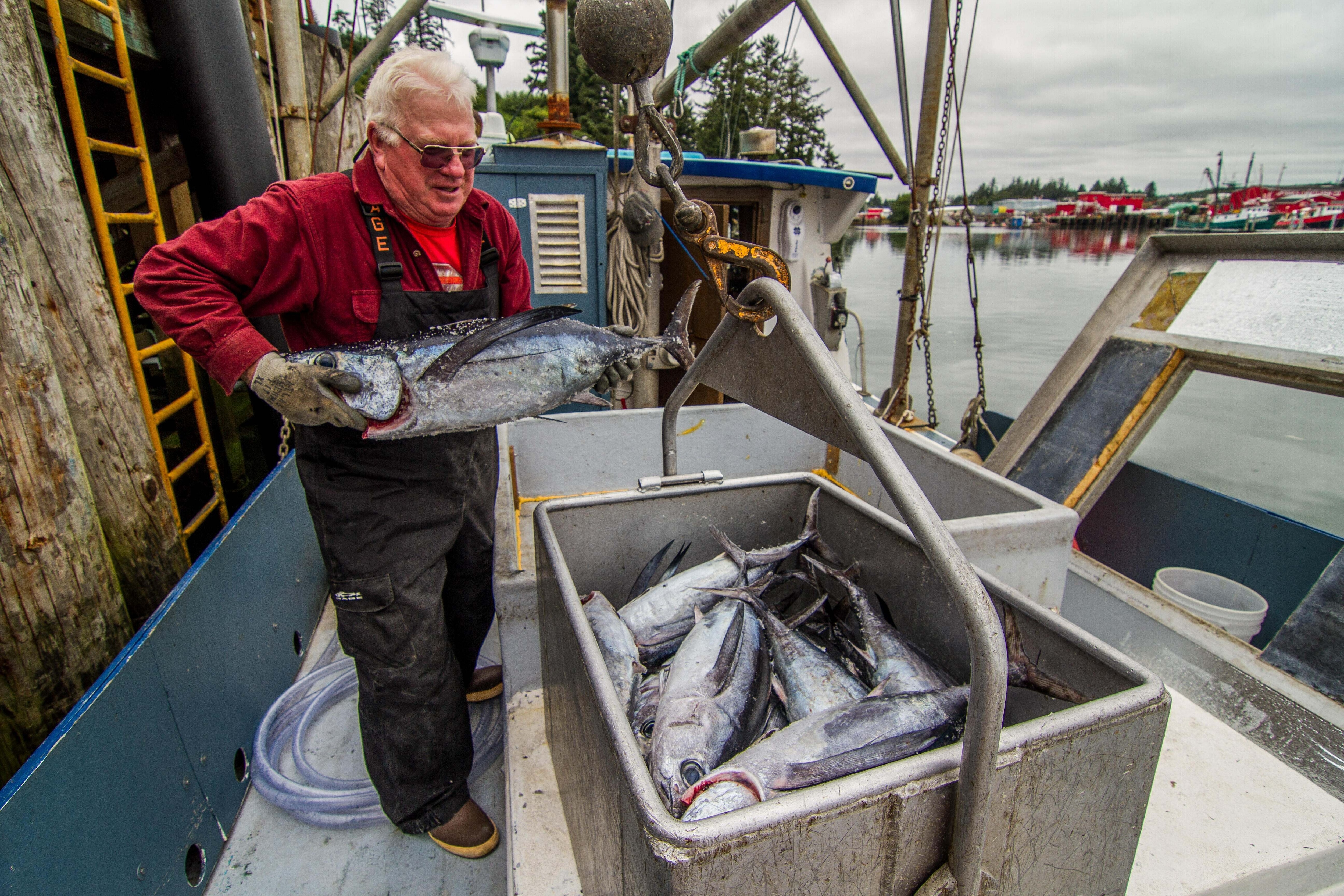
For example, in the Marshall Islands, fishing communities have depended on marine ecosystems to supply tuna not only for themselves, but for international markets. This is a generational industry that, unfortunately, is being strained by overfishing, underreporting of catches, and changing oceanic conditions due to rising temperatures. When these threats diminish the vitality of fisheries, communities suffer first, then global supply chains. Eventually, we all bear the cost.
Ambitious policies and pledges have been advanced in recent years to mitigate these threats, and they reflect a genuine understanding of what’s at stake. With increased availability and the capability of artificial intelligence (AI) tools, combined with community leadership and domain expertise, we have a renewed opportunity to monitor and protect the food systems that sustain us and achieve the policies that have been set forth.
The Nature Conservancy is seizing that opportunity. With industry partners, governments and multinational coalitions, The Nature Conservancy is pursuing innovative strategies to strengthen oversight of fishing activities using electronic monitoring and AI, restructure supply chains, and integrate fisheries with marine spatial planning. These efforts aim to build healthier and more sustainable tuna fisheries by reducing bycatch of vulnerable species, curbing illegal, unreported and unregulated (IUU) fishing, and improving socio-economic returns for Pacific Island nations.
For agriculture, rapid advances in AI alongside other technologies, such as satellite Earth observations, GPS, cameras, sensors and cloud compute, are transforming our capacity for monitoring food systems on a near-real time basis, bringing much needed visibility.
At the Microsoft AI for Good Lab, we collaborate with partners across the globe to leverage these technological advances and co-develop applications and monitoring systems that support agricultural and food security decisions at local and regional scales, including during natural disasters such as droughts or floods, or in conflict impacted areas, where ground-truth information is hard to obtain.
For example, the AI for Good Lab collaborated with The Nature Conservancy and farmers in India to track the adoption of climate-smart rice practices – an important intervention given rice’s significant contribution to global greenhouse gas emissions and freshwater use. We are also working with the government of Kenya to map the impact of the major 2023 flooding on croplands across the country.
We collaborate with humanitarian and development organizations, governments and NGOs, including through our close partnership with NASA Harvest, to develop scalable methods and build tools that strengthen agricultural estimates, resilience, insurance programmes and early warning systems. These collaborations underscore the transformative potential of AI for food security and agricultural applications when co-developed with and driven by practitioners, whether they are policy makers, humanitarian organizations or farming cooperatives.
Today, across sectors, we are just beginning to scratch the surface of what is possible to convert vast amounts of information into timely, actionable decisions for the protection of marine and terrestrial food systems. We have the tools to bolster the food systems we all depend upon. Now, we must deploy them responsibly and with the urgency this moment requires.
Don't miss any update on this topic
Create a free account and access your personalized content collection with our latest publications and analyses.
License and Republishing
World Economic Forum articles may be republished in accordance with the Creative Commons Attribution-NonCommercial-NoDerivatives 4.0 International Public License, and in accordance with our Terms of Use.
The views expressed in this article are those of the author alone and not the World Economic Forum.
Stay up to date:
Agritech


Forum Stories newsletter
Bringing you weekly curated insights and analysis on the global issues that matter.
More on Climate Action and Waste Reduction See all

Laetitia Gardé and Marc Delobelle
February 26, 2026


