Malaysia adopts the Transitioning Industrial Clusters framework – here's what that means
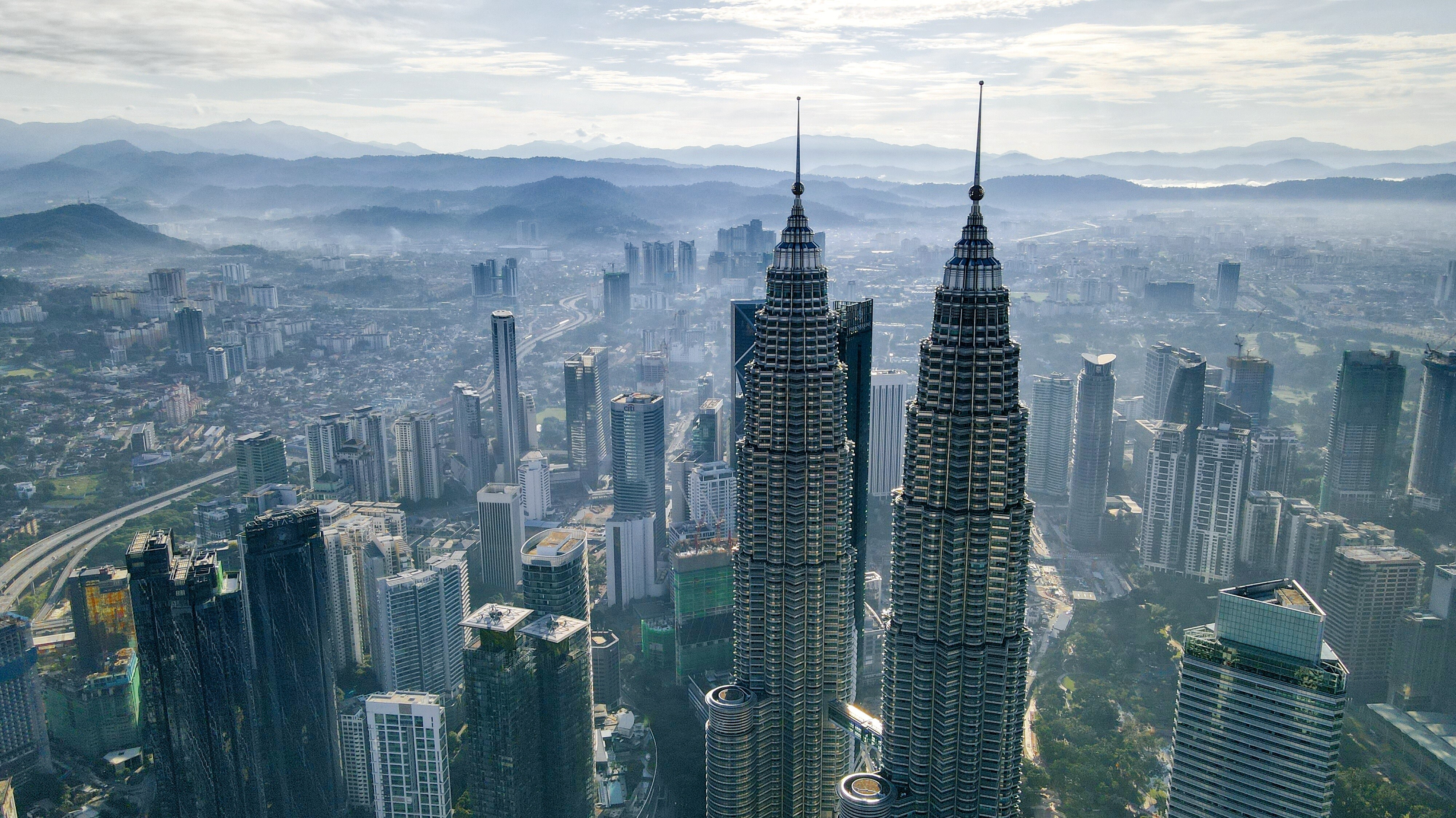
Industrial clusters emerge as key drivers of national growth Image: Getty Images
- Despite their potential, many industrial clusters face challenges, including unclear growth strategies, fragmented governance structures and limited focus on shared business cases and digitalization efforts.
- The Transitioning Industrial Clusters (TIC) initiative unites the world’s largest community of industrial clusters around a vision for economic growth, job protection and carbon dioxide emission reduction.
- Four years on, Malaysia’s government agreed to adopt the TIC framework as a national agenda.
A global industrial transformation is underway. Rising energy demand, shifting geopolitics and new technologies are reshaping industrial ecosystems. Energy security and industrial competitiveness now go hand in hand, yet investment in clean energy remains far below what is needed. Establishing competitive industrial clusters is essential to bridge this gap.
Launched at the 2021 United Nations Climate Change Conference (COP26) by the World Economic Forum, in collaboration with Accenture and EPRI, the Transitioning Industrial Clusters initiative has grown to 40 industrial clusters across 20 countries, to become the largest community of its kind globally.
Well-organized industrial clusters – geographic areas where co-located companies and public institutions collaborate – present an immediate opportunity for transformative action. By sharing infrastructure, resources and risks, industrial clusters can achieve greater efficiency and collective impact.
But despite their potential, many clusters face challenges, including unclear growth strategies, fragmented governance structures and limited focus on shared business cases.
To accelerate industrial transformation through a holistic approach, the initiative has developed the TIC framework, built on four foundational components.
- Balanced emphasis on driving economic, social and environmental value.
- Inclusive consideration of all technologies and processes that support carbon dioxide equivalent (CO2e) emissions reduction.
- Cross-sectoral collaboration within and across industry, public sector, financiers, labour and community stakeholders.
- Coordinated, agile strategies between partnership, policy, financing and technology enablement and deployment.
Why did Malaysia adopt the TIC framework?
In June 2025, Malaysia adopted the TIC framework as a national agenda to drive green economic growth, open up highly skilled job opportunities and reduce carbon emissions.
Prime Minister Anwar bin Ibrahim said: "The Malaysian Government agreed to adopt TIC as national agenda as it is a strategic move that unites companies and public institutions to drive green economic growth, open up highly skilled job opportunities and reduce carbon emissions."

This milestone, achieved in collaboration with the Malaysia Centre for the Fourth Industrial Revolution (MYCentre4IR), reflects over a year and a half of sustained engagement in the country, including virtual and in-person events across key industrial hubs such as Johor and Sarawak to build a shared vision.
It affirms the Forum’s ability to foster national and regional public-private collaboration and shape cutting-edge thinking on industrial cluster development.
With this national endorsement, MYCentre4IR has been mandated by the prime minister to coordinate federal and state agencies and develop a unified proposal to accelerate Malaysia’s industrial cluster transitions.
Key priorities will include:
- Developing state-level industrial cluster strategies that align federal ambitions with each state’s economic strengths, ensuring more coherent planning, investment readiness and long-term competitiveness.
- Formalizing the governance structure and transition roadmap for the Bintulu cluster in Sarawak, enabling clear roles, decision-making pathways and an investable project pipeline to support its 2026 launch cycle.
- Scaling the TIC framework adopted in Bintulu across additional strategic clusters, each selected for its national economic importance and potential for low-carbon industrial growth.
Malaysia’s key industrial hubs
Malaysia’s key industrial hubs each play a distinct role in advancing the nation’s sustainable, technology-driven growth agenda.
Sarawak: Green petrochemical hub
Anchored in the state of Sarawak, the Bintulu cluster leverages abundant renewable resources and a mature petrochemical ecosystem to position Malaysia as a leader in green molecules production. The cluster focuses on:
- Integrating green molecules and green electrons into existing petrochemical value chains, enabling low-carbon feedstocks and cleaner production pathways.
- Advancing industrial symbiosis between petrochemical, hydrogen and downstream manufacturing activities.
- Finalising a state–federal governance model to support coordinated planning and enable an aligned 2026 project launch cycle.
Johor: Sustainable data centre and artificial intelligence (AI) ecosystem
Johor is rapidly becoming one of Southeast Asia’s core digital and hyperscale clusters. The TIC strategy focuses on:
- Integrating low-carbon and renewable energy into data centre expansion.
- Deploying digital twins to optimize cooling, reliability and resource use.
- Strengthening Johor’s role as a regional sustainable AI hub.
- Enabling downstream growth in cloud services, AI and digital content services and high-value analytical AI data processing.
Selangor: Manufacturing cluster
Selangor’s broad manufacturing base offers significant potential for long-term ecosystem strengthening. Early TIC work focuses on:
- Exploring opportunities to uplift overall industrial capabilities through smart manufacturing programmes.
- Identifying areas where shared support or coordination may enhance competitiveness.
- Encouraging progressive improvements across the wider manufacturing landscape by identifying toolkit deployments (e.g. Lumina).
Penang: Semiconductor, electrical and electronics (E&E) industries
Penang’s semiconductor and E&E ecosystem continues to evolve as part of a growing regional corridor. TIC discussions centre on strengthening overall ecosystem readiness and exploring pathways for sustained, high-value industrial growth.
- Support ongoing ecosystem development and resilience.
- Enhance coordination across upstream and downstream activities.
- Explore shared pathways for sustaining high-value industrial growth over time.
This strategy will enhance Malaysia’s industrial competitiveness, deepen participation in regional value chains, and position the country as a leading hub for sustainable and technology-driven industrial development in Southeast Asia.
What is the impact of the TIC initiative?
The TIC initiative convenes the world’s leading public and private industrial stakeholders at various stages of ambition and development to align on the components required to competitively apply for funding, secure regulatory support and launch full-scale development activities to transition industrial clusters successfully.
The initiative delivers tangible outcomes across three levels of impact – policy, cluster and project – demonstrating how collaborative action can translate strategic dialogue into national adoption, industrial transformation and on-the-ground implementation.
Each level reinforces the others, creating a scalable model that can be replicated across countries, regions and industry clusters to strengthen competitiveness.
Therefore, TIC enables Malaysia to respond effectively to shifting global market forces. By strategically adopting high-impact technologies, industrial clusters can transform into engines of green growth and drivers of global competitiveness.
Don't miss any update on this topic
Create a free account and access your personalized content collection with our latest publications and analyses.
License and Republishing
World Economic Forum articles may be republished in accordance with the Creative Commons Attribution-NonCommercial-NoDerivatives 4.0 International Public License, and in accordance with our Terms of Use.
The views expressed in this article are those of the author alone and not the World Economic Forum.
Stay up to date:
Energy Transition


Forum Stories newsletter
Bringing you weekly curated insights and analysis on the global issues that matter.
More on Energy TransitionSee all

Renée van Heusden
April 6, 2026


