New era of performance marketing: How brands are repositioning for agentic engine optimization (AEO)
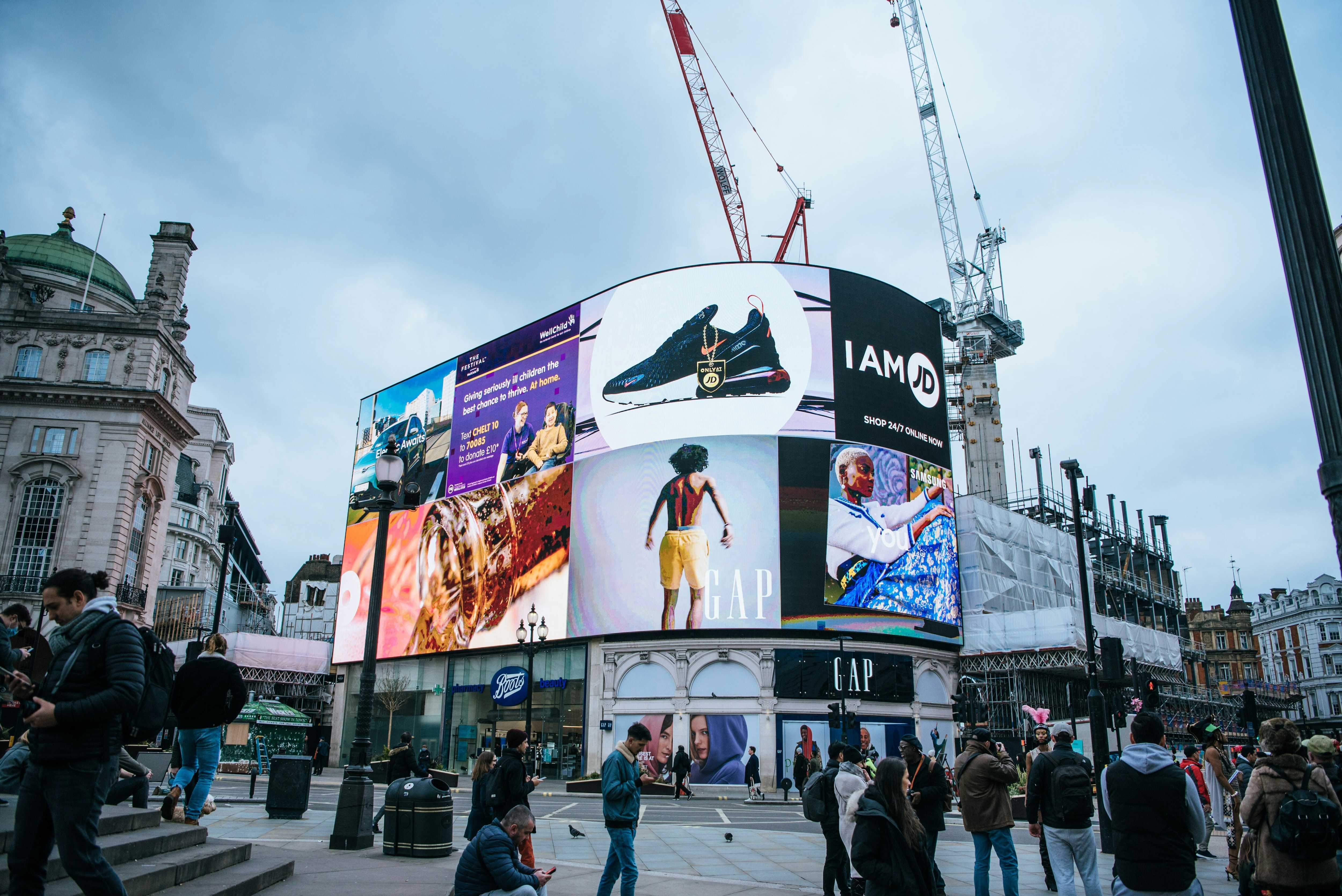
Brands need to rethink how they reach people in the age of AI Image: Photo by Tânia Mousinho on Unsplash
- Search engine optimization (SEO) is no longer the name of the game – it's now agentic engine optimization (AEO).
- For brands, this means shifting from marketing in broad segments to marketing in moments, personalizing interactions based on real-time intent, rather than static demographics.
- Leaders are gathering at the World Economic Forum Annual Meeting 2026 to explore how the ethical use of AI and other emerging technologies will translate into solutions for real-world challenges.
Planning a trip used to take a million steps. Book a travel consultant or look up dozens of reviews on a bunch of websites for tours. Check Yelp, Google Maps, Beli and all the lifestyle magazines for recommendations on where to eat and what’s worth seeing. Argue with your family on whose interests to prioritize – the history buff or the thrill-seeker.
Enter AI.
'Give me a five-day itinerary across Tokyo, Osaka and Kyoto for five people interested in history, trains, memorable outdoor adventures and sushi, starting at 10 am and ending at 9 pm, with 4-star hotels under $300/night in a central location in each city.' Your large language model (LLM) of choice will spit out a detailed hour-by-hour itinerary in 30 seconds.
Consumers nowadays are looking up the answers to their questions in LLM’s and AI-powered search engines. Indeed, 70% of Americans are using AI in travel planning according to a 2024 Harris Poll/Moneylion report. And, it’s not just travel: 82% of young professionals use AI at work and nearly two in three consumers aged 18-44 said they trust AI for customer service more now than they did a year ago.
What does this trend mean for brands? How can business leaders adapt when AI becomes the norm for discovery?
How the Forum helps leaders make sense of AI and collaborate on responsible innovation
How can AI be used as a brand ambassador?
AI is becoming the front door of brands. Whether a consumer is researching a product, troubleshooting a question or seeking recommendations on your website or on an LLM, AI agents are becoming the first introductory voice of your brand.
This means companies must start designing their own AI agents. Every brand should define their 'AI identity' – everything from the tone, personality and values that an AI agent should embody when speaking to consumers. These AI agents will shape the personalized customer experience for everyone, from consumers visiting your website for the first time to unhappy purchasers who want to return an item. If brands don’t define their brand in AI, the algorithms will do it for them.
What's the best way to understand agentic engine optimization?
Search engine optimization (SEO) is no longer the name of the game – it's now agentic engine optimization (AEO). Search is not dead; consumers are just asking questions differently. People aren't typing 'ballpoint pens' into search bars anymore, they’re asking AI assistants and LLM’s for 'the best pen if I am left-handed and write in cursive.' These models will synthesize answers on the fly based on publicly available content and data.
This means brands need to ensure their brand narratives across all mediums are consistent and machine-readable. While SEO was about ranking high on a results page, AEO is about becoming the answer an AI agent selects and presents in front of an eager and curious consumer. The brands that win this shift will be those whose information is easy for AI models to find, trust and recommend.
How does AI change how brands use consumer data?
AI doesn’t just change how people discover information; it changes how they experience brands altogether. AI can distinguish between an occasional shopper and a loyal customer, between someone browsing casually and someone ready to purchase – and adjust the experience accordingly. It can generate creative assets, test messaging variations and optimize campaigns in a fraction of the time.
For brands, this means shifting from marketing in broad segments to marketing in moments – personalizing interactions based on real-time intent, rather than static demographics. Brands should build dynamic, adaptive customer experiences powered by AI to personalize at scale: allowing messages, offers and products to change as consumer needs evolve.
What's the 'holy grail of marketing' platform?
For decades, companies have been chasing the 'holy grail of marketing' – the perfect ability to deliver the right message to the right person at the right time. But, even with all the data available now, businesses still struggle to use and synthesize insights from all of it.
AI allows brands to unlock the full power of data and unify teams, tools and insights onto a unified orchestration platform. My company, Stagwell, recently announced a partnership with Palantir and Harvard’s OpenDP project, offering an AI-driven platform.
The 'holy grail' platform is a hub capable of sifting through massive datasets, recommending marketing campaigns, creating assets, targeting the right audiences and adjusting strategies in real time. It is the collaborator that will empower marketers and creatives to unlock unlimited ROI. Brands that invest in a 'holy grail' platform will be able to tap into the next era of performance marketing.
How can brands adapt for AI?
In 2026, every brand will need an answer to the questions that determine how they compete in an AI-first marketplace:
- How can I design an AI identity that accurately represents my brand?
- How can I make my brand legible to AI systems?
- How can AI transform everything from internal operations and workflows to external and consumer-facing interactions?
- How can I unify fragmented data and invest in AI-driven orchestration?
- How can I establish governance to ensure AI remains safe, accurate and on-brand?
AI isn’t replacing marketing; it’s redefining what's possible. The businesses that win in the age of AI will embrace new technologies, define their brand with AI agents, deploy AI across every aspect of their business and empower teams with the full power of data and orchestration.
Don't miss any update on this topic
Create a free account and access your personalized content collection with our latest publications and analyses.
License and Republishing
World Economic Forum articles may be republished in accordance with the Creative Commons Attribution-NonCommercial-NoDerivatives 4.0 International Public License, and in accordance with our Terms of Use.
The views expressed in this article are those of the author alone and not the World Economic Forum.
Stay up to date:
Generative Artificial Intelligence
Related topics:

Forum Stories newsletter
Bringing you weekly curated insights and analysis on the global issues that matter.
More on Artificial IntelligenceSee all

Jeremy Jurgens
February 27, 2026