Opinion
How pausing fossil fuel power plant retirements could help the global energy transition
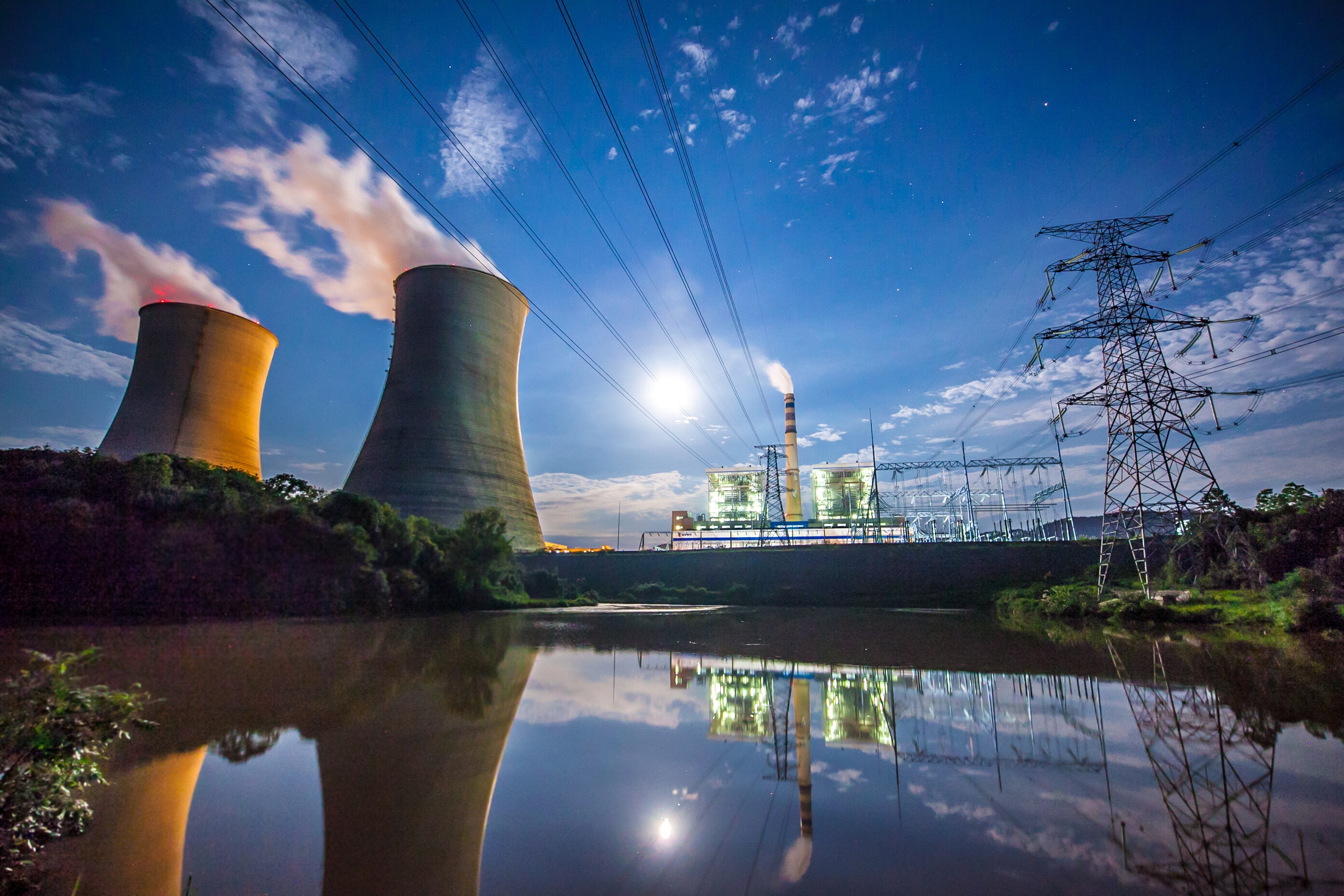
Pausing fossil fuel thermal power plant retirements could help ensure their eventual replacements are an optimal mix of flexible and clean technologies. Image: Getty Images/zhongguo
- Power demand is rising due to increased electrification and greater use of artificial intelligence (AI) and other new energy-hungry technologies.
- Pausing the retirement of some fossil fuel power plants and using existing transmission infrastructure more efficiently would help to maintain economic competitiveness as new energy solutions are deployed to meet this demand.
- At the World Economic Forum Annual Meeting 2026 participants will discuss solutions for both protecting the environment and driving economic growth.
The age of shutting down every retirement-ready fossil fuel-based thermal power plant is over. More efficient use of transmission and grid assets, combined with fossil fuel plant life extensions to assure grid reliability during a handful of hours every year, is now the only rational choice in the current era of accelerating electrification and artificial intelligence (AI) expansion.
The relatively abrupt need to rapidly scale electricity supply around the world necessitates this entirely new approach. Delaying the retirement of old and inefficient plants so they can stay online as mostly limited-use generation for extreme events is one solution. This will reduce lifecycle carbon emissions by avoiding construction of new replacement thermal units that would run far more often. This would help to maintain a successful energy transition while also assuring economic competitiveness and affordability.
Pausing fossil fuel thermal power plant retirements will ensure their eventual replacements are the optimal mix of flexible and clean technologies. It will also give time to update power market rules and protocols so emerging solutions such as battery energy storage have equal access to the grid and can be scaled quickly.
Spare grid capacity exists
The fundamental factor driving this change in perspective and policy is that the existing transmission grid and thermal power plant fleets in countries around the world are under-utilized by design. There is often substantial spare capacity available at nearly all hours and under nearly all conditions due to the intentional redundancy of power grids and utilities.
Using the US as an example, data from its Energy Information Administration shows that hundreds of thousands of megawatts of fossil fuel power plants ran for barely 10-20% of the time during 2023. And while transmission grid utilization rates typically average 50-60% across an entire year, the most stressful times for the grid, with the highest utilization, don’t usually exceed 100 hours annually, or 1% of all hours each year.
Following the swift global deployment of photovoltaic solar in the past decade, the highest-risk times for grid reliability today tend to be during periods of maximum winter “net load”. This is when renewable output is affected by cold, dark weather conditions – known as “dunkelflaute” (dark doldrums) in Germany. In the US, some of the most challenging and politically-fraught operating situations also now happen when unseasonably hot or cold days occur during spring and autumn months, also known as the shoulder season. This is when nearly a third of the entire fleet of thermal power plants may be taken offline for scheduled maintenance.
In some parts of the US, shutting down thermal power plants in an environment where AI-driven demand is creating significant concerns around consumer costs – even if the plants are old, inflexible and lightly-used assets – is already creating political maelstroms.
Existing thermal power plants: a low-cost, quick solution
Cost has also become a factor, of course. In 2025, energy consultancy Grid Strategies calculated that the cost of delaying retirements and keeping thermal power plants online longer would average $89.31 per kilowatt-year (kW-year, a measure of power plant capacity) for near-retirement plants that generally sit in reserve for extreme events. This means that a 500 megawatt (MW) plant at the end of its life would cost $44.6 million per year. Meanwhile, building a new gas-fired power plant costs more than $2,700/kW – or $1.35 billion for a 500 MW plant.
And so, the capital cost alone of replacing an existing thermal power plant (not even including the need to generate positive equity returns) with a new natural gas combined-cycle generator would be around 30 times ($2,700/$89) more expensive than the annual cost of keeping the old fossil fuel plant available for a few more years. And even if the decision is made to build, the CEO of US utility NextEra Energy, John Ketchum, says the company can’t get new thermal gas-fired capacity online until 2032. Lead times can stretch up to five years for critical high-voltage electrical equipment like transformers.
Delaying thermal power plant shutdowns will also prevent market planners and operators from making knee-jerk and politically-motivated decisions. If building new gas-fired generation is deemed to be the primary replacement solution, it could lock in another 50 years of previous-gen fossil fuel infrastructure and the associated lifecycle emissions. The postponement of a (lightly-used) coal plant's retirement by 10 years would allow a window for emerging technologies to quickly scale. This could maintain an eventual low-carbon energy transition path and maximize electricity price affordability in the interim.
In addition to delaying retirements, more efficient use of the existing transmission network is vital to keeping consumers shielded from the cost of unnecessary grid expansion. The deployment of large amounts of instantly responding grid-scale battery storage is already optimizing the operating transmission infrastructure in Australia and the US states of Texas and California. These assets also provide reliable and critical backup of thermal fossil fuel fleets during the high-outage periods of the shoulder seasons.
Combining more efficient use of older assets with distributed deployment of flexible demand-response technologies to optimize transmission flows would allow market operators to quickly and easily open up large amounts of stranded grid capacity. Around the world, the biggest roadblock to this is a lack of regulatory and profit-based incentives. This kind of encouragement could push grid operators and utilities to use existing assets more efficiently instead of only rewarding them for constructing new equipment.
Why delaying fossil fuel shutdowns makes sense
Instead of racing at all costs to shutter ageing fossil fuel plants, let’s consider delaying their retirements so they can stay online as mostly limited-use generation for extreme events. This is a far more cost-effective strategy for meeting heightened reliability concerns at a time of rapid electricity demand growth and spiralling construction costs.
Perhaps more importantly, a pause in thermal power plant shutdowns would buy time for market operators, policy bodies and politicians to see what level of electricity demand growth ultimately materializes from the current AI boom. They could take this time to develop market rules and access routes that encourage the deployment of the most current technology and cost-effective solutions.
A concerted global effort to use power plants and transmission lines built decades ago more efficiently could help to avoid a potentially costly overbuild of unnecessary and quickly outdated infrastructure in this new era of strategically vital electricity supply growth.
Don't miss any update on this topic
Create a free account and access your personalized content collection with our latest publications and analyses.
License and Republishing
World Economic Forum articles may be republished in accordance with the Creative Commons Attribution-NonCommercial-NoDerivatives 4.0 International Public License, and in accordance with our Terms of Use.
The views expressed in this article are those of the author alone and not the World Economic Forum.
Stay up to date:
Energy Transition
Related topics:


Forum Stories newsletter
Bringing you weekly curated insights and analysis on the global issues that matter.
More on Energy TransitionSee all

Samaila Zubairu
March 3, 2026


