Unlocking hidden power: Using AI to drive efficiency and improve energy security
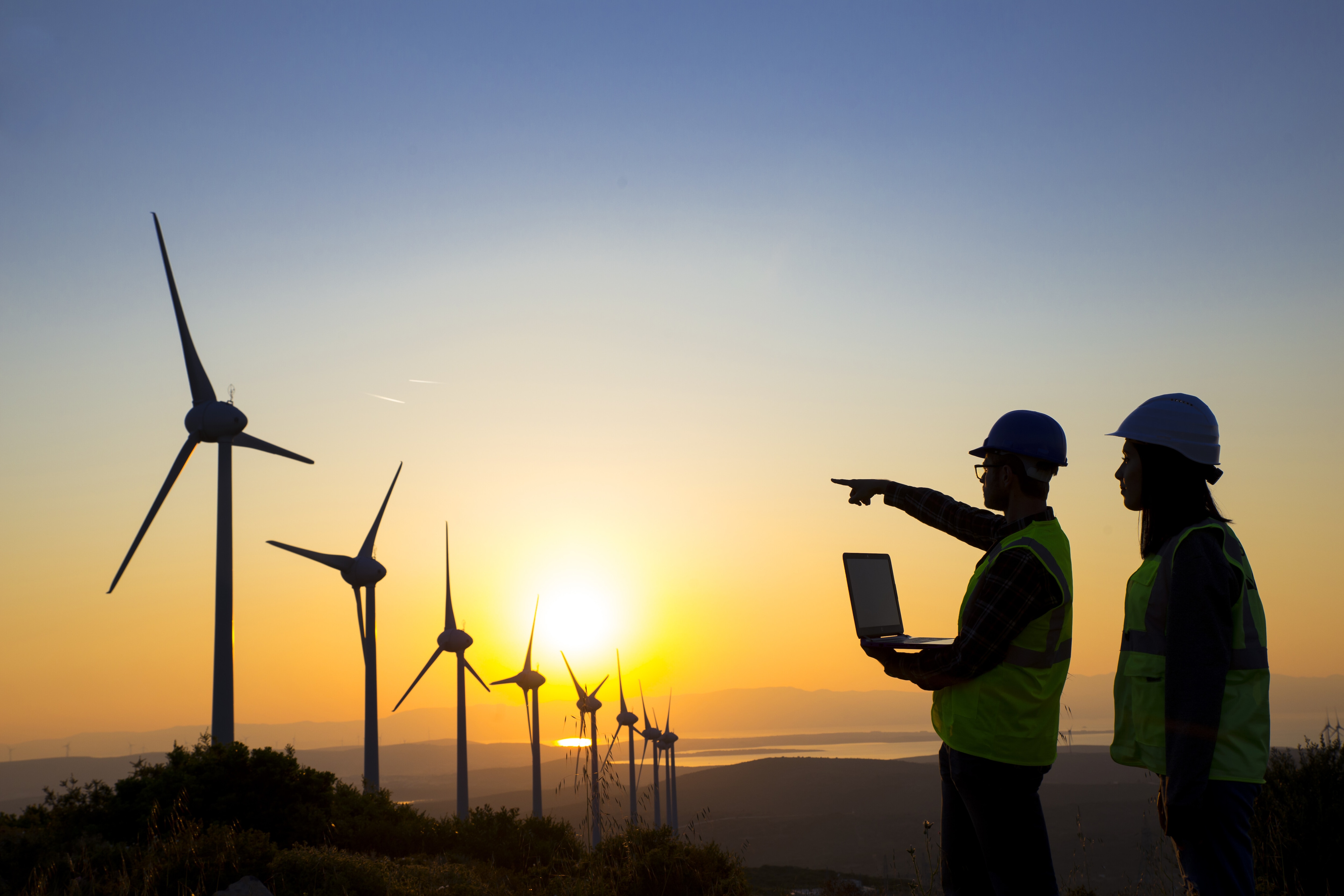
Energy security: Rising power demand means countries must focus on improving power infrastructure within their own borders. Image: Getty Images/BulentBARIS
- Rising energy demand is creating the need to upgrade infrastructure, but for many countries this must be balanced with the overall cost of delivering more sustainable fuels.
- Artificial intelligence tools could help to boost the performance and value of existing grid infrastructure, unlocking hidden capacity and strengthening energy security.
- Leaders gathering at the World Economic Forum Annual Meeting 2026 will discuss how to ensure workforce resilience as the global economy adjusts to meet rising energy demand.
The pursuit of reliable, affordable, low-carbon energy has never been more urgent – or more achievable thanks to artificial intelligence (AI) and digital technologies.
In November 2025, the International Energy Agency’s World Energy Outlook 2025 confirmed that global electricity demand continues to expand. It's growing as a result of increased manufacturing, the use of electric vehicles and the rapid expansion of data centres.
This global energy expansion means countries must focus on securing the power infrastructure within their own borders. The natural response might be to build new infrastructure. But the quickest, most economical way to add power today is to optimize existing assets.
AI-powered tools and advanced digitalization can generate far greater performance and value from existing infrastructure. This would unlock hidden capacity and strengthen energy security for countries around the world.
How to achieve energy security
Meeting rising power demand will require a balanced approach that includes optimizing production of traditional fuels while accelerating the use of sustainable alternatives.
Transition fuels like liquified natural gas continue to support countries that lack access to traditional feedstocks or those looking for stable, lower-carbon options. But renewable and alternative fuels also need to be added to the generation mix – and at a greater rate. Making these solutions economically viable requires a combination of factors, including technological innovation that enables fuel production from a broader range of low-cost feedstocks and supportive regulatory frameworks.
But adding more fuel sources to an ageing grid may pose significant challenges for many countries. A 2022 study quoted by the US Department of Energy, for example, estimates that roughly 200,000 miles of transmission lines will need to be replaced in certain parts of the country over the next decade.
While long-term upgrades are essential, there are short-term, ready-now solutions that can enhance grid stability. This includes advanced battery storage and modernized control systems that improve efficiency and reliability. The need to upgrade infrastructure must be balanced with the overall cost of delivering more alternative and renewable fuels.
The fastest gains will come from optimizing how we use energy every day. As energy systems grow more complex, digitalization is emerging as the connective tissue that links infrastructure, data and people. Every asset generates data and when that data is unlocked and paired with domain expertise and AI, it can drive the shift toward more intelligent operations.
This is the most cost-effective path any nation can take toward genuine energy security. And countries can learn from the private sector by using advanced technologies to maximize energy production and efficiency.
Turning energy data into actionable intelligence
Consider power plants. For decades, operators have been adding digital tools to improve the efficiency, reliability and safety of their assets. This generates massive amounts of data. Today, AI can turn that data into insights that can help to forecast failures before they happen, optimize performance and extend asset life through predictive maintenance.
Connecting all of this data can unlock a new level of operational intelligence too. AI tools can help to augment the knowledge of workers operating these facilities. This will enable energy companies to address skilled labour constraints as experienced operators retire. AI-driven digital controls can help bridge the skills gap so an operator with a few years of experience could perform at the level of someone with more experience. These tools can also simulate once-in-a-career events to ensure that even junior workers can handle them safely and efficiently.
By connecting data and processes across the entire enterprise, companies can improve reliability, increase output, reduce energy consumption and minimize equipment wear. Imagine if a single power plant could increase production by 5% with the help of AI and digitalization tools. Scaling those efficiency benefits across 10 power plants would essentially create 50% net-new power generation without placing a single steel beam in the ground.
Applying this example at the national level would mean that countries looking to secure their power grids could unlock significant hidden production capacity.
The power of connection
No single solution will fully solve the world’s looming power challenge. New generation will still be needed, grids will need to be rebuilt and fuel diversification must continue.
But the fastest, most cost-effective and sustainable gains will come from connection – connecting assets to one another, connecting data to decision-makers and connecting decades of experience to the next generation through tools that amplify their expertise.
When we unlock hidden capacity, we transform existing infrastructure into a new power source. At a time when substantial capital investment and years of construction stand between need and supply, the ability to create new power generation from existing assets may be the closest thing the energy sector has to a quick solution.
Countries that embrace connected solutions will meet power demand faster and build more resilient and efficient energy systems.
Don't miss any update on this topic
Create a free account and access your personalized content collection with our latest publications and analyses.
License and Republishing
World Economic Forum articles may be republished in accordance with the Creative Commons Attribution-NonCommercial-NoDerivatives 4.0 International Public License, and in accordance with our Terms of Use.
The views expressed in this article are those of the author alone and not the World Economic Forum.
Stay up to date:
Artificial Intelligence
Related topics:


Forum Stories newsletter
Bringing you weekly curated insights and analysis on the global issues that matter.
More on Energy TransitionSee all

Namit Agarwal
February 25, 2026


