Why the forest frontier is key to building a new economic model
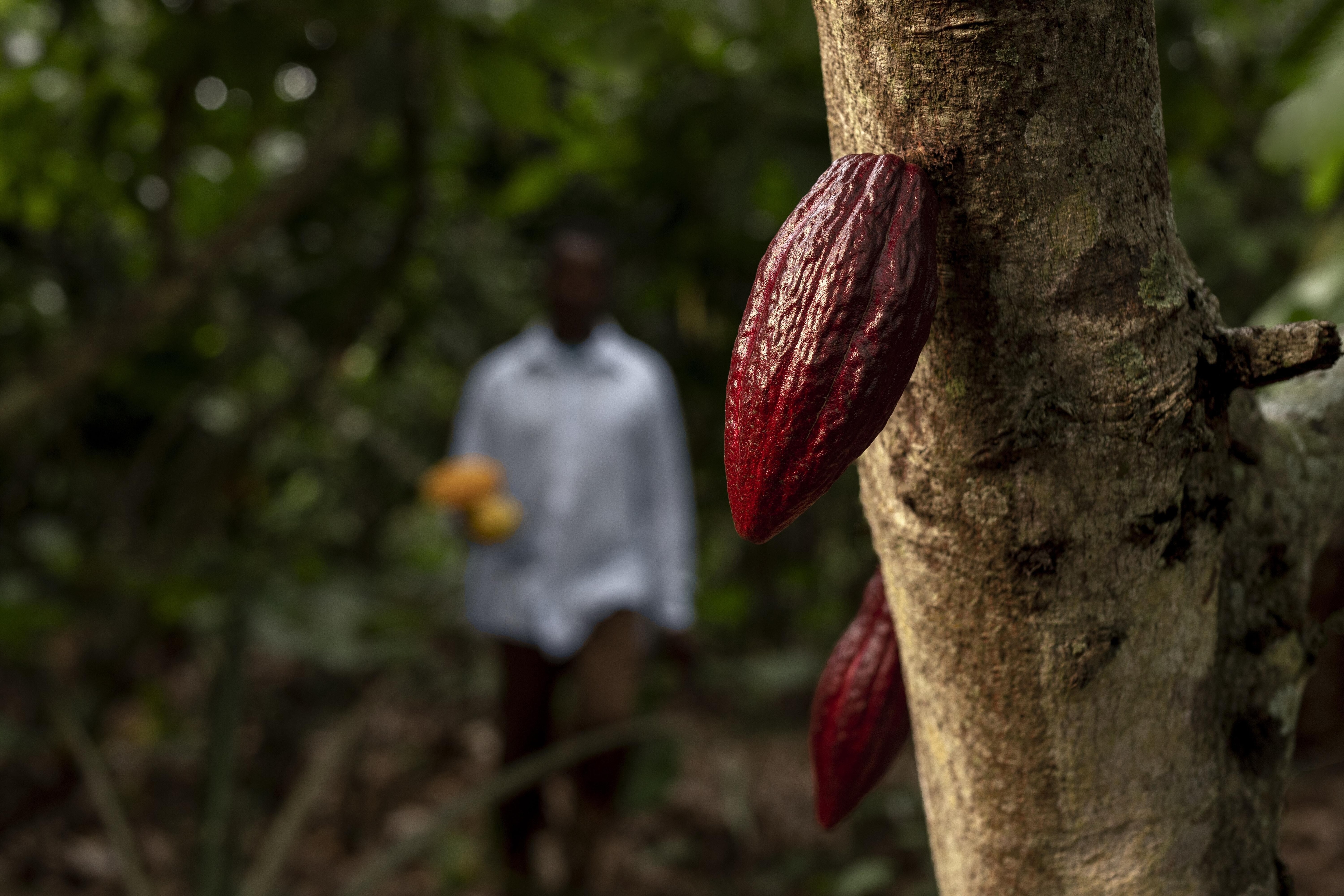
The forest frontier is where forests, agriculture and rural livelihoods intersect. Image: Reuters/Nacho Doce
- Agriculture is a leading driver of deforestation worldwide, but forest frontier landscapes are also where the next production model can emerge.
- Agroforestry systems show how production, conservation and restoration can work together to strengthen rural livelihoods and meet commodity demand.
- Firms investing in deforestation-free supply chains and landscape restoration are protecting both natural capital and long-term supply chain security.
Global agriculture currently drives nearly 90% of tropical deforestation. Yet the same landscapes where forests are disappearing are also essential for producing the very commodities that power global markets.
This dichotomy presents a critical challenge for governments and businesses alike: how to meet rising demand for food, fibre and agricultural commodities while protecting the forests that stabilize the climate and sustain rural economies.
However, it is where forests, agriculture and rural livelihoods intersect - often referred to as the forest frontier - that the next model of production can emerge. It's a model that protects standing forests, restores degraded land and supports long-term economic resilience.
This shift is becoming increasingly visible in practice, from agroforestry systems in the Amazon and Indonesia to private-sector investments in restoration and deforestation-free supply chains.
Indeed, forests are also being recognized as economic infrastructure – natural systems that support supply chains, protect rural livelihoods and enable long-term economic growth. They also absorb roughly 30% of human-generated carbon dioxide emissions each year, making them one of the world's most powerful natural climate solutions.
Forests as economic infrastructure
Forests underpin the environmental systems that make agriculture and rural economies viable.
Tree cover stabilizes soils, preventing erosion that can degrade farmland and infrastructure, while forested watersheds regulate water flows, supporting irrigation systems and hydropower generation. In many tropical regions, forests also reduce flood risks and landslides that threaten roads, settlements and agricultural landscapes.
The most important decisions about the future of forests are being made in landscapes known as the forest frontier, regions where intact forests, smallholder agriculture and commercial production intersect.
Historically, many frontier economies have followed a familiar trajectory: forests are cleared for low-productivity cattle ranching or monoculture crops, land markets remain informal and governance struggles to keep pace with expansion.
These landscapes also represent one of the greatest opportunities for transformation. With the right incentives, forest frontiers can become hubs of sustainable agricultural production, forest restoration and rural economic development.
For companies sourcing commodities such as palm oil, cocoa, coffee, or rubber, these ecosystem services function as natural infrastructure that supports production systems.
When forests are lost, supply chains become more vulnerable to droughts, flooding and declining soil fertility. Protecting standing forests and restoring degraded land is therefore not only a climate priority but also a strategic investment in supply chain resilience.
Restoring degraded land with cacao agroforestry in the Amazon
The Brazilian Amazon is a prime example that highlights both the scale of the challenge and the potential for change.
More than 50 million hectares of pastureland exist in the Brazilian Amazon, much of it degraded after decades of forest conversion. Restoring productivity on these lands offers a major opportunity to reduce pressure on remaining forests.
In recent years, farmers in states such as Pará have begun converting degraded pasture into cacao agroforestry systems, where cocoa trees grow alongside native forest species.
These systems restore soil health, increase biodiversity and improve carbon storage compared with degraded pastureland. At the same time, cocoa production connects farmers to formal global commodity supply chains, providing access to finance, certification and stable markets.
The shift also has broader economic implications. Extensive cattle ranching in frontier regions has often been linked to informal land markets and speculative clearing. By contrast, agroforestry systems tied to formal value chains help strengthen land governance and stabilize rural economies.
Agroforestry and climate-resilient supply chains in Indonesia
Similar transformations are emerging across Southeast Asia. In Indonesia, smallholder agroforestry systems are increasingly used to reconcile commodity production with forest conservation, particularly in cocoa, coffee and palm oil landscapes.
Research from the Center for International Forestry Research shows that diversified agroforestry systems can improve soil fertility, enhance biodiversity and increase climate resilience compared with monoculture farming.
Have you read?
In regions such as Sulawesi, cocoa agroforestry integrates shade trees with crop production, improving soil health and moderating local temperatures, an increasingly important factor as climate change affects crop yields.
These diversified systems enable farmers to generate income from multiple sources, including timber, fruit and spices, reducing vulnerability to climate and market shocks. For companies sourcing commodities from these regions, agroforestry landscapes offer a more resilient production base that can withstand climate variability.
Why companies are investing in forest landscapes
Leading companies are increasingly recognizing that protecting and restoring forests helps secure their supply chains. Why? Because there's a broader shift in corporate thinking. Forests aren't just conservation priorities – they are strategic assets supporting long-term commodity production.
Investing in forests therefore creates corporate value by reducing supply-chain risk and strengthening long-term commodity security.
For example, food and beverage giant Nestlé has committed to achieving deforestation-free supply chains across key commodities such as cocoa, coffee and palm oil. Its sourcing programmes support agroforestry systems, farmer training and landscape restoration, while footwear brand VEJA invests in standing forests and restoration by paying Amazonian rubber tappers for both wild rubber and the social and environmental services they provide.
Such models help make conservation economically more attractive than forest conversion, because standing forests serve as a productive asset that supports both livelihoods and long-term sourcing security.
Collaboration key to transforming forest frontier economies
Transforming forest frontier economies requires coordinated action across sectors.
Governments must strengthen land governance and create incentives for sustainable land stewardship; financial institutions need to mobilize capital for restoration and sustainable agriculture; and companies must continue implementing deforestation-free sourcing commitments, while investing in restoration of landscapes they source from.
Initiatives such as the Tropical Forest Alliance and the Forest Future Alliance are helping to bring these actors together to scale solutions across landscapes and supply chains.
The future forest economy will ultimately be shaped at the forest frontier. By investing in agroforestry, strengthening formal rural economies and recognizing the economic value of ecosystem services, these landscapes can become engines of sustainable development.
For businesses, the opportunity is clear: secure supply chains while protecting and rebuilding the ecosystems that make those supply chains possible.
If the right policies, partnerships and investments are put in place, forest frontiers can become the foundation of a new economic model, one where forests remain standing, rural economies grow and global commodity markets become more resilient.
Don't miss any update on this topic
Create a free account and access your personalized content collection with our latest publications and analyses.
License and Republishing
World Economic Forum articles may be republished in accordance with the Creative Commons Attribution-NonCommercial-NoDerivatives 4.0 International Public License, and in accordance with our Terms of Use.
The views expressed in this article are those of the author alone and not the World Economic Forum.
Stay up to date:
Forests


Forum Stories newsletter
Bringing you weekly curated insights and analysis on the global issues that matter.
More on Nature and BiodiversitySee all

Steve Rochlin and Judith Ketelslegers
March 26, 2026