UN chief says Middle East conflict should accelerate shift to renewables, and other climate and nature news
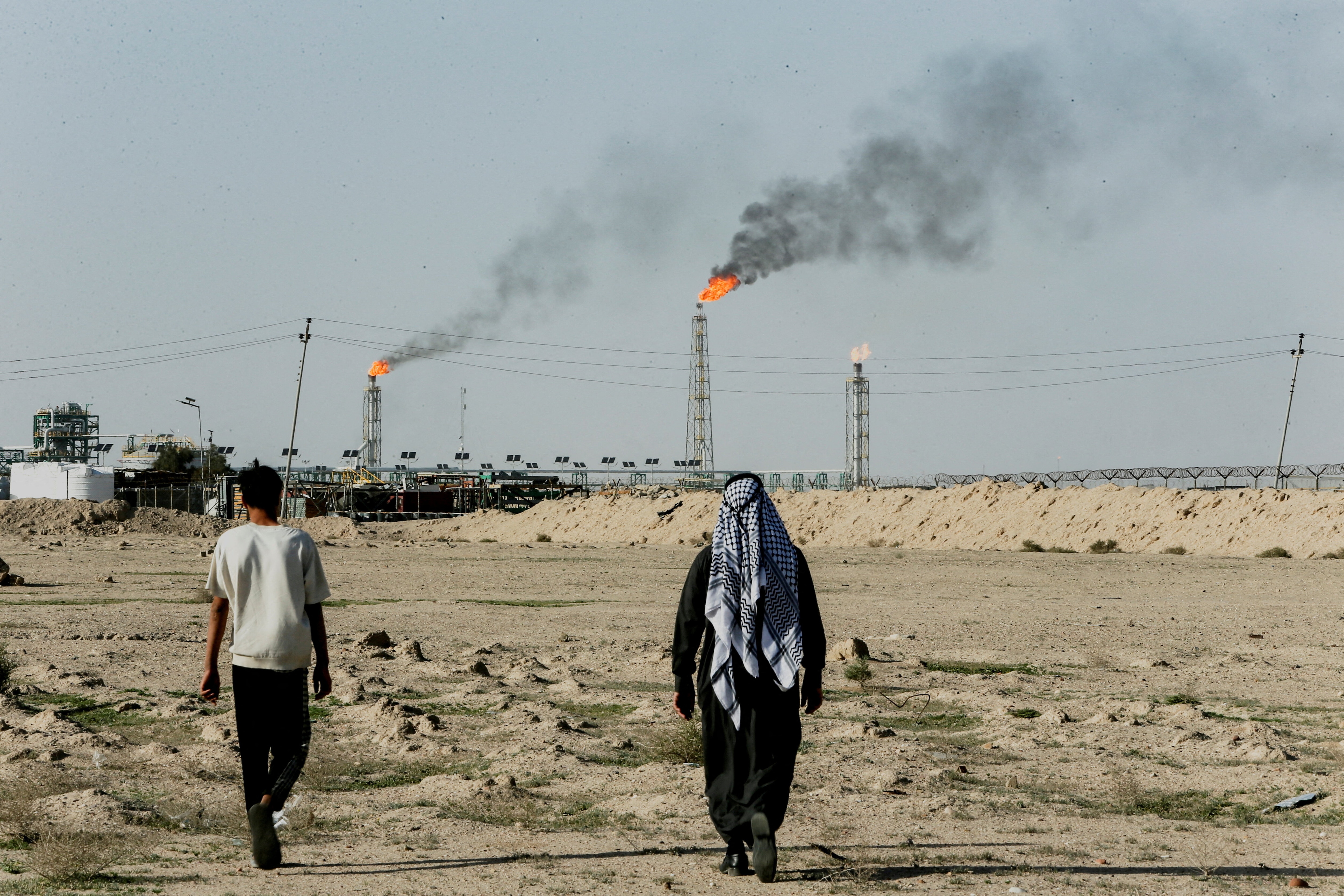
Conflict in the Middle East has caused significant disruption to global energy markets. Image: REUTERS/Essam al-Sudani/File Photo
- This round-up contains the key nature and climate news from the past fortnight.
- Top news: Middle East conflict's impact on fossil fuel dependence; Water insecurity fuels inequality; WMO issues new climate warning.
1. UN chief says Middle East conflict should accelerate exit from fossil fuel dependence
The conflict in the Middle East has exposed vulnerabilities in global energy supplies as key shipping routes and energy infrastructure across the region continue to be affected.
Around a fifth of the world's crude and natural gas supply has been suspended amid attacks on infrastructure and disruption to the Strait of Hormuz, a vital passage for oil and liquified natural gas.
This is a lesson on the risks of economies relying on fossil fuels, Simon Stiell, Executive Secretary, United Nations Framework Convention on Climate Change (UNFCCC), told Reuters in an interview.
If there was ever a moment to accelerate that energy transition, breaking dependencies which have shackled economies, this is the time.
”Import-dependent Asian economies are disproportionately affected by the blockage because the vast majority of the oil and gas delivered via the Strait is destined for these countries.
The conflict has caused widespread disruption across regions and sectors so far, including:
- EU carbon market intervention: To help businesses manage record-high electricity prices, the European Commission is launching a $34.6 billion decarbonization fund and proposing reforms to stabilize its carbon market.
- Aviation fuel costs: Rising oil prices are driving up airline operating expenses; one carrier told Reuters that prolonged regional instability will inevitably translate into increased ticket prices for travellers.
- Resource costs in India: A spike in oil-based polymer prices has led to an 11% increase in bottled water costs – a critical commodity in a nation where 70% of groundwater is estimated to be contaminated.


2. World Water Day: How water insecurity fuels inequality
World Water Day is held every year on 22 March to raise awareness of global freshwater challenges and solutions. This year's theme was Water and Gender, exploring how a crisis that affects the global population doesn't impact all groups equally.
According to the UN, where communities lack water security, inequalities flourish, with women and girls bearing the brunt of the impact.
"Women can be many things at once: mothers, workers, caregivers, leaders," explains UN-Water Chair Álvaro Lario. "When water is unsafe, or far from home, they are the ones expected to carry the burden on top of everything else."
Women's voices and leadership are essential to solving the water crisis, and we must invest in them to ensure services become more inclusive, sustainable and effective, the organization adds.
Explore our explainer below to understand the scale of the global water crisis and the urgent calls for action.

The World Economic Forum's 56th Annual Meeting in Davos, in January 2026, convened leaders to spur progress across three critical dimensions: freshwater access and management, blue food security and ocean protection. Find out more about the challenges facing global water security in the session below from AM26 - Water in the Balance.
3. News in brief: Other top nature and climate stories
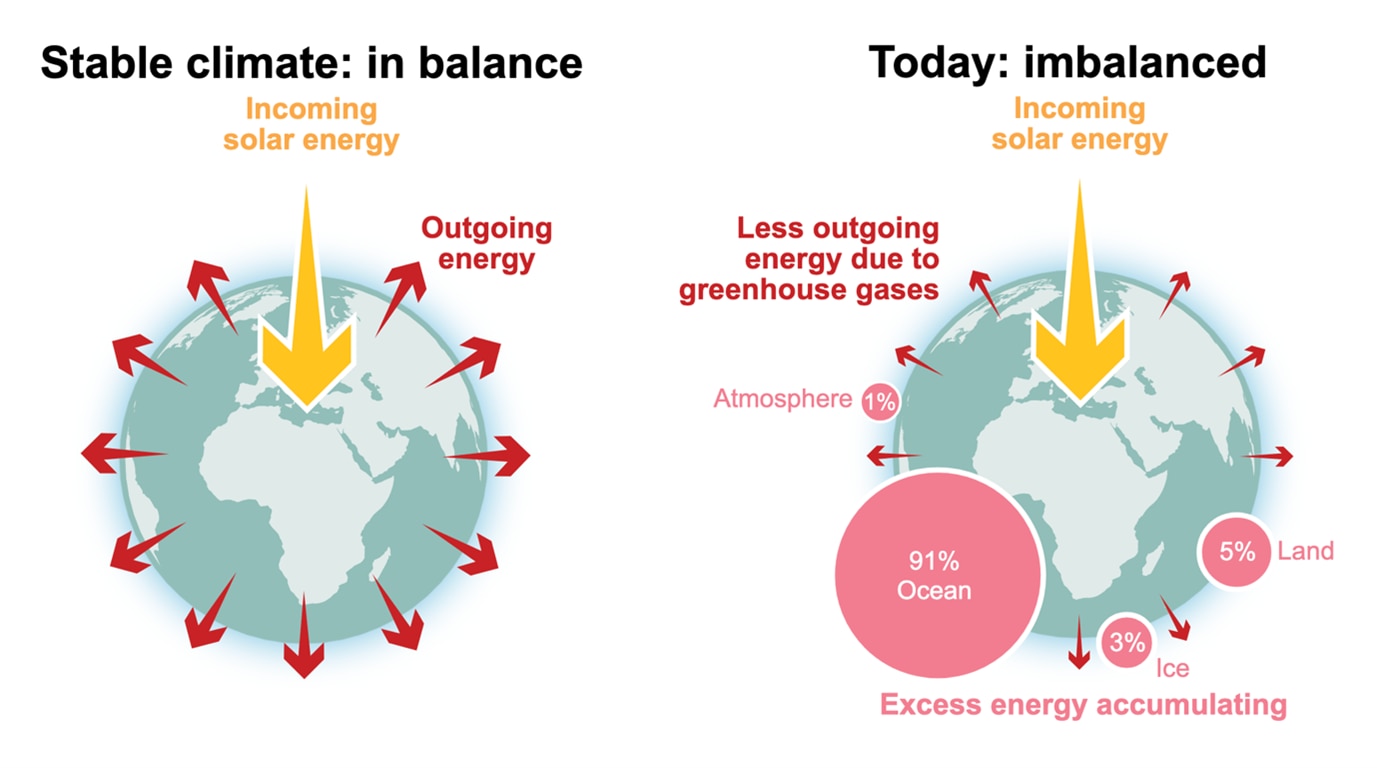
WMO issues new warning: Earth’s climate swings are "increasingly out of balance", finds a new report from the World Meteorological Organization (WMO). Our planet is gaining more heat energy than it is releasing, it says, causing an imbalance greater than any in observed history. UN Secretary-General António Guterres warned that "Planet Earth is being pushed beyond its limits. Every key climate indicator is flashing red."
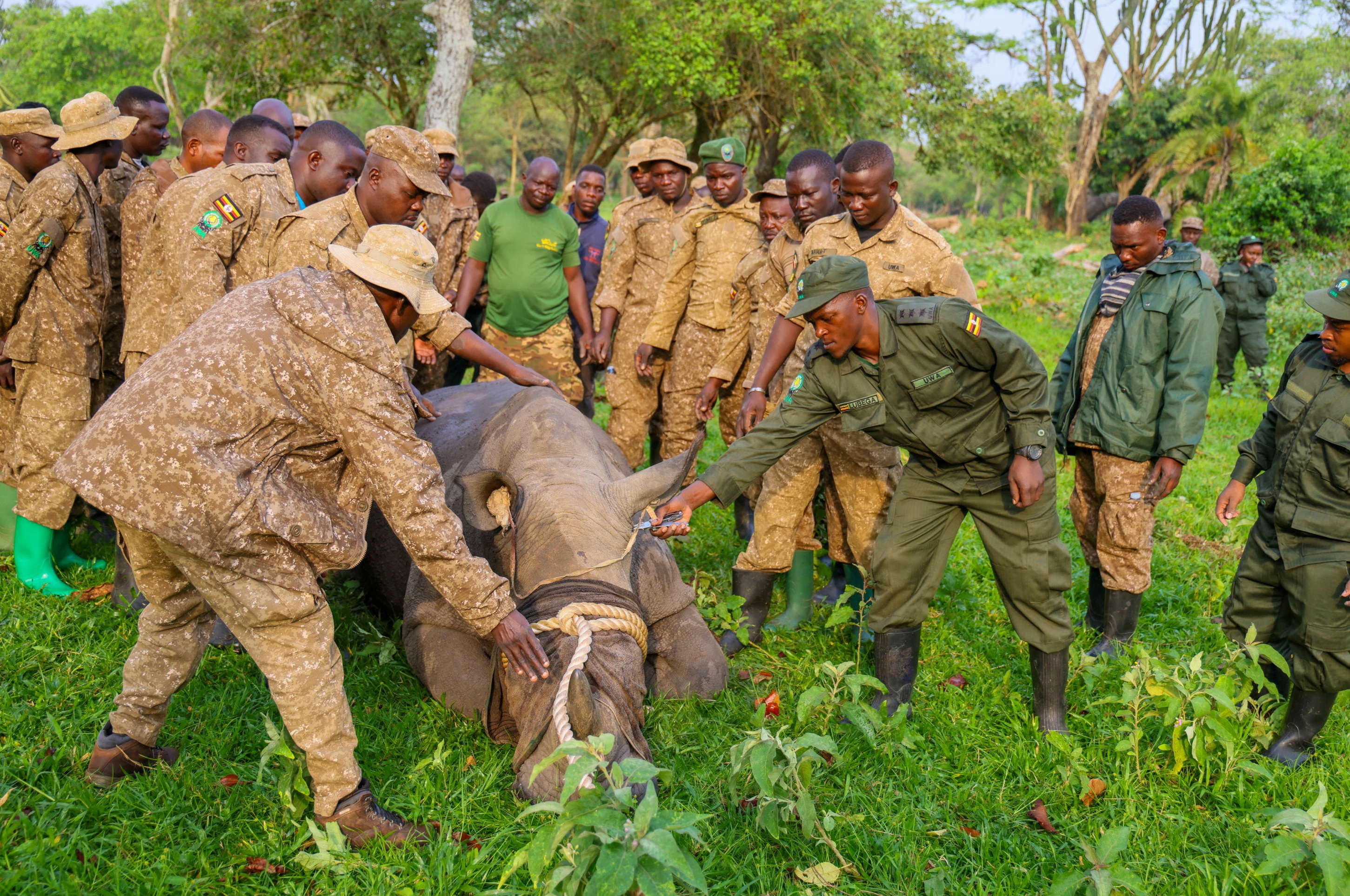
Rhinos return to Kidepo Valley after 43 years: For the first time since 1983, rhinos are back in Uganda’s Kidepo Valley National Park. The first two southern white rhinos arrived on 17 March, from the Ziwa Rhino Sanctuary, marking the start of a phased project to relocate eight animals and restore the park’s "Big Five" status.
Caribbean nations unite in $200 million environmental push: Twelve island countries are jointly raising the funds to protect biodiversity, arguing that a coordinated regional approach will deliver greater impact than previous donor-led funding, which often duplicated efforts or missed local priorities. Small Island Developing States worldwide need around $12 billion in annual funding to adapt to the effects of climate change, yet they receive just $2 billion, according to the Global Center on Adaptation.
Two men charged over smuggling 2,000 live ants: A Chinese national was arrested at Nairobi's main airport attempting to smuggle over 2,000 live ants out of Kenya, with a second man charged for supplying live ants to foreign traffickers linked to a separate seizure in Bangkok. These ants were likely to be used in a private formicarium, an ant nest designed for observation of colonies.
Claims from extreme weather rising in 2026: Insured losses are projected to rise to $148 billion this year, finds a report from Swiss Re. Under a peak-loss scenario, this figure could increase to $320 billion, up from a record-breaking $107 billion in 2025.
4. More on the nature and climate crisis from Forum Stories
Where investors can find more than 50 nature-positive opportunities: The nature-positive transition represents $10.1 trillion in annual opportunities by 2030, but investment is still flowing the opposite way. In 2023, $7.3 trillion was invested in activities harmful to nature, vastly outpacing the $220 billion invested in nature-based solutions. A new Forum and Oliver Wyman report, 50 Investible Opportunities for a New Nature Economy, maps 50+ opportunities across 13 sectors, showing how financiers can scale them using familiar tools like corporate lending, project finance and sustainability-linked products.


How the aviation sector can cut emissions this decade: Aviation remains committed to net‑zero by 2050, but faces higher costs, geopolitical tensions and policy uncertainty that slow progress towards decarbonization. A new Forum report, Global Aviation Sustainability Outlook 2026, includes insights from an array of senior aviation executives, highlighting how a more pragmatic approach to sustainability is set to dominate industry discussions during 2026.
Why are sustainable choices so hard to make as a consumer? If up to 80% of people say they’ll pay more for sustainable products, why do conventional goods still dominate? The gap is more about market design than consumer commitment, says this expert. Price premiums feel immediate, environmental benefits feel distant and retail defaults favour familiar brands. Without trusted standards and aligned incentives, sustainable options remain the harder choice. Turning awareness into action means making the sustainable option visible, affordable and reliable. Here are a few ways to make sustainable choices easier for consumers.
License and Republishing
World Economic Forum articles may be republished in accordance with the Creative Commons Attribution-NonCommercial-NoDerivatives 4.0 International Public License, and in accordance with our Terms of Use.
The views expressed in this article are those of the author alone and not the World Economic Forum.
Related topics:

Forum Stories newsletter
Bringing you weekly curated insights and analysis on the global issues that matter.
More on Climate Action and Waste Reduction See all

Darlington Sibanda
March 25, 2026


