World on course to breach 1.5°C before 2030, and other climate and nature news
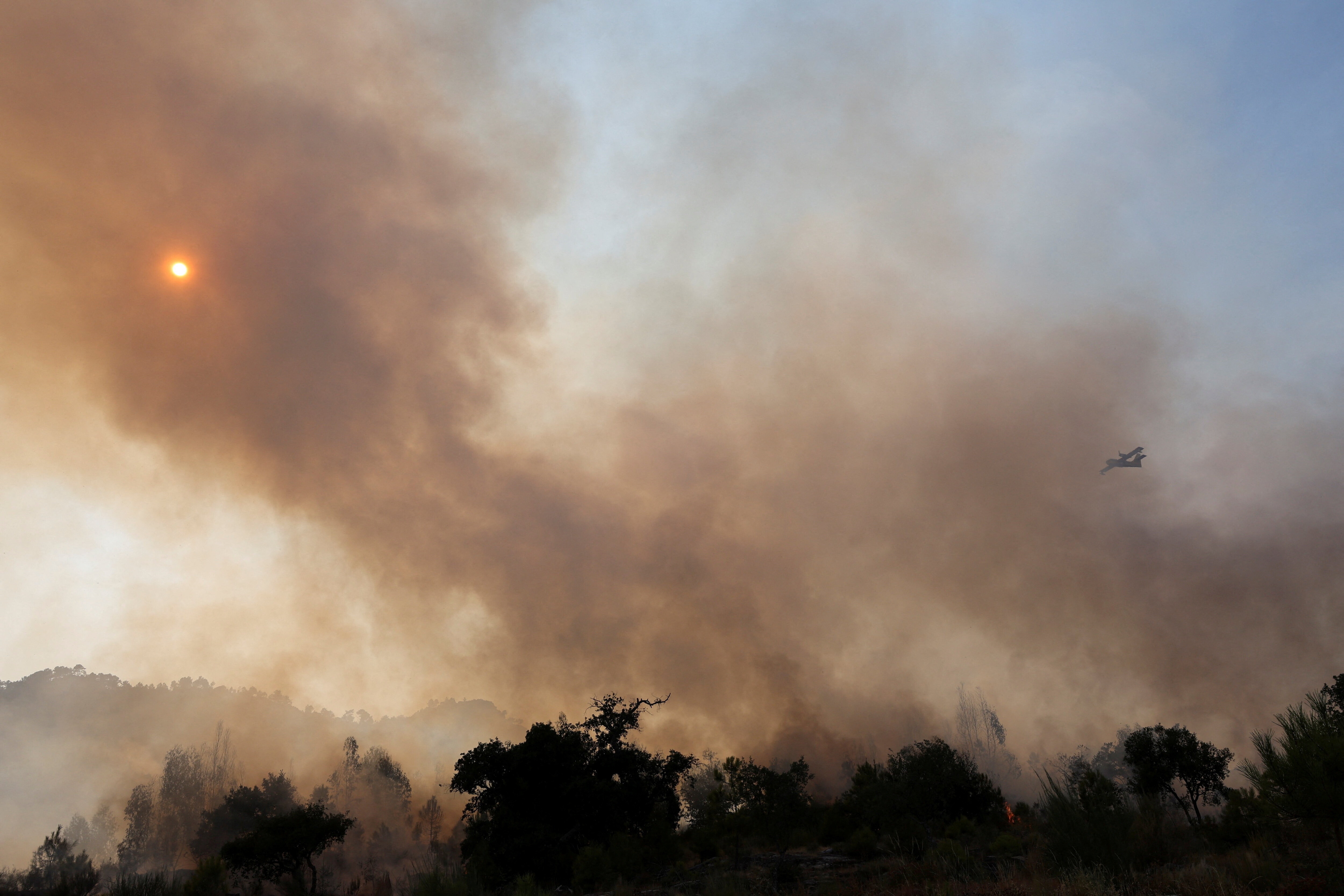
Human-induced climate change is driving up global temperatures. Image: REUTERS/Violeta Santos Moura/File Photo
- This round-up contains the key nature and climate news from the past fortnight.
- Top nature and climate news: Planet may breach 1.5°C warming before 2030; EU approves 2040 climate target for emissions cut; Somalia’s humanitarian crisis deepens.
1. Humanity set to breach 1.5°C warming before 2030, study reveals
Human activity is heating the planet faster than ever before, with data signalling a breach of the 1.5°C limit of the Paris agreement before 2030, according to new research.
The long‑term warming rate rose from under 0.2°C per decade from 1970–2015 to about 0.35°C per decade over the past 10 years, the fastest rate since records began in 1880.
The findings, published in Geophysical Research Letters, imply that without rapid cuts to CO2 emissions, the window to keep warming below 2°C will narrow sharply, with growing physical and economic climate impacts.
This much is clear: if the warming rate of the past 10 years continues, the Paris Agreement 1.5°C warming limit will be breached by ∼2030.
—Foster & Rahmstorf, 2026”Five major temperature datasets were examined for this research, all of which show this warming acceleration once natural fluctuations are filtered out, providing high statistical confidence.
2. EU approves 2040 climate target for 90% emissions cut
European Union (EU) nations have approved a new ambitious climate target to reduce greenhouse gas emissions 90% by 2040, Reuters reports.
Other nations are taking more moderate approaches. China, for example, recently announced decarbonization plans to reduce the carbon intensity of its GDP 17% by 2030.
The EU's new target will require an 85% emissions reduction from European industries against 1990 levels. To make up the other 5%, the bloc could utilize carbon credits to fund emissions reductions in developing countries.
Last month, the EU also approved the scaling back of regulations that address environmental and human rights risks in its supply chains, after criticism that red tape was hindering competitiveness. "We are reducing unnecessary and disproportionate burdens on our businesses, with simpler, more targeted and more proportionate rules," said Marilena Raouna, Cyprus's deputy EU affairs minister.

3. News in brief: Other top nature and climate stories
Somalia’s humanitarian crisis deepens: About 6.5 million Somalis, a third of the population, are facing crisis levels of hunger or worse this March, with two million people in emergency conditions, according to the United Nations' Food and Agriculture Organization. Additionally, more than 1.8 million children under five face acute malnutrition this year, as severe drought, failed harvests, livestock losses and high food prices collide with shrinking humanitarian funding.
China launches world’s first AI system for global aerosol forecasting: A new AI-driven global aerosol–meteorology forecasting system can produce five‑day, three‑hourly forecasts worldwide in under one minute, trained on 42 years of historical data. The open, low-cost system supports national and local air-quality services, as well as sandstorm and environmental forecasting.
EU court hits Portugal with $11.7m fine: In response to its failure to properly protect 55 biodiversity-rich sites under EU habitats rules. Judges called the breaches "particularly serious", noting Portugal’s rich biodiversity and decades-long delay, while Lisbon says recent legal reforms mean it is close to full compliance.
Rising temperatures put India’s food at risk: India’s weather office expects a hotter-than-normal summer, with above-average March temperatures and more heatwave days that could hurt winter-sown crops and power systems. Forecasts suggest one of the warmest Marches on record in key wheat and rapeseed states, where temperatures up to 7°C above normal may reduce yields and strain food security.
South African financiers develop $122 million water conservation bond: The five-year bond will fund water conservation projects dedicated to restoring strategic water catchments across the nation.
4. More on the nature and climate crisis from Forum Stories
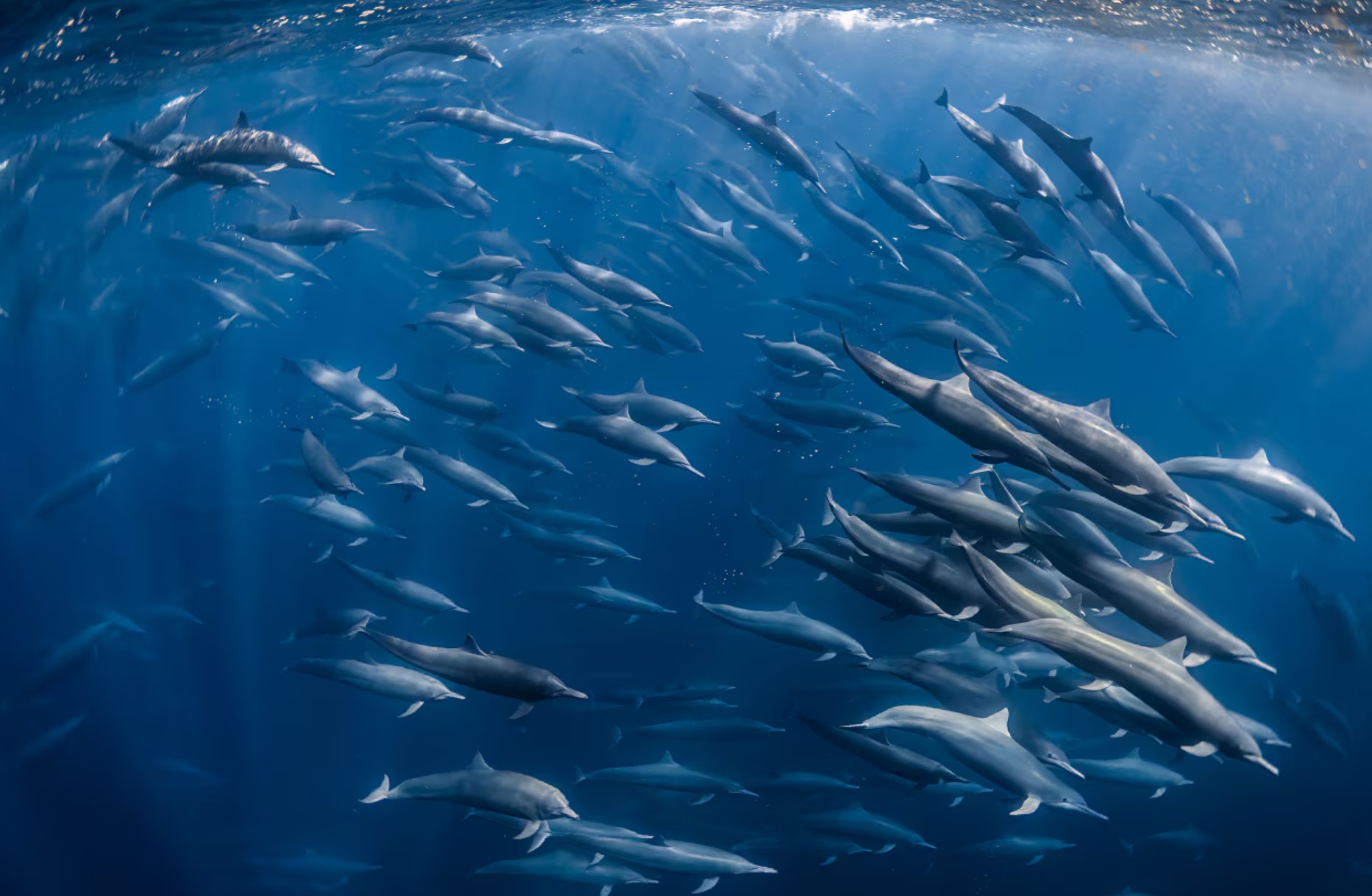
These images show wildlife at its most beautiful: The average size of wildlife populations has dropped by nearly three-quarters since 1970, according to the WWF. Photographs of animals great and small can be among the most striking reminders of what we stand to lose if nature loss continues at current rates. Each year, the Wildlife Photographer of the Year award receives more than 60,000 entries. Here’s a snapshot of some of those chosen for the Nuveen People's Choice Award 2026.
Why climate justice must start with living wages: Companies may be adopting climate targets, but many of these transitions still ignore wage protection, allowing rising living costs and labour insecurity to deepen inequality. Analysis from the World Benchmarking Alliance paints a worrying picture: while most large firms disclose emissions targets, fewer than 3% of those can demonstrate that workers across their supply chain earn a living wage. If climate transitions are causing job losses or stagnant wages, communities will respond negatively and public support for the green transition will gradually erode. Find out more about the importance of living wages to the climate transition here, in this article.
Or, learn more about ensuring an equitable transition in the video below:
Japan’s ‘satoumi’ initiative is reviving seagrass and advancing climate action: Seagrass meadows cover less than 1% of the ocean but account for about 10% of annual ocean carbon sequestration, making them a powerful yet underutilized nature-based climate solution. Japan has become the first country to include blue carbon from seagrass in its national greenhouse gas inventory. These efforts are grounded in the concept of "satoumi", a model of coastal stewardship in which healthy marine ecosystems and human livelihoods coexist in balance. Read more on Japan's approach in this article.
License and Republishing
World Economic Forum articles may be republished in accordance with the Creative Commons Attribution-NonCommercial-NoDerivatives 4.0 International Public License, and in accordance with our Terms of Use.
The views expressed in this article are those of the author alone and not the World Economic Forum.
Related topics:

Forum Stories newsletter
Bringing you weekly curated insights and analysis on the global issues that matter.
More on Climate Action and Waste Reduction See all

Emily Farnworth and Alice Ruhweza
March 12, 2026