Saudi Arabia's new AI-powered sustainability platform could unlock $20 billion by 2030
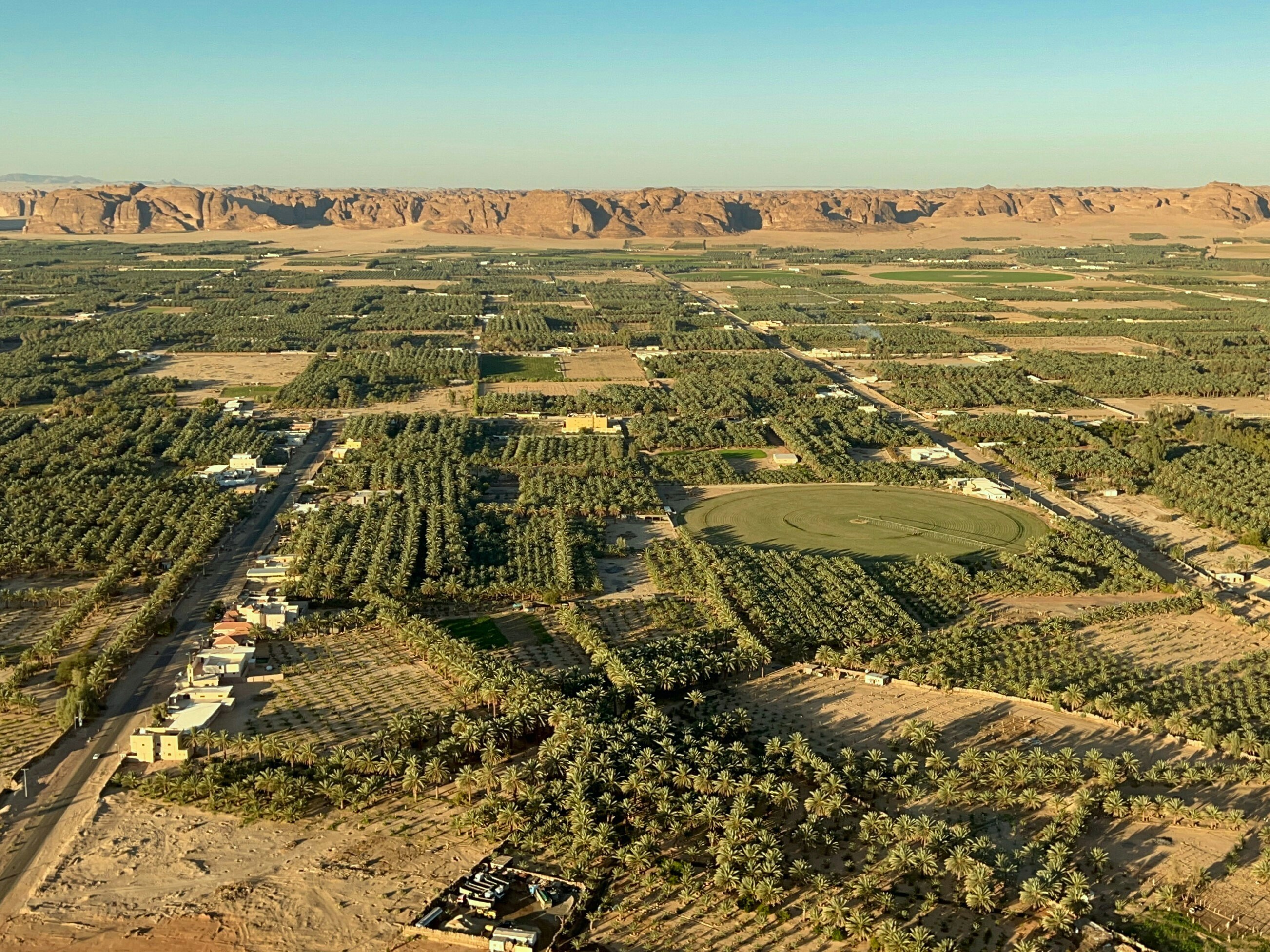
Driving long-term prosperity for all. AI-led sustainability in Saudi Arabia. Image: Unsplash
Hajar Algosair
Head of Sustainable Development Affairs, Ministry of Economy and Planning, Saudi Arabia- AI can help identify cross-sector partnerships, which are essential to tackling complex global challenges such as sustainability.
- Saudi Arabia’s AI-driven SUSTAIN platform accelerates partnership formation for high-impact projects.
- By 2030, AI tools could help facilitate partnerships worth up to $20 billion in Saudi Arabia and $100 billion in the MENA region.
Artificial intelligence (AI) is moving from the early adoption stage to the mainstream. In 2024, 48% of the global public reported using Generative AI, an increase of more than eight percentage points year over year. As adoption grows, AI is proving to be a powerful connector, acting as a matchmaker that links needs with capabilities on a large scale. For example, OpenAI’s Jobs Platform will use AI to match organizational needs and individuals’ skills, while in academia, Elsevier’s next-generation AI-driven tool promises to help researchers identify collaborators and funding opportunities.
In the sustainability arena, AI has the potential to drive innovation by uniting public, private and non-profit sector partners. Addressing sustainability issues requires a systems-wide approach, as these challenges cannot be solved in isolation. The world’s most complex challenges, including global emissions and biodiversity loss, are increasingly being managed through scaled, cross-sector collaborations.
Gatherings such as the United Nations’ climate change COP have demonstrated how governments, businesses, financial institutions and civil society can align ambitions, mobilize resources and accelerate solutions. Most recently at COP30 in Brazil, technology was identified as a “strategic ally” in tackling climate challenges. Thus, sustained impact will require integrating capabilities across technological, financial, policy and social systems – areas no single actor can address alone.
The Kingdom of Saudi Arabia is a case study for the impact partnerships can yield. The Saudi Ministry of Economy and Planning provides a case in point for how structured partnerships can accelerate sustainability through the National Sustainable Development Blueprint, which is aligned with the Kingdom’s Vision 2030. The blueprint’s ambition focuses on driving long-term prosperity, preserving the environment and natural resources, and improving the quality of life for all.
To achieve this ambition, it envisions, among other enablers, a Sustainable Development Partners Network to connect government entities, private sector leaders, academia and civil society organizations. The plan includes a web platform to host the network and track progress.
AI as a strategic tool for sustainability
To understand how AI could unlock the potential of cross-sector partnerships, the Saudi Ministry of Economy and Planning partnered with the World Economic Forum, in collaboration with Bain & Company, under the Leaders for a Sustainable MENA initiative.
Through an eight-week sprint and in-depth consultations, we developed the AI-driven SUSTAIN platform. Designed to support the objectives of the National Sustainable Development Blueprint, the platform serves organizations ranging from small- and medium-sized enterprises (SMEs) to corporations, academia and government. Their representatives can find verified partners and vetted opportunities in SUSTAIN’s standardized listings. Additionally, users receive AI-enabled match recommendations, so they can form partnerships with greater speed and confidence.
SUSTAIN functions intuitively. Partners create verified profiles. Opportunity owners post their project details (including their area of impact) and their needs from prospective partners. The AI agent proposes high-quality matches to the opportunity owners, triggering outreach so participants can engage quickly.
Functioning optimally, SUSTAIN facilitates extremely valuable partnerships, based on high-level estimates building on historical data. The platform could unlock partnerships worth up to $20 billion in Saudi Arabia and $100 billion in the Middle East and North Africa (MENA) region by 2030. By mobilizing capital and partnerships around defined national missions, the platform strengthens delivery at the country level, while contributing to global progress on the Sustainable Development Goals (SDGs). The approach is designed to be adaptable, enabling other countries to apply the model in line with their own national sustainability priorities.
Achieving these outcomes requires strong governance, transparency and data protection to ensure credibility, reduce risks and turn the platform’s network effects into region-wide impact.
The future face of sustainability partnerships
Success in sustainability development requires government, industry, finance partners, academia, non-profits and communities to move in alignment towards shared outcomes. Such coordinated collaboration must happen more frequently and regularly.
How the Forum helps leaders make sense of AI and collaborate on responsible innovation
With AI, suitable partners can be identified faster, credibility can be established earlier, and high-impact ideas can move from interest to implementation with minimal friction. Over time, AI can turn one-off initiatives into repeatable collaboration models in which opportunities are matched to the right partners, governed effectively and scaled.
The result will be a system in which trust travels quickly, resources flow where they are needed most and ambitions consistently become reality.
Don't miss any update on this topic
Create a free account and access your personalized content collection with our latest publications and analyses.
License and Republishing
World Economic Forum articles may be republished in accordance with the Creative Commons Attribution-NonCommercial-NoDerivatives 4.0 International Public License, and in accordance with our Terms of Use.
The views expressed in this article are those of the author alone and not the World Economic Forum.
Stay up to date:
SDG 17: Partnerships for the Goals
Related topics:


Forum Stories newsletter
Bringing you weekly curated insights and analysis on the global issues that matter.
More on Artificial IntelligenceSee all

Belinda Parmar
July 28, 2026


