Antibiotics have extended our lives. Could drug resistance reverse that trend?
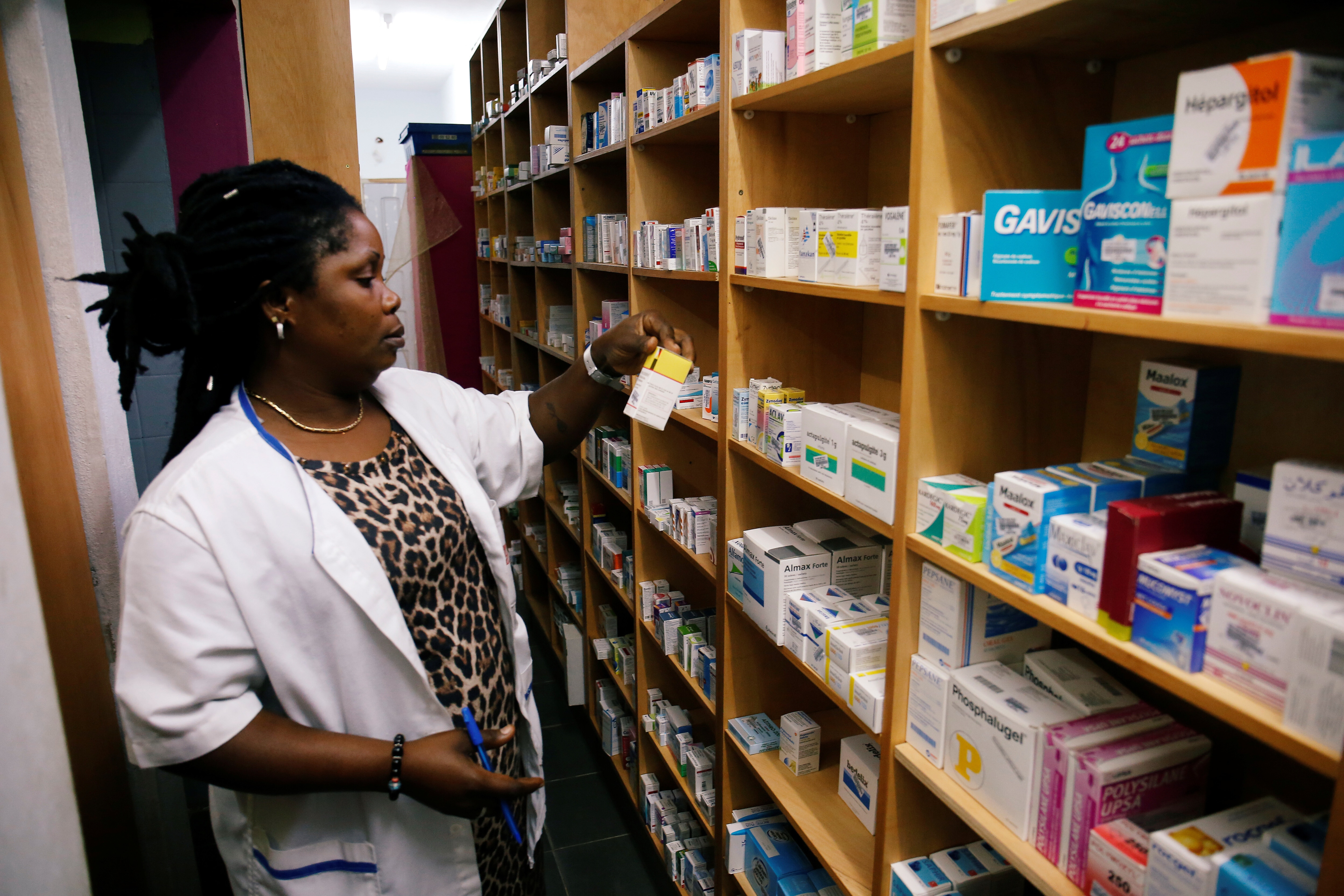
Antimicrobial resistance is outpacing antibiotic development. Image: REUTERS/Luc Gnago
- Antibiotics have added an average of 23 years to human life expectancy, but antimicrobial resistance is projected to reduce global life expectancy by about 1.8 years by 2035.
- Pharmaceutical investment in antibiotics has declined and only a small number of drugs in development are considered truly innovative.
- Inadequate treatment allows infections to spread and increases resistance, disproportionately affecting low- and middle-income countries and vulnerable populations such as newborns and young children.
Some experts believe that the first people to live long enough to reach their 200th birthday may already have been born because future advances in medicine and science will continue to extend life expectancy.
However, whether this proves true or not, it is likely to apply only to the few. For the majority of us, the trend is actually going in the opposite direction, and this may well continue thanks to the rise and spread of bacteria resistant to antibiotics.
The role antibiotics play in medicine cannot be overstated; they have turned once-fatal infections into highly treatable conditions and enabled safe surgery, cancer care and countless other medical advances.
Over the last century, this has enabled antibiotics to extend people’s lives by an average of 23 years. Now, drug resistance has begun to reverse that trend and is expected to reduce global life expectancy by 1.8 years by 2035.
Many factors of modern life can impact life expectancy, but antimicrobial resistance is often overlooked. Antibiotics are used so ubiquitously across health systems that the role that drug resistance plays in people’s deaths is not always acknowledged.
New antibiotics are scarce
Nevertheless, the signs are all there. Infections are already associated with half of all cancer deaths and 100% of sepsis mortality, with a significant number of these being drug-resistant and rising.
By best estimates, 4.71 million people globally already die from drug-resistant infections. However, this is now expected to rise sharply, increasing by 70% by 2050.
The reason for this increase is twofold. First, the right antibiotics are not being developed. The steady decline of the pharmaceutical industry in antibiotics over recent decades is well documented.
This has significantly reduced the number of new antibiotics being developed to replace those lost to drug resistance by as much as 35% in the last five years alone.
Of those that are being developed, too few are the ones we most need. A report published by the World Health Organization (WHO) last year found that only 90 antimicrobials are currently in clinical development. Of these, only five are both innovative – not simply variants of existing drugs against which there may already be resistance – and target WHO priority pathogens, the multidrug-resistant pathogens that pose the greatest threat.
Antimicrobial resistance is outpacing antibiotic development
As a result, antimicrobial resistance is now outpacing antibiotic development, with the most difficult-to-treat gram-negative pathogens expected to account for an increasing proportion of drug-resistant infections.
The second major factor in the global rise of antimicrobial resistance is a lack of access. While the overuse or misuse of antibiotics has contributed to the escalation of this resistance, so too has a lack of access to antibiotics.
When the right antibiotics aren’t available and infections are not treated correctly, it allows bacteria to spread and develop resistance, making infections more difficult to treat in the long run.
For the vast majority of people worldwide, this is a major issue. According to one analysis, around 5.7 million deaths a year are linked to inadequate access to antibiotics. This is more than the number of people who die from resistant infections.
Access to antibiotic treatment remains low
Given that, at some point in their lives, every person on this planet is likely to depend on antibiotics, this is a problem for everyone, though some more than others.
The highest burden of antimicrobial resistance mortality occurs in low- and middle-income countries and access is a contributing factor.
Research carried out by the Global Antibiotic Research & Development Partnership last year, looking at 1.5 million drug-resistant, carbapenem-resistant gram-negative infections in eight low- and middle-income countries, found that, on average, just 6.9% of patients received appropriate antibiotic treatment.
In some countries, it was as low as 0.2%.
The problem is that even when antibiotics are developed, they are usually only registered in just a handful of countries. Between 1999 and 2014, fewer than half of the new antibiotics that entered the market were registered in more than 10 countries, most of which were high-income countries.
Antimicrobial resistance could reduce life expectancy
It is a similar story with older essential antibiotics. However, even wealthy nations face issues, with the UK and the US, among others, regularly experiencing shortages of essential antibiotics.
With more people now living longer lives, an increase in deaths from drug-resistant infections may not seem surprising. However, while older people do indeed make up a significant proportion of people with drug-resistant infections, children, especially newborns, are also disproportionately affected.
In fact, under-fives account for one-fifth of antimicrobial resistance-related mortality globally.
It is also worth bearing in mind the impact of increasingly difficult-to-treat infections on quality of life. A recent report found that people in the UK are already spending two fewer years in good health. Antimicrobial resistance could significantly exacerbate that.
Rather than simply extending lives at the margins, we must safeguard the most vulnerable and ensure that those just beginning their life have a fair chance to live them fully.
Don't miss any update on this topic
Create a free account and access your personalized content collection with our latest publications and analyses.
License and Republishing
World Economic Forum articles may be republished in accordance with the Creative Commons Attribution-NonCommercial-NoDerivatives 4.0 International Public License, and in accordance with our Terms of Use.
The views expressed in this article are those of the author alone and not the World Economic Forum.
Stay up to date:
Antimicrobial Resistance

Forum Stories newsletter
Bringing you weekly curated insights and analysis on the global issues that matter.


