
Economic Growth
The state of China’s economy in 5 numbers
Participants will soon descend on "Summer Davos" in China to parse the expanded role of the second-biggest economy. Here are five figures to get them started.
Participants will soon descend on "Summer Davos" in China to parse the expanded role of the second-biggest economy. Here are five figures to get them started.
This roundup of news and analysis on the global economy focuses on the gap between market exuberance and worried workers, China’s new self-reliance, and ‘skimpflation.’
低碳和可再生能源有望成为中东战争中脱颖而出的潜在受益领域。
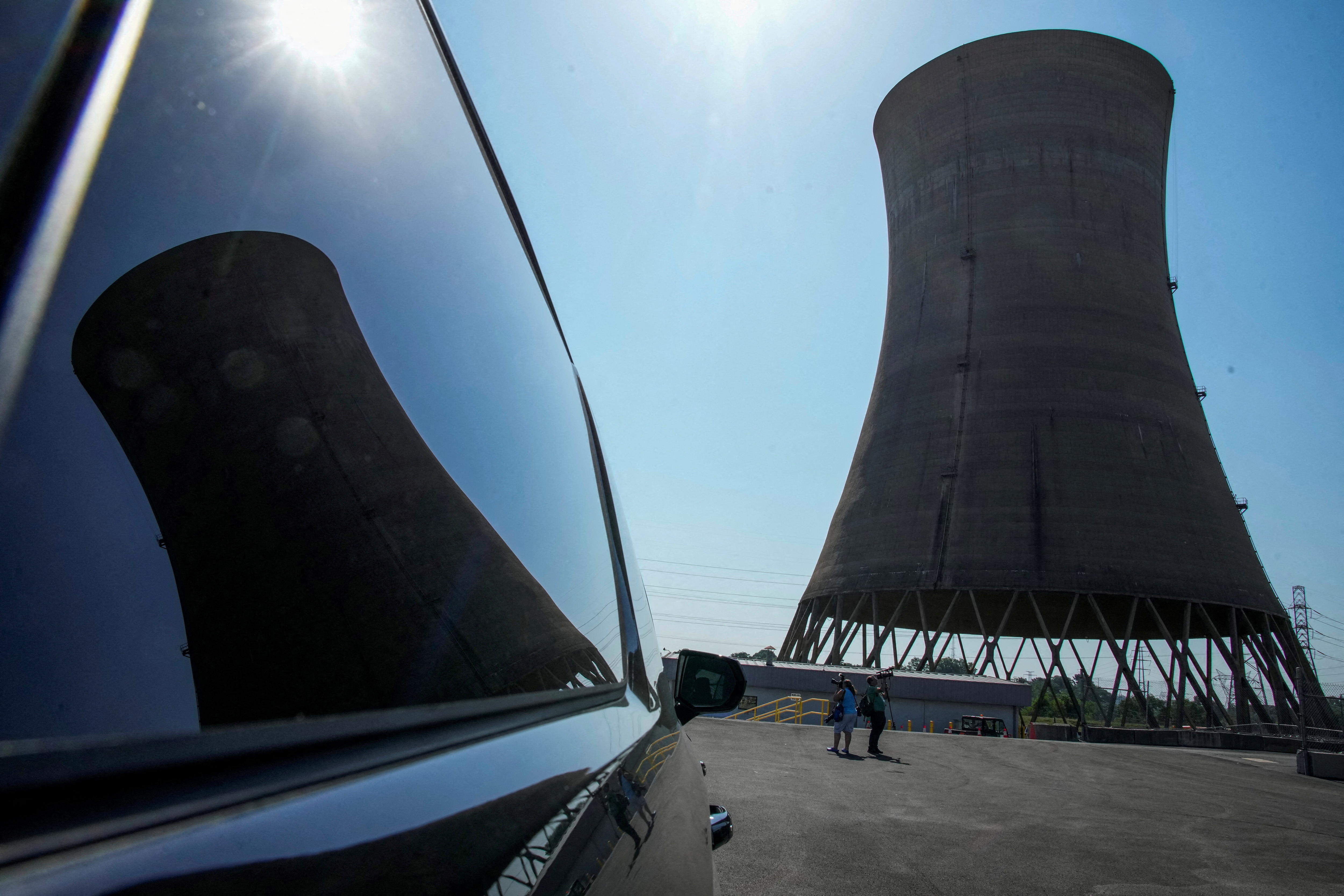
Fallout from the Iran war is inescapable, but there are signs of a constructive response in the renewed appeal of alternative fuel for the global economy.
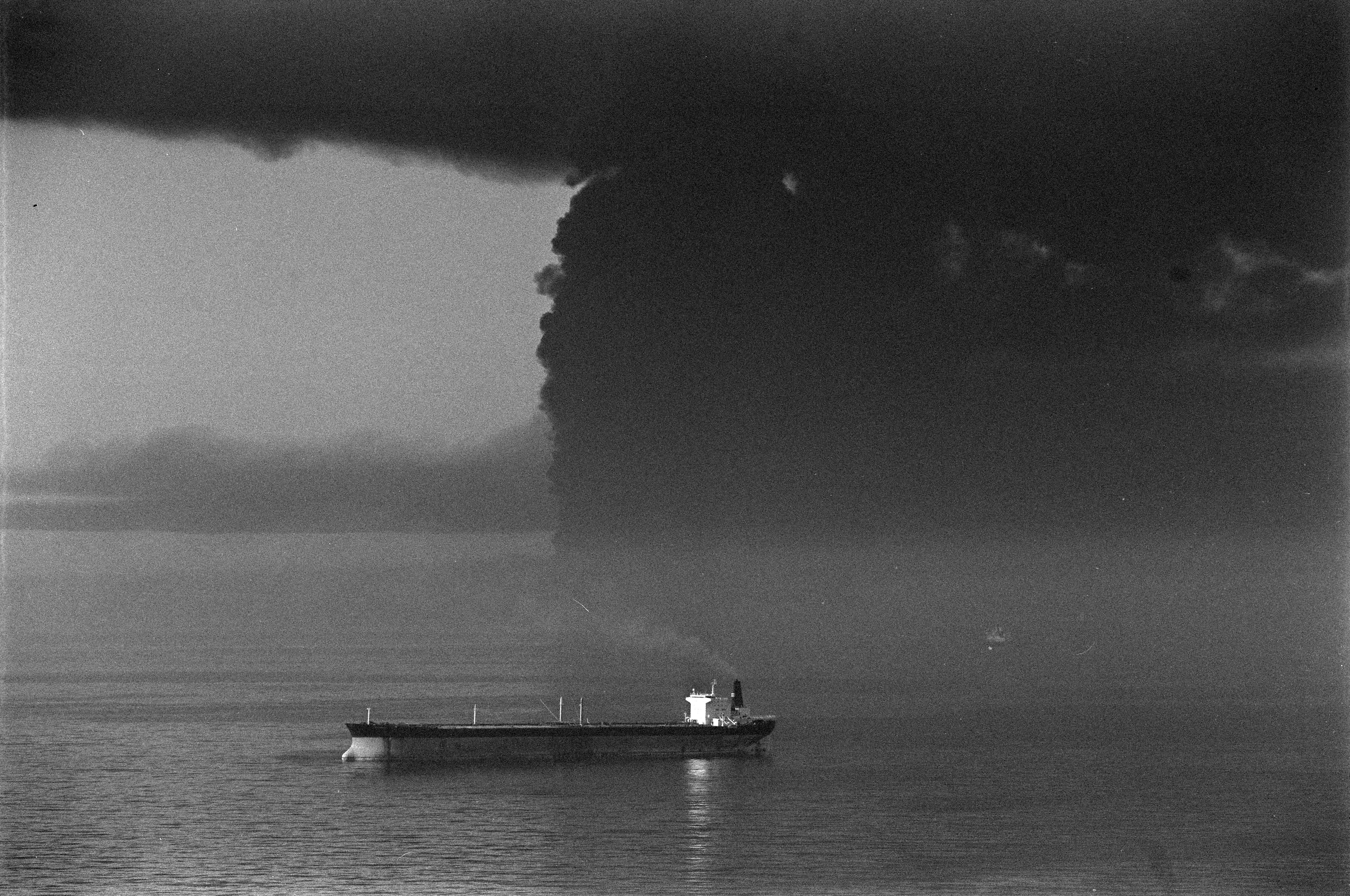
The Strait of Hormuz has been effectively sealed by the Iran war, starving the global economy of essentials. This is how the narrow waterway became so crucial.
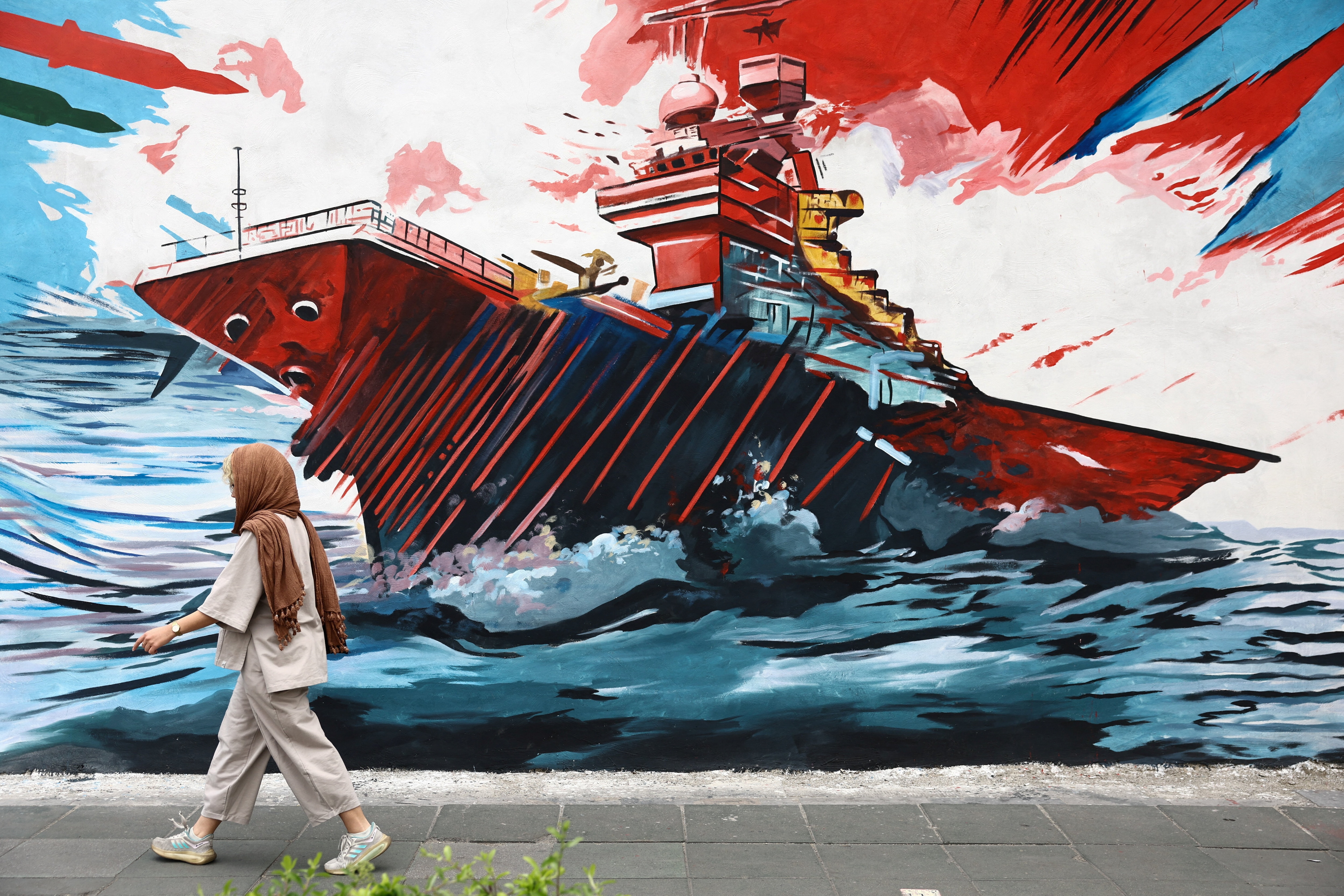
Freeing all of that stranded energy and raw material tomorrow would still mean having to wait months for everything to start functioning normally again.
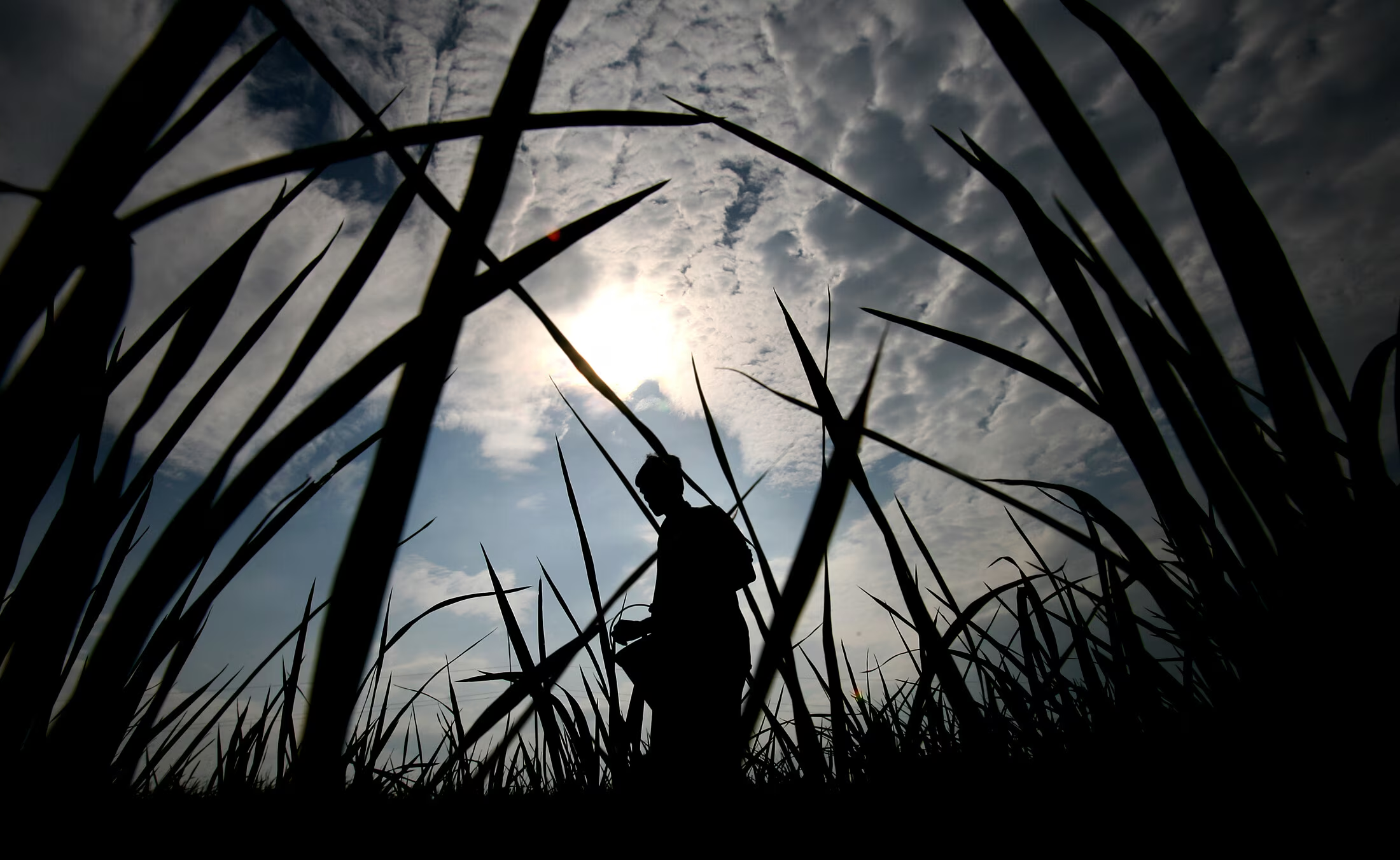
La interrupción en las exportaciones de fertilizantes desde Oriente Medio demuestra que los elementos básicos para alimentar al mundo siguen siendo vulnerables.

La crisis energética provocada por la guerra en Irán generó preocupación ante la posibilidad de una crisis prolongada. La historia muestra que estos periodos pueden impulsar el desarrollo...

An Iran war-induced energy supply shock has raised concerns about a prolonged crisis. History shows that these periods can sometimes nudge economies forward.
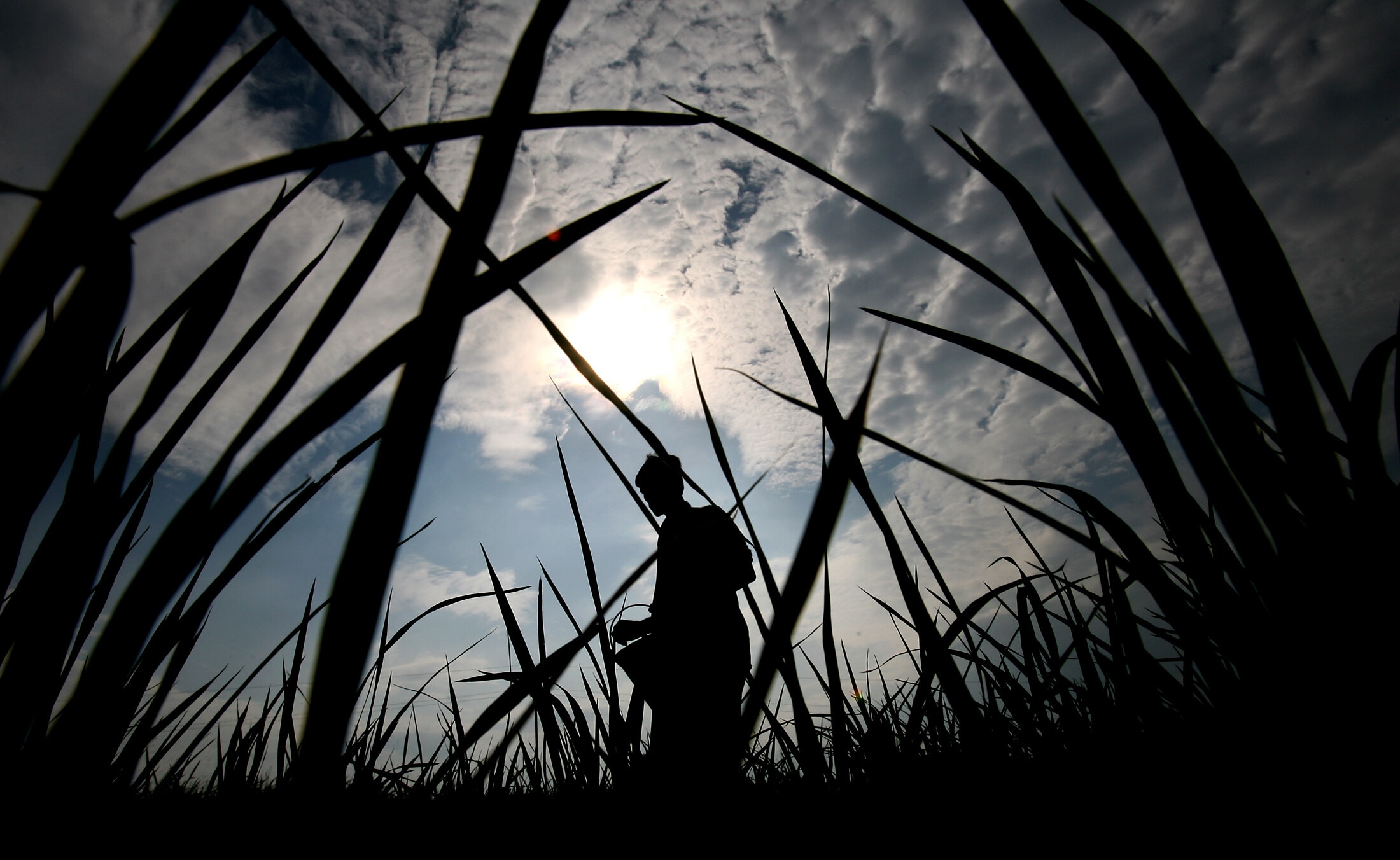
The basics needed to keep the world fed remain remarkably vulnerable, as evidenced by the disrupted fertilizer shipments through the Strait of Hormuz.

Las profesiones amenazadas por la tecnología han demostrado ser sorprendentemente resilientes a lo largo de la historia. Vale la pena recordarlo a medida que la IA asume tareas más humanas.
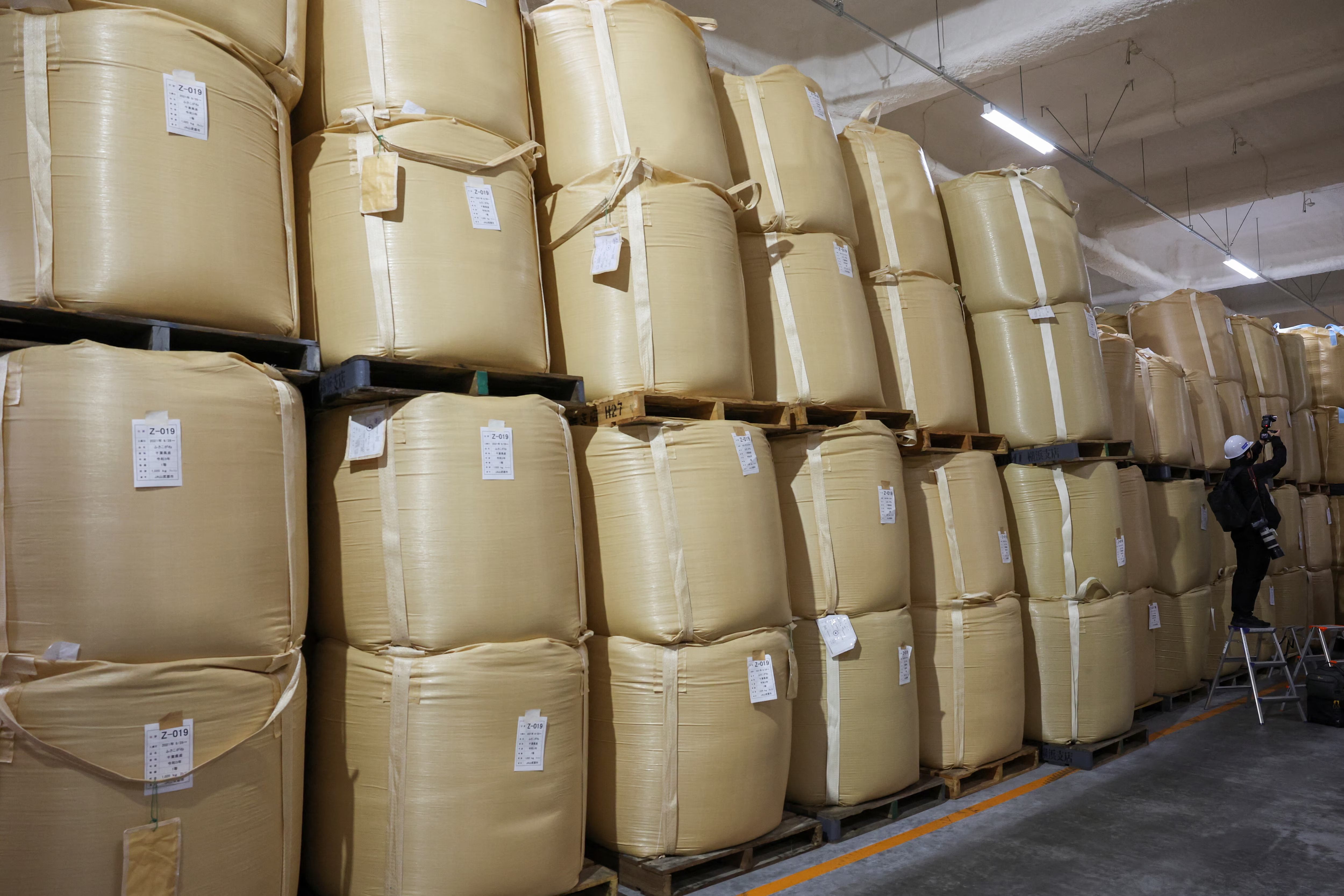
La nueva reserva de minerales críticos en EE. UU. es el ejemplo más reciente de un viejo hábito: acumular. Se trata de una conducta racional en un mundo cada vez más irracional.

Professions threatened by technology have proven surprisingly resilient throughout history. That is worth remembering as AI assumes more human tasks.
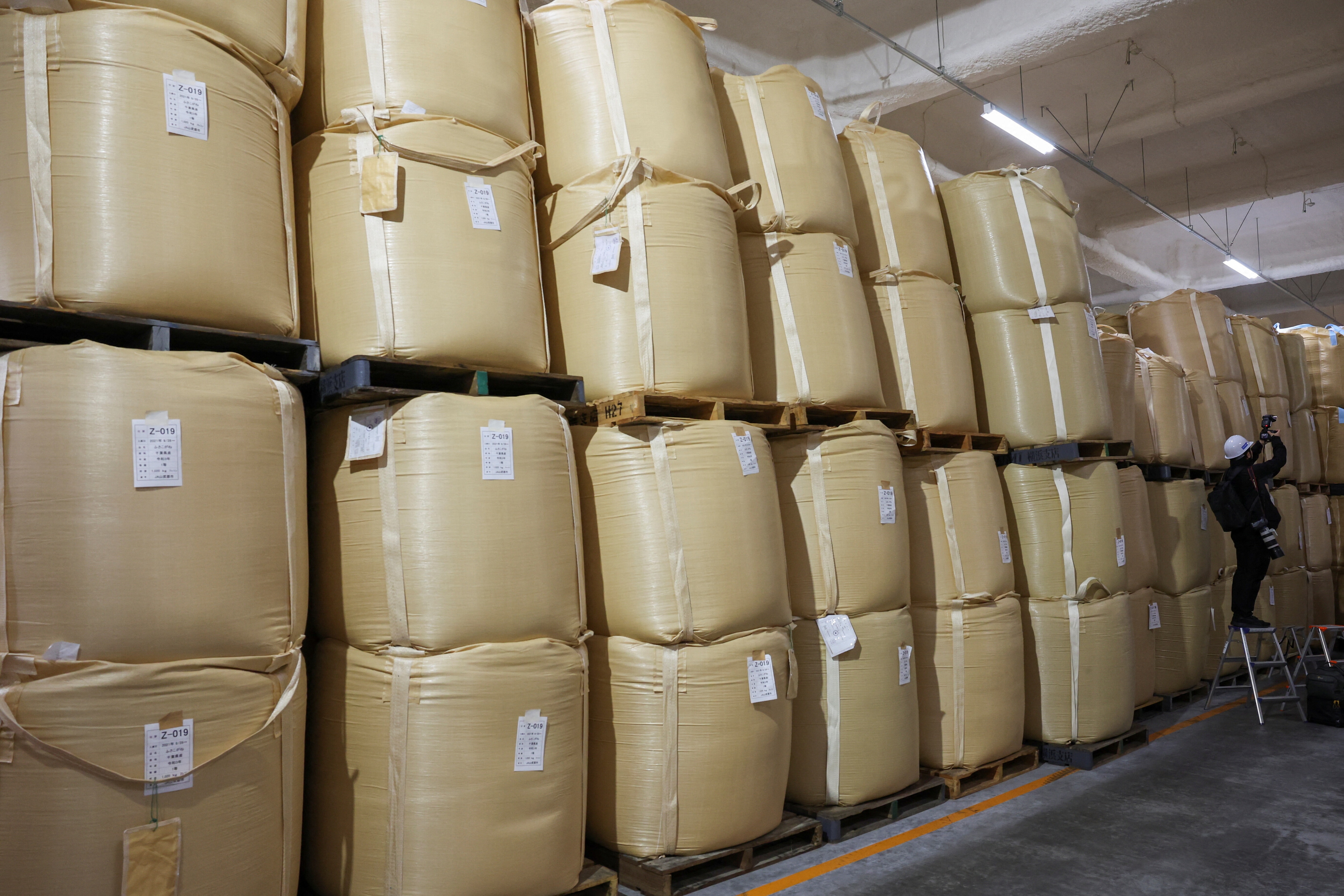
The new US critical minerals stockpile is the latest example of a modern economy engaging in the age-old habit of hoarding. It's rational behavior in an increasingly irrational world.
今年的数字背后,藏着几个重量级信号——全球贸易格局的转变、清洁饮用水资源的显著缺口、AI带来的就业冲击、令人不安的物种灭绝速度、体育产业的经济影响力,以及全球合作未来的前景。