What drives economic growth? You don’t need a Nobel Prize to take a guess
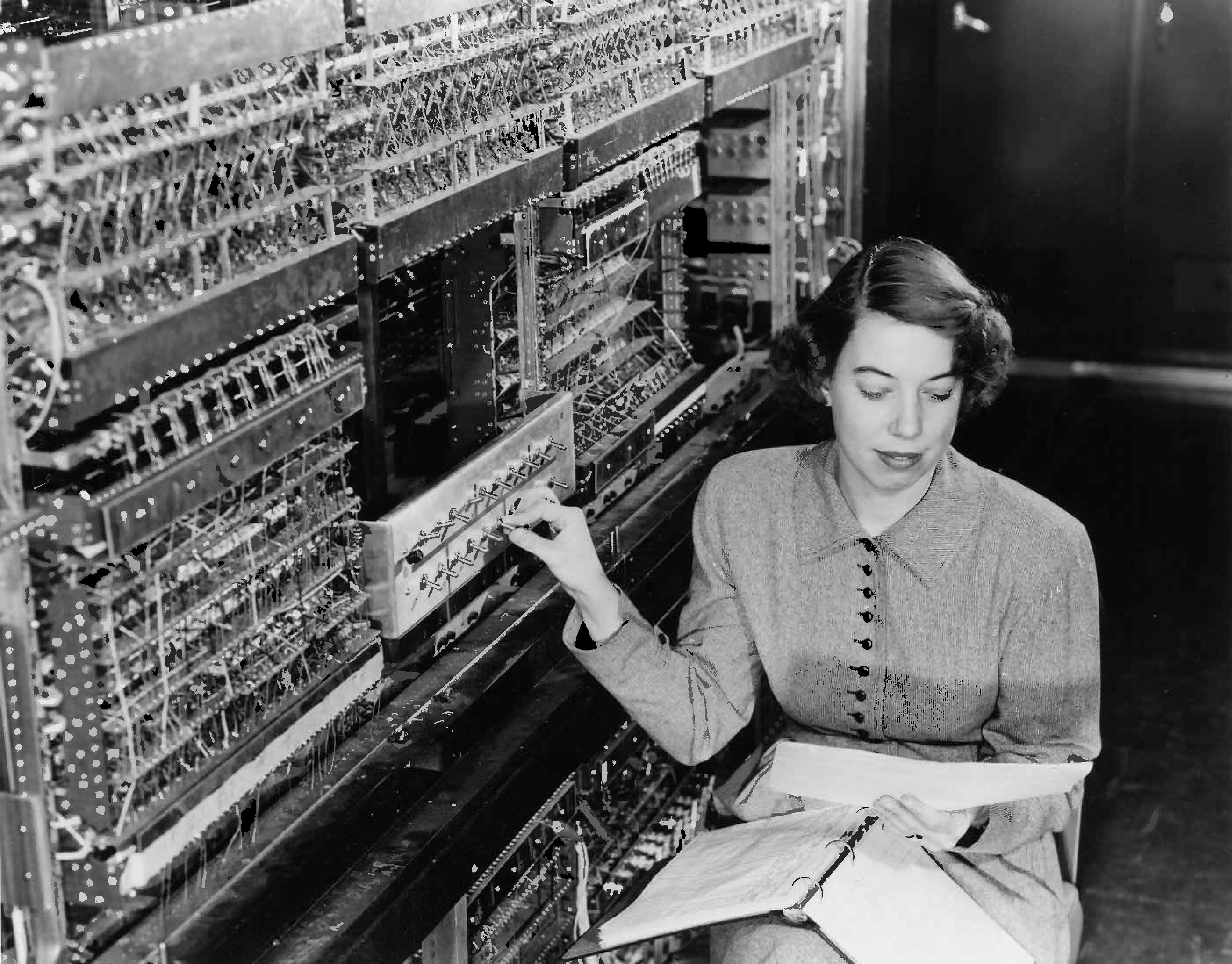
Technology has long moved economies forward; three economists won a Nobel Prize this week for explaining how. Image: Wikimedia Commons
- The Nobel economics prize was awarded this week to a trio of economists for explaining how technological progress drives economic growth.
- The outsized role of innovation has also been a thread running throughout the World Economic Forum’s Annual Meetings of the Global Future Councils and Cybersecurity.
- The prizewinners’ work is especially relevant now, a meeting participant said, because they made clear that culture and perception are more essential for advances than any single technology.
You’re probably reading this on an end result of creative destruction. Countless companies, and a tragic number of jobs, had to disappear before that particular phone or computer could become possible.
The process is a bit like burning down part of a forest to generate a greener, healthier version in its place.
That’s the gist of some of the research that earned a Nobel economics prize for a trio of economists earlier this week, “for having explained innovation-driven economic growth.”
To anyone who’s been alive long enough to see the digital part of the global economy balloon to a significant portion of the total, the role played by innovation in growth might seem obvious. But it didn’t have to be this way.
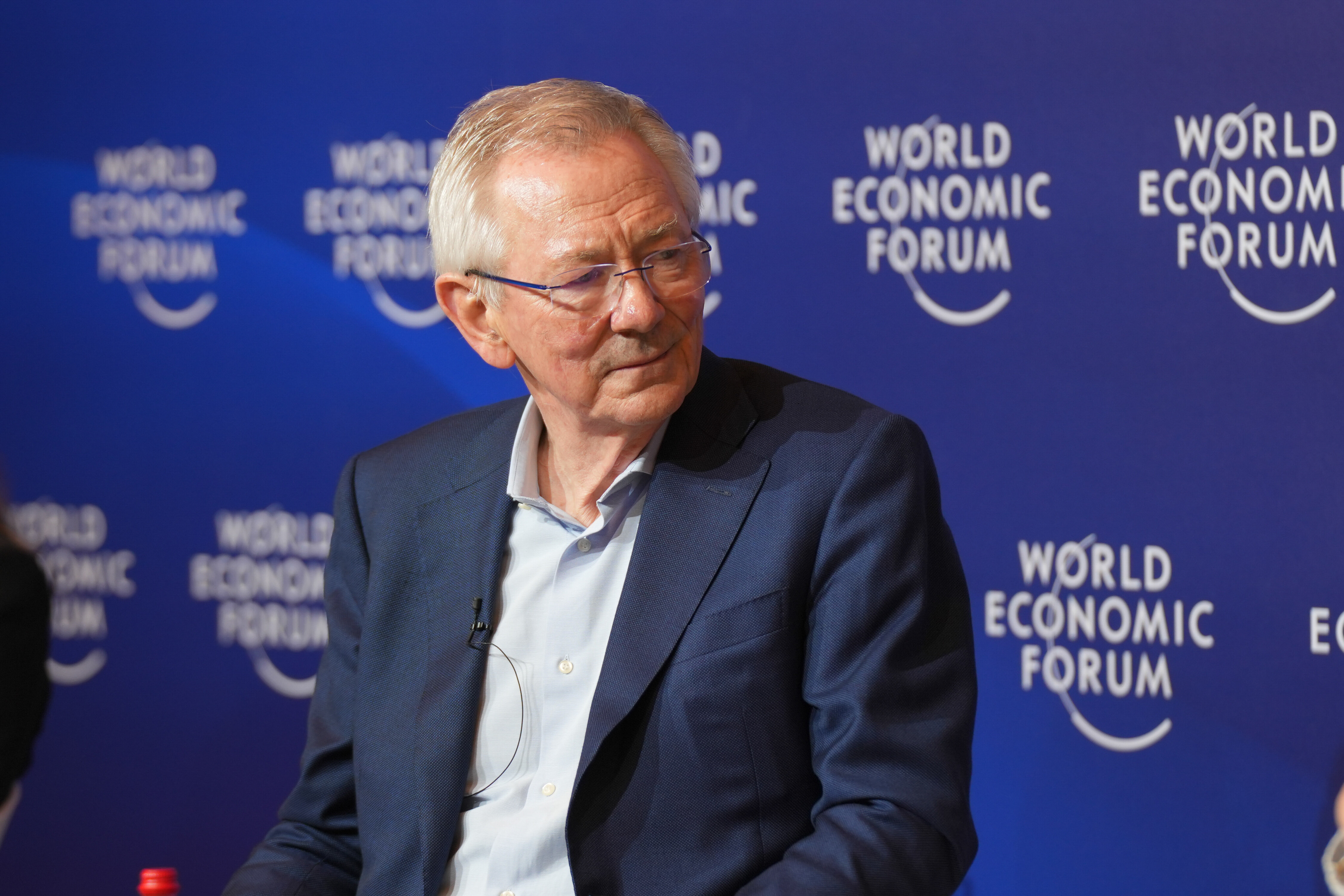
This week also happens to be when Dubai is hosting the World Economic Forum's annual gathering of leading experts on topics like growth, technology and cybersecurity. To really zero in on where growth comes from, environmental economist Sir Andrew Steer said during a panel discussion, “We should ask, why did these three economists two days ago win the Nobel Prize in Economics?”
One recipient, Joel Mokyr, specializes in the economic history of Europe. “He said yes, you absolutely need the traditional belief that you need science leading to technology,” Steer explained, “but even more important, you need a culture that welcomes disruptive change – and expects great things to happen.”
That insight is particularly relevant now, in an era when technophobia risks undermining the climate progress that innovation makes possible, according to Steer.
“There’s a real risk at the moment that we’re going to stop expecting growth, and we’re going to be less tolerant to disruptive change.”
The other two prize recipients, one of whom, Steer noted, is his colleague at the London School of Economics and Political Science, have focused on the process of creative destruction.
The essential point of their work, according to Steer: to ask why capitalism is such a good system. “It’s because out of destruction comes new life,” he said. A dot-com disaster, for example, can eventually feed an AI boom.
Countries that embrace that fact, and work to ensure a level playing field for competition, “will thrive,” Steer said. Because a cultural fabric can be more essential than any of its individual threads.
“Whilst we ought to be saying 'what’s the next big thing',” and poring over AI’s particular potential, Steer said, “there are cultural issues and there are perception issues which will be much more important.”
Culture and perception may be what sustain AI through the current period of uncertainty. Any real step change in how we all work on a daily basis can still feel remote.
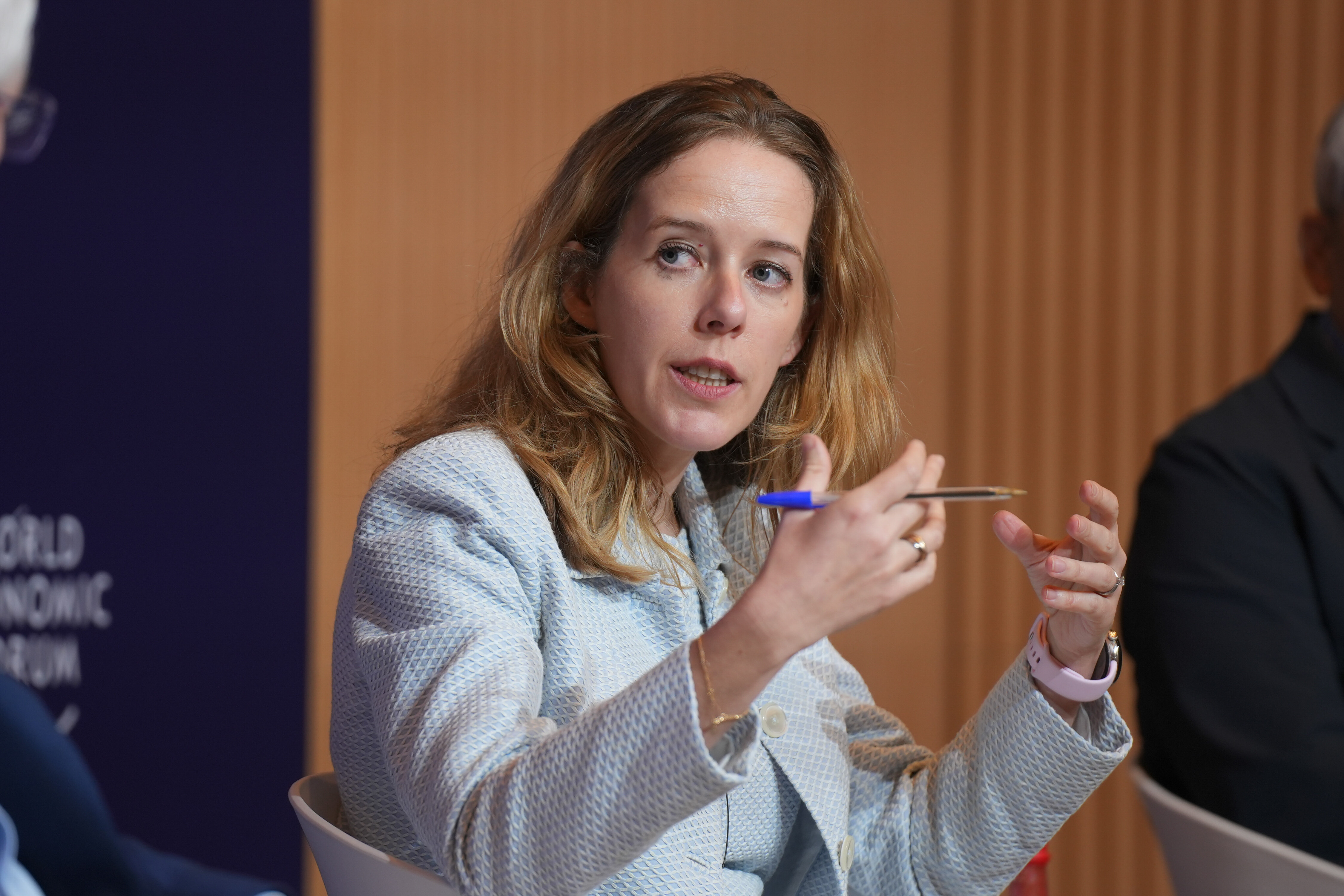
“We’re seeing it in the financial markets and the stock market, definitely,” Steer’s fellow panellist Marion Laboure, Managing Director and Macro Strategist at Deutsche Bank, said of AI’s impact so far. “Productivity gains, we are not seeing it.”
Yet, the sound of creative destruction is there. Even if it’s distant for now.
The question is, how distant?
During a separate panel discussion in Dubai, Ali Sajwani, Managing Director at data-centre developer DAMAC International, said employees there are not allowed to harbour illusions about the likely impact of AI on their work.
“We had a town hall last week where we told them, in a few years we might have 60% less employees in the company,” he said. “It’s survival of the fittest: those who adapt to change and learn how to use AI will grow exponentially.”
High growth, this year’s Nobel economics prize winners have tried to help us understand, just might require a significant rebuild.


License and Republishing
World Economic Forum articles may be republished in accordance with the Creative Commons Attribution-NonCommercial-NoDerivatives 4.0 International Public License, and in accordance with our Terms of Use.
The views expressed in this article are those of the author alone and not the World Economic Forum.
Related topics:

Forum Stories newsletter
Bringing you weekly curated insights and analysis on the global issues that matter.
More on Economic GrowthSee all

Rohail Iqbal
October 12, 2026


