Why electrification is Europe’s most strategic investment
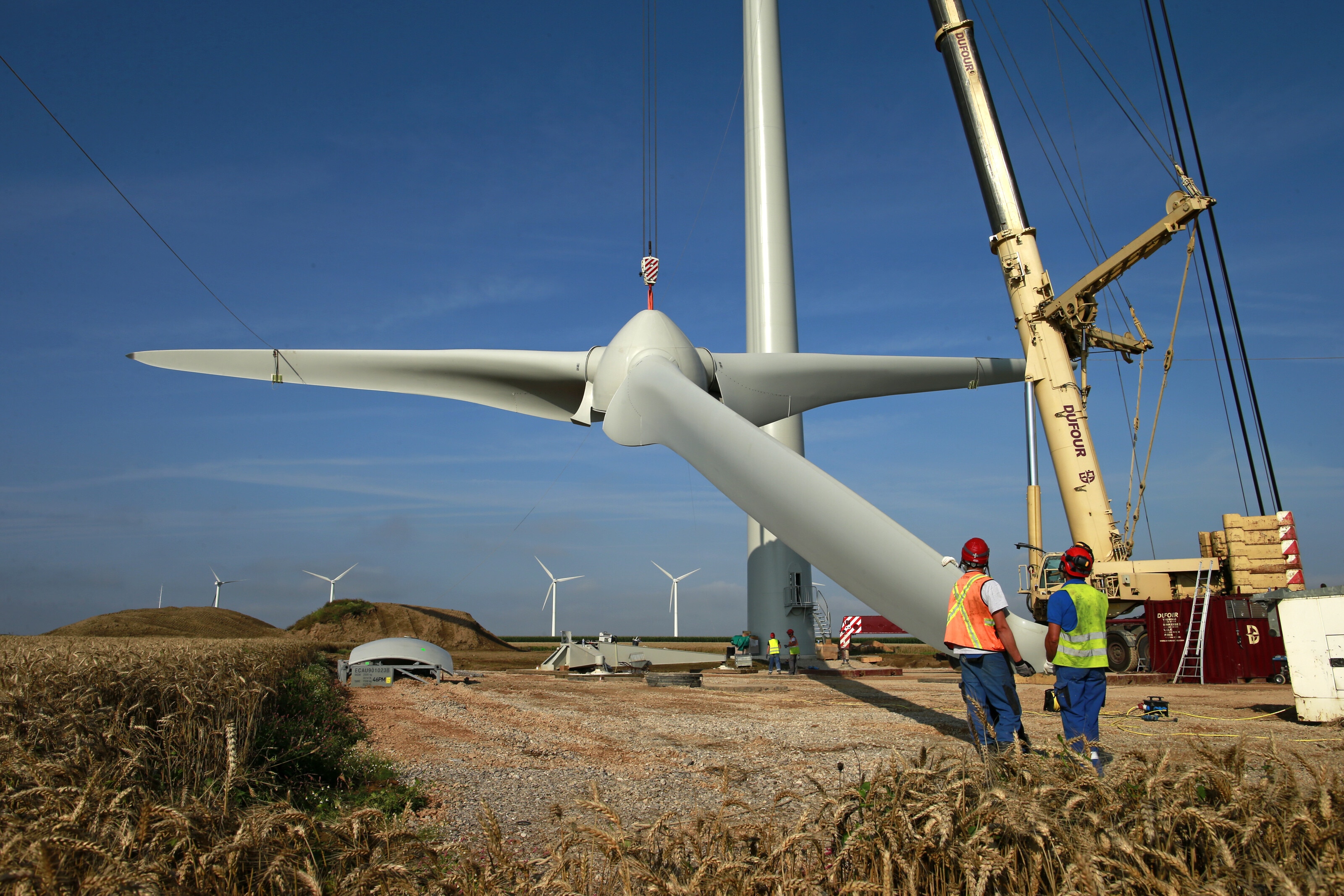
Europe must move to a decentralized renewable energy system. Image: Reuters/Benoit Tessier
- Electrification is the path to ensuring Europe has a more competitive, resilient and affordable energy system.
- A new report outlines how transitioning means electricity could comprise 55% of final energy demand by 2050.
- Infrastructure remains a blockage to electrification, requiring €5.2 trillion in energy system investment by mid-century.
Europe faces a growing triple challenge of affordability, resilience and decarbonization. Addressing these structural challenges requires systemic change. Electrification is the transition from a fossil fuel-based energy system to one powered by electricity, driven by the deployment of clean energy, energy storage and expanded grid infrastructure; it offers a pathway to lower system costs, improve energy security and accelerate decarbonization simultaneously.
Copenhagen Infrastructure Partners (CIP) explores this in its latest report, Charging Ahead: A Roadmap for an Electrified, Competitive and Resilient European Energy System. It breaks down how Europe's energy system could advance towards 2050 under three scenarios: Competitive & Resilient, Slow Transition, and Net Zero.
As a member of the Leaders for European Growth and Competitiveness initiative, CIP points to a clear imperative: policy-makers and industry leaders must accelerate electrification, grid expansion and investment frameworks to secure a more competitive, resilient and affordable European energy system.
Today, Europe remains heavily dependent on imported fossil fuels, which account for around 40% of primary energy demand. This leaves the region exposed to volatile global energy markets, with Europe seeing a €100 billion jump in annual fossil fuel expenditure as a direct result of disruption in the Strait of Hormuz. Accelerating electrification, powered by homegrown clean energy, offers a pathway to reduce these vulnerabilities and improve security of supply.
Electrification also makes economic sense. An increasingly electrified energy system can reduce overall energy demand and create a more stable energy cost base. The result is a pathway to lower prices and improved industrial competitiveness. Decarbonization then follows as a clear and positive spill-over effect.
Electrification as the cornerstone of Europe’s energy system
At its core, electrification is about efficiency. Fossil-based systems lose large amounts of energy in conversion and combustion, whereas electrified end-use technologies deliver the same services with significantly lower energy input.
Most energy demand can and should be directly electrified where feasible; this includes buildings, low-heat industrial processes, heating and cooling for households, and road transport.
This all means that, by 2050, final energy consumption in Europe could decline by more than a third, even as demand for energy-consuming processes and transportation increases. For example, while AI and data centres have increased demand for new electricity supply, the efficiency of the electricity-based energy system in transportation and heating supports an overall decline in energy use.
CIP’s report indicates that, as electricity becomes the dominant energy carrier, electricity demand could rise from 21% today to 55% of final energy demand by 2050. This is very much in line with the 2026 EU Electrification Action Plan’s midway target of 32% in 2030.
This transformation has profound economic implications. In a competitive and resilient energy system, it means power prices could fall by around 40% compared to today’s levels, addressing the current energy cost gap between Europe, US and China. This is driven by the substitution of expensive gas-based power production by renewables.
Just as importantly, electrification strengthens energy security. By reducing fossil fuel consumption, Europe can cut imports by around 80% and reduce external dependency to roughly 10% by 2050. Electrification is therefore a foundation for long-term competitiveness and strategic autonomy.
Infrastructure: the binding constraint
While the case for electrification is increasingly apparent, realizing it at scale requires the necessary energy grid infrastructure. Today, the absence of this infrastructure has already emerged as the key bottleneck to progress for nearly half of EU countries.
With Europe’s electricity demand expected to expand in the coming decades, grids – designed for a fossil-based system with large, centralized power plants – are under increasing pressure. As highlighted in the EU Grids Package, without accelerated grid expansion and modernisation, electrification simply cannot scale.
In Finland alone, Fingrid reported that, in 2025, enquiries for new electricity production projects were about 15 times the size of the nation’s current production capacity, further underscoring how ageing grids are a barrier to meeting future energy needs.
Moving into a decentralized renewable energy system, where wind and solar PV are primary energy carriers, requires a dedicated lane to transport energy to end consumers. Meeting this challenge will require significant capital, with Europe needing approximately €5.2 trillion in energy system investment by 2050, including around €2.9 trillion for grid infrastructure alone.
Yet the cost of inaction is even greater. Every two years grid build-out is delayed represents approximately an additional €8-10 /MWh in consumer costs. This constraint highlights a clear opportunity: Expanding and modernizing grids can unlock electrification, improve efficiency and lower reliance on higher-cost fossil generation.
A strategic choice for Europe’s future
Delivering this transition will require significant investment, and public capital is not enough. Attracting private capital requires stable regulatory frameworks and predictable market design.
Incentivizing electrification is an essential first step. In many European markets, electricity remains burdened by taxes and levies that do not apply to, or are higher than, fossil fuels. Removing these hurdles is essential to accelerating the transition.
At the same time, electrification is moving up the global policy agenda. Proposals like the EU’s 2026 Electrification Action Plan reflect a growing recognition that electrification is the next phase of the energy transition.
The debate about Europe's energy future is often wrongly framed as a choice between competitiveness, security and decarbonization. Electrification provides a credible pathway to deliver on all three objectives.
The technologies are proven, and the benefits extend far beyond emissions reductions. The defining question is whether Europe can align policy, markets and investments quickly enough to deliver.
Don't miss any update on this topic
Create a free account and access your personalized content collection with our latest publications and analyses.
License and Republishing
World Economic Forum articles may be republished in accordance with the Creative Commons Attribution-NonCommercial-NoDerivatives 4.0 International Public License, and in accordance with our Terms of Use.
The views expressed in this article are those of the author alone and not the World Economic Forum.
Stay up to date:
Renewable Energy
Related topics:


Forum Stories newsletter
Bringing you weekly curated insights and analysis on the global issues that matter.


