抗击阿尔兹海默病的九大前沿研究进展
全球约有5700万人患有痴呆症,其中60%-70%的患者所患病症为阿尔茨海默病。从人工智能诊断技术到新型治疗药物,人类在抗击阿尔茨海默病的过程中取得了众多前沿突破。
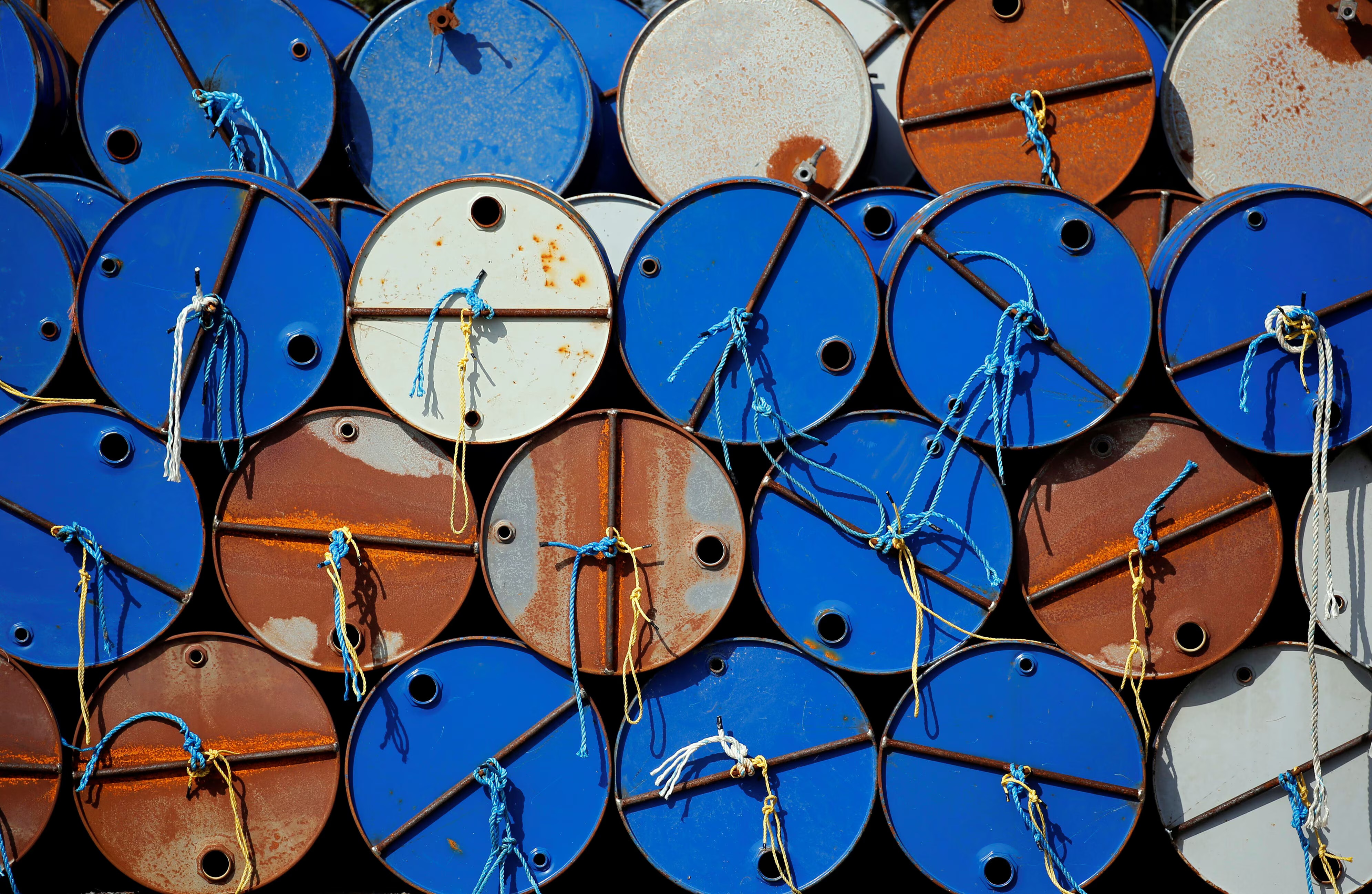
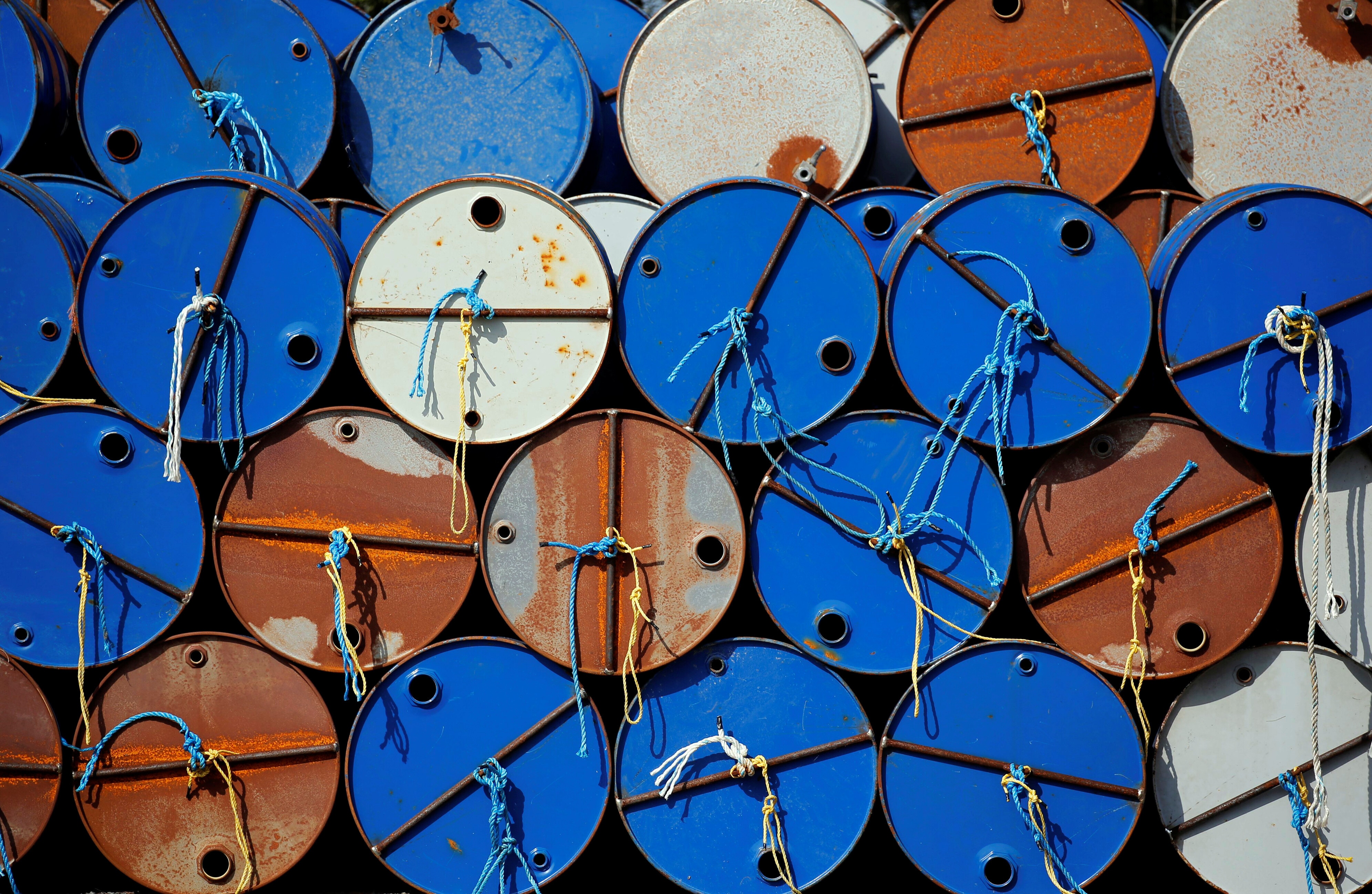
自2月美以伊冲突爆发以来,油价呈现出剧烈波动。国际局势始终对能源市场产生着影响。本文带您了解在关键政治与经济时刻,油价是如何变化的。
The majority of the 57 million people living with dementia have Alzheimer’s disease. From AI diagnoses to new drugs, here are some recent breakthroughs.
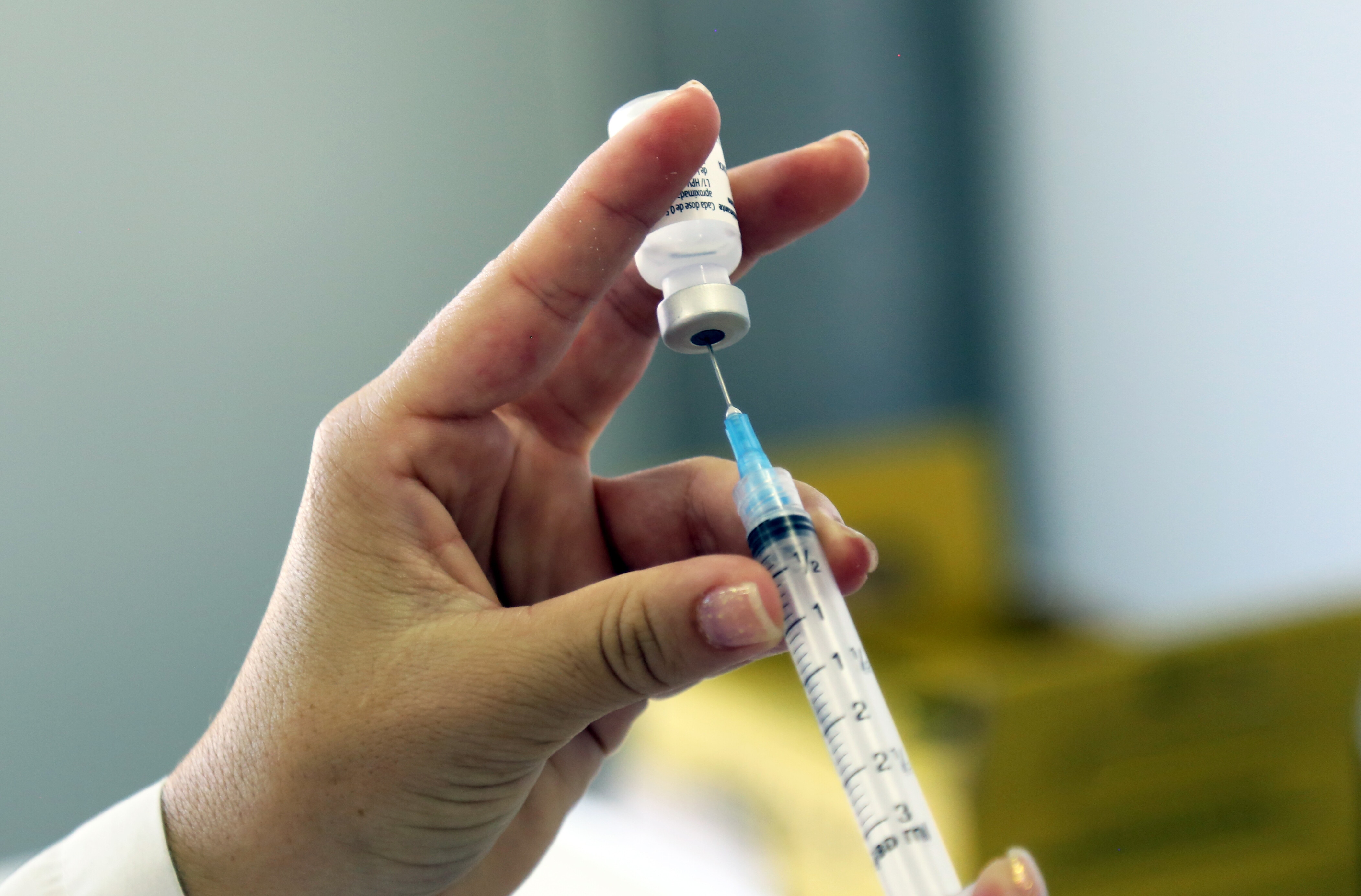
To mark World Immunization Week, we look back at the development of the world’s many life-saving vaccines, from smallpox and COVID-19 to a possible universal vaccine.
From the financial crisis of 2008 to the current conflict in Iran, the cost of a barrel of crude oil is influenced by world events and economic shifts, as this chart shows.
Café, aire limpio e incluso una vacuna contra el herpes zóster: esto es lo que la ciencia dice que podría ayudar a retrasar la demencia y el Alzheimer.
随着全球经济从多边体系向单边体系转变,人工智能(AI)重塑工作方式,全球金融体系也正经历深刻变革。从数字钱包到互联网金融体系,本文为您阐释货币体系正如何被重构,以及这对经济增长与安全意味着什么。
Sommalife co-founder, Mawuse Christina Gyisun, talks to the World Economic Forum about how the company's digital technology platform is connecting women smallholders with international bu...
健康的な生活習慣が認知症リスクを低減することは広く知られていますが、最近の研究では、より具体的な、時に予想外の要因も関与している可能性が明らかになっています。 ほぼすべての国で高齢化が進む中、認知症の患者数は2021年の5,700万人から2050年には推定1億3,900万人へと急増すると予測されています。
Tras pasar 72 horas en una grieta a 300 metros de profundidad, Anurag Maloo convierte su milagroso rescate en una cruzada global contra el deshielo.
Coffee, clean air and even a shingles jab – here’s what science says could help delay dementia and Alzheimer’s.
「グローバル経済の基盤は分断化していますが、世界はその変化に適応しつつあります」。 地政学的な状況が絶えず変化し、グローバル経済が「根本的な変革を遂げる」中で、その適応とは具体的にどのような姿なのでしょうか。そして、それは通貨の未来をどこへ導くのでしょうか。
Global financial systems are undergoing profound change. From digital wallets to the internet financial system, four experts explore where money is heading.
After surviving 3 days trapped in a glacier, Anurag Maloo now uses his miraculous rescue to champion global climate action for the world's melting ice.
At Davos 2026, Kristalina Georgieva, Managing Director of the International Monetary Fund, explained why the global economy is proving more resilient than expected.