How Latin America is tackling plastic pollution in the Motagua River and the Galápagos Islands
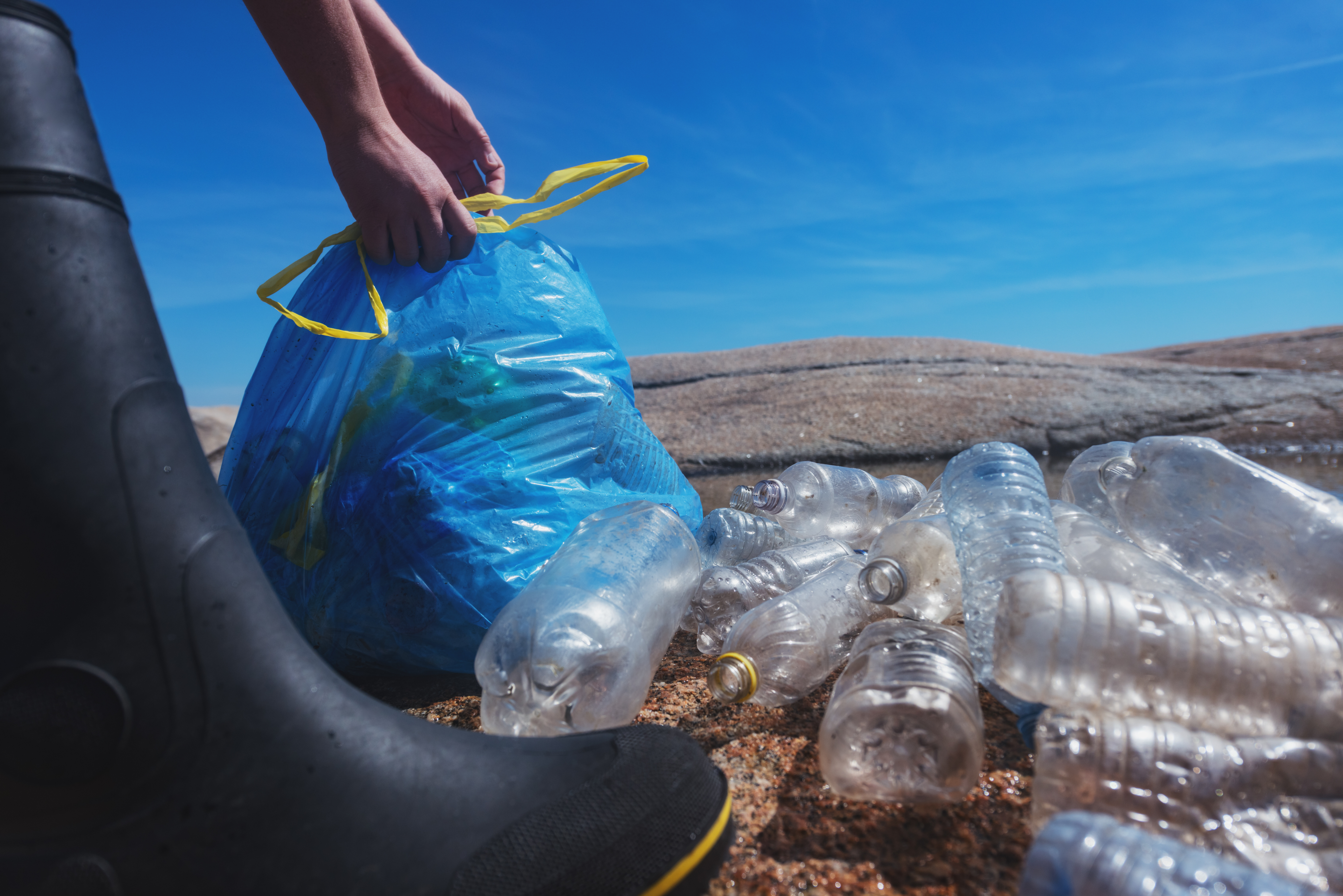
Plastic pollution often flows into rivers, coastlines and marine ecosystems. Image: Getty Images/iStockphoto/shaunl
María Daniela Limongi Izaguirre
Vice Minister of Environment, Ministry of Environment, Water and Ecological Transition of EcuadorEdwin Josue Castellanos
Vice-Minister of Natural Resources and Climate Change, Ministry of Environment and Natural Resources of GuatemalaMarisol Argueta de Barillas
Head of the Regional Agenda, Latin America; Member of the Executive Committee, World Economic Forum- Almost 8 million tonnes of mismanaged plastic waste is generated in the Latin America and the Caribbean region every year.
- Efforts to curb plastic pollution in Guatemala's Motagua River and Ecuador's Galápagos Islands illustrate both the scale of this challenge and the determination to act.
- The region's governments are using policy, market-based solutions and industrial strategy to turn this challenge into a development opportunity.
Plastic pollution will not stop anytime soon without urgent and determined action. Clear, science-based roadmaps and bold public–private collaboration are critical to turning this crisis into an opportunity.
Latin America and the Caribbean generates almost 8 million tonnes of mismanaged plastic waste every year and much of it flows into the region’s rivers, coastlines and marine ecosystems. Around 40 million people in the region do not have access to essential collection services.
The consequences are stark. Open burning of plastic waste affects people’s health and can threaten biodiversity hotspots. As a result, opportunities for improving livelihoods are limited, especially for those who depend on tourism or fishing for a living.
Yet Latin America is also becoming a global leader in transforming the plastic pollution challenge into opportunities through a multistakeholder effort that involves governments, industries and companies across the plastic value chain and civil society.
Cleaning Guatemala’s Motagua River
Stretching from Guatemala’s highlands to the Caribbean coast, the Motagua River is often considered one of the most polluted rivers in the region. It drains a significant amount of the uncontrolled waste from the 3 million inhabitants of the metropolitan area of Guatemala's capital city.
Plastic waste from its upstream communities and inadequate disposal infrastructure finds its way to beaches and coral reefs, threatening the livelihoods of more than five million people and ecosystems across borders. According to some estimates, this contributes around 2% of all plastic waste that enters the world’s oceans every year.
The Guatemalan government has responded with urgency to this plastic pollution challenge. It recently secured a $250 million loan from the Inter-American Development Bank to build a wastewater treatment plant and solid waste facilities serving multiple municipalities. The government has also made infrastructure investments to capture and process waste, including river barriers and waste separation and recycling facilities.
By issuing an order to close one of two Guatemala City dump sites, the government is helping to curb uncontrolled waste leakage. Various multistakeholder initiatives are also bringing together the key actors of the Guatemalan plastic value chain to work on systemic solutions to address plastic pollution in the country.
Tackling the Motagua River’s pollution is not just a local challenge. It's a regional priority that will showcase how coordinated human endeavour can overcome an unprecedented burden and transform it into opportunities for coastal communities.
Protecting the Galápagos Islands natural legacy
The oldest Galápagos tortoise on record was born well before the first synthetic plastic was invented in 1907. Nowadays, Galápagos is no stranger to the impacts of plastic pollution, despite barely creating any itself.
The islands are renowned for their unique biodiversity but, despite Ecuador’s strict conservation measures, ocean currents bring plastic marine debris from across the Pacific. This threatens Galápagos species found nowhere else on the planet.
Ecuador is stepping up by setting regulations on single-use plastics in the Galápagos, with a phased ban on products like plastic bags, straws and containers. National incentives for circularity also incentivise the collection of plastic packaging such as plastic bottles, ensuring the value of plastics are kept in the economy. And a Roadmap for Action on Plastics in Ecuador, with targeted interventions backed by evidence and science, aims to reduce plastic pollution by 60% from 2022 levels by 2040.
Protecting the Galápagos is not only a national duty but a global responsibility. Plastic pollution knows no borders – neither should its solutions.
Regional leadership on plastic pollution
Addressing this global challenge requires collective action that transcends borders, with countries working together to align strategies and share solutions. Countries in Latin America and the Caribbean are coordinating strategies, pooling resources and sharing lessons to accelerate the transition to a circular economy.
This momentum is being supported by a range of initiatives as part of the World Economic Forum’s Global Plastic Action Partnership (GPAP).
There are nine National Plastic Action Partnerships across Latin America – Guatemala, Ecuador, Panama, Costa Rica, Dominican Republic, Paraguay, Peru, Colombia and Mexico City – which provide local commitment and ownership, data-driven and inclusive roadmaps, and cross-sectoral collaboration to address plastic pollution. The Working Group on Plastics of the Circular Economy Coalition of Latin America and the Caribbean, led by GPAP, creates a unique space for countries to align national priorities for plastics circularity and unlock financing.
Private sector leadership is equally important. Across the region, companies and business associations are working with governments and communities on circular solutions that aim to drive economic development while tackling plastic pollution at scale.
A critical moment to address plastic pollution
The last round of negotiations for a global plastic pollution treaty in August 2025 in Geneva did not achieve a consensus. Without a global agreement in place, regional leadership becomes more important than ever. Plastic pollution is not going to stop. In fact, plastic leakage to the environment is projected to double by 2060 if no meaningful action is taken.
The stories of the Motagua River and the Galápagos Islands are a reminder that plastic pollution is both hyperlocal and deeply global. Local communities bear the brunt of waste mismanagement, but their actions can ripple outward, influencing regional and global frameworks.
Guatemala and Ecuador are two examples of countries with a strong ambition to address the plastic pollution challenge. Both have launched their National Plastic Action Partnerships and are members of the High Ambition Coalition to End Plastic Pollution, alongside 10 other Latin American and Caribbean countries.
The region has already shown that leadership on plastic action is possible, even in the face of immense challenges. By continuing to scale these local, national and regional efforts, Latin America and the Caribbean can protect its own ecosystems while generating unique opportunities to develop and improve the lives of its diverse communities. This will help to chart a path for the world, showing how a challenge can become an opportunity for just and sustainable development.
Don't miss any update on this topic
Create a free account and access your personalized content collection with our latest publications and analyses.
License and Republishing
World Economic Forum articles may be republished in accordance with the Creative Commons Attribution-NonCommercial-NoDerivatives 4.0 International Public License, and in accordance with our Terms of Use.
The views expressed in this article are those of the author alone and not the World Economic Forum.
Stay up to date:
Latin America


Forum Stories newsletter
Bringing you weekly curated insights and analysis on the global issues that matter.
More on Nature and BiodiversitySee all

Adriana Mata and Judith Ketelslegers
April 9, 2026


