Tropical deforestation's toll on human life, and other climate and nature news
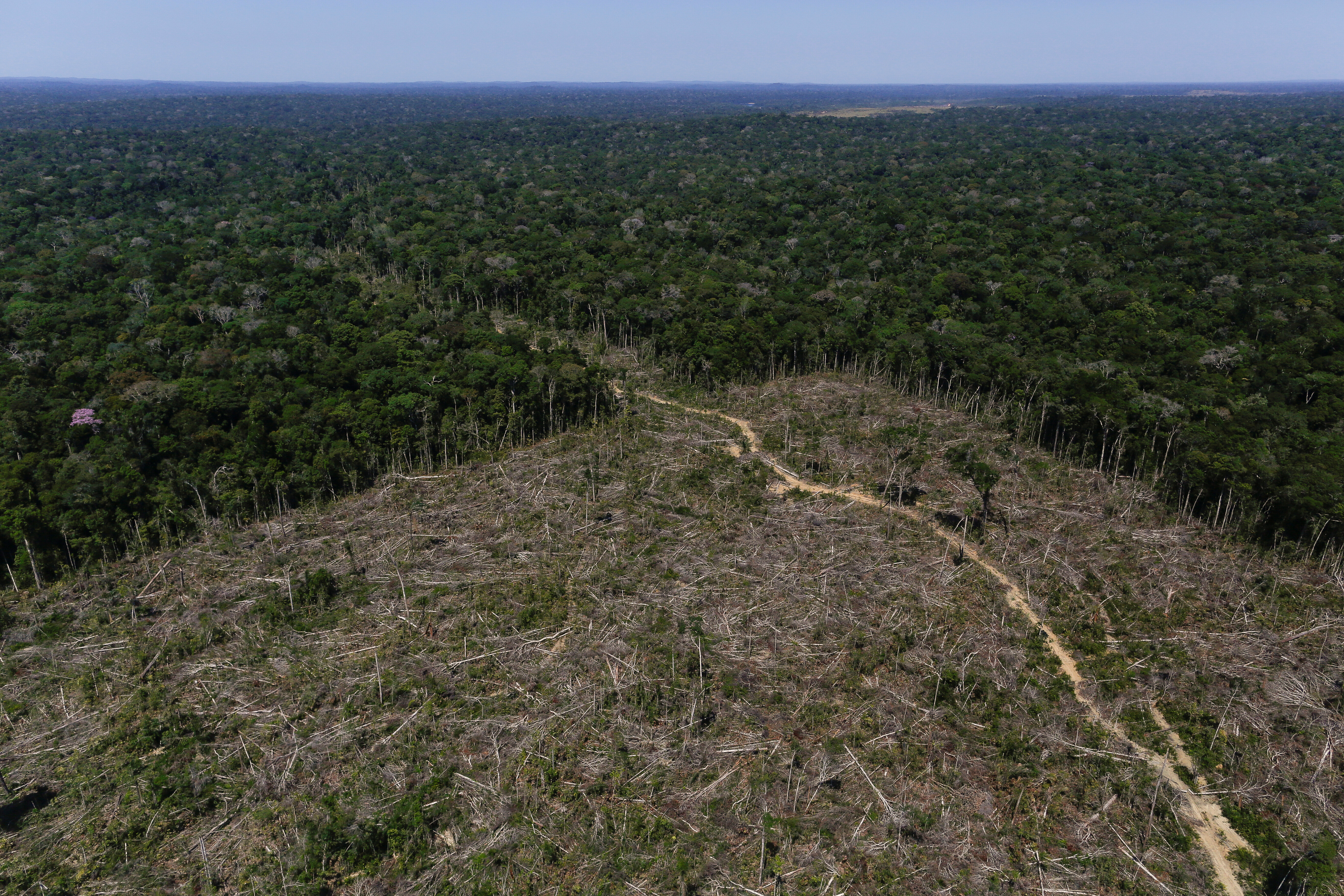
Tropical deforestation is exposing millions of people in affected regions to increased temperatures. Image: REUTERS/Bruno Kelly
- This round-up contains the key nature and climate news from the past week.
- Top nature and climate news: Deforestation in the tropics is driving up temperatures; Pakistan's Punjab region deals with extreme flooding; Collapse of critical ocean current system no longer a 'low-likelihood' event.
1. Deforestation in the tropics has killed half a million people in two decades
Tropical deforestation caused 28,330 heat-related deaths a year in the first two decades of this century, a study published in Nature has found.
Researchers analyzed satellite data to show that tropical deforestation from 2001 to 2020 exposed 345 million people to increased temperatures. For 2.6 million of them, the additional heating added 3C to their heat exposure.
Deforestation reduces shade and rainfall while increasing the risk of wildfires, all driving up temperatures.
Deforestation could be responsible for over one-third of the warming experienced by people in the affected regions, which the authors say highlights the importance of protecting tropical forests.
Over the past two decades, Brazil has contributed the most to global tropical primary forest loss, as the graphic below illustrates.
2. Over one million people have been evacuated from Pakistan's Punjab region
More than one million people have been evacuated from Pakistan's Punjab province due to flooding, Reuters reports.
A combination of monsoon season rain and India's release of excess water from its dams swelled three rivers that flow into the eastern province, causing flooding in more than 1,400 villages.
"We spent the whole night awake and frightened," one labourer told Reuters as he waded through the water with one of his children. "Everyone was frightened. Kids cried. Women were worried. We were helpless," he said.
Punjab is home to half of Pakistan's population, and as a major producer of wheat, rice and cotton, this flooding will damage livelihoods in the region.
3. News in brief: Other top nature and climate stories this week
The collapse of the Atlantic meridional overturning circulation (AMOC) – a critical Atlantic current – is no longer a low-likelihood event, as was previously stated by researchers. A new study finds that the tipping point that makes an AMOC shutdown inevitable is likely to be reached within a few decades, with the actual collapse happening between 50 to 100 years later.
The video below explains how this system works and what the potential impacts of a shutdown could look like.
Recent wildfires in Spain and Portugal have contributed to what has now been confirmed as the worst European Union wildfire season since records began back in 2006, according to the Copernicus European Forest Fire Information System. Over two-thirds of the total area burned in the EU this year is in Spain and Portugal alone.
In China, officials have estimated that this flood season's extreme rain has caused $2.2 billion in road damage. The government has allocated 5.8 billion yuan in fresh funding for disaster relief since April, Reuters reports.
Mexico's jaguar population is up 30% since 2010, with the 2024 population standing at 5,326 jaguars. This figure still makes them an endangered species however, with the national figure needing to rise to 8,000 to be considered out of the extinction danger zone.
Where do you go for trusted climate information? If you live in the global South, chances are that you think scientists are your best bet. A survey has found that scientists are the most trusted source of information for climate change in some of the largest global South countries, ranking above newspapers, friends and social media.
4. More on the nature and climate crisis from Forum Stories
In 2024 alone, extreme weather events caused $320 billion in damages – yet less than half of those losses were insured. As affordability and availability of insurance shrink, so too does society’s collective ability to manage risk. If this issue is left unaddressed, it will destabilize markets, deepen inequality and derail progress toward climate and development goals. Find out what needs to change, in this article from insurance experts.
So what's fuelling these extreme weather events? Watch the video below to find out.
Climate science is clearer than ever. The planet is warming - and even faster than predicted - due to the emission of greenhouse gases. Faced with the facts, where do businesses, policymakers and the rest of us go from here? In the below episode of #RadioDavos, we get the latest in climate science from Johan Rockström, director of the Potsdam Institute for Climate Impact Research:
License and Republishing
World Economic Forum articles may be republished in accordance with the Creative Commons Attribution-NonCommercial-NoDerivatives 4.0 International Public License, and in accordance with our Terms of Use.
The views expressed in this article are those of the author alone and not the World Economic Forum.
Related topics:

Forum Stories newsletter
Bringing you weekly curated insights and analysis on the global issues that matter.
More on Climate Action and Waste Reduction See all

Temidayo Akenroye and Hushneara Begum
April 10, 2026


