Global Biodiversity Week in Colombia could move the dial on nature financing

Cali, Colombia, hosts the first UN Biodiversity Week. Image: REUTERS
- Less than 1% of financing reaches the communities and ecosystems safeguarding the planet.
- Initiatives are pushing investment models that embed Indigenous knowledge and ecosystem regeneration into economies.
- Latin America’s ecological and cultural wealth is at the heart of reimagining regenerative economies, with Cali, Colombia, hosting the first UN-backed Global Biodiversity Week.
This September, Cali, Colombia, once again becomes a compass for the planet.
A year after carrying the spirit of the 2024 United Nations Biodiversity Conference (COP16), the city opens its doors to the first Global Biodiversity Week, endorsed by the UN Convention on Biological Diversity and led by Cali’s government in partnership with the Inter-American Development Bank, NaturaTech LAC, the UK government and others.
Here, in the living heart of Latin America, home to 40% of the world’s biodiversity, a third of its freshwater, a quarter of its mangroves and more than half of its primary forests, the world gathers to face a defining challenge: can we reimagine economies that regenerate rather than deplete the living systems that sustain us?
The stakes are impossible to ignore. One million species are on the brink of extinction. Over half of the global economy ($44 trillion in gross domestic product) depends directly on nature’s services and is threatened by their collapse.
Latin America and the Caribbean carry both the abundance and the contradiction of this reality: the Amazon acting as the lungs of the planet, the Chocó sheltering species found nowhere else or millions of Indigenous guardians defending rivers and forests with vigilance.
And yet, less than 1% of financing reaches these communities. Those who protect the most still receive the least.
This is why finance is not a side conversation. It is at the core.
Reimagining nature finance
The rupture between abundance and scarcity is one of the great failures of our era and fixing it requires a new financial architecture. The World Economic Forum’s and UpLink Nature Returns Challenge, launched during Climate Week, placed this truth in full view.
Run in partnership with Mercuria and its investment vehicle Silvania and seven ecosystem partners, including NaturaTech LAC, Africa Natural Capital Alliance and VentureSouq, among others, the initiative sought early-stage investors who reimagined how money flows to nature, ventures restoring ecosystems, securing freshwater, regenerating soils and embedding Indigenous knowledge into finance.
The current cohort offers a glimpse of what is possible: fragile but promising models that investors can help scale. For example, Earth Venture Capital has deployed capital in solutions such as Treetoscope, which has developed a novel approach to direct plant sensing.
Meanwhile, Natural Capital is pioneering a new model that combines philanthropic and commercial capital to finance large-scale landscape protection in Africa.
The numbers are undeniable: nature-positive business models could generate $10.1 trillion annually; water security alone will demand $13 trillion in investment in the next decade. Yet systemic barriers, unpredictable returns, regulatory gaps and contested land tenure keep capital locked away.
The challenge revealed both the appetite to act and the innovators already building pathways forward, such as Serena, an impact VC that is supporting ambitious nature entrepreneurs like Carbonfarm, and with a clear focus on AI and the latest advancements in science and engineering.
However, the truth that the challenge exposed – that investing in nature is not philanthropy; it is smart, forward-looking capital allocation – cannot remain an abstract debate on global platforms. It needs a ground to land on.
That is the promise of Global Biodiversity Week in Cali: to take these global finance questions and weave them with the realities, leadership and imagination rooted in rich biocultural regions such as Latin America and the Caribbean.
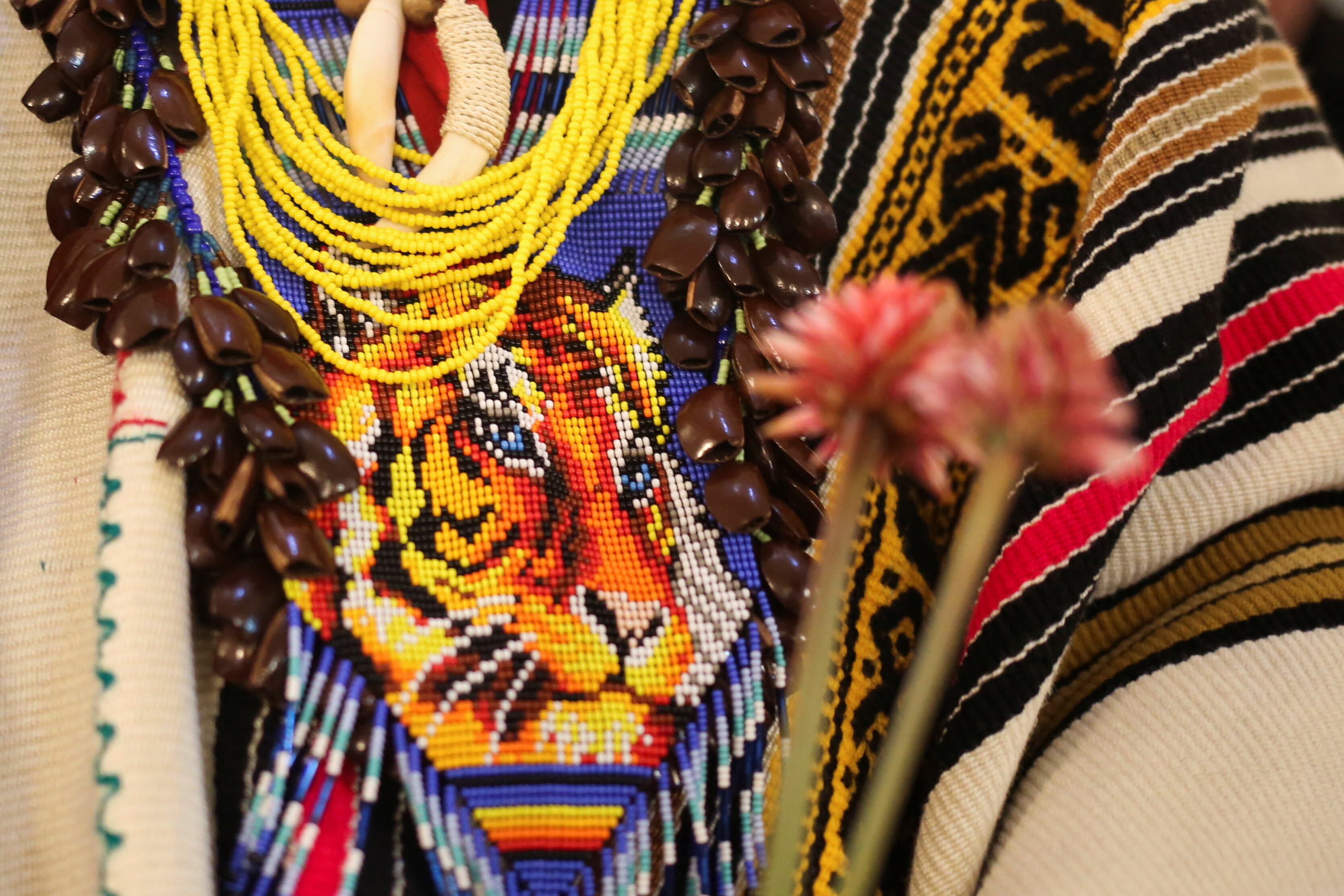
At its heart stands the CEIBA Summit, conceived as the nexus for trailblazers in biodiversity and natural capital systems. Indigenous leaders, policymakers, scientists, entrepreneurs and investors will sit at the same table to align strategies, forge alliances and chart concrete pathways forward.
The CEIBA Council, launched in this space, begins a long-term effort to shape multicultural and multisector governance for innovation for biodiversity and mobilize resources for regenerative solutions in Latin America and the Caribbean.
Sketching the blueprint of regenerative economies
This is not about standalone agendas; it is about rooting them in the ecological and cultural wealth of the region, ensuring those who live in biodiversity-rich territories define the frameworks meant to protect them.
The circle opens wider with the CEIBA Open Encounter: governments, communities, startups, researchers, funds, artists and citizens who are all in the same arena. Initiatives such as NaturaLAC's collaborative platform Nature500 Startups will be launched as proof of what is possible when innovation, ancestral wisdom, finance and technology weave together.
The real power of this encounter lies in its connections: forests and finance, algorithms and traditions, and policy and poetry – expanding the meaning of biodiversity in daily life.
What begins in Cali will echo far beyond Latin America and the Caribbean. The future of economies, the resilience of societies and the well-being of future generations all depend on whether capital finally finds its way to ecosystems and the communities that safeguard them.
The meaning of this week lies not only in its events but in the architectures it begins to build: new alliances, funds and governance models that anchor ambition in reality.
Ecosystem-based pioneering innovation and investment efforts launched these past days, such as the Forum and UpLink’s Nature Returns Challenge, CEIBA Innovation and Investment High Level Council for Latin America and the Caribbean and the Global Biodiversity Week are examples of what it means to sketch the blueprints of regenerative economies the world urgently needs.
When nature speaks, Cali listens. And through the UpLink Nature Returns Challenge, CEIBA and other initiatives presented towards the 2025 United Nations Climate Change Conference (COP30) and beyond, that voice will carry into finance, into regenerative-focused markets, into policies. It will carry into the very decisions that will shape the challenges and opportunities of this generation.
Don't miss any update on this topic
Create a free account and access your personalized content collection with our latest publications and analyses.
License and Republishing
World Economic Forum articles may be republished in accordance with the Creative Commons Attribution-NonCommercial-NoDerivatives 4.0 International Public License, and in accordance with our Terms of Use.
The views expressed in this article are those of the author alone and not the World Economic Forum.
Stay up to date:
Nature and Biodiversity


Forum Stories newsletter
Bringing you weekly curated insights and analysis on the global issues that matter.
More on Nature and BiodiversitySee all

Jack Hurd and Sir Andrew Steer
February 17, 2026


