How antimicrobial resistance is risking blood cancer treatment
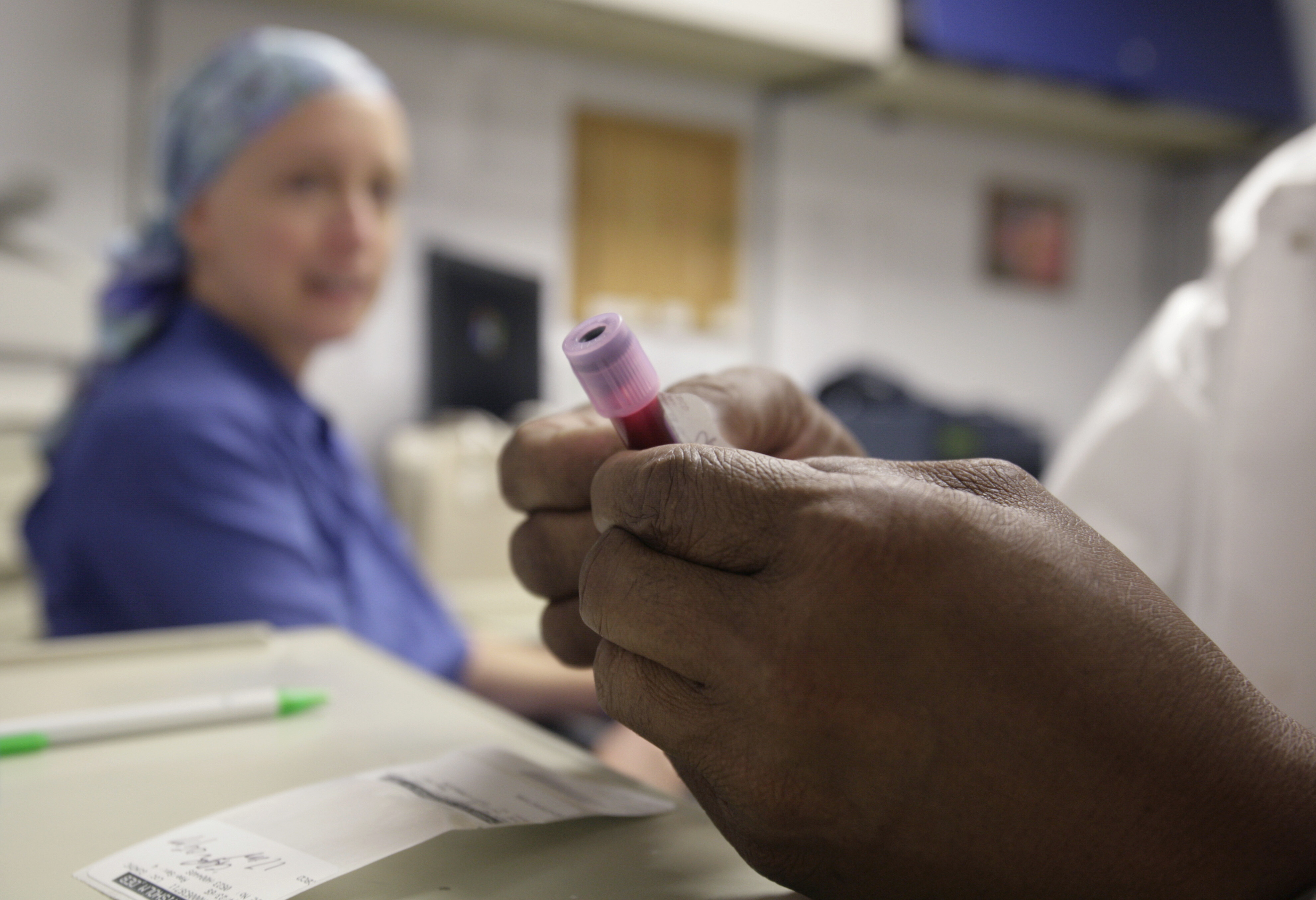
Building antimicrobial resistance readiness into oncology requires a multifaceted approach. Image: REUTERS/Jim Bourg
- Effective antimicrobials are essential to deliver cancer treatments safely but rising resistance increases infection risks, particularly in heavily immunosuppressed blood cancer patients.
- Clinical trials often underestimate the impact of infections and antimicrobial resistance, frequently underreporting the severity of bloodstream infections, sepsis and multidrug-resistant pathogens.
- Building antimicrobial resistance-readiness into oncology requires stronger infection surveillance, stewardship programmes, investment in supportive care and appropriate policies.
Cancer care has entered a new era of innovation. Advances in immunotherapy, targeted treatments and cellular therapies are transforming patient outcomes. Yet all these breakthroughs rest on a fragile foundation: antimicrobials.
Without effective infection prevention and treatment, chemotherapy cannot be delivered safely, stem cell transplants cannot proceed, immune-based therapies become less feasible, clinical trials face disruption and oncology pipelines risk losing momentum.
The scale of the challenge is sobering. Antimicrobial resistance was associated with nearly 4.95 million deaths worldwide in 2019.
Forecasts now warn of 39 million cumulative deaths over the next 25 years. Despite this scale, resistant infections remain almost invisible in oncology trials. This is a blind spot that threatens patient outcomes, the resilience of global cancer innovation and the sustainability of future markets.
The burden of infection in cancer care
Infection is already the second leading cause of death in patients with cancer, after progression of the disease itself. Recent multicentre studies in the United States highlight how antimicrobial resistance compounds this risk.
In outpatients with cancer, resistant pathogens were up to three times more common than in non-cancer populations. Among hospitalized patients, antimicrobial resistance rates for key pathogens were 1.5 to 2 times higher than those in patients without cancer.
For patients with haematological malignancies, the risks are especially acute. These cancers account for 6.6% of all diagnoses and 7.2% of cancer-related deaths globally. In the United States alone, someone is diagnosed with a blood cancer every three minutes.
Both the disease and its treatments leave patients profoundly immunosuppressed, making survival heavily dependent on timely access to effective antimicrobials.
The disconnect between trials and real-world conditions
Our review of haematology-oncology studies revealed inconsistent and incomplete reporting of infections, with microbiological and resistance data largely absent. In the literature, bloodstream infections have featured prominently, with prevalence ranging from 22% to 45%, depending on the patient population, treatment type and clinical setting.
Multidrug-resistant gram-negative pathogens were a recurring theme, particularly extended-spectrum beta-lactamase-producing enterobacteriaceae, and vancomycin-resistant enterococci in heavily pre-treated populations – these can lead to serious, difficult-to-treat infections.
However, trial data painted a different picture. Analysis of 27 haematology-oncology trials found infections to be among the most frequent adverse events but with reporting concentrated on respiratory infections (50.6% of cases) and sepsis-related complications (16.2%).
Across drug classes, respiratory infections were consistently the most common, while sepsis-related events ranked among the top three categories for cytotoxic chemotherapy, combination regimens and targeted therapies. Targeted therapies carried the highest burden, affecting more than 40% of participants, while monoclonal antibodies were associated with lower infection rates.
These discrepancies reflect systematic differences in reporting between clinical trials and real-world studies. Critically, trials seldom demonstrated whether infections contributed to death or treatment discontinuation, obscuring the true clinical impact. Most significantly, antimicrobial resistance data were absent altogether as no trial systematically captured resistance or colonization information, leaving the role of multidrug-resistant pathogens invisible.
Geographic imbalances
The gaps are not only in data collection but also in geography. Clinical trials are concentrated in Europe, North America and East Asia. In contrast, real-world studies reviewed include high-burden settings, such as Argentina, India, Turkey, Pakistan and China, regions where antimicrobial resistance prevalence is highest and where demand for oncology treatments is expected to grow most rapidly.
The result is a disconnect between the evidence base and real-world conditions. For patients, this translates into higher non-relapse mortality, treatment interruptions and reduced feasibility of immunosuppressive therapies.
For clinical trials, it creates the risk of attrition, delays and protocol failure in high-resistance settings. For pharmaceutical companies, it means the emergence of blind spots. Underestimating antimicrobial resistance is to underestimate disruption risk.
Implications for cancer innovation
The consequences of these blind spots extend well beyond patient care. If left unaddressed, antimicrobial resistance could erode the safety and feasibility of breakthrough therapies, compromise clinical trial outcomes and diminish the commercial sustainability of oncology portfolios.
Frequent, severe and treatment-resistant infections are no longer a tolerable side effect but a direct threat to patient survival and to the resilience of the innovation ecosystem.
For pharmaceutical companies, the impact is strategic. Failure to integrate antimicrobial resistance into oncology development risks patient safety and market viability. Costs will be measured not only in terms of patient outcomes but also in terms of lost revenue, slower market access and diminished treatment effectiveness.
How the Forum helps leaders strengthen health systems through collaboration
Building antimicrobial resistance readiness into oncology
Antimicrobial resistance is both a clinical and commercial disruptor for oncology. To future-proof innovation, companies, regulators and policymakers must act decisively across several priority areas:
- Build antimicrobial resistance-readiness into clinical development: Integrate baseline colonization screening, region-specific prophylaxis and infection surveillance into trial design; and expand trial geographies to include high-growth, high-antimicrobial resistance markets.
- Strengthen microbiology infrastructure and surveillance: Support diagnostics and routine resistance monitoring at trial sites, linking findings to adverse event reporting to identify emerging hotspots early.
- Partner on stewardship and prevention: Embed stewardship programmes in trials to reduce unnecessary antibiotic use and protect microbiome integrity; and tailor prophylaxis strategies to resistance patterns in trial geographies.
- Diversify the supportive care portfolio: Invest in adjunctive products such as anti-infectives, vaccines or pathogen-specific monoclonal antibodies; and explore bundled offerings that pair oncology regimens with infection prevention.
- Leverage digital and real-world evidence: Use predictive analytics to detect early infection signals and draw on real-world data from high-burden regions to demonstrate antimicrobial resistance’s impact on survival, adherence and cost-effectiveness.
- Shape policy and competitive advantage: Position antimicrobial resistance mitigation as a shared public-private priority; engage with policymakers to unlock incentives and differentiate portfolios.
Acting now to secure the future
Without action, antimicrobial resistance threatens patient survival and undermines the sustainability of oncology innovation. The costs of inaction will be measured in lives lost, stalled pipelines and diminished market potential.
Decisive action today can secure the long-term impact of innovation across global cancer care. Leaders who embed antimicrobial resistance readiness into oncology trials, portfolios and policies will protect patients and ensure trial feasibility, as well as sustain the resilience of global cancer innovation.
The fight against antimicrobial resistance is inextricably linked to the future of oncology and the time to act is now.
Daniel Mora-Brito, EMEA Thought Leadership, Global Health, IQVIA, also contributed to this article.
Don't miss any update on this topic
Create a free account and access your personalized content collection with our latest publications and analyses.
License and Republishing
World Economic Forum articles may be republished in accordance with the Creative Commons Attribution-NonCommercial-NoDerivatives 4.0 International Public License, and in accordance with our Terms of Use.
The views expressed in this article are those of the author alone and not the World Economic Forum.
Stay up to date:
Vaccination


Forum Stories newsletter
Bringing you weekly curated insights and analysis on the global issues that matter.
More on Health and Healthcare SystemsSee all

Rana Dajani and Ahmad Jadallah
October 12, 2026


