We need more young farmers. Here’s how skills and regenerative agriculture can help feed the future
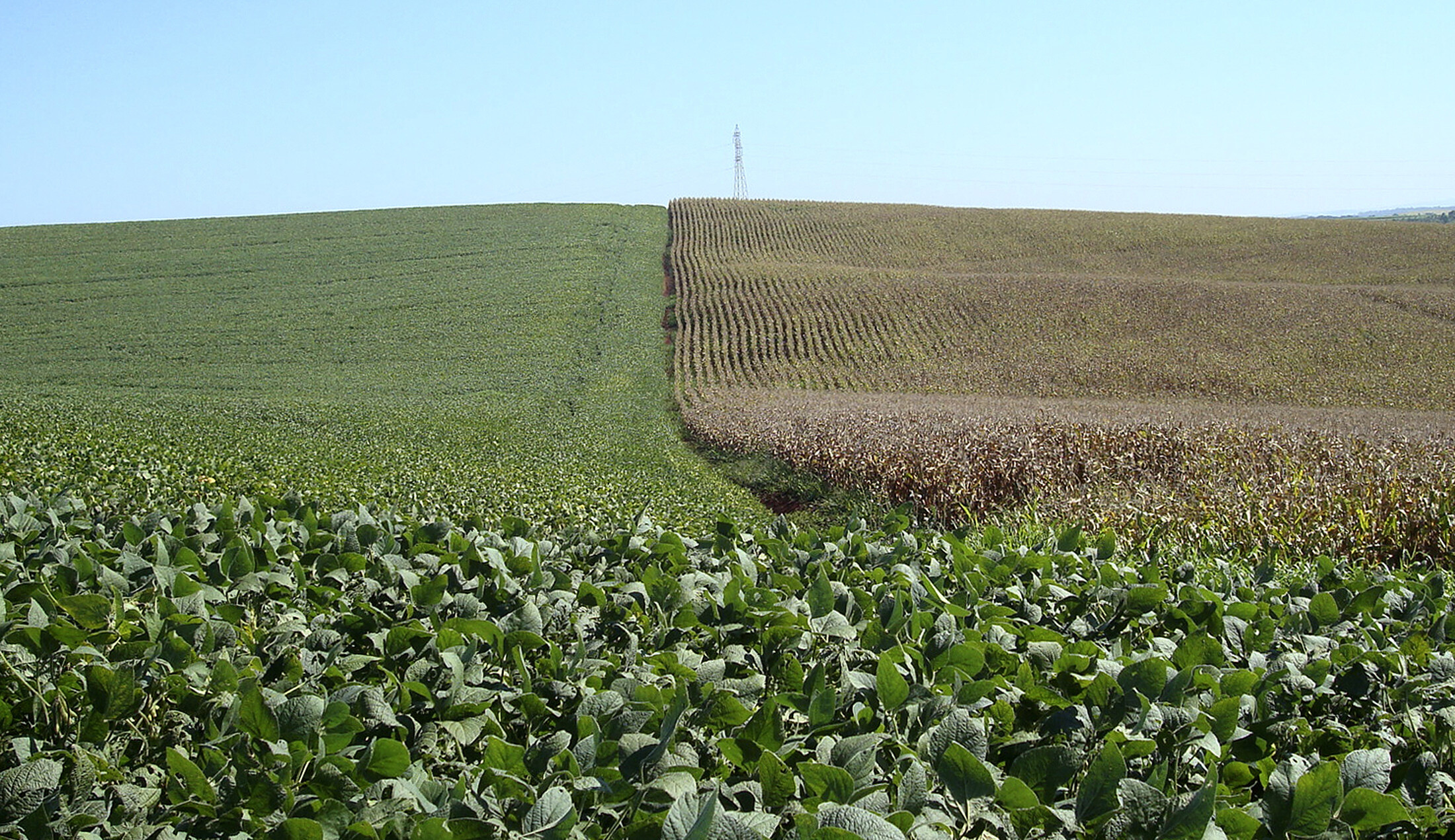
Tech-enabled regenerative agriculture offers a pathway to restore ecosystems Image: REUTERS/Inae Riveras (BRAZIL)
- Attracting young people into farming is a critical opportunity to drive the agricultural transition towards regenerative farming approaches.
- Tech-enabled regenerative agriculture offers a pathway to restore ecosystems, improve farmer livelihoods and make agriculture more attractive to the next generation.
- New skills can cast farming as a future-ready career, empower youth as agripreneurs and drive the systemic change needed for resilient food systems.
The demographics of farming are evolving – with an ageing workforce, it’s time to attract young people into agriculture by providing them with better conditions.
Fewer than one in 20 farmers globally is under 35; in some countries, the average age is pushing 60. This trend, combined with declining youth interest, threatens the future of food production just as global demand is rising.
According to the World Economic Forum’s Future of Jobs Report 2025, agriculture is expected to create 35 million additional jobs by 2030 – one of the largest employment surges worldwide.
However, the sector faces mounting challenges: poor soils, unpredictable weather and rising costs. Regenerative agricultural practices and emerging technologies offer a way forward, restoring ecosystems and improving food system resilience to climate shocks.
To draw young people into farming, regenerative agriculture must be perceived as both practical and promising.
By investing in practical training, accessible finance and innovation – within partnerships that unite governments, business and civil society – we can equip the next generation to make regenerative agriculture a viable livelihood and a foundation for resilient food systems.
Belterra Agroflorestas - Advancing regenerative agroforestry in the Amazon
Understanding regenerative agriculture
Regenerative agriculture’s approach is to conserve and restore the farming ecosystem, particularly by improving soil health. Soil is crucial for 95% of global food production. Healthy soils are a foundation for higher and more resilient yields in the future, helping to meet rising food demand.
Unfortunately, soil health is degrading, including from the overuse of heavy machinery, fertilizers and pesticides in farming.
Today, food production accounts for up to one-third of global greenhouse gas emissions and remains a leading cause of resource depletion and biodiversity loss.
Young people are not turning their backs on farming but they are seeking opportunities that align with their values, skillsets and ambitions, including a desire to shape a better world.
”Regenerative farming helps reverse this trend by improving the soil’s ability to retain carbon and water. Techniques include diverse cropping systems, agroforestry and livestock integration, all of which boost biodiversity and resilience.
In Africa, regenerative practices could raise crop yields by up to 40% in the coming decades, improving farmer livelihoods, soil health and ecosystems.
For Nestlé, building resilience in farms, communities and ecosystems strengthens the supply chain and is a business priority. By 2030, the company aims to source half its key ingredients from farmers using regenerative practices, reaching 20% by the end of 2025.
The World Economic Forum’s Food Innovation Hubs also demonstrate the power of partnerships between farmers, innovators, governments and businesses.
In Colombia’s Boyacá region, for example, the hub has created a new Centre of Excellence to support local producers with knowledge and tools for regenerative agriculture.
Through private sector collaboration, an early barley pilot achieved a 36% increase in productivity, demonstrating how ecosystem partnerships can drive both environmental and economic benefits.
Tomorrow's changemakers
Young people are not turning their backs on farming but they are seeking opportunities that align with their values, skillsets and ambitions, including a desire to shape a better world.
Regenerative agriculture aligns with these ideals, especially when combining knowledge of traditional and modern agricultural practices with entrepreneurship, technology and meaningful training.
Technology and artificial intelligence (AI) are contributing to agriculture’s transformation. Smart sensors, precision tools and AI-driven crop models are making regenerative practices more efficient, profitable and attractive to young innovators.
Real-time monitoring of weather, soil nutrients and water can also optimize inputs while boosting yields, cutting costs and emissions.
According to the International Labour Organization’s (ILO) Global Employment Trends for Youth 2024, aligning skills with evolving demands for green and digital capabilities is critical to reducing education mismatches.
Yet technology alone isn’t enough. The Food Innovators Network’s recent briefing paper on Data and Digital Readiness in Food Systems notes that digital innovation can transform food systems but the lasting impact depends on readiness, equity and trust, ensuring digital and AI solutions build inclusion and resilience rather than inequality.
Preparing tomorrow’s farmers, innovators and agripreneurs
Nestlé recognizes that farmers often learn best from peers and communities. The company, therefore, supports farmer training and upskilling to ensure they have the know-how to adopt regenerative techniques.
Nestlé collaborates with partner organizations to deliver interactive online training programmes to agronomists and agroforestry professionals.
These programmes focus on soil health, agroforestry practices and enhancing smallholder farming systems, helping to expand access to practical, science-based applications of regenerative agriculture.
Scaling impact requires all stakeholders – governments, businesses, civil society and innovators – to work together across the value chain.
”For viability, however, regenerative agriculture must make economic sense. Nestlé’s Income Accelerator Programme for cocoa farmers is one example.
By incentivizing school enrollment, rewarding certain agricultural methods and supporting alternative income sources, the programme improves productivity and moves farming households closer to a living income.
Similar programmes under the Nescafé Plan 2030 are enabling coffee farmers across Côte d’Ivoire, Indonesia, Mexico and Honduras to increase earnings while following regenerative agriculture practices.
Future-ready farming
Collaboration drives progress. From France’s Living Soils initiative to partnerships with AgroImpact, Cargill, and ETG | Beyond Beans, Nestlé is collaborating across value chains to strengthen ecosystems, using finance, training, innovation and mentorship to help young farmers succeed.
Technology and AI are catalysts for this change.
The Nestlé Institute of Agricultural Sciences is harnessing AI and data science to develop practical solutions that reduce the environmental impact of farming. For example, it is using AI to accelerate plant breeding, by helping identify high-yield, drought- and disease-resistant coffee varieties.
By investing in youth skills and technology, while embedding regenerative agriculture into food systems, we can cultivate a new generation of leaders who are agile, empowered and ready to grow a more resilient future.
Investing for success
Young farmers are central to a just transition in agriculture. To make regenerative farming viable and attractive, we must collectively invest in the fundamentals: access to land and finance, better education, training and technology.
Scaling impact requires all stakeholders – governments, businesses, civil society and innovators – to work together across the value chain.
Nestlé is one of many actors contributing to this shared effort, including an upcoming collaboration with Goodwall, connecting youth through digital platforms, storytelling and hands-on learning to promote agriculture as a future-focused career.
Complementing this, the World Economic Forum’s Food Innovators Network unites similar initiatives and institutions to build collective capabilities and drive collaboration at scale, ensuring young people have the skills, tools and ecosystems they need to lead the transformation.
As the World Food Forum, taking place in Rome from 13 to 17 October 2025, reminds us, the future of food depends on the next generation. Let’s build it with them, not for them.
Don't miss any update on this topic
Create a free account and access your personalized content collection with our latest publications and analyses.
License and Republishing
World Economic Forum articles may be republished in accordance with the Creative Commons Attribution-NonCommercial-NoDerivatives 4.0 International Public License, and in accordance with our Terms of Use.
The views expressed in this article are those of the author alone and not the World Economic Forum.
Stay up to date:
Youth Perspectives


Forum Stories newsletter
Bringing you weekly curated insights and analysis on the global issues that matter.
More on Food, Water and Clean AirSee all

Moattar Samim
February 21, 2026


