Digital power system transformation ‘essential’ – and more top energy stories
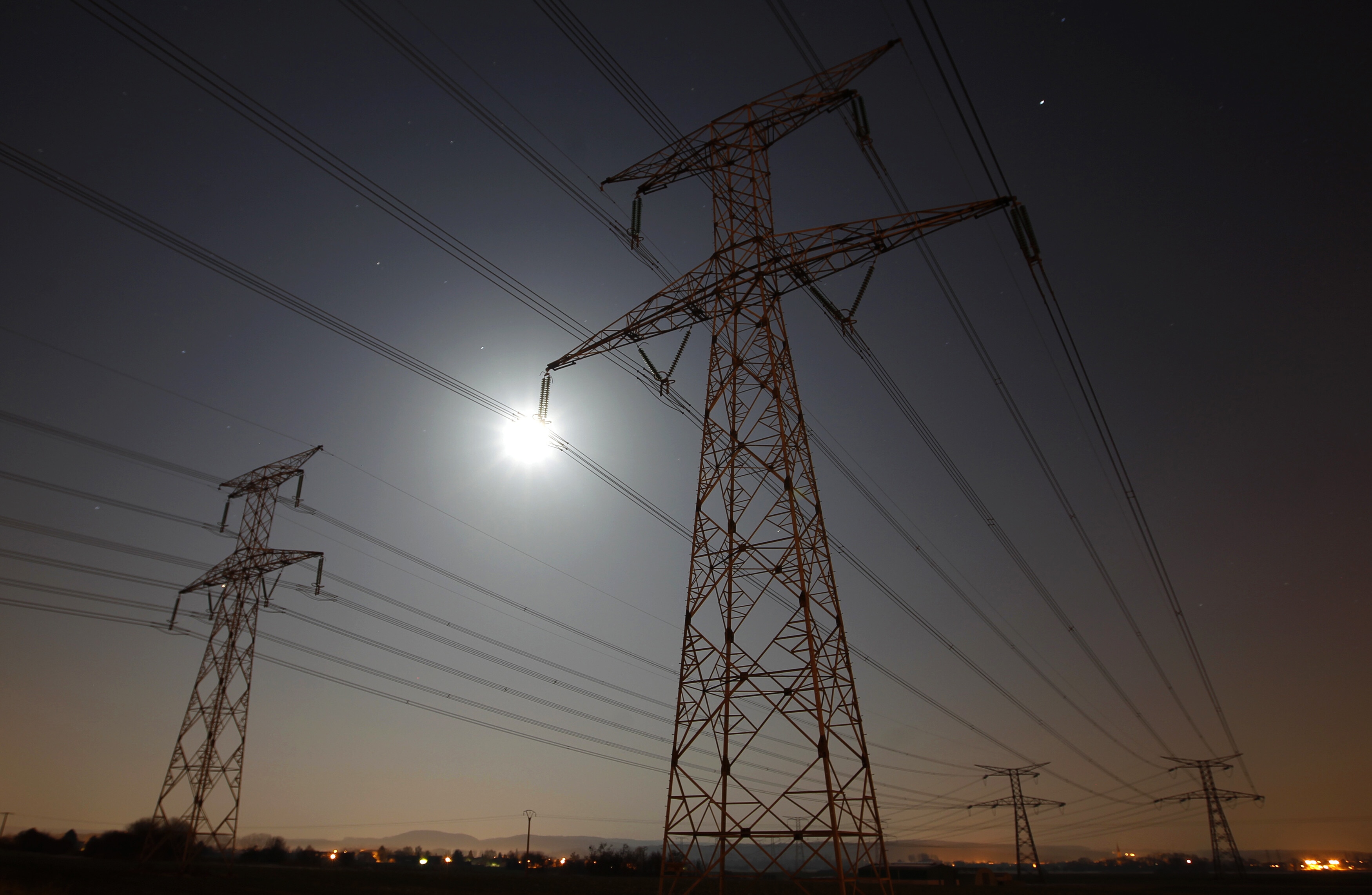
Digital transformation of power systems promises benefits for consumers and businesses. Image: REUTERS/Vincent Kessler
Roberto Bocca
Head, Centre for Energy and Materials; Member of the Executive Committee, World Economic Forum- This round-up brings you the key stories from the energy sector over recent weeks.
- Top energy news: Digital power system transformation ‘essential’; IEA's World Energy Outlook 2025; batteries ‘crucial’ to lives and economies.
- For more on the World Economic Forum’s work in the energy space, visit the Centre for Energy and Materials.
1. Digital transformation of power systems essential, says IRENA
The digital transformation of energy systems is no longer optional but a "decisive enabler" of electrification and decarbonization, according to a new report from the International Renewable Energy Agency (IRENA).
The agency’s Digitalisation and AI for Power System Transformation report, which it developed together with the G7 Presidency, says that the COP28 goal of tripling renewable energy capacity by 2030 can be "catalyzed by digitalization".
With many countries recognizing digitalization as a strategic priority in energy planning, the report highlights a window of opportunity for the G7 to "set the direction for power system transformation" and unlock benefits for consumers and businesses while boosting energy security and affordability.
IRENA identifies five key areas in which digital technologies can transform power systems: monitoring through smart sensors and metres; AI-enhanced forecasting for demand and renewable generation; operational optimization to reduce losses and congestion; end-use automation for demand response; and transparency through digital platforms and energy certificates.
The chart below, based on a BNEF analysis featured in the IRENA report, shows where digitalization in the power sector is currently focused.
2. World Energy Outlook 2025: IEA report
The International Energy Agency (IEA) has released its annual World Energy Outlook report, which explores the future of energy security, access and emissions.
Here are some of its key findings:
- Energy security concerns are on the rise due to geopolitical tensions, supply risks (especially critical minerals) and the vulnerability of electricity systems to cyber and weather threats.
- Global energy demand keeps rising, led by emerging economies like India and those in Southeast Asia, while energy use in richer countries levels off.
- The world is witnessing record growth in both fossil fuel and renewable energy use, but renewables — especially solar and wind— continue to be the fastest-growing sources.
- The availability and supply chain for critical minerals is now a real concern. The report highlights the need for more resilient and diverse supply chains.
- Grid investments are lagging behind power generation, creating risks of congestion and outages.
3. News in brief: More energy stories from around the world
The United States is looking to advance its energy ties with Greece, the US ambassador to the country has said. The US believes the country could become a key energy gateway to Europe, Kimberly Guilfoyle said. Greece has increased purchases of US liquefied natural gas (LNG) and built a second LNG terminal in a bid to become a major route for US-imported gas into Europe.
Australia is planning to require energy companies to offer three hours of free electricity to households during the day in a bid to use excess solar capacity and ease demand on the grid. Solar supply is strongest during the day in the country, where more than 4 million households have rooftop solar panels that generate more electricity than their residual coal-fired power stations.
A report from Schneider Electric says that energy companies in the Middle East are setting the pace for autonomous operations, with almost 80% of leaders reporting advanced operational readiness. Compared to the global energy sector, which typically operates at lower levels of autonomous operations – characterized by connected systems and visible data but still reliant on manual decision-making – many Middle East organizations claim to be operating with selective autonomy, where systems function independently in specific scenarios with limited human intervention.
Planned rules in India to require renewable energy producers to strictly adhere to their promised power delivery could hit company earnings and slow clean energy investment, according to industry letters reviewed by Reuters. Some wind projects could lose up to 48% of their revenue, it warned.
French state-owned power utility EDF is looking to finalize the conceptual design of a small modular reactor by 2026. The company is aiming to have up to 30 of the reactors in operation by 2050, it has said.
How the Forum helps leaders navigate the transition of energy and materials systems
4. More on energy from Forum Stories
Africa’s mineral supplies promise to put the continent at the heart of the global energy transition. A new study from the World Bank outlines the importance of ensuring the extraction of these minerals benefits local economies too – and the potential environmental and social costs of letting the wealth depart elsewhere. Read more about six pathways that will make sure these resources generate the millions of jobs young Africans need over the next decade.
Ten years on from the Paris Agreement, meeting the targets outlined in the UN climate treaty remains challenging. Digital intelligence will be key to decarbonization, as well as building agility and resilience into future energy systems. This article by Esther Finidori, Chief Sustainability Officer, Schneider Electric, and Lisa Wee, Chief Sustainability Officer, AVEVA Group, explains why COP30 in Brazil presents an opportunity to align ambition, digital capability and climate strategy.
Batteries are a growing problem for e-waste facilities, sparking fires in refuse trucks or processing lines. An AI system at an electricals-recycling plant in England is scanning electronic waste to identify batteries or gadgets with built-in batteries – such as vapes or earbuds – so they can be removed and the valuable minerals they contain can be recovered. Find out more in this video:
To learn more about the work of the Energy, Materials, Infrastructure Platform, contact Ella Yutong Lin: ellayutong.lin@weforum.org
License and Republishing
World Economic Forum articles may be republished in accordance with the Creative Commons Attribution-NonCommercial-NoDerivatives 4.0 International Public License, and in accordance with our Terms of Use.
The views expressed in this article are those of the author alone and not the World Economic Forum.

Forum Stories newsletter
Bringing you weekly curated insights and analysis on the global issues that matter.
More on Energy TransitionSee all

Kingsmill Bond and Sumant Sinha
March 25, 2026


