Electrification could save Europe €250 billion annually to reinvest in the energy transition
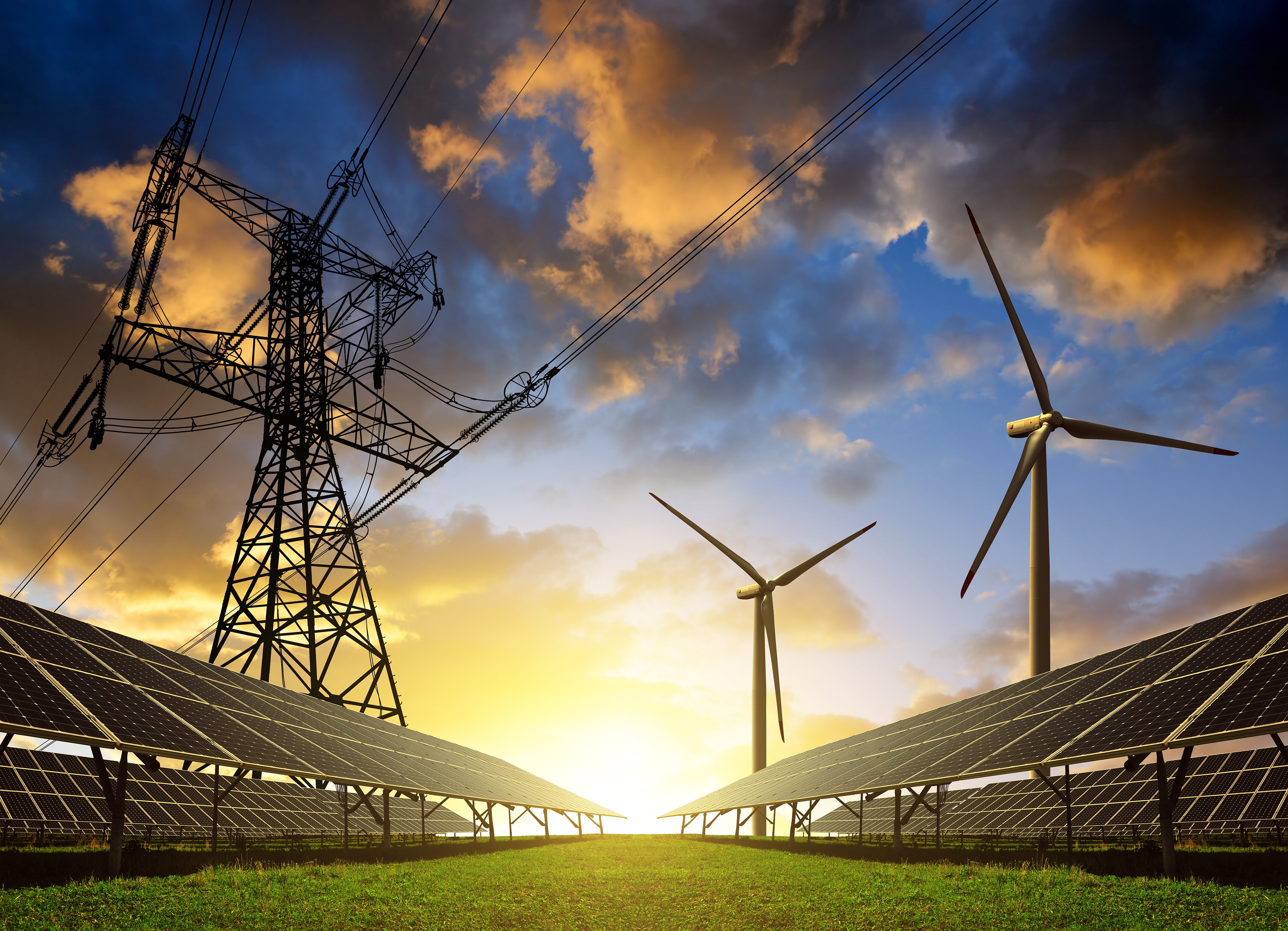
Europe can use its clean tech knowledge to accelerate electrification of its industries, buildings and transport. Image: Getty Images/vencavolrab
- By accelerating electrification of its industry, buildings and transportation network, Europe could save €250 billion per year.
- This would help Europe to better support the rapidly developing AI boom and boost its global competitiveness.
- Europe’s energy system can keep emissions low, support future demand and drive competitiveness, if the right regulations are in place.
Europe is set to save €250 billion per year if it accelerates electrification. Doing so across industry, buildings and transport means integrating homegrown renewables more effectively.
This would reduce reliance on power from costly fossil fuel imports, which can cost Europe two to four times more than other major regions. It would also help to bolster energy investment generated within the EU itself. And it would establish greater energy sovereignty by providing more direct access to energy that’s so critical to building economic resilience.
The current energy import situation is placing a stranglehold on European industries, which impacts margins and constrains growth, investment and competitiveness. Employment in energy-intensive sectors is deeply tied to energy costs, which are particularly high in Europe due to expensive fossil fuel imports.
As a global leader in clean tech, Europe can innovate to accelerate the energy transition, decarbonize and build back its industrial strength. Alternatively, it can watch its factories age and dilapidate, falling further behind its global competition.
So, how exactly can and should Europe reinvest in energy transition progress? The answer lies in its ability to turn its greatest challenge into its greatest opportunity.
Europe’s industrial and digital future
Electrification is the backbone of Europe’s industrial and digital future. But Schneider Electric’s recent research shows the rate of electrification in Europe has stagnated. Stuck at 21% for the past decade, it is falling far behind other regions such as China, which is forecasted to reach an electrification rate as high as 35% by 2030.
To accelerate electrification and generate major economic value, Europe must look at the demand side, focussing on energy distribution and use, rather than production.
For industrial users, technology can make the difference. Combining electrification with local generation, storage and digital controls makes it flexible and able to leverage renewable-based, intermittent supply. This can make the cost of production more competitive.
In buildings, the same benefits of electrification apply, with much lower recurring energy costs from investing in heat pumps and combining them with rooftop solar, stationary storage and digital controls. Schneider Electric’s analysis suggests energy savings of between 15% and 80% in this case.
Finally, electrification of road transportation through the adoption of electrical vehicles would reduce energy costs for drivers by more than a quarter in some parts of Europe.
Overall, flexible electrification enables the accelerated deployment of power generation, especially through rooftop solar panels, which have huge potential in the EU. It also helps to mitigate peak demand issues, reducing the need for costly grid expansions and enabling the network to handle more usage. Finally, it reduces curtailment and helps to avoid price spikes, making the overall energy system far more efficient.
By bolstering energy sovereignty and cutting energy costs in this way, Europe can become more competitive globally and it would transform Europe’s energy system much faster.
A sustainable path for the AI boom
If Europe is to keep up with developments in countries whose energy bills could be nearly five times cheaper, depending on fuel type, flexibility will be key. This will be critical to charting a sustainable course for artificial intelligence (AI) and unlocking this technology to enhance decision making, boost productivity and help reduce energy consumption and emissions. The rollout of AI technology is estimated to increase electricity demand by up to 20% over the next decade, with data centres projected to double their electricity consumption to over 230 TWh by 2035.
But Europe is hampered by grid congestion and slow permitting delays, which threaten a fifth of planned capacity in major data centre hubs like Dublin, Amsterdam and Frankfurt. This underscores the need for parallel investment in grid reinforcement, renewables and flexible resources. By building infrastructure ahead of demand, Europe can support AI growth while maintaining stability.
Schneider Electric’s Sustainability Research Institute envisions a scenario in which Europe can welcome AI sustainability. It must be supported by EU regulation that is adaptive and ambitious, and firmly aligned with Europe’s climate and energy goals, including cohesive implementation of the EU’s AI Act, European Green Deal and national energy plans. If this happens, electricity demand could rise from 13 TWh in 2025 to 90 TWh in 2030, while maintaining grid stability and low emissions.
Keeping carbon emissions low
Creating an energy system that can support future demand and drive Europe’s competitiveness requires both electricity and regulatory adaptiveness. But it also means keeping carbon emissions low in the first place.
Ultimately, Europe can do more if it uses less. And the technology is readily available to make that a reality. Accelerating the digitalization of industry is a critical conduit for this and will be key to enabling energy efficiency and cost control so businesses can produce more, better.
Europe stands on the precipice of a game-changing energy transition. The coming years will mark a decisive shift towards a cleaner, more resilient and more competitive energy ecosystem.
This will require bold, decisive policy that prioritizes and accelerates investment in grid infrastructure and supports the electrification of demand. It will also require industry leaders to supercharge their own energy transformation, embracing the convergence of electrification and digitalization to meet the surging demands of AI and more.
As a global leader in clean tech, Europe has the potential to unlock true transformation. It’s time to translate this potential into action.
Don't miss any update on this topic
Create a free account and access your personalized content collection with our latest publications and analyses.
License and Republishing
World Economic Forum articles may be republished in accordance with the Creative Commons Attribution-NonCommercial-NoDerivatives 4.0 International Public License, and in accordance with our Terms of Use.
The views expressed in this article are those of the author alone and not the World Economic Forum.
Related topics:

Forum Stories newsletter
Bringing you weekly curated insights and analysis on the global issues that matter.
More on Energy TransitionSee all

Kate Whiting, Simon Torkington and Andrea Willige
February 12, 2026


