Beyond the inflection point: The new forces shaping the transformation of work
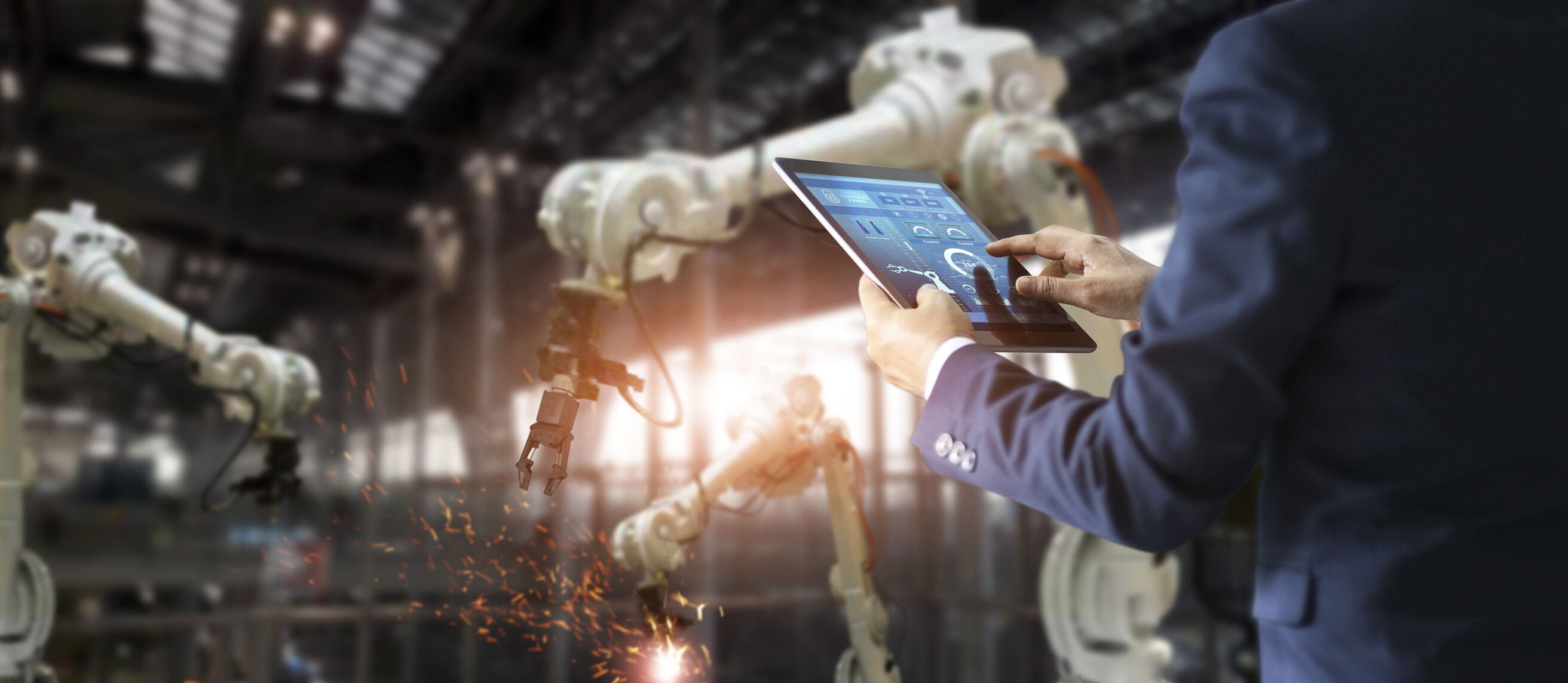
The speed of workplace change requires leadership that anticipates instead of reacting. Image: Getty Images/iStockphoto
- The emergence of systemic weaknesses in the global labour market is also a critical opportunity to rethink the future of work.
- As it redefines the concept of skilled labour, the growth of AI necessitates comprehensive reskilling and upskilling programmes.
- Concerns over entry-level jobs and unfilled positions reiterate the need to strengthen the feedback loop between education and employment.
As we head into 2026 and another World Economic Forum Annual Meeting in Davos in January, we need to recognize as leaders and society that we have passed a critical inflection point. The convergence of multiple forces – demographic shifts, deglobalization and AI acceleration – is exposing systemic weaknesses in the global labour market and creating a once-in-a-generation opportunity to rethink how we approach skills, work and economic resilience.
The skills scarcity
We have five generations in the workforce, as ageing populations and declining birth rates increase dependency ratios, and migration pressures reshape talent pools and hiring needs. Despite increasing AI implementation and automation, companies are still struggling to fill roles, resulting in acute shortages across industries. One example: dialysis machines are sitting idle in many US hospitals not due to lack of demand, but because of a shortage of trained technicians and nephrology nurses available to operate them.
We are not just in a cyclical skills shortage but a structural one. AI will only exacerbate the overall impact as it takes on more tasks, shifting the skills needed in workplace roles. As reflected n the World Economic Forum’s The Future of Jobs 2025 report, employers anticipate 39% of core skills will change by 2030. Other studies, including the latest Skills Economy Report, reinforce the picture of fast-paced change, with 1.4 million unfilled tech positions and a projected worldwide 11 million healthcare worker shortage by 2030.
AI accelerating agility
AI isn’t replacing work so much as changing how it is done and redefining the concept of “skilled labour”; constant reskilling will be needed to meet the pace of transformative technology. One widely referenced comparison point is how technology like calculators or Excel formulas changed not only the skills involved in financial or mathematical work, but simultaneously increased access to these roles as the jobs themselves shifted to accommodate this technology. Such historical examples give us a sense not only of how to anticipate AI’s impact, but also the need to plan beyond it.
The Skills Economy Report (which analyzes data from over 100 million job postings across 100+ countries, tracking 55k+ discrete skills to reveal the complete picture of workforce transformation) tracks a collapsing separation between "technical jobs" and "people jobs", resulting in roles increasingly requiring a 50-50 split of technical and human capabilities.
So, how do you plan for this unprecedented shift? For organizations, institutions, and individuals, the agility that comes with lifelong learning culture is no longer optional. The transformation sweeping across the world because of AI advancement will require upskilling and reskilling of work to adapt to this acceleration. Administrative roles, data analysts, coding, computer science degrees, knowledge workers across levels are being reimagined and restructured.
Early career planning amid uncertainty
There has been much coverage of entry-level jobs on the decline, especially for Gen Z. Analysis of task composition reveals that organizations could automate 30% of entry level work hours. Similar to what Redfin did to realtors, or Expedia to travel agents, AI is already making it difficult for computer science graduates to get entry-level coding jobs (there is a 129% higher unemployment rate for junior developers).
But AI is not fully to blame. Post-pandemic economic corrections and caution, an oversupply of degree-level jobseekers, rising performance expectations and the globalization of white-collar work have converged to reset the rules of entry-level employment.
At the same time, AI is creating new opportunities, with 1.6 million unfilled AI positions globally. This imbalance highlights a critical disconnect between education systems and modern workforce demands. We cannot continue to prepare students for jobs that may no longer exist. Curricula need to adapt to the needs of modern workforces, rethinking how learning and work connect, and who is responsible for building that bridge.
The key lies in creating stronger connections between education and employment, with real-time data on the labour market creating a feedback loop that is able to forecast changes. Embedding AI literacy, problem-solving and creative thinking into every education programmes is vital, so graduates know how to work with and complement the value being created by AI.
A future of inclusive growth
The Davos mandate for leadership: In a world of rapid disruption, leaders who invest in skills, design for resilience, and embrace change as a strategy, not a threat, will define the next era. That means that governments need agile frameworks for reskilling, labour market adaptation, and the ability to forecast future job market needs. The speed of AI innovation, demographic shifts and global labour transformation require leadership that anticipates rather than reacts, building adaptable systems rather than temporary fixes.
Effective responses will require collaboration across sectors and borders. No single government, company or institution can navigate these transitions alone. Policy can no longer afford to lag behind innovation, setting clear standards that enable progress. The future workforce cannot be divided between those with access to technology and those without. By pooling our knowledge and aligning our actions, we can foster a labour market that is resilient, inclusive and primed for sustainable growth.
If we focus our innovation on empowering people, not just replacing jobs, AI can usher in the most inclusive era of economic growth in modern history. The decisions we make now about skills, education and governance will determine whether the future is one of division or shared prosperity. The future of work won’t be decided by technology itself, but by how we lead using it. We can’t control the pace of technology, but we can control how we prepare people to meet it.
Don't miss any update on this topic
Create a free account and access your personalized content collection with our latest publications and analyses.
License and Republishing
World Economic Forum articles may be republished in accordance with the Creative Commons Attribution-NonCommercial-NoDerivatives 4.0 International Public License, and in accordance with our Terms of Use.
The views expressed in this article are those of the author alone and not the World Economic Forum.
Stay up to date:
Future of Work


Forum Stories newsletter
Bringing you weekly curated insights and analysis on the global issues that matter.
More on Education and SkillsSee all

Shivam Parashar
March 4, 2026


