Putting a figure on it: Davos 2026 in numbers
Many interesting things bubbled up in Davos that didn't necessarily have to do with geopolitics. Image: World Economic Forum
- Many of the interesting things that bubbled up at this year’s Annual Meeting were at risk of being crowded out by current events.
- Geopolitics may have dominated, but discussions elicited a broad range of insights on employment, trade, technology, sports, basic human needs, and who’s being left behind.
- We’ve broken things down by the numbers.
This year’s Annual Meeting in Davos may have been nearly overwhelmed by current geopolitical events, but it kicked up numbers that paint a far broader picture of what’s been happening in the world – and what’s likely still to come.
Distilling Davos into a set of figures is something we try to do every January after the event, as a way of framing some of the most pressing issues and highest expectations for the year ahead.
This year, our batch of numbers reflect big ambitions that could tilt the trajectory of global trade, a glaring deficiency of clean drinking water, AI-related job losses both current and projected, unsettling rates of extinction, and the surprising economic impact of sports.
There’s also a figure that says a lot about future prospects for global cooperation.
'2.1 billion'
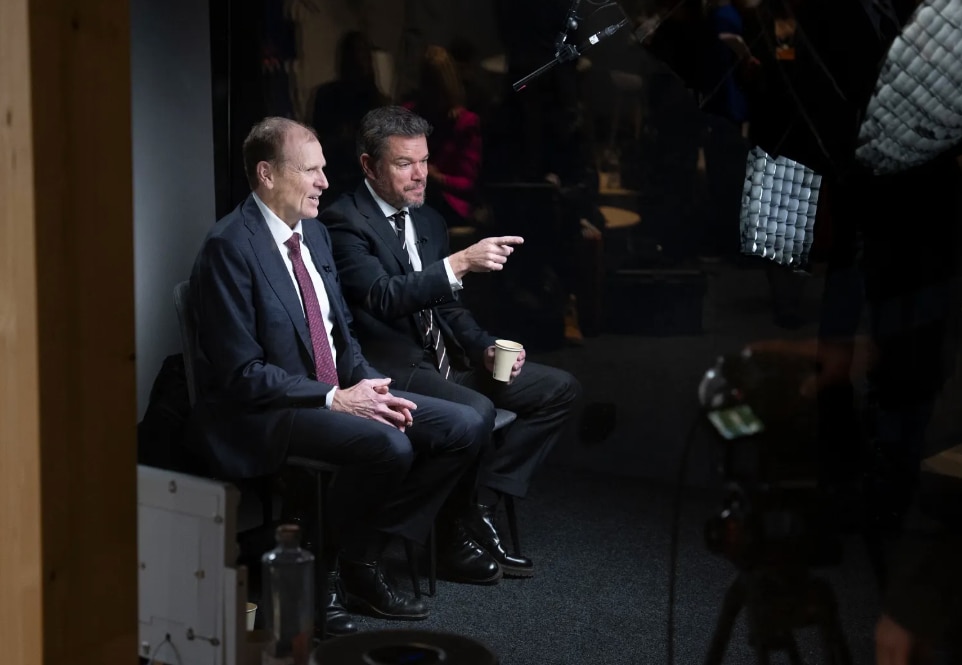
The actor Matt Damon and Water.org CEO Gary White made the rounds at Davos to raise awareness about a problem that affects about a quarter of the global population.
Some 2.1 billion people, Damon said during an interview on the sidelines of the event (and elsewhere), still lack access to clean water and sanitation.
At a time when many experts are spending their time figuring out how to deal with issues yet to fully materialize, it’s worth focusing on a solvable problem at hand.
'50'
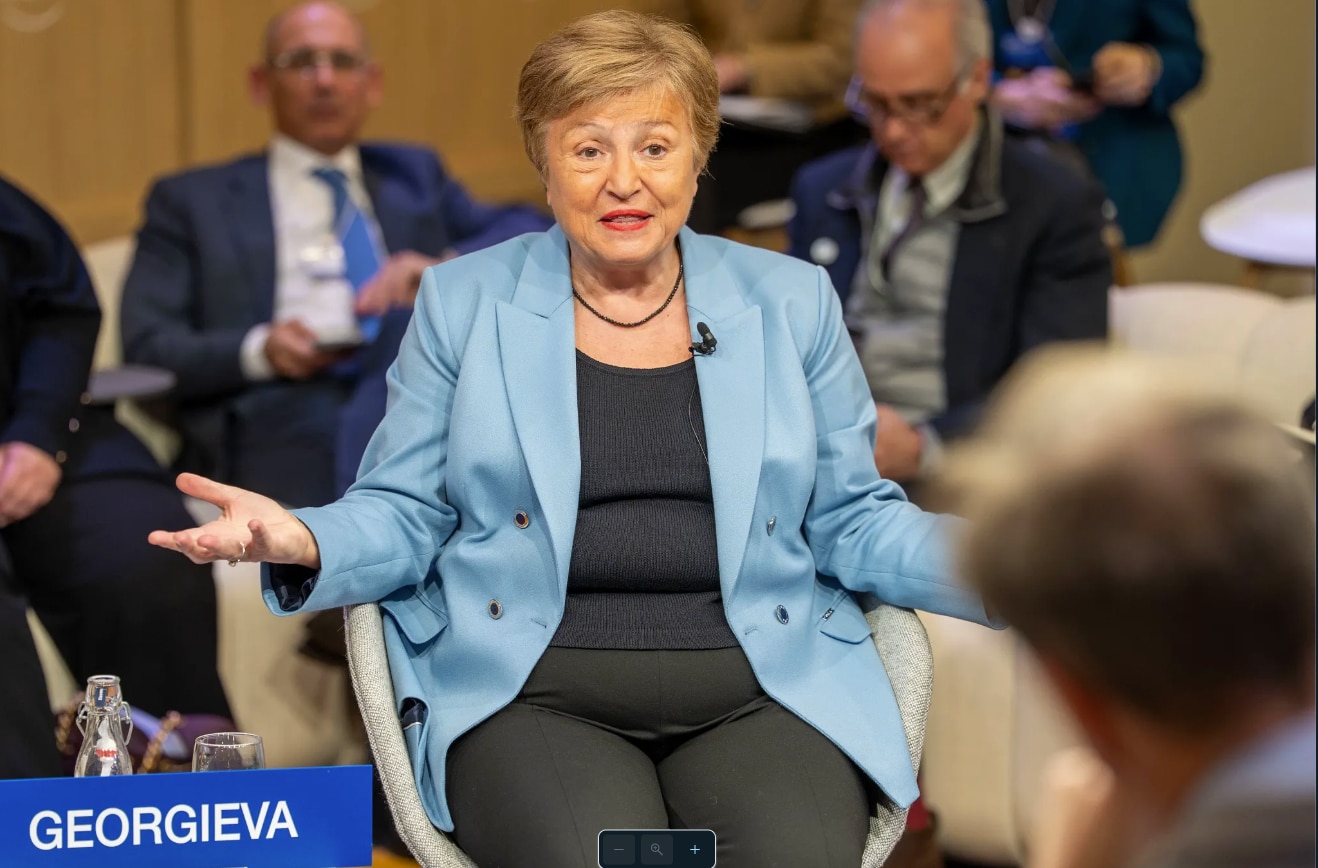
That’s the current number of translators employed at the International Monetary Fund, according to IMF Managing Director Kristalina Georgieva – down from 200.
The impact of artificial intelligence on employment pervaded discussions at Davos. According to Georgieva, we’re not ready for what’s coming.
Another pair of figures from her discussion about the dilemmas involved in pursuing growth: 40% of jobs will be transformed or eliminated by AI, she said, and in advanced economies that jumps to 60%.
'25%'
European leaders traveled to this year’s Davos under extraordinary conditions, amid inescapable new concerns about the region’s relationship with the US and persistent questions about its ability to successfully transition into a new phase for the global economy.
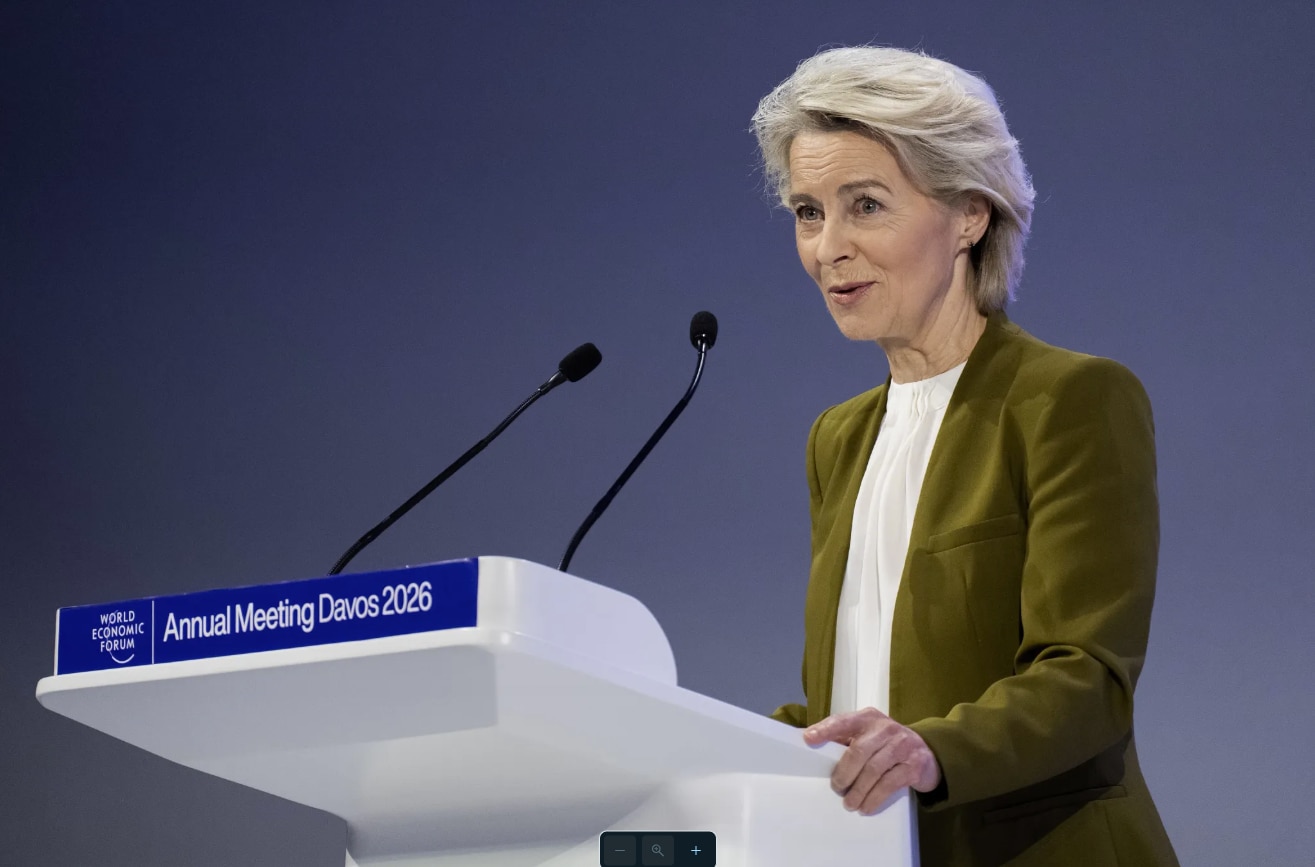
European Commission President Ursula von der Leyen previewed a potential deal that touches on both.
Very soon, she said during a special address, she would travel to India for more talks on a massive EU-India trade pact that would account “for almost a quarter of global GDP.”
'100%'
As in, all of it.
That’s the amount of debt that many countries have now accumulated relative to their economic output.
Public debt was a constant topic of conversation at this Davos, perhaps even more so than it was in previous years – which may say something about the nature of the problem.
A 100% debt-to-GDP ratio is “conventionally seen as too high,” the historian Niall Ferguson said during an appearance at Davos – which might be putting it mildly. It was not so long ago that such a ratio was relatively unheard of. But as Ferguson noted, many advanced economies have now surpassed it.
'14,656'
The ongoing war in Ukraine was never far from the minds and conversations of anyone at Davos assessing the most pressing issues in Europe and beyond.
Last year, human rights defender Oleksandra Matviichuk said during a Davos appearance, experts estimate that the number of people killed and injured as a result of the conflict reached 14,656 – nearly a third more than in the previous year. It was the deadliest year for the war since 2022.
During his special address at Davos, Ukrainian President Volodymyr Zelenskyy urged European leaders to start becoming more serious about the region’s defence.
'70'
The issue of social dislocation and mental well-being in the internet era was also a big topic of conversation at this year’s Davos.
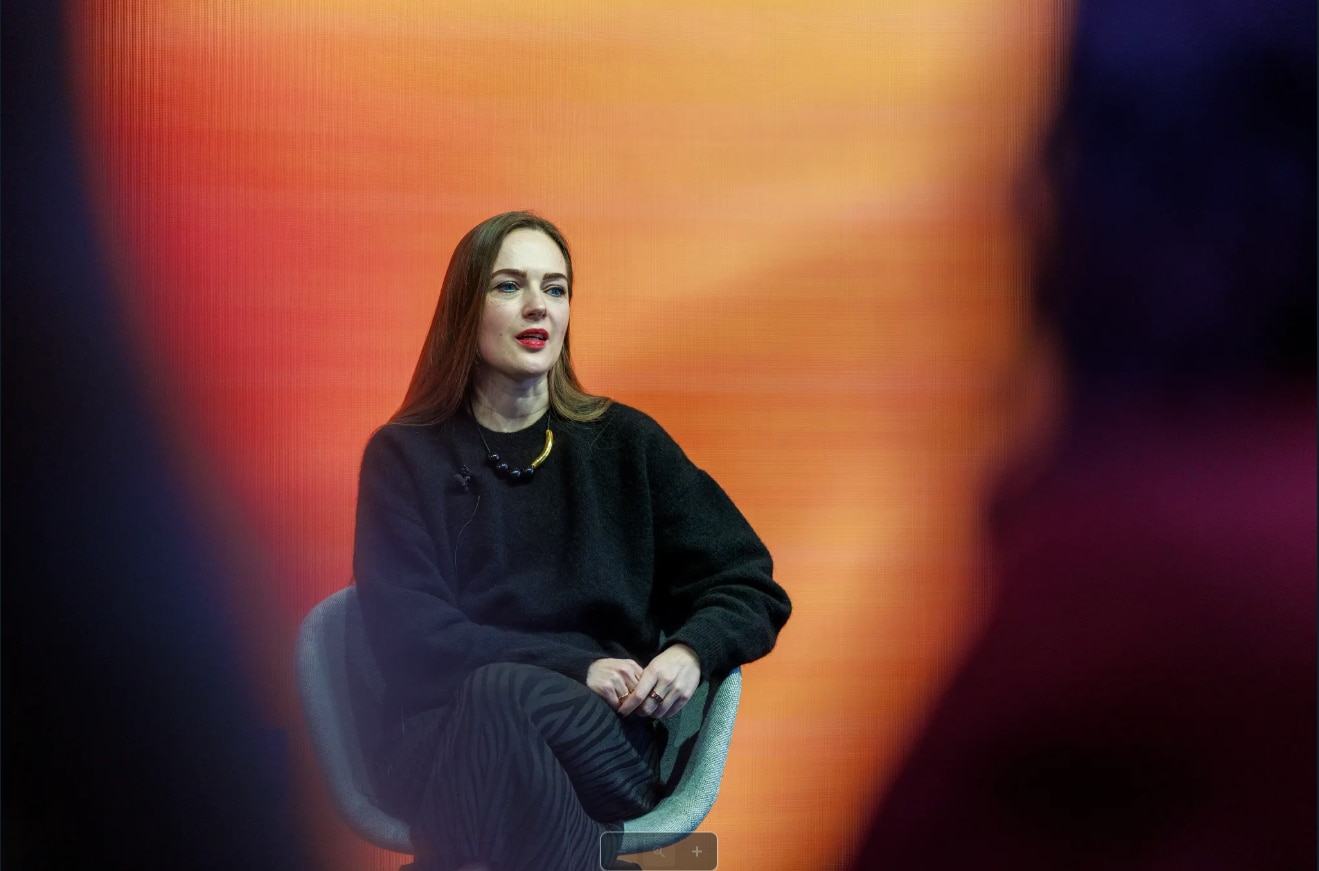
Among the many daunting statistics reeled off during the Is Everyone Falling Behind? session was this, from social scientist Alice Evans: European and American men in their 20s “are spending as much time alone as men in their 70s.”
That solitude means fewer people building empathy for people of other genders, and more dwelling in “manosphere” echo chambers, she said.
‘80 billion’
It’s much more than a football competition.
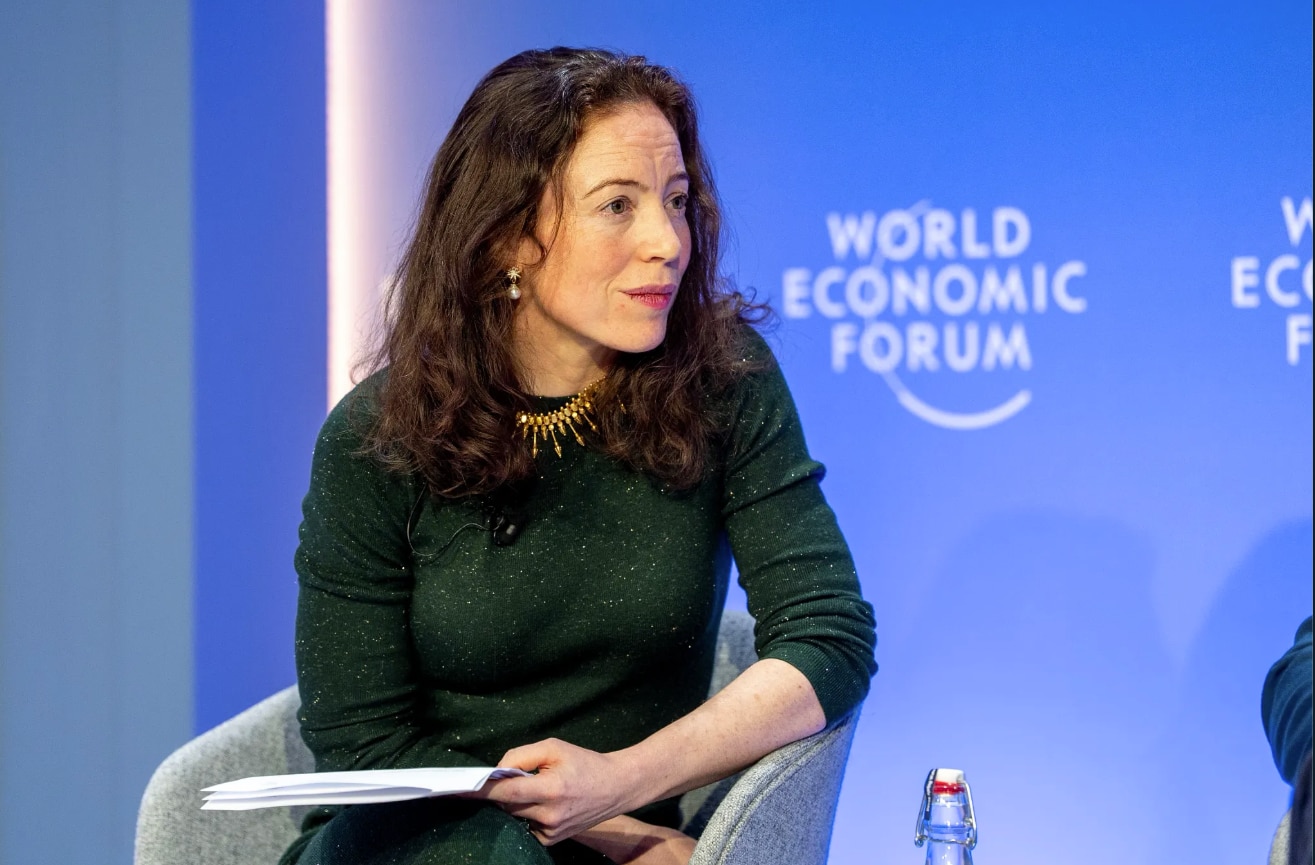
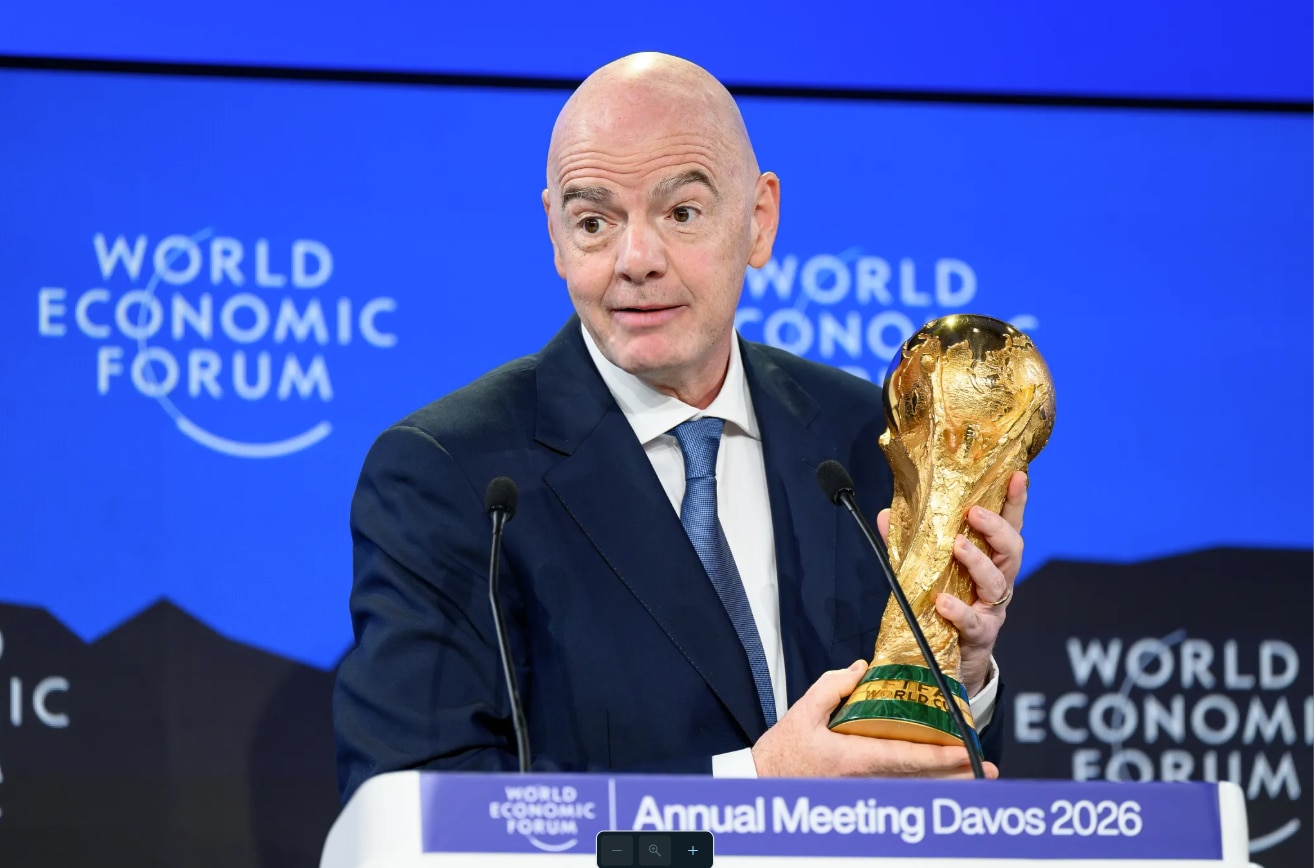
The World Cup slated for July in North America will likely have a massive financial footprint. The event now generates an economic impact of about $80 billion, FIFA President Gianni Infantino said during a Davos appearance.
For the record, a recent World Economic Forum report pegged the total value of the global sports economy at $2.3 trillion.
'3,000'
The Global Economic Outlook session wrapped with a question that may have defined much of the meeting. Is it possible that the sort of strong-arm techniques deployed in the past year or so to impact the global economy have always been the best means to achieve success, even if most Davos attendees have chosen to not acknowledge it?
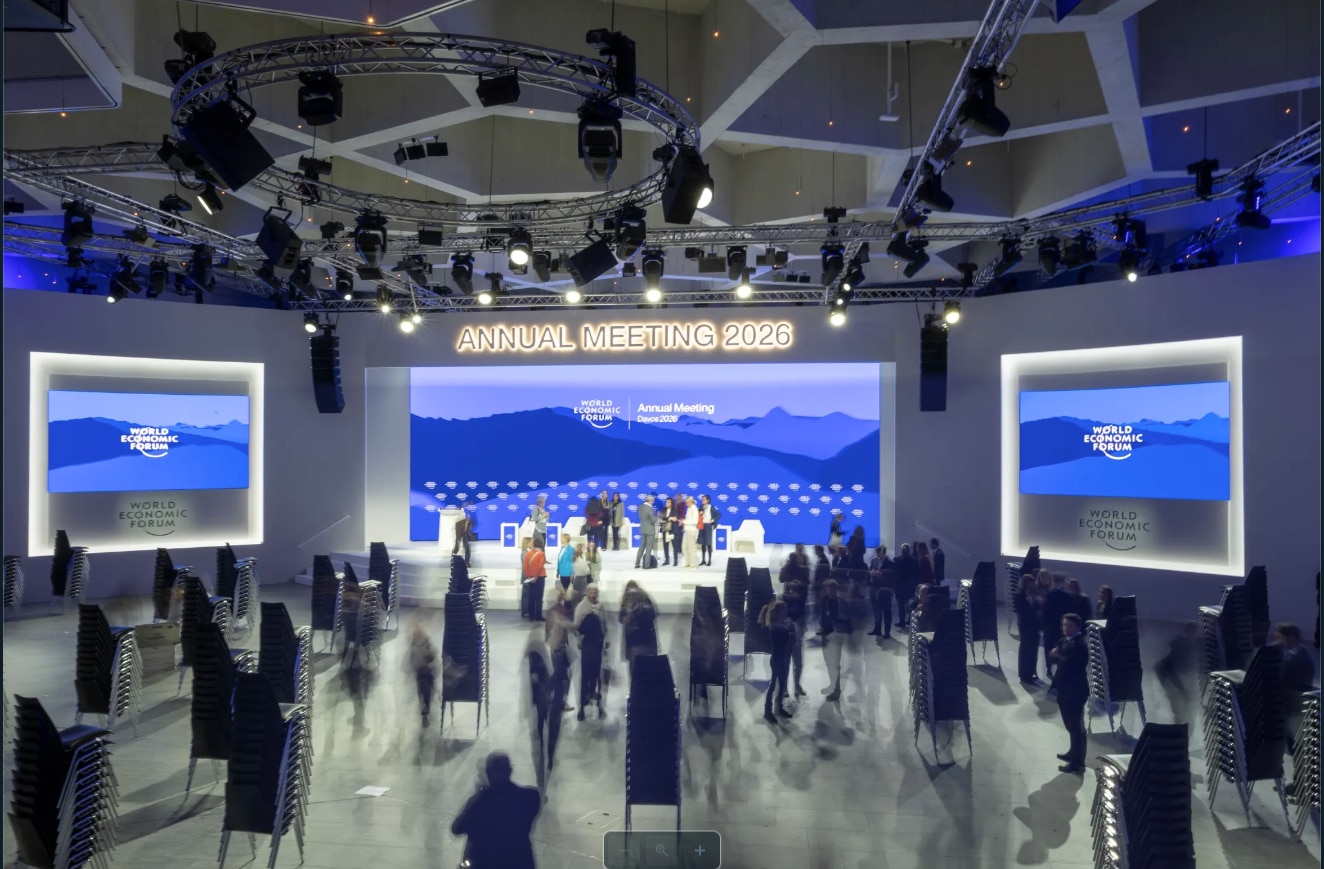
Saudi Arabia’ s Minister of Finance Mohammed Al-Jadaan pointed to the 3,000 participants who’d just traveled from all corners of the world to participate in something that’s all about dialogue.
That, he suggested, means some of the thorniest problems will always require cooperation.
Don't miss any update on this topic
Create a free account and access your personalized content collection with our latest publications and analyses.
License and Republishing
World Economic Forum articles may be republished in accordance with the Creative Commons Attribution-NonCommercial-NoDerivatives 4.0 International Public License, and in accordance with our Terms of Use.
The views expressed in this article are those of the author alone and not the World Economic Forum.
Related topics:

Forum Stories newsletter
Bringing you weekly curated insights and analysis on the global issues that matter.
More on Forum in FocusSee all

Kaya Bülbül and Kate Whiting
January 30, 2026


