Electrification and automation for a more competitive and sustainable industrial future
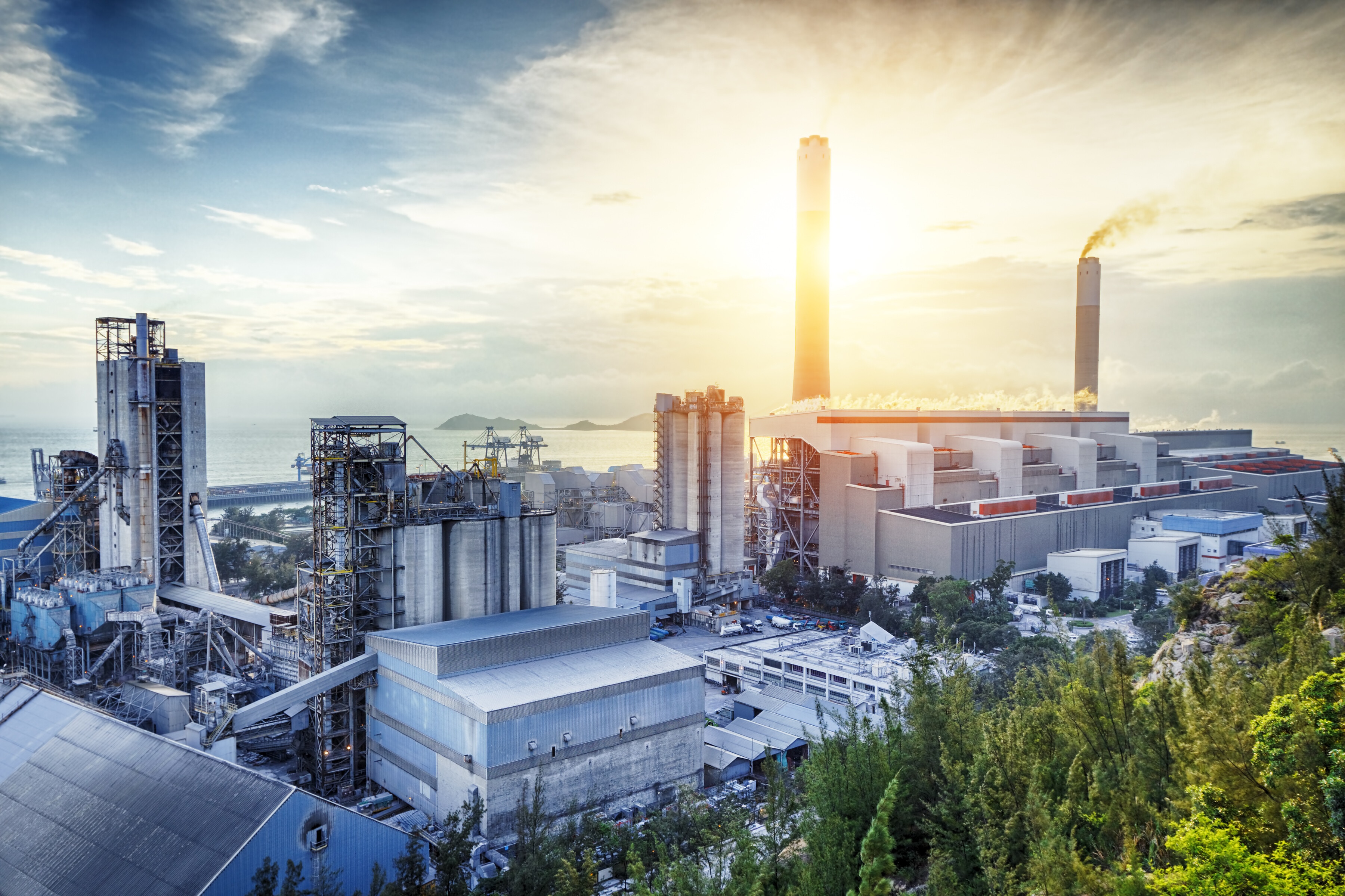
Could electrification and automation usher in a new dawn for industry? Image: Shutterstock/cozyta
- Businesses need to find ways to become more competitive and resilient amid rising energy costs, changing global supply chains and workforce pressures.
- Electrification and automation can help lower energy consumption and costs, while also supporting decarbonization and energy independence.
- At the World Economic Forum Annual Meeting 2026, participants will explore how government and business can ensure that protecting the environment and driving economic growth go hand in hand.
Just over a century ago, electrification reshaped economies, accelerated industrialization and unlocked a new wave of productivity, innovation and societal progress.
Today, we are going through another transformational shift. This one is defined by electrification, but also by its convergence with fast-scaling automation, digitalization and artificial intelligence (AI), as well as the adoption of low-carbon energy sources.
This transformation offers enormous opportunities for global growth. It sets the foundation for new business models, more agile manufacturing systems and a more productive, efficient and sustainable industrial future. To achieve this future, businesses need to become more competitive and resilient in an environment of rising energy costs, rapidly shifting supply chains and mounting workforce pressures.
The most effective way to do that is to embrace technologies that lower energy consumption and costs, while also supporting decarbonization and energy independence. Electrification and automation can deliver progress on all of these fronts.
How businesses can compete while lowering emissions
The most economical and cleanest form of energy is the one that we don’t consume. And electrification and automation offer huge, untapped potential for energy savings in industry, buildings, transport and infrastructure.
Electricity can be consumed more efficiently than other forms of energy, thanks to technologies like electric motors and drives. These convert energy into movement more efficiently than combustion engines. The resulting reduction in lifetime energy costs more than compensates for the upfront investment.
Electric motors already convert around 45% of the world’s electricity into motion for equipment ranging from pumps and elevators to heating and air conditioning systems. But today, less than a quarter of these electric motors are equipped with drives that can control their speed. Adding such a drive to a motor can reduce its power consumption by up to 25%. Upgrading all of the world’s motors could cut global energy consumption by around 10%.
Automation can also play a role in boosting a company’s competitiveness and cutting emissions. Productivity and uptime are key drivers of business competitiveness. Automated control systems allow human operators to manage and control entire processing plants safely and cost-effectively, while minimizing waste and ensuring consistent product quality.
Digitalization and AI mean these systems are now capable of managing plants and also predicting when equipment and systems are vulnerable to breakdowns or failure. This preventive maintenance is more cost-effective than repairs and eliminates costly downtime. Using machine learning, automated control systems can optimize production across a whole range of industries – from energy and mining, to cement and steel, and even the food and beverage sector.
How energy independence leads to decarbonization
At a time of great geopolitical tensions, supply chain disruptions and climate-related shocks, energy independence has become a strategic priority. An ABB survey revealed that 83% of business leaders are worried about the security of their energy supply. Specific concerns include price spikes, outages and potential rationing.
By shifting to locally generated electricity, businesses and governments can gain greater control over both energy availability and cost volatility. This would reduce exposure to global price swings and geopolitical risks.
Such a shift is even more critical given the rising demand for electricity from AI and data centres. The latter currently account for around 1.5% of global electricity consumption, according to the International Energy Agency. And that is expected to rise to at least 3% by 2030 as they grow in scale and number to cope with massive power demands of AI applications.
Key challenges in shifting to an energy system powered by electricity and renewable energy include integrating renewables like solar and wind into power grids and ensuring a steady supply of electricity when the sun goes down or the wind stops blowing. Advances in energy storage and stabilizing technologies are helping grid operators overcome the challenge of intermittency. At the same time, digital and AI-enabled control systems can facilitate grid-scale renewable energy projects in remote and inhospitable places like deserts and floating platforms.
One technology that can be custom-designed and rapidly deployed to supply reliable power to almost any type of project is a prefabricated portable substation. Also known as “eHouses”, these cost-effective alternatives to permanent brick-and-mortar electricity substations are ideally suited to challenging situations. This can be anything from projects that lack qualified personnel to locations facing difficult environmental conditions. Their flexibility makes them particularly suitable for use by the data centre, energy, mining and processing industries.
Companies and countries that embrace electrification and automation technologies will define the next era of competitiveness and sustainable growth. Just as in the first wave of electrification, these technologies will amplify human potential and help unlock further societal progress – this time powered by cleaner industries.
Don't miss any update on this topic
Create a free account and access your personalized content collection with our latest publications and analyses.
License and Republishing
World Economic Forum articles may be republished in accordance with the Creative Commons Attribution-NonCommercial-NoDerivatives 4.0 International Public License, and in accordance with our Terms of Use.
The views expressed in this article are those of the author alone and not the World Economic Forum.
Stay up to date:
Energy Transition Index
Related topics:


Forum Stories newsletter
Bringing you weekly curated insights and analysis on the global issues that matter.
More on Energy TransitionSee all

Irene Varoli and Nicola Mackow
August 31, 2026