How industrial clusters act as engines of national competitiveness
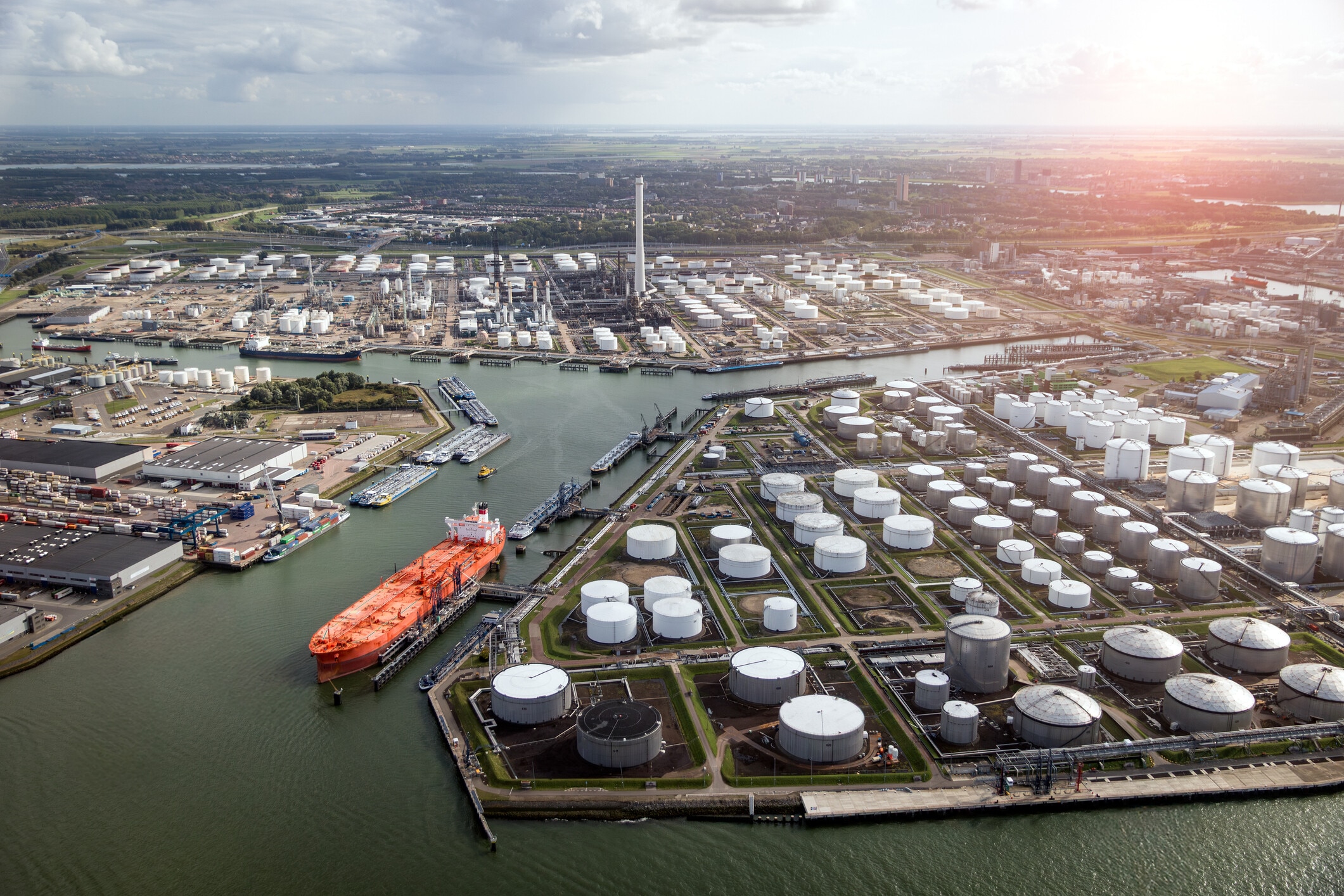
By bringing together industry leaders, governments and communities, the World Economic Forum’s Transitioning Industrial Clusters (TIC) initiative is driving shared economic growth, protecting jobs and reducing emissions worldwide.
- The World Economic Forum’s Transitioning Industrial Clusters (TIC) initiative has partnered with multiple organizations across 20 countries to advance frameworks that reduce millions of tons of emissions, protect millions of jobs and contribute billions to global gross domestic product.
- Industrial clusters often lack governance structures and development strategies that could enable collaboration; the TIC initiative was launched to align organizations across sectors and help them secure support and resources to make gains.
- The TIC initiative delivers tangible outcomes across three levels – policy, cluster and project – showing how collaboration can turn strategic dialogue into real-world change.
Strengthening collaboration, delivering low-carbon growth.
Industrial clusters are the cornerstone of economies, generating millions of jobs. At the same time, they account for some of the world’s toughest emissions.
The good news is that they are also where the greatest opportunities for rapid, shared decarbonization lie. With the right framework, these regions can unlock hundreds of millions of tonnes of emissions reductions, protect industrial competitiveness and accelerate national green growth agendas.
Now, from France to South Africa and India to the United States, such industrial regions are adopting comprehensive frameworks that are delivering a successful transition to low-carbon growth through the World Economic Forum’s Transitioning Industrial Clusters (TIC) initiative.
TIC is engaging more than 70 global corporations and public institutions, creating unprecedented collaboration in zones such as ports, energy hubs, industrial complexes, special economic zones and eco-industrial parks.
Launched at the 2021 United Nations Climate Change Conference (COP26) by the Forum, in collaboration with Accenture and EPRI, the initiative began with four clusters: Humber Cluster and HyNet North West – both in the United Kingdom – Kwinana Industries Council in Australia and the Net Zero Basque Industrial Super Cluster in Spain.
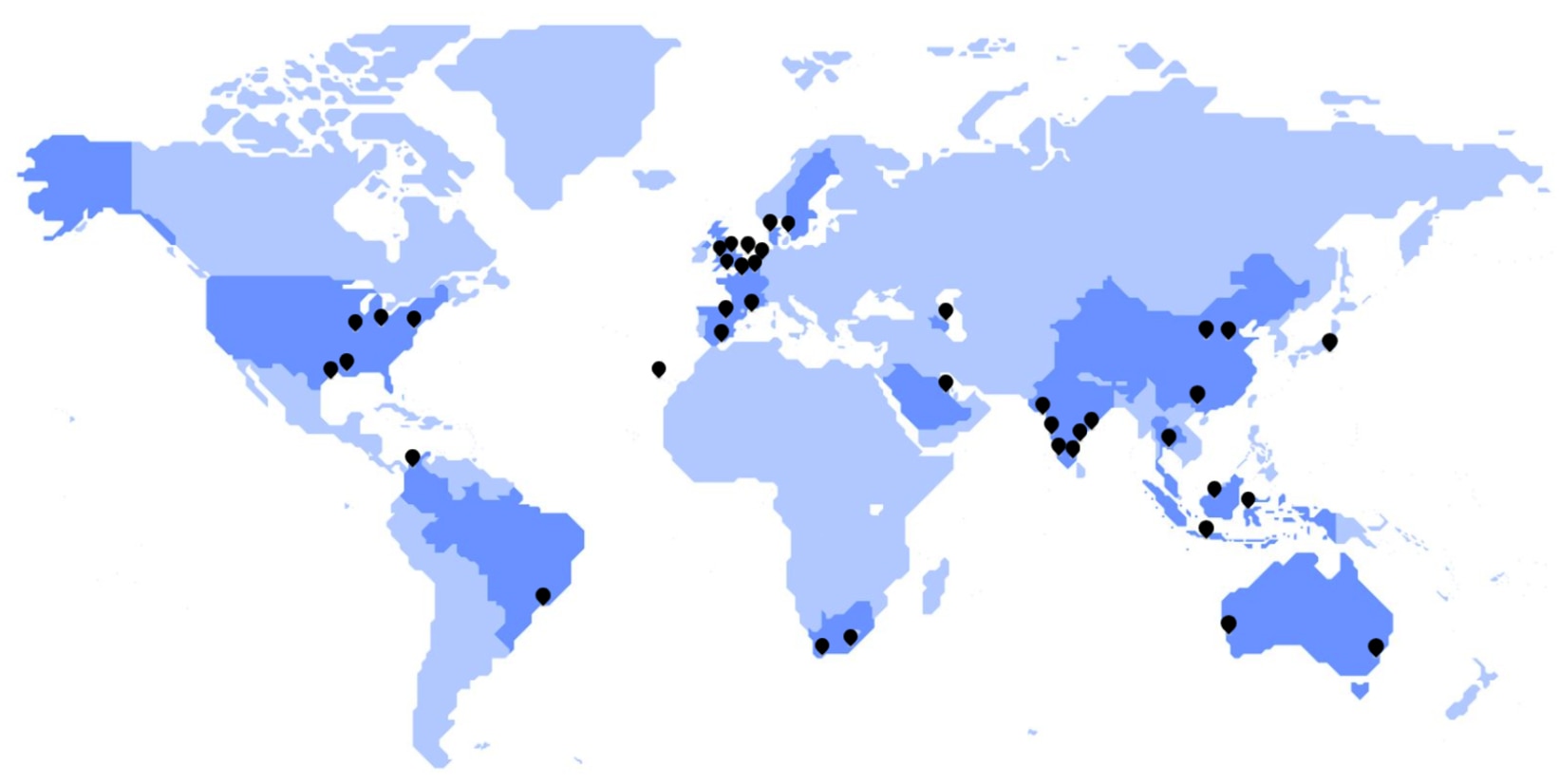
It has since expanded to 40 industrial clusters across 20 countries, becoming the world’s largest community of its kind. Approximate data shows that the 40 signatory clusters collectively represent:
- 877 million tonnes of potential reduction in carbon dioxide equivalent (CO₂e) emissions.
- $508 billion contribution to global gross domestic product.
- 4.6 million jobs protected or created.
What are industrial clusters trying to solve?
Despite their potential, many industrial clusters face shared headwinds. These challenges often include fragmented or absent governance structures and divergent development strategies, resulting in limited collaboration on shared business opportunities.
While the world’s appetite for clean energy continues to grow, the system that supports it is still disjointed. Gaps between industries and supply chains make large-scale investment difficult, adding financial risk and uncertainty that can undermine a project’s long-term viability.
Eni has established itself as a leading operator in the UK thanks to its key role in CO2 transport and storage activities as the leader of the HyNet Consortium, which will become one of the first low-carbon clusters in the world.
—Claudio Descalzi, Chief Executive Officer, Eni”The TIC initiative was created to help overcome these barriers by bringing together industries, governments and investors around a common plan, through a holistic and technology-neutral approach.
By focusing on the key elements needed to secure funding, regulation and project delivery, it helps clusters move from ideas to action and build a shared vision for transformation.
The Framework: How the Transitioning Industrial Clusters initiative delivers results.
The initiative is built on the belief that four foundational components are essential for sustainable, cross-sector transformation anywhere in the world:
- Balanced impact: Advancing economic, social, and environmental value together.
- Inclusive innovation: Considering all technologies and processes that can reduce CO₂e emissions.
- Collaborative action: Bringing together industry, government, financiers, labour, and community stakeholders.
- Coordinated strategy: Aligning policy, financing, partnerships and technology deployment.
One of the challenges is that the maritime industry is largely a regional industry supported by hundreds or thousands of companies of relatively small- and medium-sized operators around the world, most of whom do not have the financial strength to make large upfront investments. It is vital that the maritime industry aligns and collaborates with larger-scale industries such as steel and power generation to work out such challenges.
—Takeshi Hashimoto, President and Chief Executive Officer, Mitsui O.S.K. Lines”The initiative delivers tangible outcomes across three levels – policy, cluster and project – showing how collaboration can turn strategic dialogue into real-world change. Each level reinforces the others, creating a scalable model that can be replicated across countries and industries.
1. Policy Impact
By engaging governments early, aligning evidence-based priorities and fostering cross-sector dialogue, the TIC initiative demonstrates how industrial collaboration can influence national policies and economic strategies.
For example, in June 2025, thanks to the collaboration of the Malaysia Centre for the Fourth Industrial Revolution with the initiative, Malaysia adopted the TIC framework as a national agenda.
Malaysia hosts key industrial hubs, including Sarawak, Johor, Selangor and Penang, which are active in the petrochemical, data centre, manufacturing, semiconductor and Electrical & Electronics sectors. Prime Minister Anwar Ibrahim announced the TIC framework as a key driver of green economic growth, skilled employment and carbon reduction.
“The government agreed to adopt TIC as a national agenda as it is a strategic move that unites companies and public institutions to drive green economic growth, open up highly skilled job opportunities and reduce carbon emissions.”
—Anwar Ibrahim, Prime Minister of Malaysia”2. Cluster Impact
At the regional level, the TIC initiative helps public and private partners create a shared vision for transformation tailored to local economic priorities.
For example, established clusters in Malaysia, Colombia and Pakistan include a wide range of stakeholders, including companies, port authorities and government accelerators. TIC-facilitated workshops and partnerships have played a major role, helping leaders co-design industrial ecosystems around energy-intensive sectors.
In Colombia, this work has been instrumental in unifying stakeholders around a vision centred on energy security and decarbonization.
In the country’s largest port-based industrial area, the Cartagena Industrial Cluster, partners – including Ecopetrol, Frontera Energy and Promigas – worked together through the TIC framework to endorse a governance model which merged two existing clusters into a joint cluster, with the Cartagena Chamber of Commerce.
Within this structure, senior executives have collaborated to identify potential joint decarbonization projects.
3. Project Impact
Through ongoing facilitation and collaboration, TIC supports industrial projects to reach bankable, implementation-ready status. This approach can be replicated elsewhere to unlock financing and accelerate the deployment of low-carbon infrastructure worldwide.
One of the first TIC signatory clusters, the UK’s HyNet North West, has reached final investment decision in April 2025 for its CO2 transport and storage system – a milestone that provides a reference point for financing shared energy infrastructure.
Similar momentum is evident in port-anchored clusters such as Antwerp-Bruges and Rotterdam, as well as in emerging low-carbon industrial hubs around the world.
Get Involved
The Forum invites industrial clusters worldwide to join the TIC initiative.
To participate, clusters should submit a signed statement of ambition and meet the following criteria:
- Include at least three parties (three companies, or two companies and one government body) representing the cluster.
- Demonstrate collective CO₂e emissions reduction or avoidance potential.
- Provide evidence of supporting a just transition, protecting jobs, and creating local value.
By joining, clusters become part of a global community working together to shape a competitive, sustainable and inclusive industrial future.
Stay up to date:
Energy Transition
Partners:


Forum Stories newsletter
Bringing you weekly curated insights and analysis on the global issues that matter.