5 reflections on energy from Davos 2026
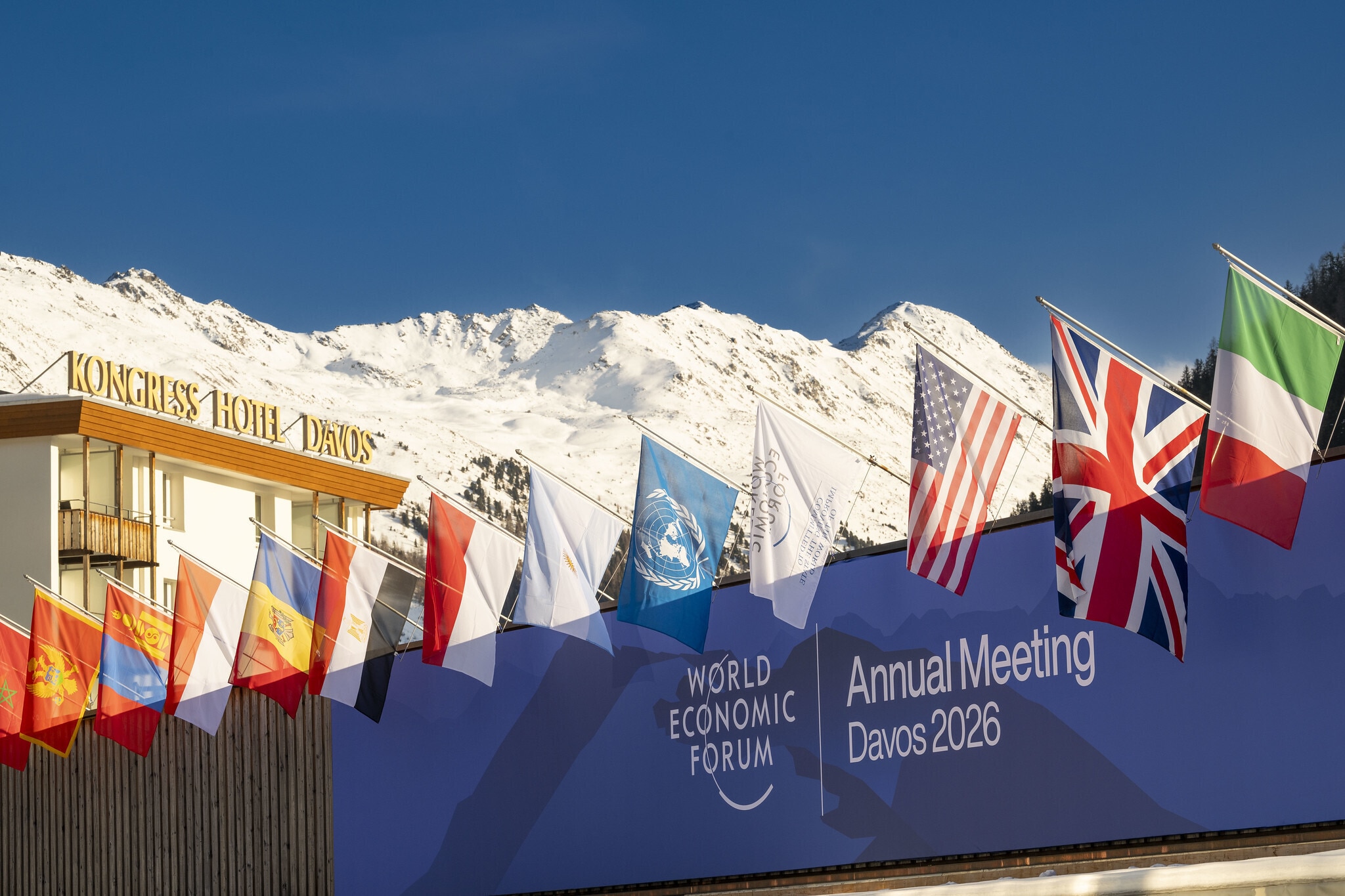
Energy was high on the agenda at the World Economic Forum's Annual Meeting 2026 in Davos. Image: World Economic Forum/Thibaut Bouvier
Roberto Bocca
Head, Centre for Energy and Materials; Member of the Executive Committee, World Economic Forum- Energy was high on the agenda at the World Economic Forum's Annual Meeting 2026 in Davos.
- Energy security, system readiness and the strategic focus on minerals and materials were major topics of discussion.
- Here are five key takeaways on energy and materials from the event.
From the headline addresses to multiple panel sessions, energy was high on the agenda at the World Economic Forum Annual Meeting 2026 in Davos.
The event underscored how the focus on energy continues to shift from sustainability targets to a transition that considers each aspect of the energy triangle – with affordability and security increasingly taking centre stage.
Here are five key takeaways from the many sessions on energy from across the programme.
1. Energy security is evolving from finding supply to securing control
Energy security was once again high on the agenda at Davos. The topic has received increasing attention across recent Annual Meetings as energy transition discourse has shifted away from sustainability as the dominant focus. This year, the focus evolved from finding supply to securing control of energy.
Energy security is no longer just about accessing global markets and price signals. It’s about who controls development, processing and infrastructure – a shift that is now extending from oil and gas to critical minerals. In both energy and critical minerals – as electricity cost, environmental tolerance and capital availability collide – refining and processing capacity has become a concentrated and strategic vulnerability.

Against this backdrop, countries are aiming to reduce exposure to shocks by forging long-term partnerships. In a Davos session called Who is Winning on Energy Security?, International Energy Agency (IEA) Executive Director Fatih Birol noted that, in a fragmented world, choosing these partnerships carefully is key. “If you choose the wrong partner, it is very difficult in energy to get divorced,” he said.
2. Electricity demand is soaring – system readiness is the bottleneck
Global electricity demand is set to grow 2.5 times as fast as overall energy demand, driven by rising industrial use of electricity, electrification of transport, higher use of air conditioning and the expansion of data centres and AI.
Delegates at Davos heard how generating enough electricity to meet that demand is not the primary challenge – rather, system readiness is. Global electricity generation from renewables – now the cheapest and most scalable source of new power – is in the process of overtaking generation from coal.
But connecting and integrating these power sources reliably is a constraint. Grid stabilization and flexible storage will be critical enablers, with batteries playing a growing role from behind-the-meter to grid scale. Coordination across planning, permitting and regulation will also be vital. And AI and digital tools – including for forecasting and grid balancing – will also help accelerate integration.
Renewables are not for poets anymore. This is serious infrastructure at scale, delivering gigawatt-sized projects and meeting real energy demand.
—Catherine MacGregor, CEO, ENGIE Group, speaking to a panel titled 'Unstoppable March of Renewables?'
”3. Capital flows when projects are investable
A persistent bankability gap is causing many clean energy and industrial transformation projects to stall before receiving financing.
In emerging economies, for example, current investment levels – which stand at about 15% of global energy transition investment – fall short of unlocking the full development potential of energy systems, despite momentum in renewables. These economies will drive the majority of global energy demand growth, so overcoming this gap will be essential.
At Davos, a panel called Energy: The Great Funding Gap discussed how it is the perception of risks, rather than capital scarcity, that limits investment. Investors require stable rules, long-term offtake contracts and clear risk sharing across value chains to mitigate this. Standardized, repeatable project structures and predictable regulatory frameworks can further reduce perceived risk and make projects more investable.
“There is no lack of capital,” Jasim Husain Ahmed Thabet, Group Chief Executive Officer and Managing Director, Abu Dhabi National Energy Company, told the panel. “The question is more about the perceived risk and what governments and regulators can do to support and reduce that perception.”
4. There is no single transition playbook – countries will choose different mixes
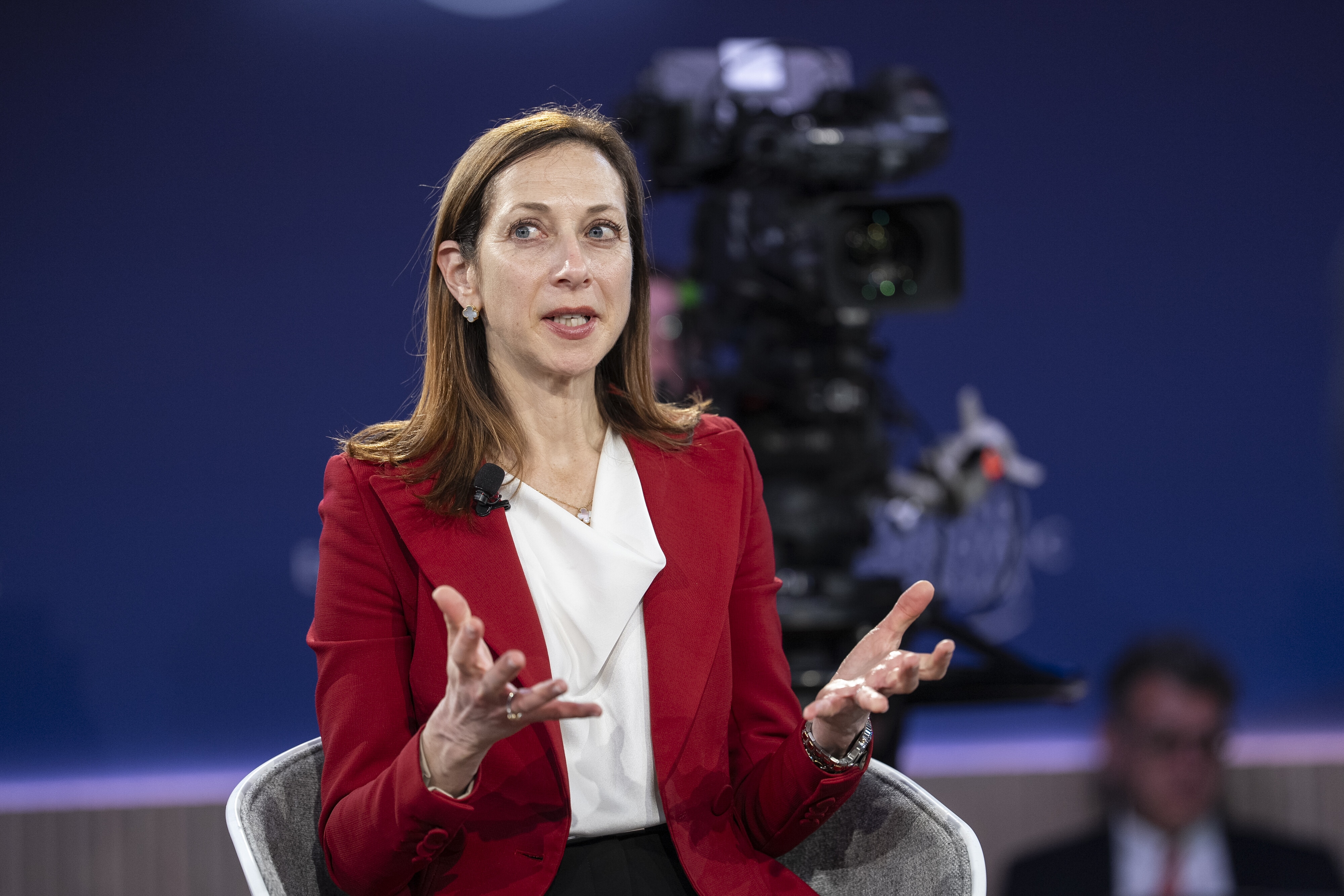
Countries are designing their own energy pathways, which are shaped as much by political and social priorities as they are by resources or technology readiness. Delegates across sessions stressed that the right energy mix is contextual – what works in Germany or Japan won’t necessarily be the right approach for India or Brazil.
Clean fuels, for example, will only scale when they serve real demand and are supported by predictable policies. A session titled Time for Clean Fuels? covered how – with clean fuels being two to three times more expensive than conventional options – policy design matters as much as ambition, with gradual and predictable blending mandates often proving more effective than abrupt targets.
"Let’s focus on putting clean fuels where we really can’t abate them," Elaine Buckberg of Harvard University said. "Sustainable aviation fuel is number one."
Providing context for these discussions was a Forum report published ahead of Davos, Fuelling the Future: How Business, Finance and Policy can Accelerate the Clean Fuels Market, which highlights how scaling these fuels could strengthen energy security, cut emissions and create jobs – provided policies support sustainable growth.


5. Materials and minerals are becoming a strategic focus
Leaders at the Annual Meeting acknowledged that demand for critical materials and minerals – including lithium, copper and rare earths – is accelerating faster than supply. This is being driven by overlapping factors including electrification, decarbonization and digitalization, especially AI. This is not just about scarcity – as Davos heard across a range of panels and sessions, concentration, particularly in processing and manufacturing of magnets, batteries and critical minerals, is a core vulnerability.
As such, producing countries are positioning materials as levers for diversification, industrialization and longer-term value creation. Meanwhile, growing geopolitical fragmentation is putting pressure on countries and companies to align with specific partners, supply chains and technology stacks.
Regional coordination is emerging as a pragmatic response to this, with shared infrastructure corridors, aligned investment frameworks and collective approaches helping to reduce concentration risks.
"What we see is a huge growth in demand for things that the world wants and (…) needs, and we see a mining sector, which ultimately is the sector that produces the metals and critical minerals, not moving at the same speed, to provide a reliable supply into the future," said Jonathan Price, President and CEO, Teck Resources.
License and Republishing
World Economic Forum articles may be republished in accordance with the Creative Commons Attribution-NonCommercial-NoDerivatives 4.0 International Public License, and in accordance with our Terms of Use.
The views expressed in this article are those of the author alone and not the World Economic Forum.
Contents
1. Energy security is evolving from finding supply to securing control2. Electricity demand is soaring – system readiness is the bottleneck3. Capital flows when projects are investable4. There is no single transition playbook – countries will choose different mixes5. Materials and minerals are becoming a strategic focus
Forum Stories newsletter
Bringing you weekly curated insights and analysis on the global issues that matter.
More on Energy TransitionSee all

Renée van Heusden
April 6, 2026


