Asian cities adapt to war in the Middle East – and other urban transformation stories to read
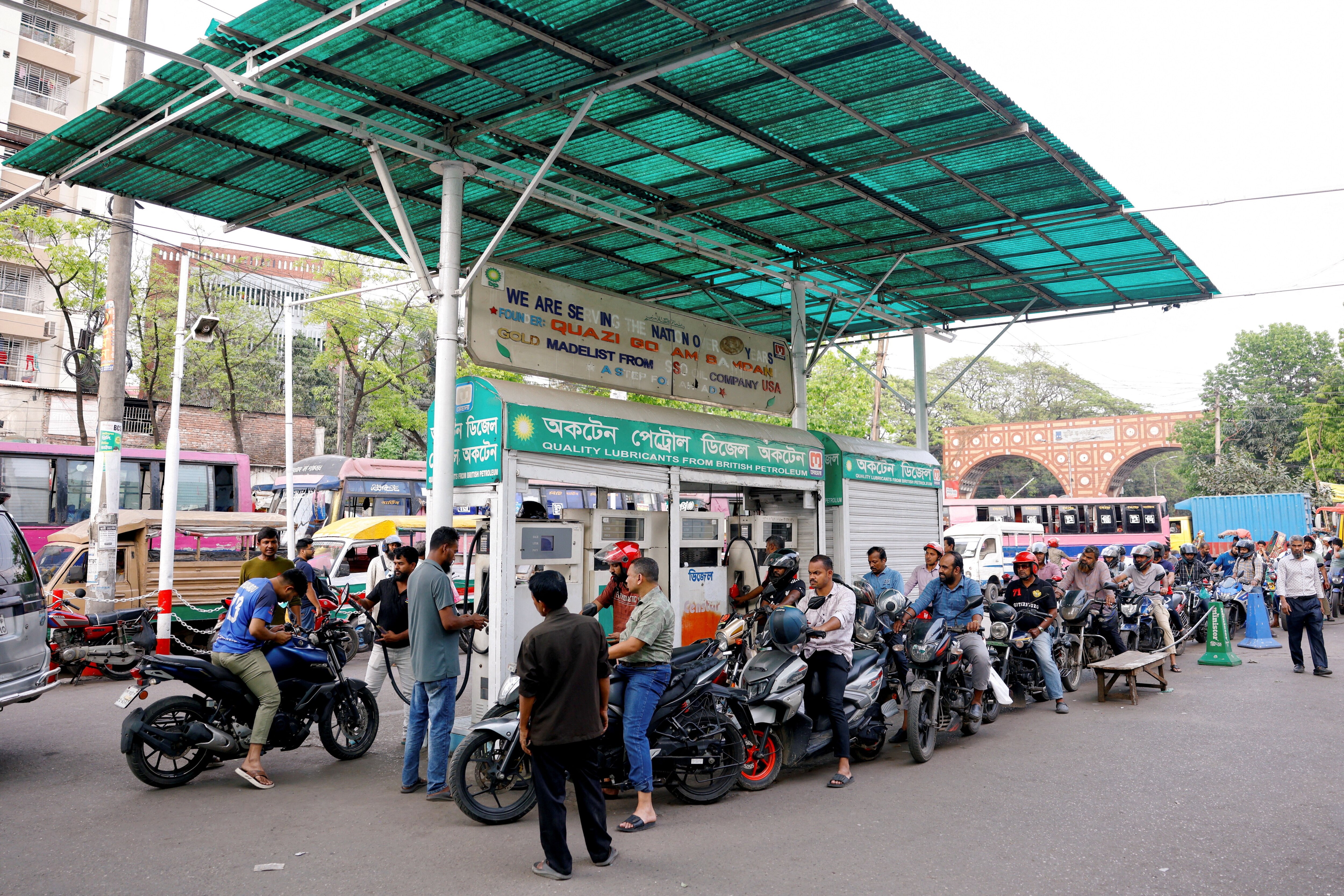
The development of Xiongan highlights a parallel dimension of urban transformation: while some cities are adapting in real time to shocks, others are being purpose-built to anticipate the future. Image: REUTERS/Mohammad Hossain
Jeff Merritt
Head of Centre for Urban Transformation; Member of the Executive Committee, World Economic Forum- This monthly round-up brings you some of the latest news on local economies and experiences.
- Top stories: Adapting to war in the Middle East; China's 'city of the future'; Robotaxi rollout to 28 cities.
- For more on the World Economic Forum’s city-focused work, visit the Centre for Urban Transformation.
1. Asian cities adapt to conflict in the Middle East
The Middle East conflict in Iran is affecting some of the world’s key supply chains: a fifth of global oil is transported via the Strait of Hormuz, which is currently blocked. The Strait also handles a similar share of international liquid natural gas trade.
Import-dependent Asian economies are disproportionately affected by the blockage because the vast majority of the oil and gas delivered via the Strait is destined for these countries.
This disruption underscores a growing reality for urban leaders: global geopolitical risks are now local urban challenges, with cities often the first to feel and respond to systemic shocks in energy, food and supply chains.
Here's how some cities across Asia are coping with the disruption to their energy imports:
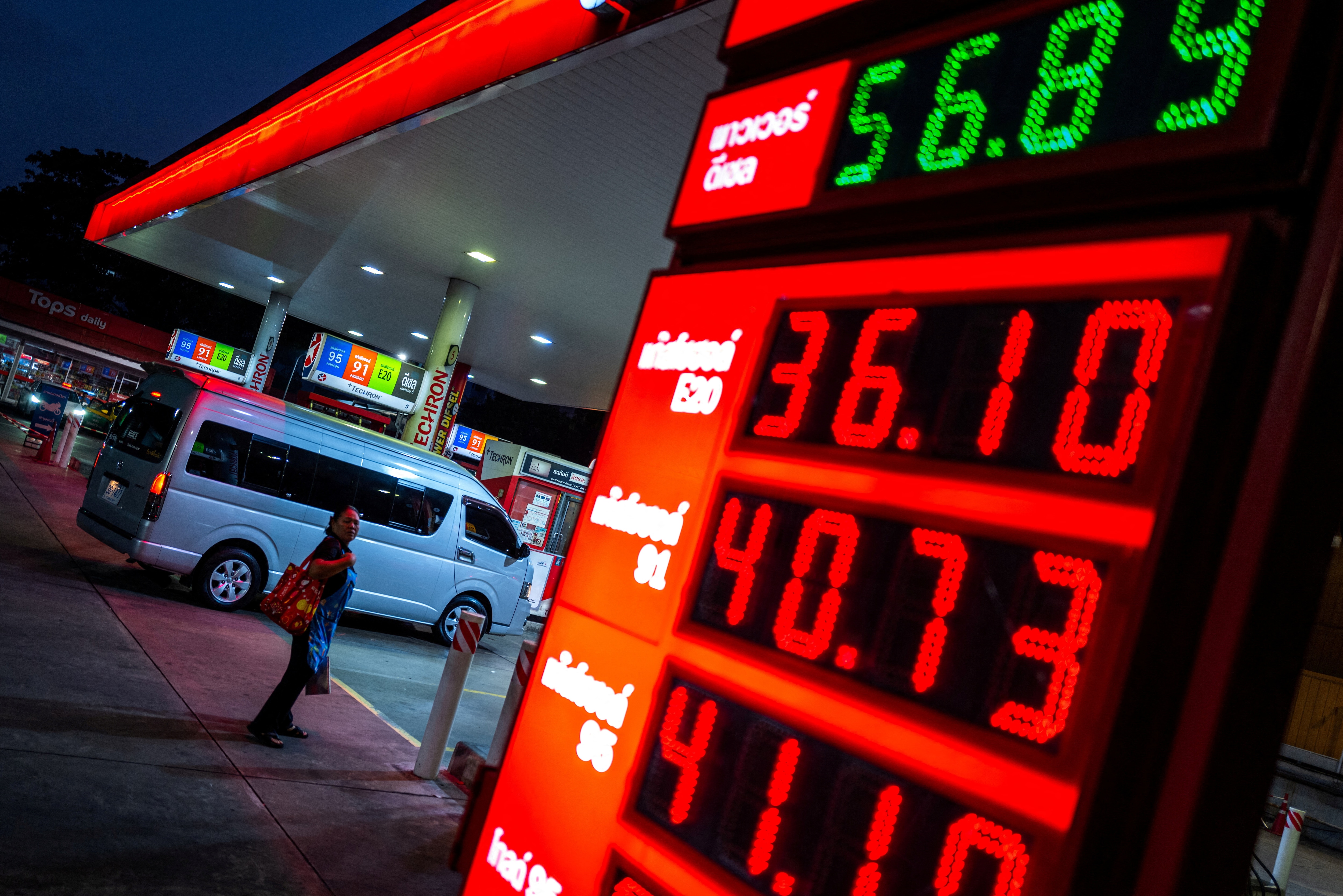
- Driving restrictions in Myanmar: The government has imposed driving limits to conserve fuel, including in major cities such as Yangon and Naypyidaw. With the exception of electric vehicles, private cars and motorbikes will only be allowed on the roads every other day. Even-numbered plates can operate on even dates and odd-numbered plates can operate on odd dates.
- Turning down the air-conditioning: Government offices in Bangkok, Thailand, have been advised to set air-conditioning temperatures between 26-27°C, reduce elevator use and share cars.
- "BYOF" in India: IT services companies in Indian cities such as Mumbai, Bengaluru and Chennai advised staff to bring their own food due to the Middle East crisis affecting cafeterias. To mitigate LNG shortages, many reduced food offerings or sourced cooked meals from external kitchens.
- Four-day working week: Several Asian countries have introduced a four-day workweek, effective across major cities, to cut back on fuel consumption. These include the Philippines (Metro Manila) and Pakistan (Islamabad). Sri Lanka (Colombo) has declared Wednesdays holidays for its public institutions, while Indonesia (Jakarta) is evaluating both a four-day week and working from home as ways of managing fuel demand.
Taken together, these measures highlight a shift toward demand-side urban resilience, where behavioural change, policy intervention and operational flexibility become critical tools in managing resource constraints.
While many of these responses are short-term, they signal a longer-term imperative: cities must accelerate energy diversification, electrification and efficiency to reduce exposure to external shocks.
They also reinforce a broader lesson for urban transformation: resilience is no longer only about infrastructure, but about how people, systems and institutions adapt in real time.

2. Xi Jinping pushes for progress on 'city of the future'
Chinese President Xi Jinping recently visited the Xiongan New Area, urging officials to "throw themselves" into accelerating progress on the project, which he has closely tied to his leadership legacy.
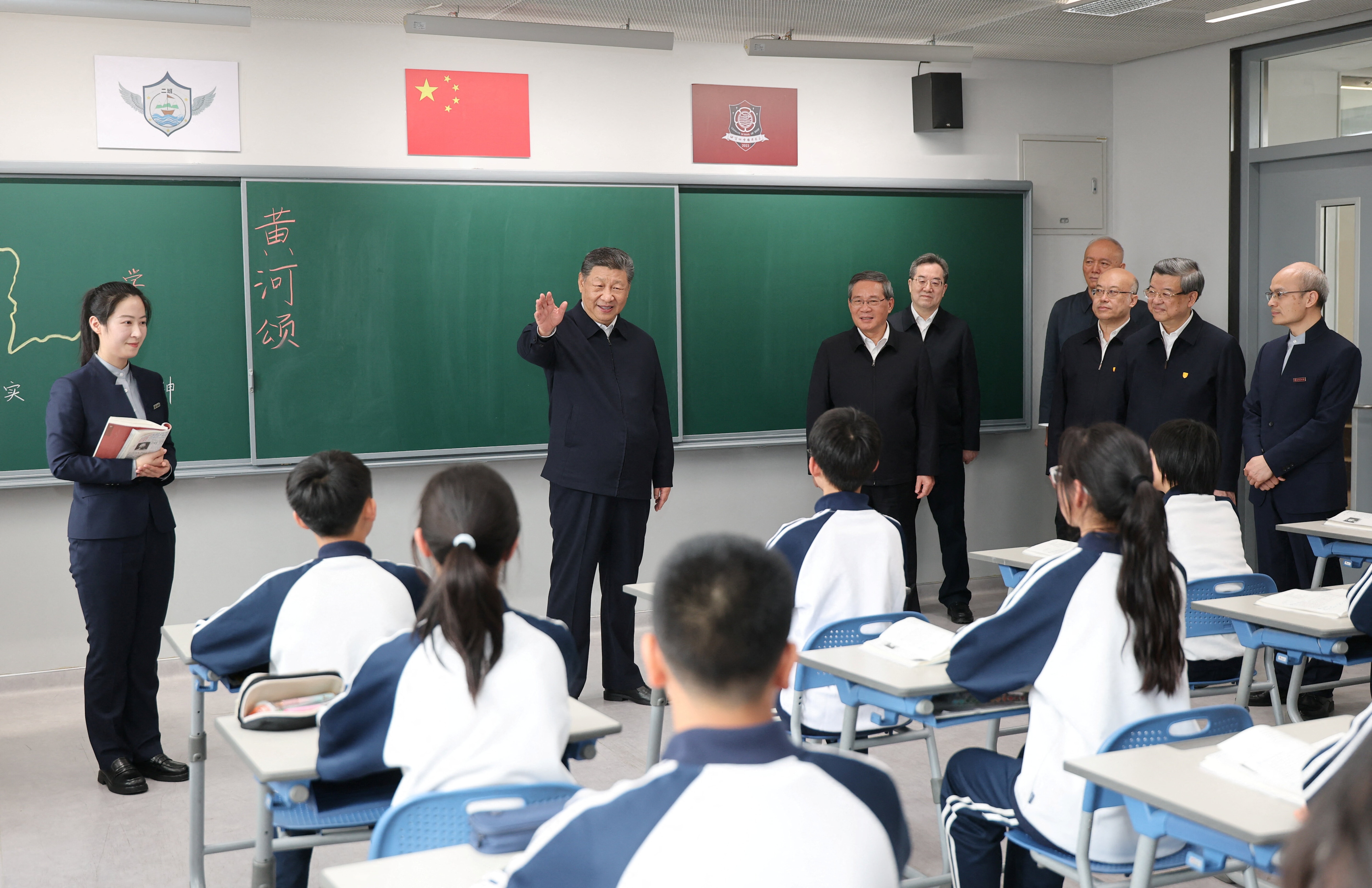
The development of Xiongan highlights a parallel dimension of urban transformation: while some cities are adapting in real time to shocks, others are being purpose-built to anticipate the future.
Xi called for faster implementation, stronger accountability and policy innovation in areas like science and finance, reinforcing the project’s political importance as China pursues breakthroughs in critical technologies and regional development.
Located about 100km from Beijing, the city of Xiongan, which has been under construction since 2017, is positioned as a national-level development zone alongside Shenzhen and Shanghai Pudong, intended to drive innovation and economic growth.
The project aims to relocate state-owned enterprises, universities and financial institutions to ease congestion in Beijing, with major firms already moving headquarters.
Despite slow population growth so far, Xiongan is planned for basic completion by 2035. Xiongan reflects an emerging model of state-led, systems-scale urban development, where infrastructure, industry and innovation ecosystems are designed in tandem rather than evolving organically.
"The Xiongan New Area should take reform and innovation as the driving force to promote the deep integration of technological innovation and industrial innovation," Xi said during his visit, according to official news agency Xinhua.
At the same time, the project underscores a critical challenge for future cities in aligning large-scale planning with real demand, livability and human-centered design. For urban leaders globally, the lesson is clear: building the cities of the future is not only about speed and scale, but about creating places where people and economic activity naturally converge.
3. News in brief: More top city stories
Middle East conflict threatens historical sites: UNESCO warns that world heritage sites could be damaged during the conflict, urging all parties to protect these sites where possible. This comes after four of Iran's 29 world heritage sites have already been damaged since the start of the conflict. This highlights the often-overlooked dimension of urban resilience: the protection of cultural assets, which are critical to identity, tourism and local economies.
Robotaxi rollout to 28 cities: Uber and Nvidia will deploy robotaxis across 28 cities in North America, Europe, Australia and Asia by 2028, starting in Los Angeles and San Francisco in early 2027. The vehicles will run on the DRIVE Hyperion autonomous vehicle platform along with Alpamayo, a reasoning-based AI model designed to handle complex road scenarios. This signals an acceleration in the integration of AI into urban mobility systems, raising important questions about infrastructure readiness, regulation and workforce transition. "Autonomous technology holds enormous promise to make transportation safer, more reliable, and more accessible," says Dara Khosrowshahi, CEO of Uber.
EU cities turning climate pledges into action: A report from the Global Covenant of Mayors for Climate & Energy and C40 Cities shows how EU cooperation across national, regional and local governments is turning pledges into real projects. This demonstrates the growing maturity of multilevel governance as a delivery mechanism for urban transformation, moving from commitments to implementation at scale. Here are a few examples of the successful initiatives:
- Since 2008, Germany's National Climate Initiative has invested €2.2 billion in more than 60,000 local projects and mobilized nearly €7 billion in total investments.
- Denmark is on track to become the first country where nearly all municipalities have climate plans aligned with the Paris Agreement.
- In Croatia and Portugal, multilevel climate and energy dialogues have been used to engage with local governments and discuss how to improve coordination, financing access and implementation capacity.
"The EU’s experience shows that multilevel governance is not a theory, but a proven model for delivering climate action on the ground," said Andy Deacon, Co-Managing Director of the Global Covenant of Mayors for Climate & Energy.
House prices in India to rise 5% annually through 2028: Driven by the development of high-end projects and a lack of investment in affordable housing, house prices across the nation are expected to rise about 5% annually through 2028, a Reuters poll of property analysts showed. Premium homes above around $106,000 now dominate sales, accounting for 63% in 2025, even as overall residential sales fell 11%, highlighting widening inequality in housing access. This points to a widening affordability gap, reinforcing that inclusive urban transformation must address not only growth, but equitable access to housing and opportunity.
4. More on urban transformation on Forum Stories
The $106 trillion challenge: Infrastructure is no longer just roads and bridges - it’s the digital backbone, clean energy systems and smart networks that will define economic competitiveness. With $106 trillion needed by 2040, public funding alone won’t suffice. Meeting this demand will require new financing models, greater private-sector participation and the integration of emerging technologies such as AI to improve efficiency and returns.
This city is addressing the hidden costs of on-demand delivery: A pilot in Cape Town is introducing micro-mobility hubs with shade, water, Wi-Fi and organized parking for delivery workers. This illustrates how targeted, human-centred interventions can improve both system efficiency and quality of life, particularly in rapidly growing urban sectors like last-mile logistics.
Tackling cooling energy use in a warming climate: Retrofitting buildings in tropical regions offers faster impact than constructing new green assets. Here's how we can rethink existing urban systems - instead of just building new ones - to accelerate decarbonization and resilience.
This month’s developments highlight a defining feature of the urban century: cities must simultaneously manage immediate disruptions and invest in long-term transformation. Whether responding to energy shocks, advancing climate action or deploying next-generation technologies, the most effective urban strategies will be those that integrate resilience, sustainability and inclusion into a single, coherent approach.
License and Republishing
World Economic Forum articles may be republished in accordance with the Creative Commons Attribution-NonCommercial-NoDerivatives 4.0 International Public License, and in accordance with our Terms of Use.
The views expressed in this article are those of the author alone and not the World Economic Forum.

Forum Stories newsletter
Bringing you weekly curated insights and analysis on the global issues that matter.
More on Built Environment and InfrastructureSee all

Esther Finidori, Bill Updike and Annika Zawadzki
June 19, 2026


