Opinion
4 ways cities can make themselves more marketable for business

Cities need the right mix of talent, venture capital, mobility infrastructure and climate resilience to appeal to multinationals Image: REUTERS/Gonzalo Fuentes
- Cities are home to 50% of the global population and account for 80% of global gross domestic product.
- Economic and geopolitical uncertainty is prompting multinationals to diversify their geographic footprint and reassess location decisions.
- Multinationals want to locate in cities with ample talent, venture capital, mobility infrastructure and climate resilience.
Many cities compete for business by providing a one-time subsidy for a marquee headquarters or a tax incentive for a new factory. In 2026, that often isn’t enough.
At a time of dizzying economic and geopolitical change, multinational corporations that are eager to diversify their geographic footprint are using a much broader set of factors to make location decisions.
Cities generate about 80% of global gross domestic product (GDP), according to the World Bank. About half of all people in the world currently live in urban areas. The UN says that’s expected to increase to 70% by 2050.
However, no two cities are identical. Companies increasingly want locations with deep talent pools, access to capital, world-class connectivity and plans for climate resilience, according to a new report by the Oliver Wyman Forum, which uses more than 50 metrics to rank 1,500 cities globally.
Many of these cities already have these characteristics and can serve as models for others.
The most successful cities help attract and retain employees, especially those with the tech skills needed for artificial intelligence (AI), by supporting the amenities they seek, from cultural events to housing affordability.
They also encourage venture capital investments by supporting projects that help startups. They create credible long-term plans to address climate resilience and they build airports, roads and other infrastructure to enable people and products to move easily.
Venture capitalists are more likely to invest in cities that support university commercialization programmes, fund startup incubators and accelerators, simplify business formation and permitting and encourage industry clusters.
”1. Win the talent competition
Cities can’t change their geography but they can influence factors that attract and retain talent by backing the arts, affordability and accessibility that potential employees value, especially Generation Z and millennials, who now account for over half the global workforce.
Business- and worker-friendly policies, such as access to visas or favourable tax rates, attract talent and business investment. Dubai, part of the United Arab Emirates (UAE) and Riyadh, Saudi Arabia, for example, offer zero or low personal tax rates that attract some of the world’s best talent.
And while some countries in recent years have restricted immigration, places such as Dubai and neighbouring Emirate Abu Dhabi have made it easier by introducing the five-year UAE Golden Visa (long-term resident permits). Hong Kong, similarly, offers the Top Talent Pass Scheme for graduates from top global universities.
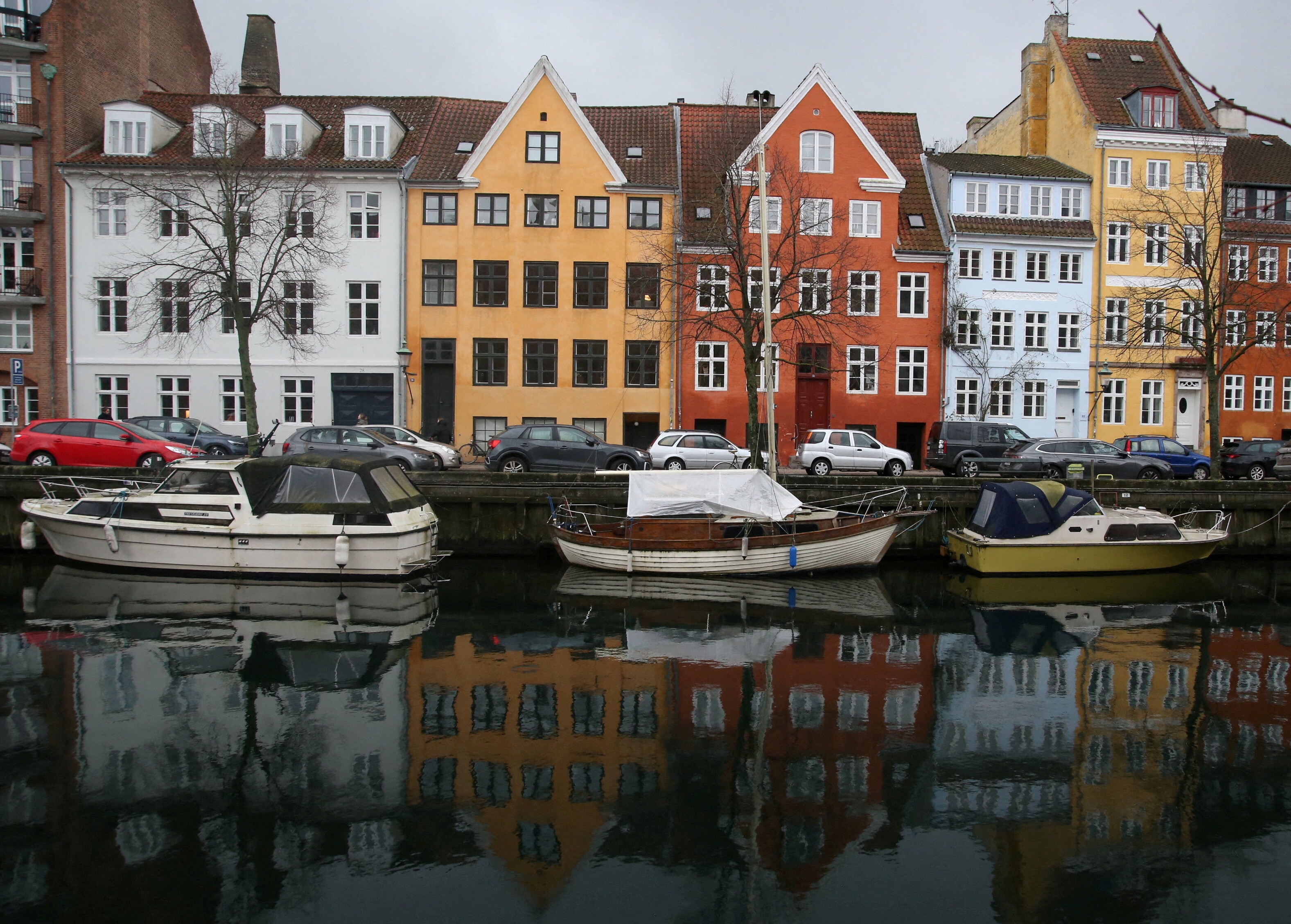
Workers are also gravitating towards cities such as Huntsville, Alabama, in the United States because of its affordability combined with its strong industrial growth. Cities such as Copenhagen, Minneapolis and Vienna are trying to reduce housing, transportation, energy and childcare costs to appeal to workers.
2. Expand access to capital
Access to venture capital is critical to attracting new industries and scaling businesses. While much of the money is highly concentrated in a handful of cities, including San Francisco, London and Beijing, more than 50 cities in our ranking have attracted $1 billion to $3 billion in venture capital funding annually.
Venture capitalists are more likely to invest in cities that support university commercialization programmes, fund startup incubators and accelerators, simplify business formation and permitting and encourage industry clusters. Local and national policies are helping many cities to build this environment.
Istanbul, for example, has received significant early-stage funding. While the city has benefited from its affordability and large, educated workforce, government policies and projects have also helped.
The Turkish government has made immigration easier for tech talent and supported projects such as Terminal Istanbul, a public-private partnership that is transforming the historic Atatürk Airport terminal buildings into a global hub for technology and entrepreneurship, with the aim of hosting more than 2,000 startups.
The cities that succeed in the coming decades will be those that provide the talent, capital, connectivity and climate resilience that companies need to thrive.
”3. Build the connectivity that businesses need
Companies need cities that can efficiently move people, goods, data and ideas. While infrastructure isn’t the deciding factor for businesses, it amplifies the advantages of capital, talent and industry clusters.
Those that have strong international air links, domestic hubs and proximity to other economically active urban centres are more appealing. The top-ranked cities in the Oliver Wyman Forum’s Commercial Hub category have, on average, air connections to 94 international cities and are often national hubs.
Gulf champions such as Dubai have focused on being international hubs, attracting both capital and talent seeking easy access to regional and global markets. For cities in China, it’s about ensuring connectivity with large domestic markets. High-speed trains connect China’s Shenzhen, Guangzhou and Dongguan within an hour.
4. Make resilience a competitive advantage
Climate resilience is becoming a defining factor in a city’s competitiveness as extreme weather, rising insurance costs and operational disruptions impact economic activity. The increased demand for cooling and additional stress on energy grids and water supplies could affect local manufacturing, data centres and workforce availability.
Cities can increase their appeal by developing credible, long-term climate action plans that address how they hope to prevent or limit these disruptions. Some cities are well along this journey.
Singapore, for example, is widening its drains, raising ground levels and building water retention tanks to address flooding. Sierra Leone’s capital, Freetown, has planted a million trees, and Paris aims to ensure that every resident is within a seven-minute walk of a “cool island” such as a park or pool by 2030.
Global competition for business investment is intensifying. The cities that succeed in the coming decades will be those that provide the talent, capital, connectivity and climate resilience that companies need to thrive.
Don't miss any update on this topic
Create a free account and access your personalized content collection with our latest publications and analyses.
License and Republishing
World Economic Forum articles may be republished in accordance with the Creative Commons Attribution-NonCommercial-NoDerivatives 4.0 International Public License, and in accordance with our Terms of Use.
The views expressed in this article are those of the author alone and not the World Economic Forum.
Stay up to date:
Cities and Urbanization
Related topics:


Forum Stories newsletter
Bringing you weekly curated insights and analysis on the global issues that matter.
More on Built Environment and InfrastructureSee all

Liz Dennett
September 14, 2026


