How did the Strait of Hormuz become so important, and will it stay that way?
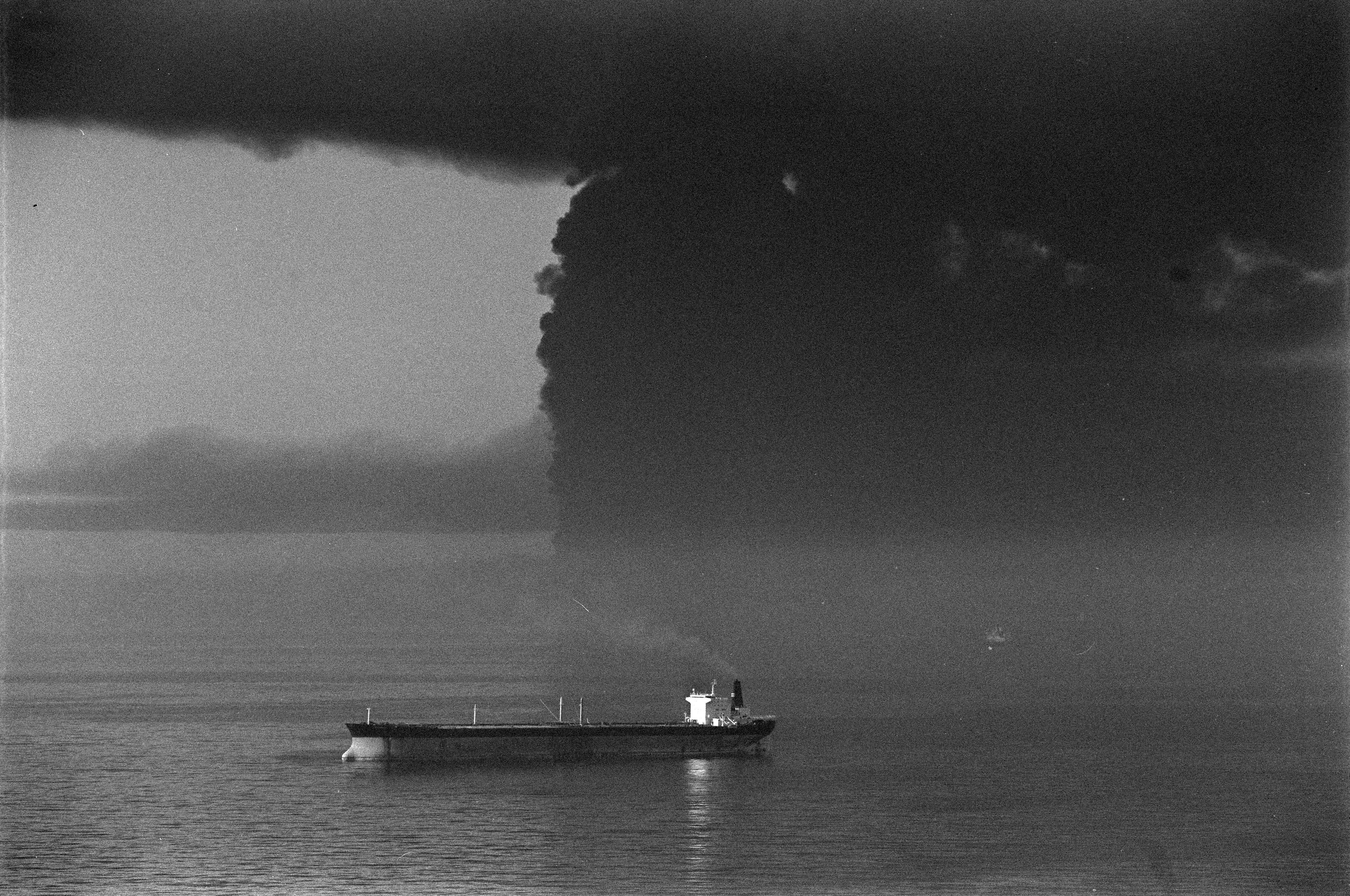
The 'Tanker War' was just one chapter in the dramatic history of the Strait of Hormuz; the vital trade passage has been effectively closed by the Iran conflict. Image: REUTERS/Spiros Mantzarlis
- The narrow passage fought over for centuries became crucial for the global economy when the surrounding region emerged as a key source of energy.
- Its effective closure during the Iran war has reinvigorated interest in alternative trade routes, but there are no simple solutions.
It’s been an object of fascination at least since Milton name-checked it 360 years ago in his poem Paradise Lost. European kingdoms fought over it in galleons, and the Portuguese left behind a vestige of colonialism in the form of an abandoned fortress that still looms over one of the world’s most vital waterways.
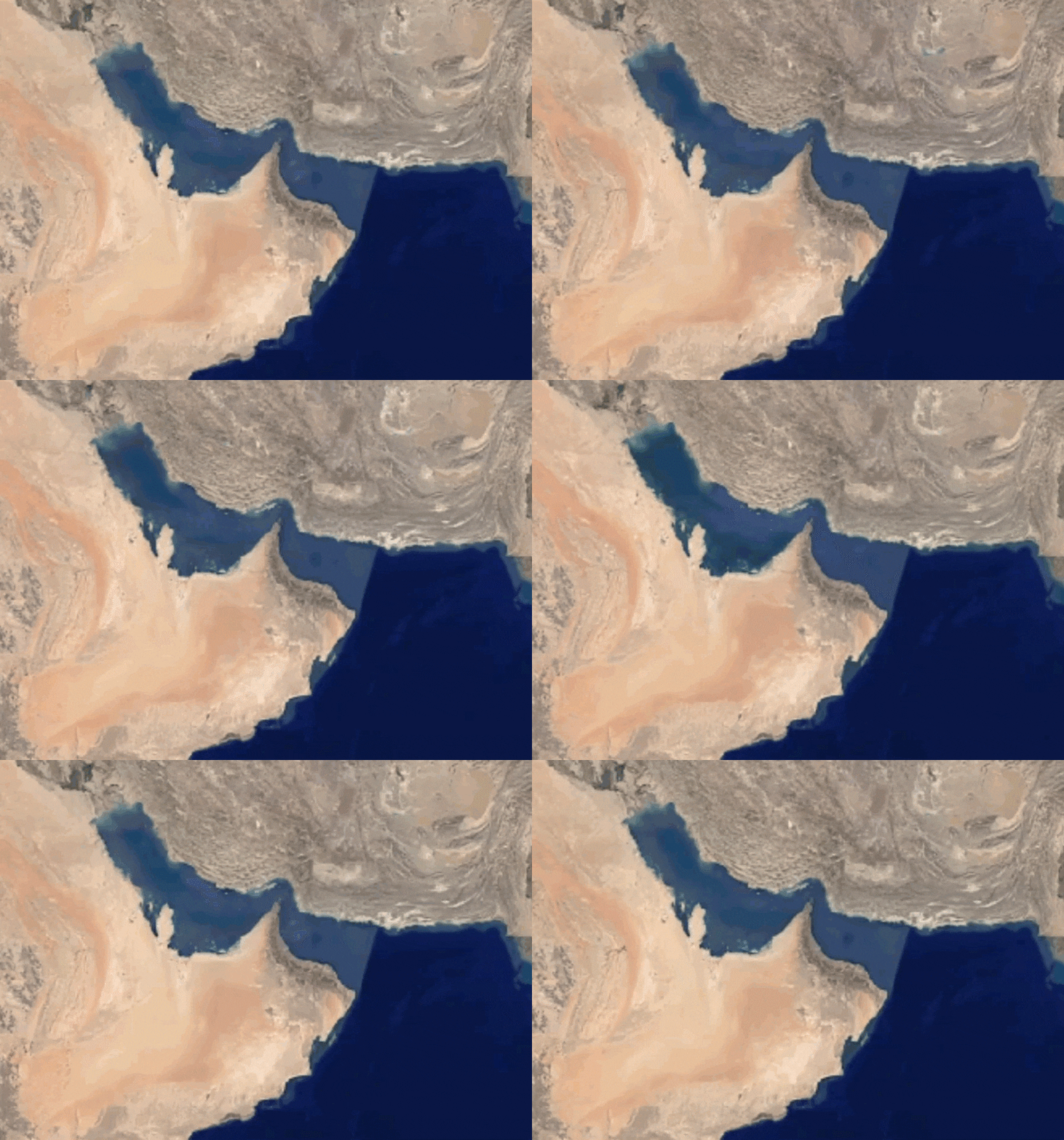
The Strait of Hormuz has now been effectively sealed by the chaos of the Iran war for nearly two months, starving the global economy of essentials. The 39-kilometre-wide passage normally serves as a primary funnel for energy, fertilizer, and critical raw materials like sulphur. But fully free navigation might not be realistic for a long time. Dire consequences are predicted.
That begs a basic question: how did we come to rely so heavily on something that could be rendered inoperative virtually overnight?
The strait has been strategically important since the days of astrolabes, but it secured its place in the modern economy around the time of Bahrain’s first major oil strike in 1932. That was followed by Saudi Arabia’s first big strike six years later; a Saudi oil port was promptly opened not far away on the Gulf, which would eventually become the world’s biggest, and barrels began flowing through the Strait of Hormuz.
On the northern shore of the Gulf, Iran had its first big oil strike decades earlier (the formation of the Anglo-Persian Oil Company followed, and its nationalization would play a fateful role in the country’s future relations with the West). Major discoveries were also made in Iraq, Kuwait, the UAE, and Qatar, all nestled around a body of water separated from the high seas by a single, increasingly crowded exit point.
By the 1950s, oil production flowing through the Strait of Hormuz was powering a massive international rebuild in the wake of World War II – interrupted temporarily by a British blockade of strait in 1951 (“British Warn Iran on Taking Over Oil,” blared a headline about the ill-fated reaction to nationalization).
Clearly, the oil-producing countries utilizing the strait would have to organize if they wanted to maximize the benefits of their abundant resource. In 1960, four of them joined together with Venezuela to form OPEC.
A ‘Tanker War’ in Hormuz and a gas boom
The strait’s status as a flashpoint endured.
A regional conflict in the 1980s gave rise to the Tanker War, when Iraq began attacking ships carrying Iran’s exports through the Gulf. Iran eventually responded in kind; it mined the strait and even threatened a blockade, but stopped short because the move was deemed too extreme. Oil prices jumped and then recovered.
Reasons to rely on the strait only multiplied. Production of natural gas in the Gulf accelerated in the early part of this century. Qatar’s exports, much of it liquefied and loaded into cryogenic containers on ships pointed east towards the strait, increased by about 800% between 2000 and 2023.
It’s not just gas, it’s the many vital things that can be manufactured as gas byproducts. Fertilizer, for example; Qatar utilizes its massive gas capacity to churn out the most popular form of nitrogen fertilizer in large quantities. Sulphur is another byproduct – about half of the seaborne trade in this crucial element of battery production normally transits the strait.
Here’s where the inevitable search for alternatives to transporting through the Strait of Hormuz gets tricky.
Oil and gas can at least theoretically be shipped through pipelines. Saudi Arabia has already ramped up oil exports via a 1,200-kilometre pipeline that reaches the Red Sea, as way of bypassing the strait.
But something like fertilizer or sulphur requires transport on a ship, train or truck. Routing these things away from the strait would therefore require new infrastructure, which means serious investment. There has been talk of building new bridges, roads, and a regional rail network.
In the meantime, there seems to be a competition underway over which side can throttle traffic through the Strait of Hormuz more effectively. That's troubling in a way that transcends location; the strait may be narrow, but it’s not entirely unique. There are plenty of other potential choke points in the world.
These are mostly allowed to remain open to free-flowing trade. It wasn’t always like that.
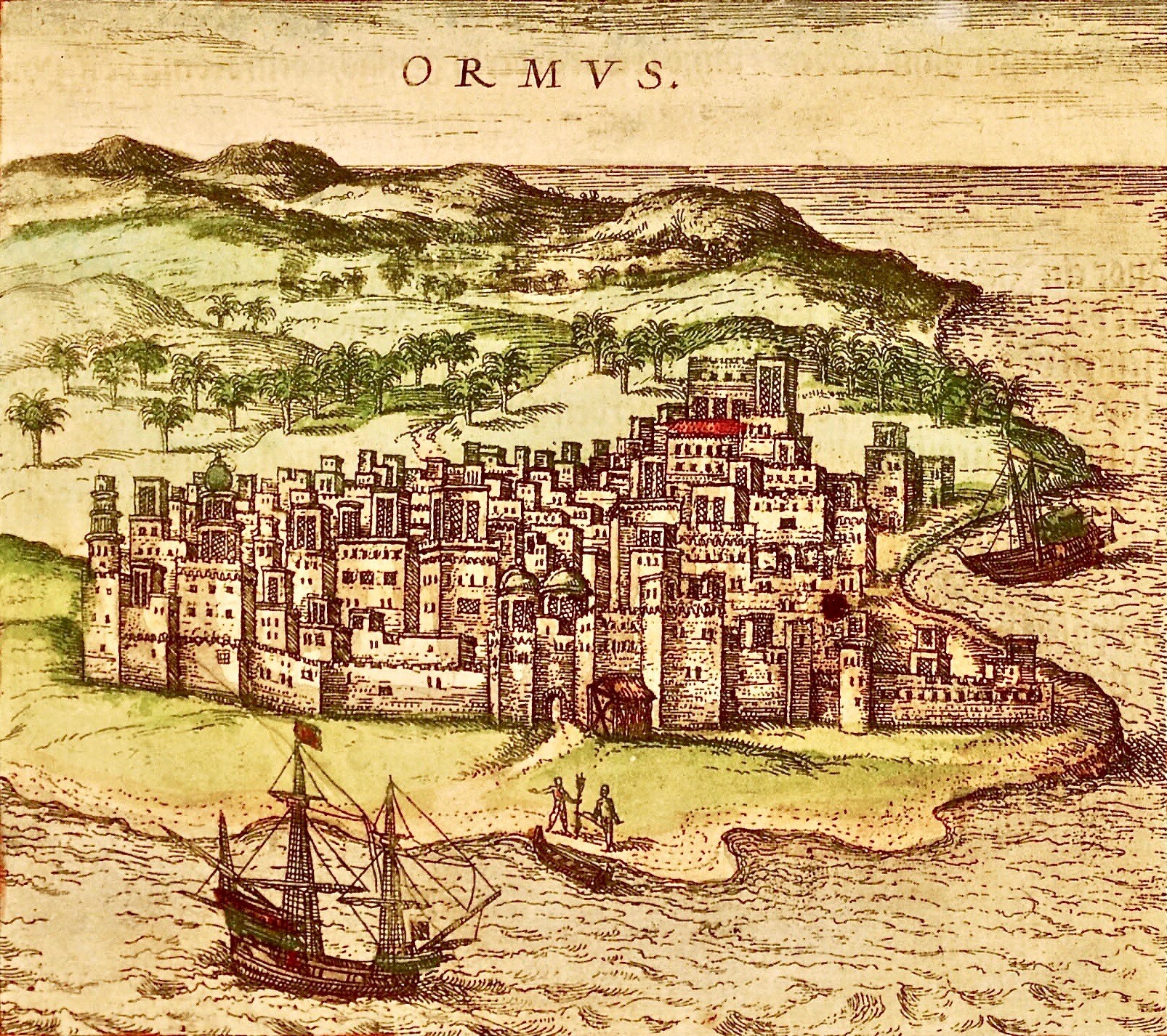
At one point, around the same time that it built that fortress that remains on Hormuz Island, Portugal effectively operated the strait as a sort of toll booth. This wasn’t so uncommon in the past; there are remnants of these kinds of checkpoints still visible from the shores of Lake Geneva in Switzerland to mountain passes in the Caucasus.
Returning to a system like that could change daily life in ways most us probably can’t fathom.
Don't miss any update on this topic
Create a free account and access your personalized content collection with our latest publications and analyses.
License and Republishing
World Economic Forum articles may be republished in accordance with the Creative Commons Attribution-NonCommercial-NoDerivatives 4.0 International Public License, and in accordance with our Terms of Use.
The views expressed in this article are those of the author alone and not the World Economic Forum.

Forum Stories newsletter
Bringing you weekly curated insights and analysis on the global issues that matter.
More on Geo-Economics and PoliticsSee all

Vivin Rajasekharan Nair and Anna Pramod
July 20, 2026


