Amid global uncertainty, companies with locations in a diverse range of cities can better manage risk, capture growth and build resilience.
As more cities emerge as viable business hubs, companies have choices beyond traditional centres like New York, London and Tokyo.
The strongest business location strategies balance commercial density, connectivity, talent, livability, proximity to market clusters and climate resilience.
With the World Uncertainty Index surpassing pandemic-era highs, companies can’t afford a concentrated physical footprint – siting premises such as factories and offices in a range of carefully considered locations is crucial. This diversification, especially across multiple countries, helps manage risk, capture growth opportunities and build resilience.
Deciding where to locate business premises can be challenging, however. There are the traditional powerhouses like New York, London and Tokyo, of course. But a company’s footprint is more than just a cost and growth decision. Building the right portfolio of city locations is core to business development opportunities and risk management.
That's why CEOs should think less about a single “best” city and more in terms of a portfolio of business locations that includes global command centres, regional sales hubs, manufacturing nodes, innovation centres, outsourcing locations and resilience backup sites.
This means evaluating talent availability, transportation and digital connectivity, climate resilience, complementary nearby markets and other factors – not just the cost of opening a new facility.
Increased business location choices
When building a portfolio of business locations, companies now have a much larger pool of cities to choose from than ever before, according to a new report by the Oliver Wyman Forum. The report ranks 1,500 cities as commercial, connectivity and investment hubs using metrics ranging from air flight volume to the presence of multinational firms. It found that these cities contribute 75% of global GDP, about $88 trillion in economic output and are home to 1.9 billion consumers and 92% of the world’s listed companies.
The rankings show that a growing group of midsized cities are starting to challenge the dominance of traditional names such as London, Tokyo and New York. These smaller cities are increasingly able to offer advantages to businesses looking for connectivity, skills and talent, livability, as well as the ability to manage emerging risks such as climate change.
Many midsized cities have strong international and domestic connectivity, large potential workforces and nearby cities or a national capital that can amplify their value. They frequently have more affordable housing, growing talent pools and strategic positions in shifting supply chains. Some, like Hamburg in Germany and Manchester in the UK, are also attracting startup capital, technology talent and global tech activity.
City density and connectivity matter
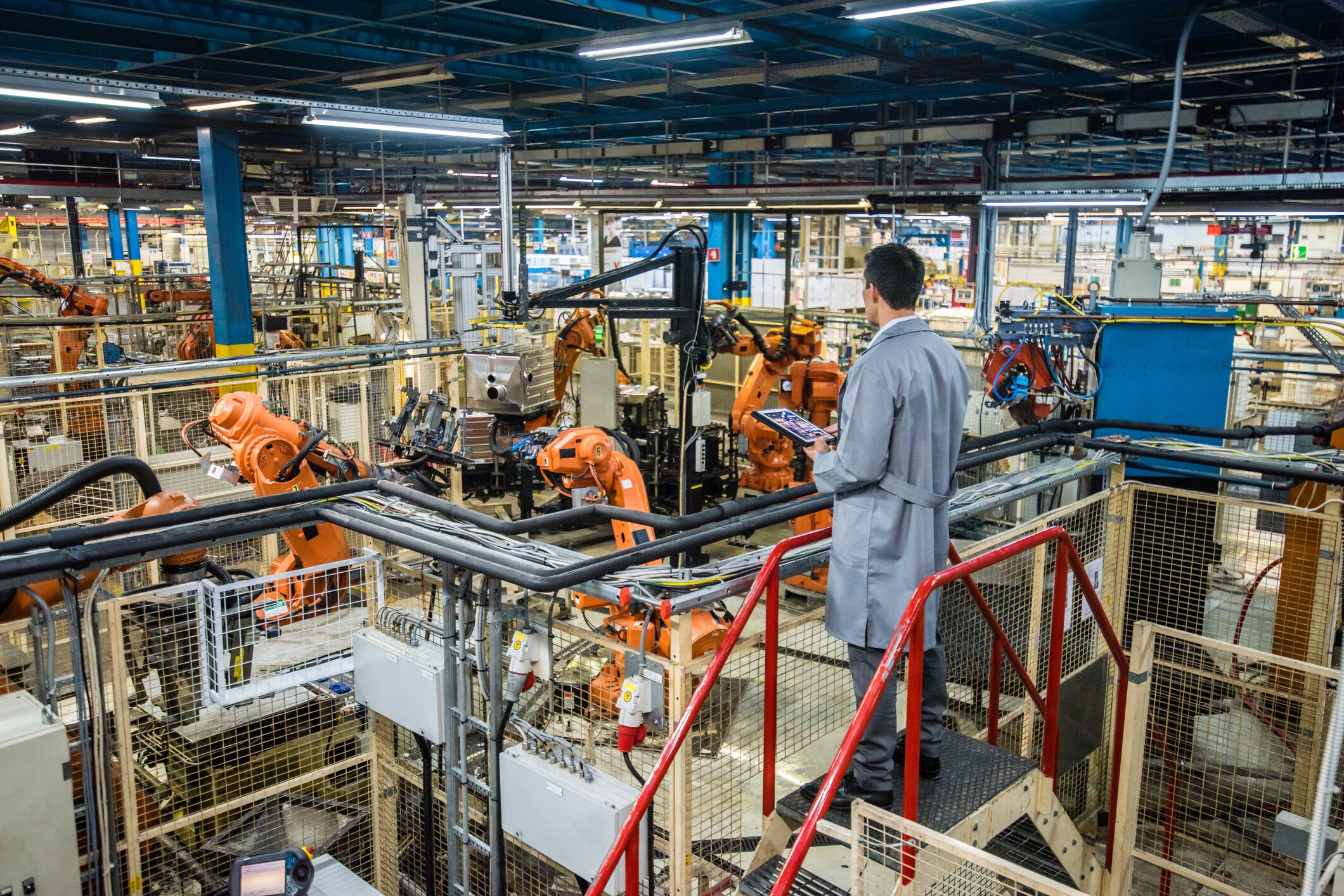
To create a strong portfolio of business locations, a city’s strengths can be matched to specific business function needs. Sales teams may want to be near customers, for example, while research and development teams may wish to be close to universities, venture capital and skilled workers. Manufacturing and logistics operations could prefer cities with transport links, supplier depth and access to nearby markets.
It's in these areas that fast-growing urban centres in Asia, the Middle East and Latin America are challenging traditional business hubs. Almost a third of the top 100 cities in the ranking's commercial sub-index are in emerging markets – a significant increase in the last two decades. These hubs have advantages that are difficult to replicate, including dense concentrations of multinationals, shared suppliers, deeper talent pools and faster deal flow.
Connectivity amplifies these advantages. Cities with strong international and domestic air links or that are near other economically active urban areas provide opportunities for clients, teams and supply chains. The top-ranked commercial hubs identified in the rankings report are connected by air to an average of 94 international cities and often serve domestic air travel routes too.

Nearby cities matter too. Urban clusters can include cities close to complementary business hubs with their own major ports, suppliers, universities and customers.
Hong Kong’s strength is amplified by its position within a larger cluster of cities that includes neighbouring Shenzhen and Guangzhou, for example. All three are commercial leaders but together they are larger than Tokyo, with a combined GDP of more than $1.4 trillion and a population of around 48 million people within a one-hour high speed rail trip.
Similar clusters exist elsewhere, including Munich-Stuttgart-Zurich and Singapore-Johor Bahru-Batam. Each of these cities has unique strengths but together they are more competitive.
Living in the moment, planning for the future
Talent strategy and city strategy should be part of the same conversation.
Cities that combine strong universities, dense career pathways and vibrant recreational amenities attract workers, especially Millennials and Gen Zs. London, Boston and Seoul clearly provide this combination, but employers can also find the same attributes in places like Helsinki, Manchester and Wuhan.
The question is not only where workers are available today, however, but which cities can produce, attract and retain the talent that companies will need over the next decade – especially in AI, engineering, advanced manufacturing and digital services.
The World Economic Forum estimates that AI will eliminate 92 million jobs and add 170 million by 2030. That churn is one reason employees are increasingly focused on training. A third of workers globally believe access to training would most improve their work experience, but only about a third are confident they are getting the skills they need, according to a recent Oliver Wyman Forum report.
Business and worker-friendly incentives such as access to visas and favourable tax policies also attract talent. While some countries have made it more difficult in recent years for foreign workers to get visas, Dubai, Riyadh and Hong Kong are attracting employees with low or zero personal tax rates and expedited visas.
This can tip the balance in favour of a decision to move for mobile global professionals, particularly when paired with meaningful career opportunities.
De-risking against climate concerns
A city’s climate resilience should also be part of the calculus when building a portfolio of business locations.
Repeated flooding, water scarcity disruptions and extreme heat can result in downtime, higher operating costs and talent flight. These challenges can be especially acute in many developing cities, where rapid growth is straining infrastructure. Through stress testing, climate risk should be priced into location decisions alongside cost, growth and talent.
Some cities already lead on climate readiness. Four of the top-ranked cities in the report’s sustainability sub-index are in Switzerland. Many others are tackling the issue, such as Paris, which wants to ensure every resident is within a seven-minute walk of a “cool island”. Singapore is widening drains, raising ground levels and building water retention tanks to address flooding.
While choosing where to locate can be challenging, the options are numerous. Diversifying and thinking both about workforce, consumers and logistics, as well as emerging risks such as climate, can help companies build a diverse and resilient physical footprint.