Opinion
The next food crisis is already in motion
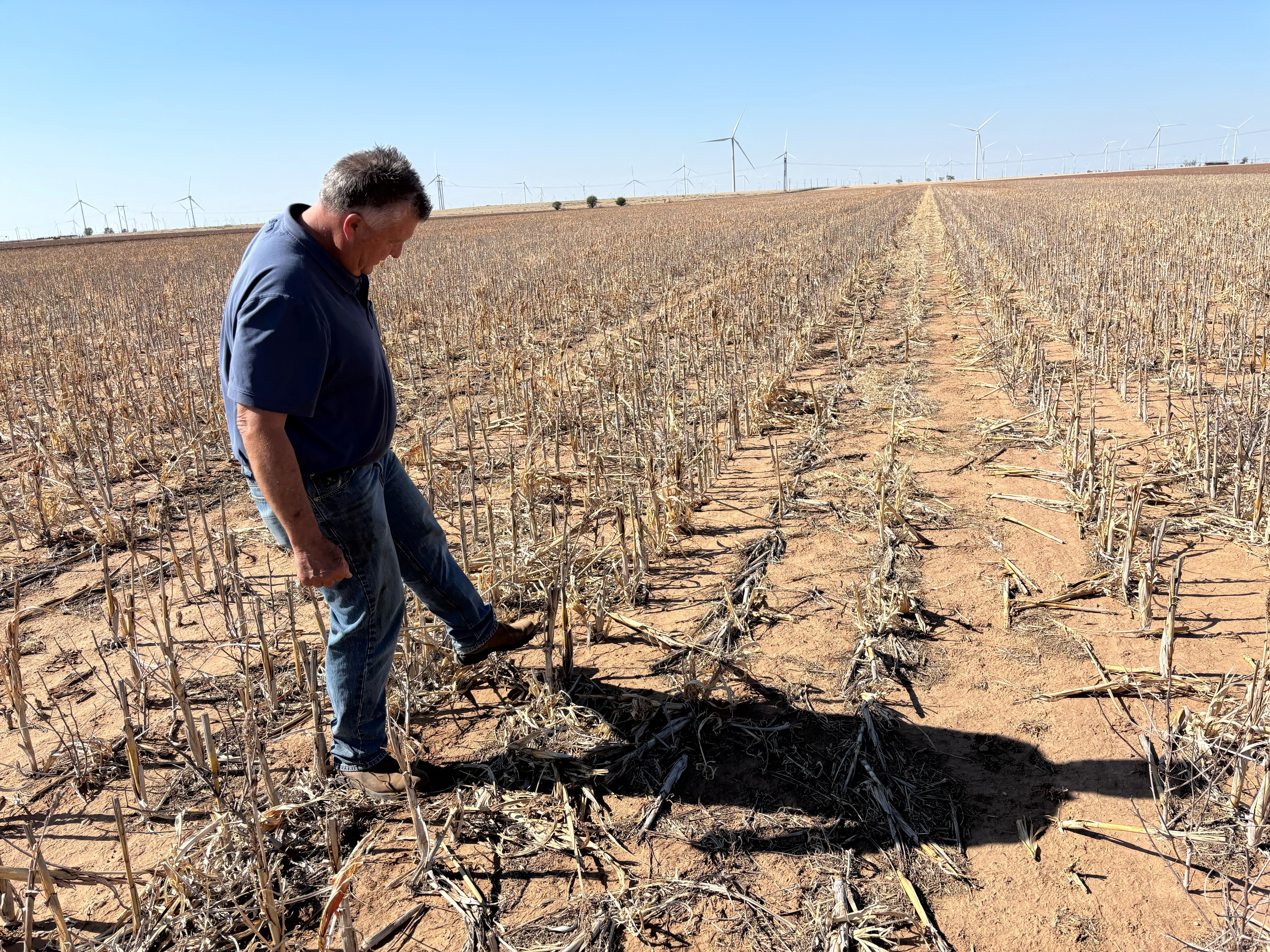
Chief economists see dramatic increases in the cost of food on the horizon due to Strait of Hormuz-related supply shock. Image: REUTERS/Tom Polansek
- The latest Chief Economists’ Outlook cites ‘grave concerns’ about disrupted food production resulting from the closure of the Strait of Hormuz.
- FAO Chief Economist Máximo Torero writes that ‘cascading shocks’ mean decision-makers must act now to stave off the worst possible consequences – both of this crisis and the inevitable crises yet to come.
The world is entering an age of shocks, where crises are no longer isolated events but interconnected disruptions with global consequences. COVID-19 exposed vulnerabilities in global supply chains. The war in Ukraine has disrupted food and energy markets. Now, the Strait of Hormuz crisis is revealing how tightly interconnected energy, fertilizer, and food markets have become.
What began as a regional geopolitical crisis is turning into a systemic shock to global agrifood systems. It’s the latest reminder that as shocks become the norm, countries must build resilience rather than respond to each crisis in isolation.
The Strait of Hormuz is one of the world’s most critical chokepoints. Before the conflict, roughly 35% of global crude oil exports, 20% of liquefied natural gas exports, and up to 30% of fertilizer exports transited through this narrow strip of water – along with sulfur, essential for phosphate fertilizer production. The blockade has severely disrupted global fertilizer supply chains just as planting seasons advance across both hemispheres.
As farmers face urea fertilizer price increases of 20% to 60%, on top of rising fuel, transport, and irrigation costs, the greatest risk is not immediate food shortages but rather cascading shocks that reduce future food production. It begins with energy-price spikes and logistics disruptions, followed by fertilizer shortages, then lower yields, with delayed transmission effects eventually leading to higher food prices and market volatility months later.
As the risk of a global food crisis builds over the next six months to a year, the decisions countries make now will determine how severe it becomes.
Have you read?
Above all, policymakers must protect their most vulnerable populations. Unlike COVID-19, which generated a demand shock as the global economy shut down, the Hormuz crisis is a supply shock disrupting energy and fertilizer supplies. Blanket subsidies will not secure supply, or reduce demand. They are also fiscally costly and regressive. Instead, governments should activate highly targeted programmes for vulnerable households, especially in rural areas, that draw on lessons from Latin America – while markets and wealthier consumers adjust to supply scarcity.
Immediate priorities are clear. Governments must secure alternative trade corridors and avoid export restrictions of energy and agricultural inputs that only intensify global shortages. Humanitarian food flows must be protected through financial buffers that offset rising logistics costs.
Farmers and small- and medium-sized agribusinesses require cash support and access to credit. Financing must arrive rapidly so they can adjust planting, fertilizer use, and production decisions before the next crop cycles are affected. This crisis is also an opportunity to formalize informal farmers through cooperatives and other farmer groups that can provide access to financing.
Countries struggling with rising fertilizer and food-import bills require rapid balance-of-payments support from international financial institutions such as the IMF. The Food Import Financing Facility, designed specifically to help poorer countries manage sudden spikes in food import costs during crises, and the Food Shock Window, introduced in 2022, should both be reactivated. For countries facing debt distress, grants must be made available.
Beyond immediate responses, countries need to improve fertilizer efficiency through soil mapping, shifts to less-fertilizer-intensive crops like legumes, and the promotion of intercropping systems that combine cereals with nitrogen-fixing crops. Energy systems in agriculture need to be diversified, replacing diesel-powered irrigation and pumping with electric and solar alternatives.
A prolonged blockade in Hormuz could make the production of biofuels significantly more profitable, and divert land, water, and fertilizer away from food production. Policymakers must therefore avoid artificially stimulating biofuel demand.
In the long term, countries must focus on building structural resilience. That means investing in diversified ports, roads, railways, warehouses, logistics hubs, and alternative trade corridors to reduce dependence on chokepoints. Countries should also establish strategic fertilizer reserves, enhance regional and domestic connectivity, and invest in cleaner and more resilient energy systems for agriculture.
Early warning systems that monitor climate, market, and trade disruptions can help governments anticipate risks and act before shocks become crises.
Some might argue that these measures are excessive, because a severe global food crisis may not actually materialize. But these recommendations are not about predicting catastrophe; they are about managing risk. Even if the worst-case scenario doesn’t occur, waiting to build resilience is a risk the world cannot afford – particularly when billions struggle with food insecurity, and other shocks continue to intensify.
Through a combination of efficiency, diversification, innovation, and systems thinking – finally treating energy, fertilizer, food, trade, and climate as the interconnected system it is – the world can better navigate this new era of shocks.
Don't miss any update on this topic
Create a free account and access your personalized content collection with our latest publications and analyses.
License and Republishing
World Economic Forum articles may be republished in accordance with the Creative Commons Attribution-NonCommercial-NoDerivatives 4.0 International Public License, and in accordance with our Terms of Use.
The views expressed in this article are those of the author alone and not the World Economic Forum.
Related topics:

Forum Stories newsletter
Bringing you weekly curated insights and analysis on the global issues that matter.


