


Global Risks
La pandémie COVID-19 montre que nous devons réduire nos angles morts face au risque
Le risque d'une pandémie mondiale a augmenté ces dernières années, mais la perception de ce risque ne correspond pas à la réalité.
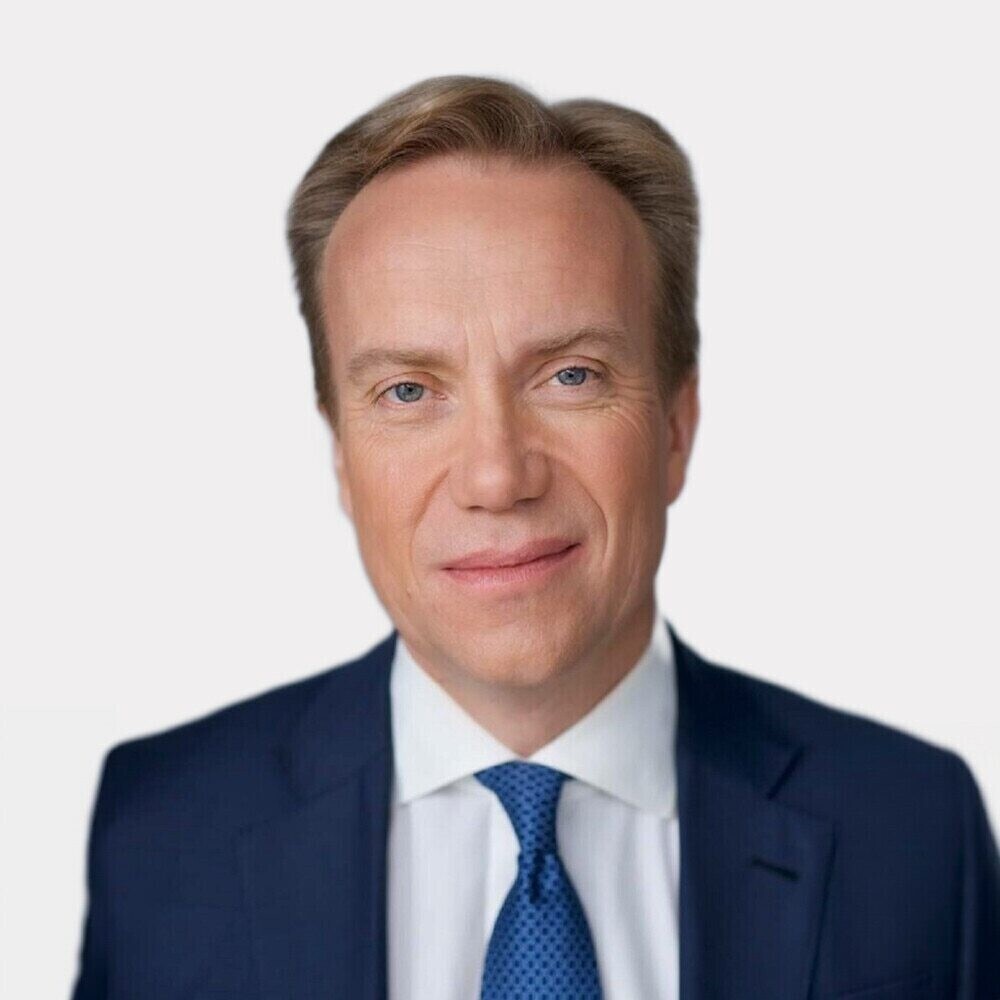
Børge Brende is Former President and CEO of the World Economic Forum. Previously he was the Norwegian Minister of Foreign Affairs, Minister of Trade and Industry, and Minister of Climate and the Environment. He served as Deputy Chairman of the Norwegian Conservative Party as well as MP. He was also full-time city counsellor in his hometown of Trondheim. He was Chairman of the UN Commission on Sustainable Development and Secretary-General of the Norwegian Red Cross. He was Board Member of Statoil and the Norwegian School of Economics. He was the Chair of Mesta, Norway’s largest contracting group in road and highway maintenance. He was a Director of the Philanthropy Asia Alliance. He is currently a Member of the Advisory Board of the Hoffman Centre for Global Sustainability, a Member of the Advisory Council, Harvard International Negotiation Program, the China Council for International Cooperation on Environment and Development (CCICED), the Strategic Committee of Sciences Po, and is on the Board of the Bilderberg Meetings.
Le risque d'une pandémie mondiale a augmenté ces dernières années, mais la perception de ce risque ne correspond pas à la réalité.

The risk of a global pandemic has risen in recent years, but the perception of that risk has not matched reality.

新型コロナウイルスの脅威に対応するには、もっと準備が必要だった。しかし、まだ遅くはない。私たちにはできることがある。私たちは新型コロナウイルスによる健康への影響だけでなく、経済的および社会的な余波についても考える必要がある。恐怖ではなく、事実に基づいて行動しなくてはならない。信頼できる情報によって意思決定できるようにすることが必要だ。民間企業とそのリーダーたちを巻き込み、...

Applying lessons from the simulated response on hypothetical global health emergency, conducted in New York last fall.

Economic, environmental and technological risks lend new urgency to act. The good news is that the window to mitigate these risks is still open, if barely.

Geopolitics is in flux, writes Børge Brende, and so we have an opportunity to steer the world towards cooperation, not competition.

From open markets with competitive companies to effective government and an expansive welfare state, Nordic countries set an example for all the world, writes Børge Brende.

各国都面临着严峻的社会经济挑战。不平等状况加剧,社会经历着身份危机,凝聚力逐渐减弱。从圣地亚哥到巴黎再到贝鲁特的示威游行也表明人们对政府逐渐失去了信任。
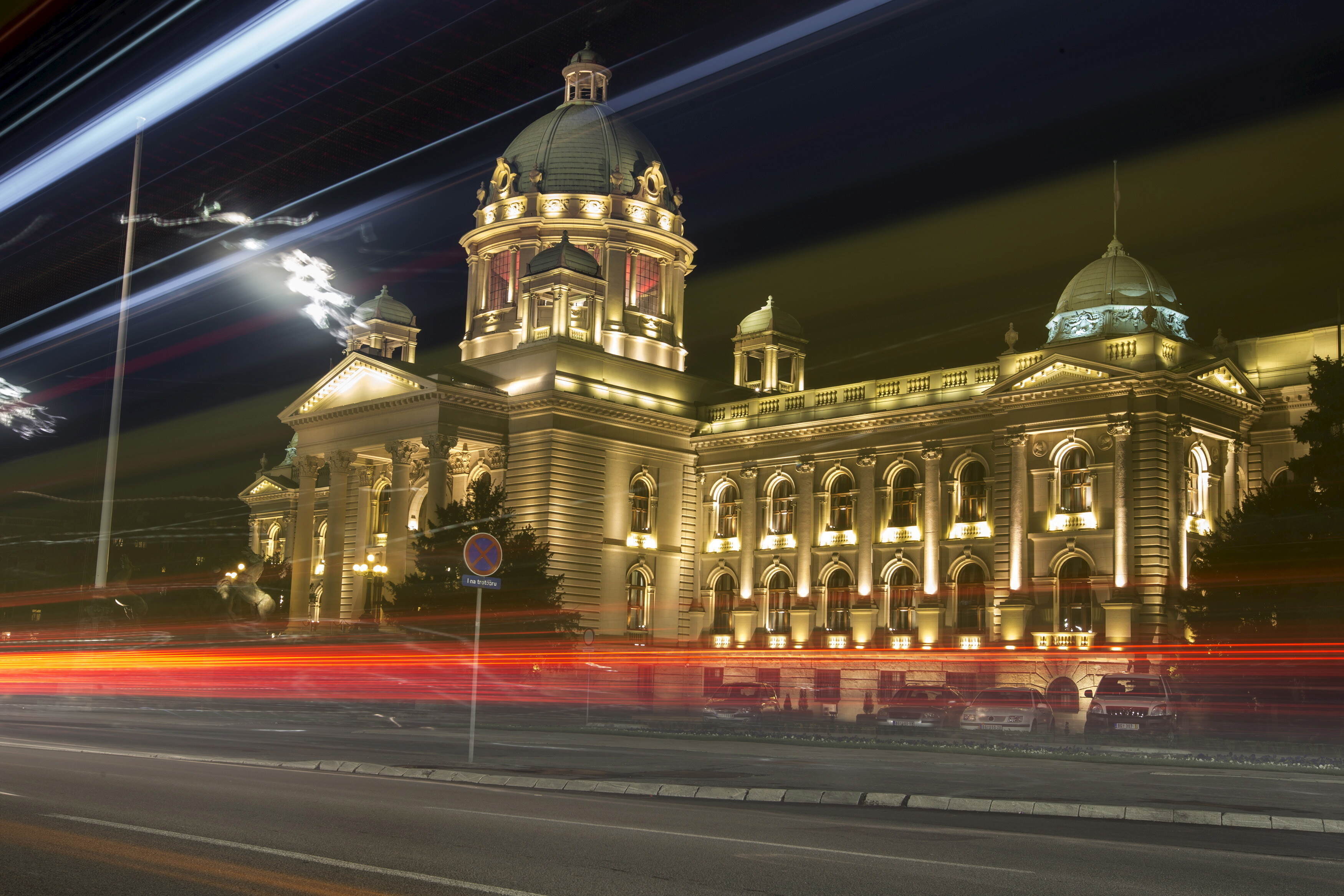
After the recent success of the Regional Roaming Agreement, landmark progress on economic competitiveness and innovation has been achieved in the region.

India and its diverse 1.3 billion population can become a $10-trillion economy in the next 15 years.

At a time when trade tensions and geo-economic instability are predicted to wipe billions off the economy, our only hope of facing down global risks is to work together, writes the World ...

グローバリゼーション4.0の経済的、社会的、環境的な変化がもたらす課題に世界が直面する中、人材投資の重要性がかつてないほど高まっています。ヒューマンキャピタル(人的資本)を尊重することで、システム全体の変化に対応する知識と技能を各人が備えられ、かつ、より平等、包摂的で、持続可能な世界の構築に貢献する力を得ることができます。

Conforme el mundo enfrenta los desafíos económicos, sociales y ambientales transformadores de la Globalización 4.0, nunca ha sido más importante invertir en las personas.

More than half of all employees will need new job skills by 2022 - but only 30% received training in the past year. If we want to ensure inclusive growth, we need to invest in people.

近年の地経学的な発展は、国際的な連携の影響力を反映している一方で、既存システムの限界を浮き彫りにしている。日本がG20の議長国を初めて務める年でもある2019年は、国際社会が経済成長を目指した協力の在り方を再確認し、新しいテクノロジーへのレジリエントかつ柔軟性のある貿易の在り方を見直す機会になるであろう。


