Remanufacturing can cut greenhouse gas emissions by up to 60% compared to new production – and it also emerging as a strategic priority.
Geopolitical volatility is forcing companies to rethink supply chains: remanufacturing allows firms to recover and reuse parts locally, reducing dependence on distant suppliers.
Companies like Schneider Electric and BORG Automotive are scaling remanufacturing, proving the business case.
For years, remanufacturing was seen as a niche business, limited to high-value industries like aerospace and automotive. Today, however, as the transition to a circular economy gains momentum, product life-extension strategies are emerging as a key approach to enabling circularity.
Remanufacturing delivers both environmental and economic benefits by extending the life of products and reducing resource consumption. The goal of remanufacturing is to restore used products to a like-new or better-than-new state. Unlike other value-retention processes, such as reuse or repair, remanufacturing ensures the equivalent performance and quality of new products are met. It extends product lifespans while reducing the demand for energy, natural reserves and hazardous substances, cutting greenhouse gas emissions by up to 60%.
The remanufacturing business model
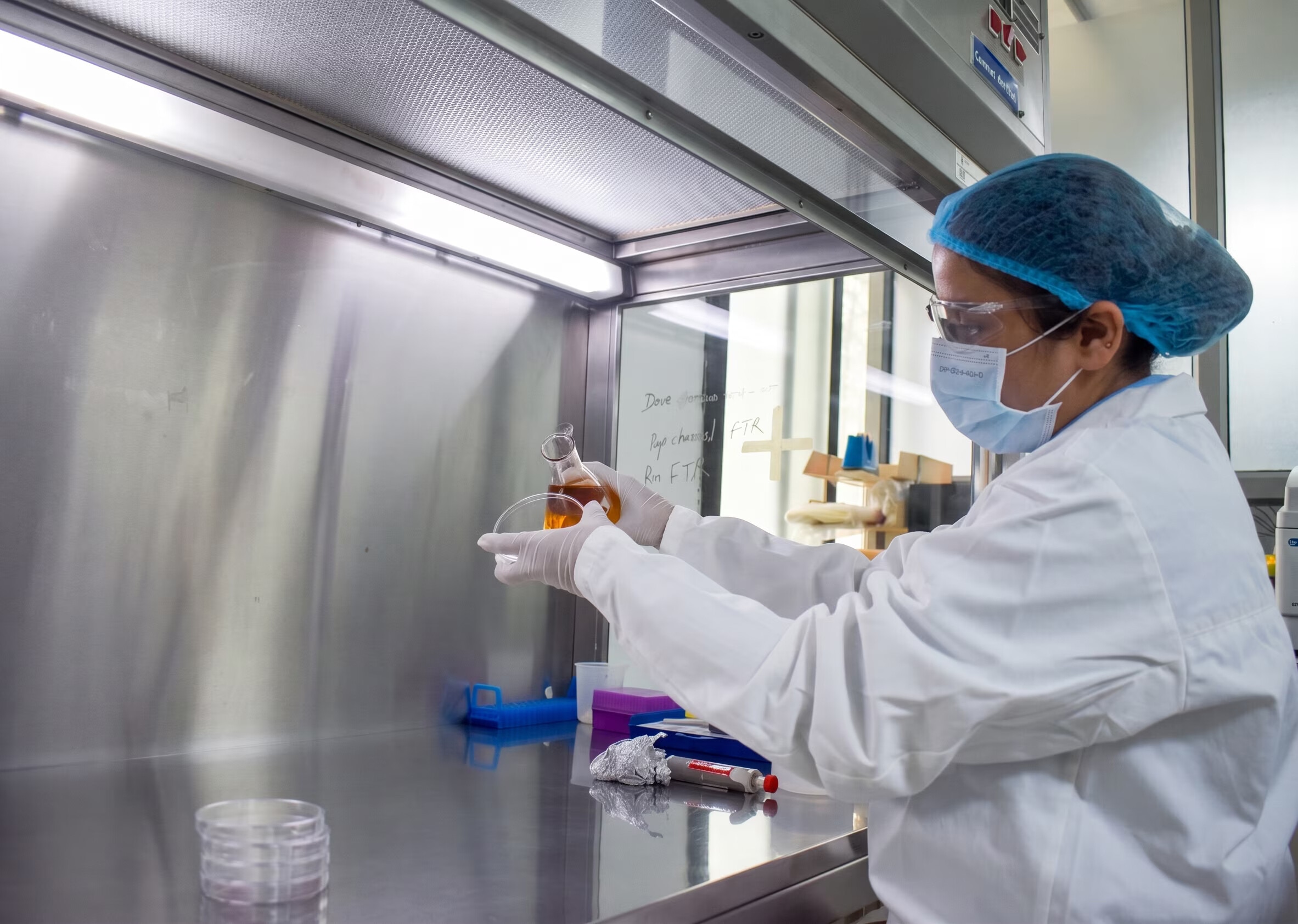
The remanufacturing process includes a series of often iterative steps: disassembly, cleaning, inspection, reprocessing, reassembly and testing of the returned parts. Remanufacturing activities may be carried out either by original equipment manufacturers or by specialized remanufacturing companies.
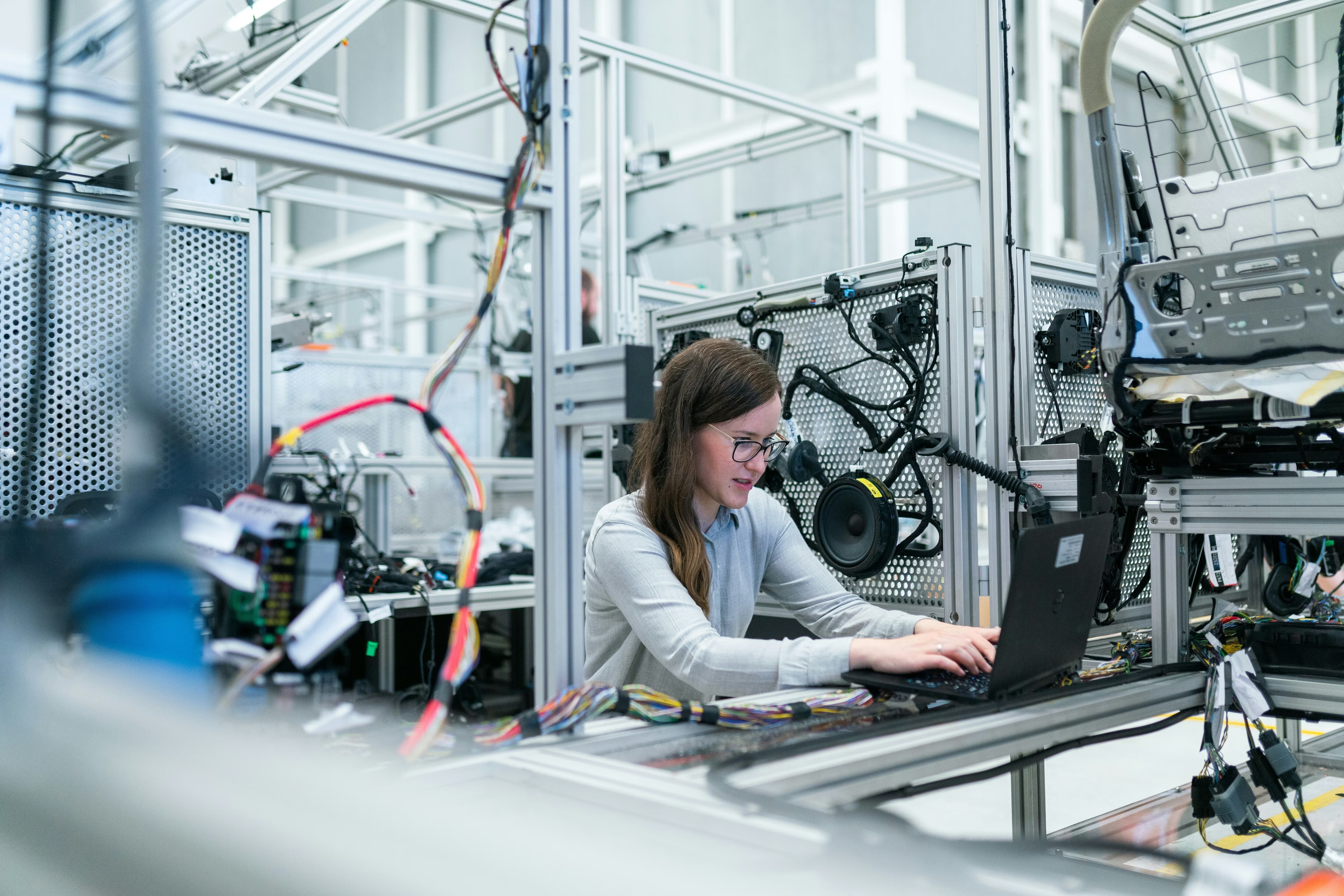
A growing number of manufacturers now have whole divisions dedicated to remanufacturing. European electronics maker Schneider Electric (SE), for example, launched its take-back programme for end-of-use products in 2017. In their programme, customers can return faulty units, which are then restored to like-new conditions. The remanufactured unit is certified and backed by a 2-year warranty.
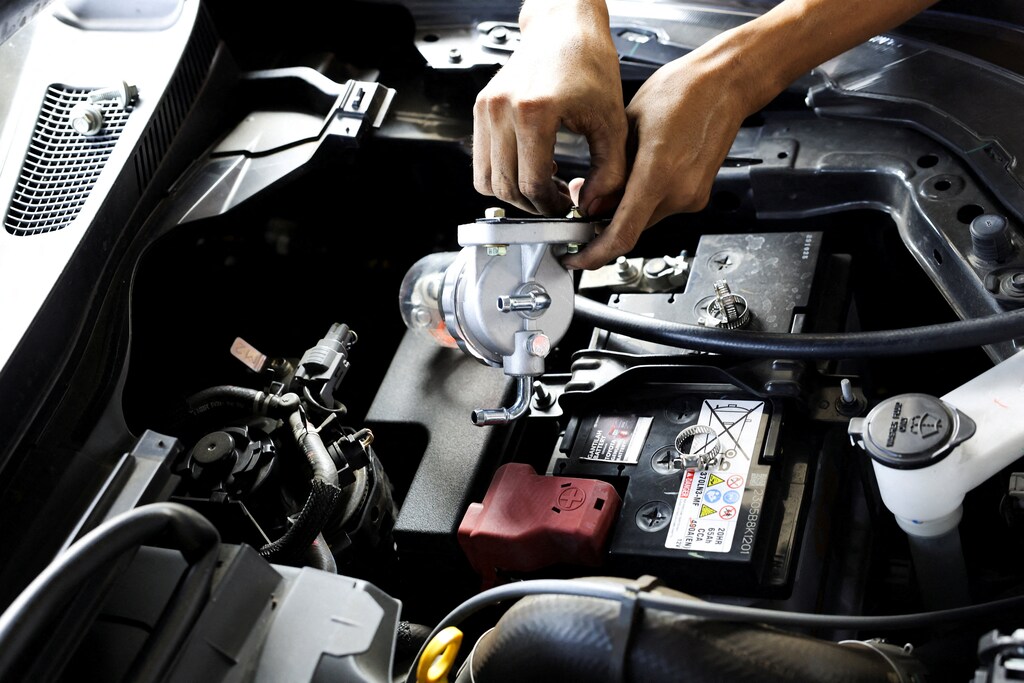
Elsewhere, independent companies specialize in remanufacturing used components to like-new condition. BORG Automotive, for example, specializes in the remanufacturer of automotive spare parts. The company maintains close partnerships with service garages and vehicle dismantlers to collect used components for remanufacturing. Today, its product portfolio includes remanufactured starters, alternators, AC compressors, brake calipers, EGR valves, steering racks, steering pumps and turbochargers of all automotive brands. In 2023, the company remanufactured more than two million units – all of which may have otherwise been discarded.
3 driving forces behind remanufacturing's growth
In the transition to a circular economy and rewired future supply chains, three emerging forces are making remanufacturing more important than ever.
1. A new geopolitical reality is reshaping supply chains.
Geopolitical volatility is disrupting global supply chains, forcing companies to rethink their supply chain designs. Strategic exports, such as semiconductors, are being restricted. As firms seek to move to regionalized production and secure material flows closer to home, remanufacturing can become a critical enabler. By recovering and reusing parts and materials locally, companies can close material loops, reduce reliance on outside-region suppliers, and build circular, self-sufficient supply networks.
2. Raw material scarcity forces companies to rethink sourcing.
Access to raw materials is tightening. Resources and critical raw materials are depleting rapidly, leaving industries vulnerable to supply disruptions and raising prices. For industries dependent on finite resources, remanufacturing offers a strategic response, reducing demand for virgin materials by retaining value from end-of-life products.
3. Regulation is driving circularity.
Regulatory enforcement is pushing industries and businesses to adopt more sustainable practices and reduce their environmental impact. In the EU, policies including the End-of-Life Vehicles Directive, the Waste Electrical and Electronic Equipment Directive or the Ecodesign for Sustainable Products Regulation are making circularity non-negotiable. These policies call on manufacturers to take extended responsibility for their products’ lifecycles, from design to disposal.

Unlocking growth in remanufacturing
As these three driving forces strengthen, remanufacturing will play a pivotal role as a key enabler of the circular economy. However, more can be done to scale it.
Companies engaged in remanufacturing should explore two key ways to scale their operations: expanding capacity and enhancing capability.
Expanding capacity: Scaling through volume and reach
A capacity-driven strategy focuses on increasing the volume of existing remanufactured products. For companies with an established product portfolio, this means deepening market penetration by finding new customers, expanding distribution partnerships or renegotiating contracts to support higher volumes.
Schneider Electric have done just this. By expanding existing capacity into remanufacturing operations, SE gains economies of scale, cutting overhead contributions per product, and growing sales by lowering prices and increasing availability. In 2017, SE started with a limited range of remanufactured products. Today, the remanufacturing portfolio covers a wide range of components such as variable speed drives, human-machine interfaces as well as motion control and robotics components.
The capacity growth strategy hinges on managing supply and demand tightly: securing a steady flow of end-of-life products through stronger reverse logistics partnerships or new collection networks and generating greater demand by targeting new customer segments or adjusting price points.
Enhancing capability: Scaling through diversification
Capability-led growth focuses on diversification by broadening the range of products or industries. Consider BORG Automotive. To drive further growth and tackle challenges like increasing complexity of automotive components, the company is exploring diversification into new industrial sectors. It seeks to leverage its existing resources and capabilities while considering further factors such as potential market size or existing aftermarket structures. Among the most promising areas are industrial electric motors and e-bike drive units, both of which have strong technological and operational synergies with its existing business.
Why now is time to scale remanufacturing
Remanufacturing stands at an inflection point. The environmental case is already proven – and the economic case is equally compelling. Remanufacturing lowers input costs, creates skilled local employment and enables companies to offer certified, warrantied products at competitive price points. As geopolitical factors continue to pressure global manufacturing and reconfigure global supply chains, remanufacturing is becoming an increasingly obvious and productive way for businesses throughout the supply chain to thrive.
Those that move fast and invest in remanufacturing now will be best positioned to lead in a circular – and increasingly competitive – economy.