Meet the 2027 Schwab Foundation Awards finalists
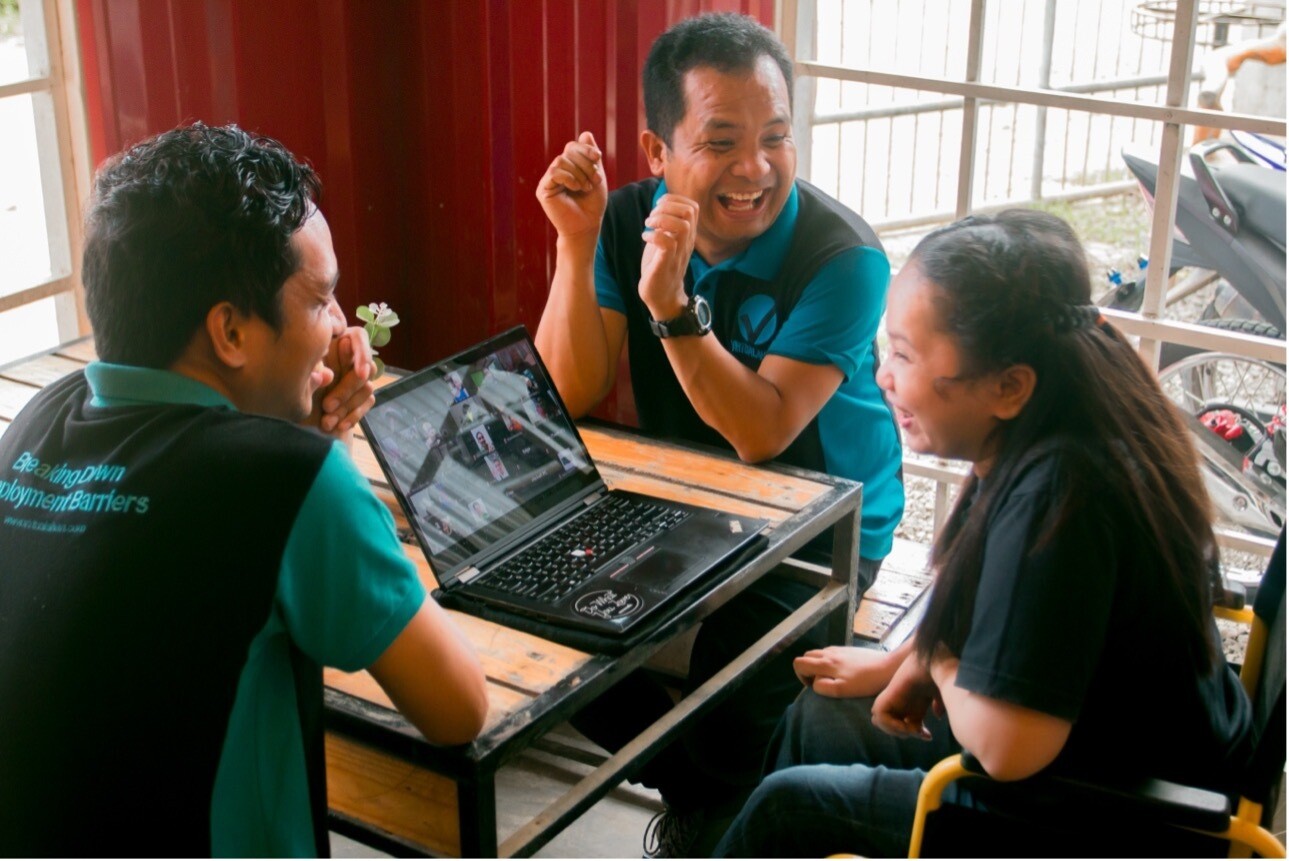
The Schwab Foundation Awards recognize social innovators across industries and countries. Image: IKEA Social Entrepreneurship
François Bonnici
Director, Schwab Foundation for Social Entrepreneurship, Head of Social Innovation, World Economic ForumMaria Inés Martin
Selections, Community and Impact Lead, Schwab Foundation for Social Entrepreneurship- The Schwab Foundation for Social Entrepreneurship has worked with pioneering social innovators across diverse sectors and geographies since 1998.
- The Schwab Foundation Awards spotlight innovative and systemic solutions that address social inequality and environmental challenges.
- This year’s 21 finalists are changing business norms and showing how to create a fairer future.
From regenerative biotech and affordable housing to digital work, eye care and climate action, the 2027 Schwab Foundation Awards finalists demonstrate how social innovation can improve lives and transform systems over the long term. Their work tackles complex challenges while addressing the conditions that allow some problems to persist.
Since 1998, the Schwab Foundation for Social Entrepreneurship, in collaboration with the World Economic Forum, has been bringing together pioneering social entrepreneurs and innovators across diverse sectors, industries and geographies. The Schwab Foundation Awards identify and promote the adoption of innovative and systemic solutions to address social and environmental challenges worldwide.
The 2027 selection process considered hundreds of inspiring nominations. After rigorous assessment, 21 finalist organizations representing 17 countries were selected.
Linking learning to employment
One finalist, Mustafa Abd El Rahman, founded eYouth to help young people in Egypt move from learning to employment. The eYouth platform connects training to employer demand through role-based courses, digital assessment and hiring services. Since 2016, the organization has trained more than 3.1 million learners and supported more than 700,000 job placements.
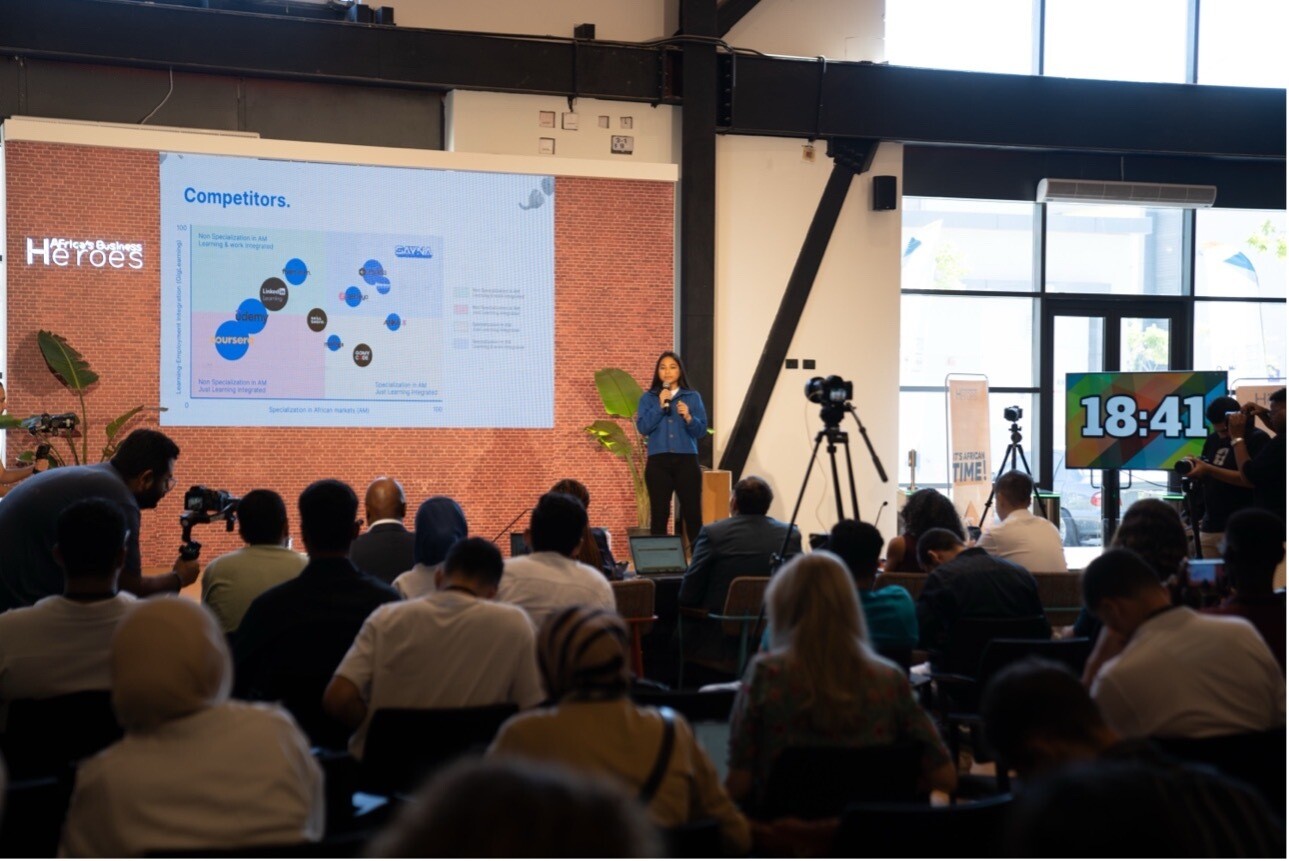
In Madagascar, Matina Razafimahefa, co-founder of SAYNA, is building a similar link between skills and income. At 19, she co-founded the organization with her mother and helped develop a model that combines digital learning with paid online work. SAYNA operates through hubs in schools, libraries and community spaces across Africa. It helps young people gain experience in areas such as data annotation, customer relationship management and artificial intelligence review.
Changing systems around essential services
Andrew Bastawrous of Peek Vision is helping eye-health programmes use digital tools to reach people in schools, communities and workplaces around the world. Peek’s software supports the delivery and evaluation of eye-health services, helping local programmes identify needs and manage referrals. Its approach illustrates how technology can strengthen frontline systems when it is designed around the realities of the people using it.
In Spain, Blanca Hernández Rodríguez of tuTECHÔ addresses housing as a starting point for tackling housing instability. Her organization combines an investment vehicle that acquires and rehabilitates homes with a foundation that supports non-governmental organizations, research, advocacy and innovation. The homes are leased to social organizations at below-market rates. The model treats housing instability as a structural issue linked to health, security and people’s ability to participate in society.
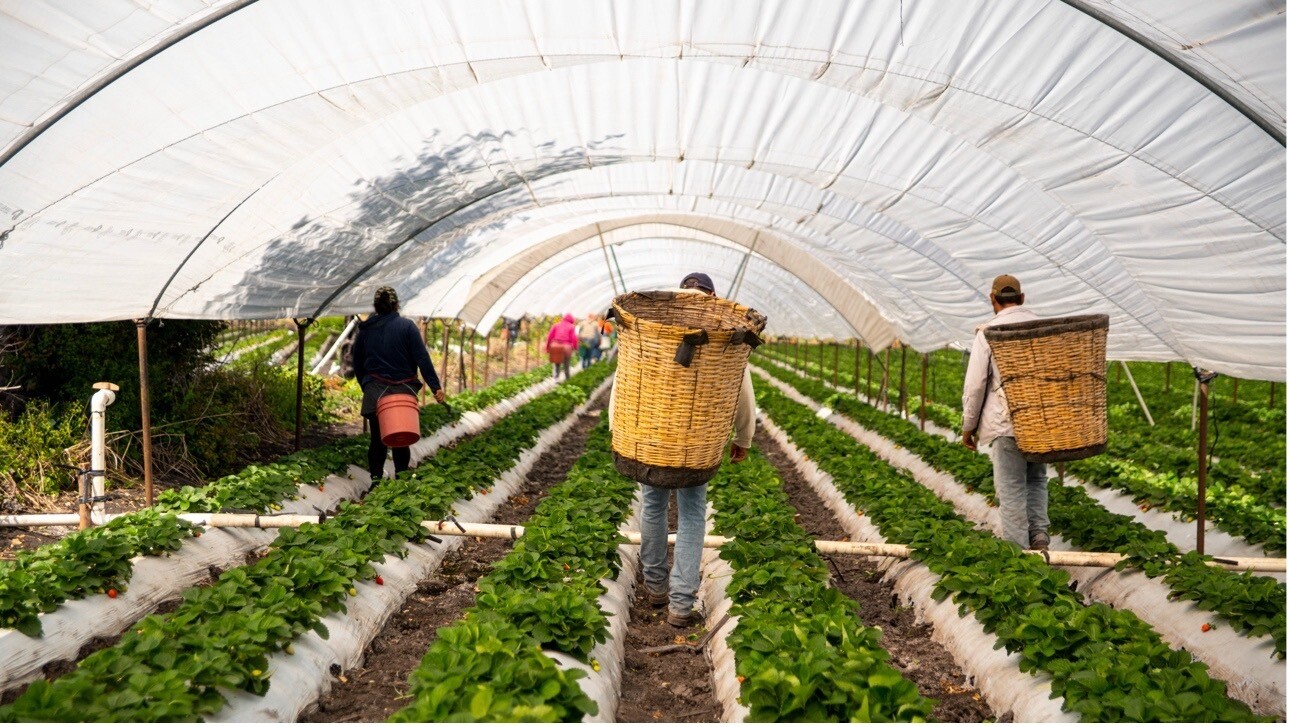
Adriana Luna Diaz is applying scientific knowledge and ancestral practices to agriculture in Mexico. Tierra de Monte develops regenerative microbiological products and provides farmers with advice, field monitoring, soil metrics and operational data tools. The aim is to produce healthier and better food while reducing agrochemicals, boosting productivity and preventing desertification and migration due to lack of economic opportunity. Farmers working with the organization report average yield increases of 45% and household income increases of 25%.
Taking action on the environment
Nicholas Jon Mudaly of BioCarbon Partners is helping communities in Zambia protect forests through conservation models financed by carbon markets. So far, the organization has protected over 2.1 million hectares of forest with another 6.7 million under development. BioCarbon’s forest carbon offset projects have also generated $35 million for community development including water projects, educational initiatives and health facilities, which have benefited more than 240,000 people.
In China, Weihao Xu’s Xishi Magic Bag shows how environmental change can begin with a different way of doing business. Its digital marketplace lets food retailers sell surplus products in discounted packages instead of discarding them. The platform works with more than 30,000 merchants, creating a commercial incentive to reduce waste while making food more affordable.
Large companies are part of this transformation too.
IKEA Social Entrepreneurship, led by Åsa Skogström Feldt, has worked with around 120 social enterprises in 21 countries through finance, mentoring, accelerator programs and strategic partnerships. Its partner portfolio has reached an estimated 6.3 million people worldwide and integrated social enterprises into IKEA's core business through sourcing collaborations, customer partnerships and circular initiatives linked to the company's value chains.
Hans van Geele of Melitta Group is helping to develop a fairer market for recycled plastic. Through the Fair Recycled Plastic initiative, a social business in Bengaluru that sources low-value flexible plastic, the organization creates stable commercial demand and employment. The enterprise recycles around 2,000 tonnes of low-density polyethylene each year while supporting approximately 2,000 waste pickers.
Collaborating for change
Many of the world's most complex challenges require collective approaches.
Eva Zabey of Business for Nature is bringing businesses and partners together to advocate for policies that support a nature-positive economy. Elsewhere, Ignacio Ibarzábal’s Movimiento por la Comprensión Lectora (Movement for Reading Comprehension) is building a regional agenda for literacy by connecting education authorities, civil society, researchers and other partners around evidence-based action. And in Brazil, Marcio Astrini’s Climate Observatory unites more than 170 civil society organizations to produce evidence of environmental change and influence climate and forest policy.
These examples reflect a pattern across the 2027 finalists. Whether they are creating jobs, protecting ecosystems, improving public services or influencing policy, they are changing the systems around the problems they’re addressing.
The finalists work through businesses, non-profits, coalitions and hybrid models, and often combine enterprise, advocacy, technology and public policy. Their work reminds us that social innovation is not a fixed model or a single sector, it is a way of responding to a changing world.
Supporting these leaders is an investment in our shared capacity to build a fairer, more resilient and sustainable future.
Beyond supporting communities
The award recipients will be announced in the lead-up to the World Economic Forum Annual Meeting 2027 in Davos, but the awards' significance extends beyond the eventual winners.
This year’s finalists show that social innovation is happening in small enterprises, multinational companies, civil society networks and government institutions. Beyond supporting communities, creating economic opportunity, navigating climate change and rethinking how business is done, they are challenging how success, progress and value are understood.
Their work inspires us to look beyond financial returns and consider whether people can live with dignity, whether ecosystems can recover and whether progress reaches those most often left behind.
The 2027 Schwab Foundation Awards finalists
The awards honour social innovators across four categories:
1. Social Entrepreneurs
Established leaders who employ innovative, market-based approaches to directly address social issues.
- Adriana Luna Diaz, Tierra de Monte, Mexico
- Andrew Bastawrous, Peek Vision, United Kingdom
- Blanca Hernández Rodríguez, tuTECHÔ, Spain
- David Auerbach, The Sanergy Collaborative, Kenya
- Jehiel Oliver, Hello Tractor Inc., Kenya
- Kurt Gruber, wvtech, Australia
- Matina Razafimahefa, SAYNA, Madagascar
- Mustafa Abd El Rahman, eYouth, Egypt
- Nicholas Jon Mudaly, BioCarbon Partners, Zambia
- Sofia Heinonen, Fundación Rewilding Argentina, Argentina
- Weihao Xu, Xishi Magic Bag, People’s Republic of China
- Xintong Du, VoiceChanger, People’s Republic of China
2. Corporate Social Innovators
Leaders within multinational or regional companies who are driving the development of new products, services, initiatives or business models that address societal and environmental challenges.
- Åsa Skogström Feldt, IKEA Social Entrepreneurship, Sweden
- Hans van Geele, Melitta Group, Netherlands
- Jose Gordon, Amazon Web Services, United States
3. Collective Social Innovation
Leaders that bring together organizations to solve complex problems that cannot be tackled by individual actors.
- Camila Cardoso Pereira, Global School Leaders, Brazil
- Eva Zabey, Business for Nature, United Kingdom
- Ignacio Ibarzábal, Movement for Reading Comprehension, Argentina
- Marcio Astrini, Climate Observatory, Brazil
- Pradip Pariyar, Dalit Lives Matter Global Alliance, Nepal
- Thorsten Kiefer, WASH United, Germany
4. Public Social Innovators
Leaders in the public sector – in government or in international organizations – who harness the power of social innovation to create public good through policy, regulation or public initiatives. The winners in this category will be announced at the Annual Meeting in 2027
Don't miss any update on this topic
Create a free account and access your personalized content collection with our latest publications and analyses.
License and Republishing
World Economic Forum articles may be republished in accordance with the Creative Commons Attribution-NonCommercial-NoDerivatives 4.0 International Public License, and in accordance with our Terms of Use.
The views expressed in this article are those of the author alone and not the World Economic Forum.
Stay up to date:
Social Innovation
Related topics:


Forum Stories newsletter
Bringing you weekly curated insights and analysis on the global issues that matter.
More on Social InnovationSee all

Briana Zhen and Maen Mahfoud
September 23, 2026


