Featured
Energy Transition Index 2026
The Energy Transition Index 2026 tracks energy transition progress across 120 countries, measuring both how energy systems perform today and whether the conditions for future progress are in place.
Featured publications:
This insight report presents a global, cross-industry analysis of where progress towards gender parity in senior leadership stands today and the structural factors that continue to shape it. Developed by the World Economic Forum’s Centre for the New Economy and Society as part of the Global Gender Parity Sprint, the report draws on novel data from the LinkedIn Economic Graph Research Institute and Egon Zehnder, alongside case studies and insights from leaders across business, government, academia and civil society.
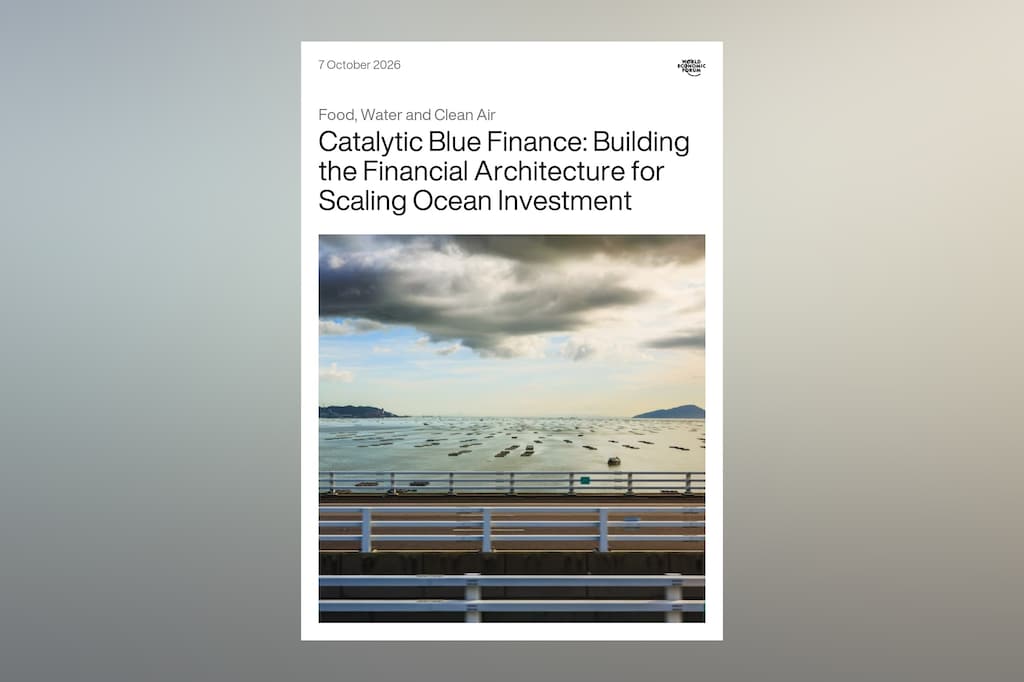
Marine ecosystems continue to degrade under pressure from warming seas, rising tides, pollution and overuse, undermining the long-term well-being of the communities and economies that depend on them. This report examines how to shift from the status quo – which perpetuates this decline – towards a regenerative blue economy.
Roughly 40% of the world's population lives within 100 km of the coast. That narrow band – just 5% of inhabited land – generates 30-50% of global GDP and concentrates ports, energy infrastructure, aquaculture, desalination and tourism. This is where most of the regenerative blue economy will be built. The report analyses how the interaction of four systemic levers – integrated ocean governance, innovative and equitable finance, investment in human capacity, and advances in technology and AI – can help transform these ocean-based industries.
Rather than focusing on short-term returns, a regenerative approach offers an ambitious vision of blue economic activity that helps restore ecosystems, strengthen resilience and support equitable prosperity for coastal communities within planetary limits. This approach challenges decision-makers to judge success not only by the wealth generated from the ocean, but by the extent to which that wealth supports restoration, fairness and intergenerational well-being.
Roughly 40% of the world's population lives within 100 km of the coast. That narrow band – just 5% of inhabited land – generates 30-50% of global GDP and concentrates ports, energy infrastructure, aquaculture, desalination and tourism. This is where most of the regenerative blue economy will be built. The report analyses how the interaction of four systemic levers – integrated ocean governance, innovative and equitable finance, investment in human capacity, and advances in technology and AI – can help transform these ocean-based industries.
Rather than focusing on short-term returns, a regenerative approach offers an ambitious vision of blue economic activity that helps restore ecosystems, strengthen resilience and support equitable prosperity for coastal communities within planetary limits. This approach challenges decision-makers to judge success not only by the wealth generated from the ocean, but by the extent to which that wealth supports restoration, fairness and intergenerational well-being.
Every year, an estimated 130 million tonnes of plastic waste are unmanaged or improperly discarded, polluting soils, waterways and seas. While efforts continue to promote a circular economy and pursue a global plastics treaty, far less attention has focused on how plastic pollution affects biodiversity and the ecosystem services that underpin economies and human well-being. This report addresses that gap.
Plastic pollution has particularly severe impacts on sectors such as fisheries, agriculture and tourism, which directly depend on healthy natural systems. These impacts demonstrate that biodiversity loss and plastic pollution are not just environmental challenges, but economic and resilience challenges too. More than half of global GDP is moderately or highly dependent on nature. So degraded ecosystems create growing risks for communities, industries and economies at a time when they are already under pressure from climate change and geopolitical uncertainty.
This report draws on field assessments conducted across nine geographies on three continents – developed by the World Economic Forum’s Global Plastic Action Partnership (GPAP) – which together represent one of the most detailed multi-country evidence bases on plastic pollution and biodiversity to date. It concludes with recommendations for governments, corporates, investors and communities to translate this evidence into coordinated action to deliver measurable benefits for nature, people and economies.
Plastic pollution has particularly severe impacts on sectors such as fisheries, agriculture and tourism, which directly depend on healthy natural systems. These impacts demonstrate that biodiversity loss and plastic pollution are not just environmental challenges, but economic and resilience challenges too. More than half of global GDP is moderately or highly dependent on nature. So degraded ecosystems create growing risks for communities, industries and economies at a time when they are already under pressure from climate change and geopolitical uncertainty.
This report draws on field assessments conducted across nine geographies on three continents – developed by the World Economic Forum’s Global Plastic Action Partnership (GPAP) – which together represent one of the most detailed multi-country evidence bases on plastic pollution and biodiversity to date. It concludes with recommendations for governments, corporates, investors and communities to translate this evidence into coordinated action to deliver measurable benefits for nature, people and economies.
2025 and early 2026 marked a turning point for the global trade and financial systems as states deployed economic statecraft on a scale not seen in the modern era, accelerating and deepening fragmentation. These global trends present concrete risks and opportunities to emerging markets and developing economies, which are explored in detail in a case study of major African economies. The report offers new quantitative analysis and renews the private sector’s call to preserve the core elements of the global financial system that enable economic growth and long-term prosperity.
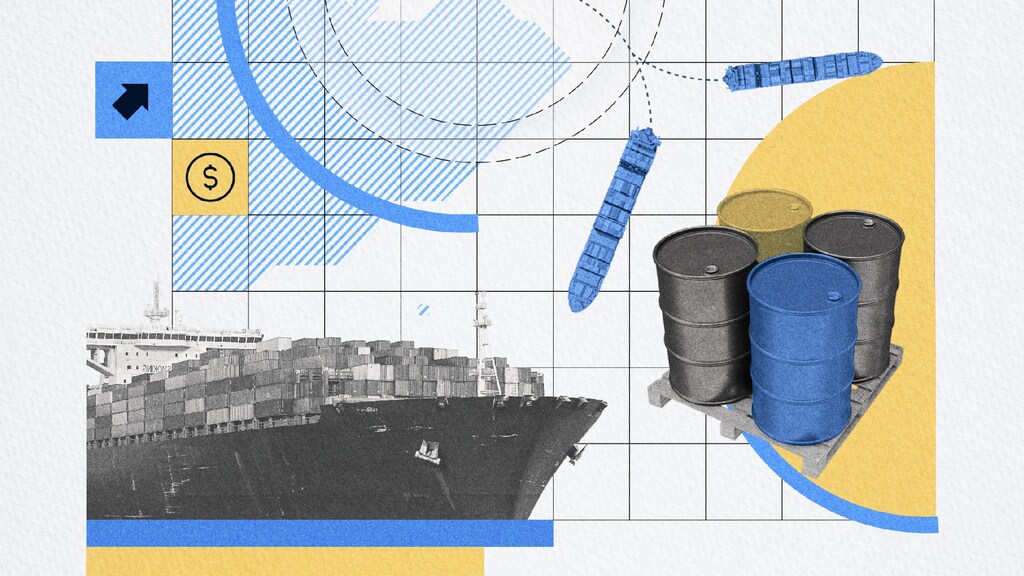
Chief Economists' Outlook: May 2026 examines a global economy unsettled by the escalation of conflict in the Middle East and the closure of the Strait of Hormuz.
Africa, with 17% of the world's population and widely recognized for its competitive investment returns, represents one of the most significant untapped opportunities in global markets. FDI to the continent rose to $97 billion in 2024, around 6% of global flows, signalling growing investor confidence. Beyond these headline figures lies a vast frontier of underserved communities, purpose-driven businesses and entire local economies ready to scale up with the right support.
The Humanitarian and Resilience Investing (HRI) Roadmap for Africa, developed by the African Development Bank (AfDB) and the World Economic Forum, aims to address this challenge by presenting a framework to foster partnerships between civil society, humanitarian and development organizations, governments and private sector companies to mobilize investment in Africa’s frontier markets.
The roadmap will contribute to the HRI initiative's ambition, announced through a global call to action in 2023, to mobilize $10 billion of commercial and catalytic capital to enable 1,000 businesses to scale up in frontier markets by 2030. By 2027, AfDB and the HRI initiative aim to launch up to five country alliances, with the goal to iterate, refine and expand the approach in 10 markets by 2030.
The Humanitarian and Resilience Investing (HRI) Roadmap for Africa, developed by the African Development Bank (AfDB) and the World Economic Forum, aims to address this challenge by presenting a framework to foster partnerships between civil society, humanitarian and development organizations, governments and private sector companies to mobilize investment in Africa’s frontier markets.
The roadmap will contribute to the HRI initiative's ambition, announced through a global call to action in 2023, to mobilize $10 billion of commercial and catalytic capital to enable 1,000 businesses to scale up in frontier markets by 2030. By 2027, AfDB and the HRI initiative aim to launch up to five country alliances, with the goal to iterate, refine and expand the approach in 10 markets by 2030.
Advancing women’s health requires not only scientific progress, but an innovation ecosystem capable of translating discovery into evidence, technologies and scalable solutions that improve outcomes for women globally. Yet many high-impact conditions continue to receive insufficient targeted innovation. The Women’s Health Innovation Radar maps activity from research funding and scientific publications to clinical trials and product development across 10 high-impact conditions, highlighting where innovation is advancing and where critical gaps persist. It offers a foundation to guide research priorities, inform policy decisions and mobilize investment towards areas of unmet need, helping to ensure that scientific advances translate into meaningful impact for women worldwide.
Featured series
The annual Global Risks Report explores some of the most severe risks we may face in the coming years. Underpinned by the Forum’s Global Risks Perception Survey, the report brings together leading insights from over 1,200 experts across the world.
The Global Cybersecurity Outlook reports examine the cybersecurity trends that will impact our economies and societies in the year to come.
The annual Top 10 Emerging Technologies report highlights the technologies set to positively impact society within the next three to five years. The report provides a qualitative assessment of each technology's potential impact on people and the planet.
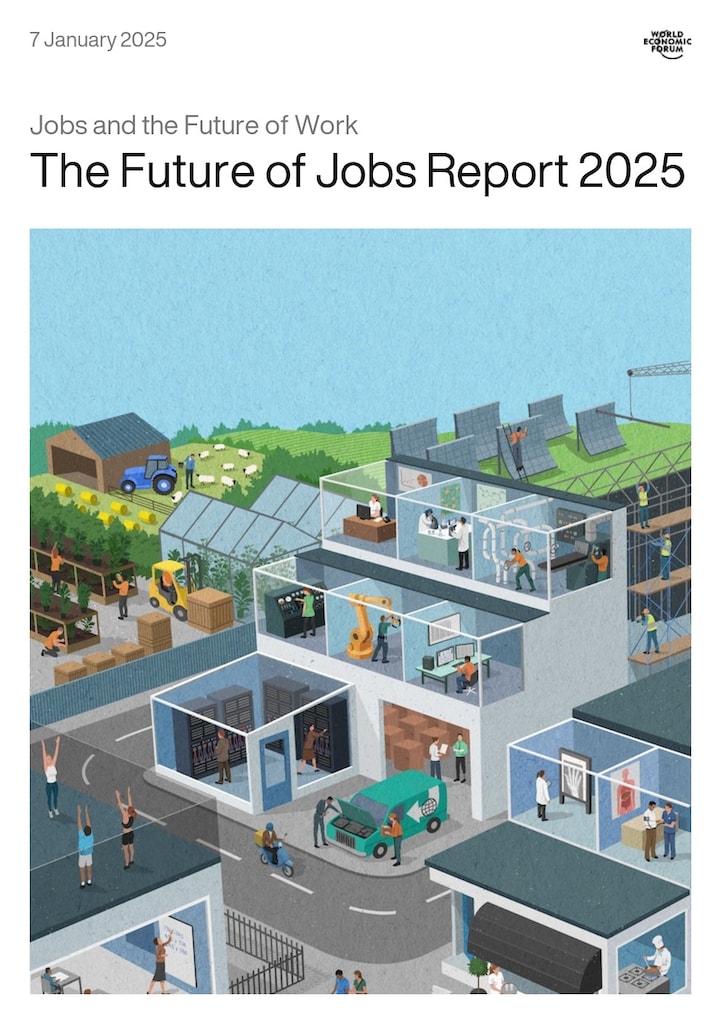
The annual Future of Jobs Report explores how jobs and skills will evolve. The report is based on unique survey data that details the expectations of a cross-section of the world’s largest employers related to how socio-economic and technology trends will shape the workplace of the future.
The Chief Economists Outlook summarizes the emerging contours of the current economic environment. The quarterly report incorporates the latest policy research and the results of a Forum survey with leading chief economists from both the public and private sectors.
The annual Global Gender Gap Index benchmarks the state and evolution of gender parity across four key dimensions: economic participation and opportunity, educational attainment, health and survival, and political empowerment.
The Annual Report outlines the concrete progress the World Economic Forum made over the year in a variety of initiatives and demonstrates how the organization continues to be a bridge-builder in the increasingly complex world.
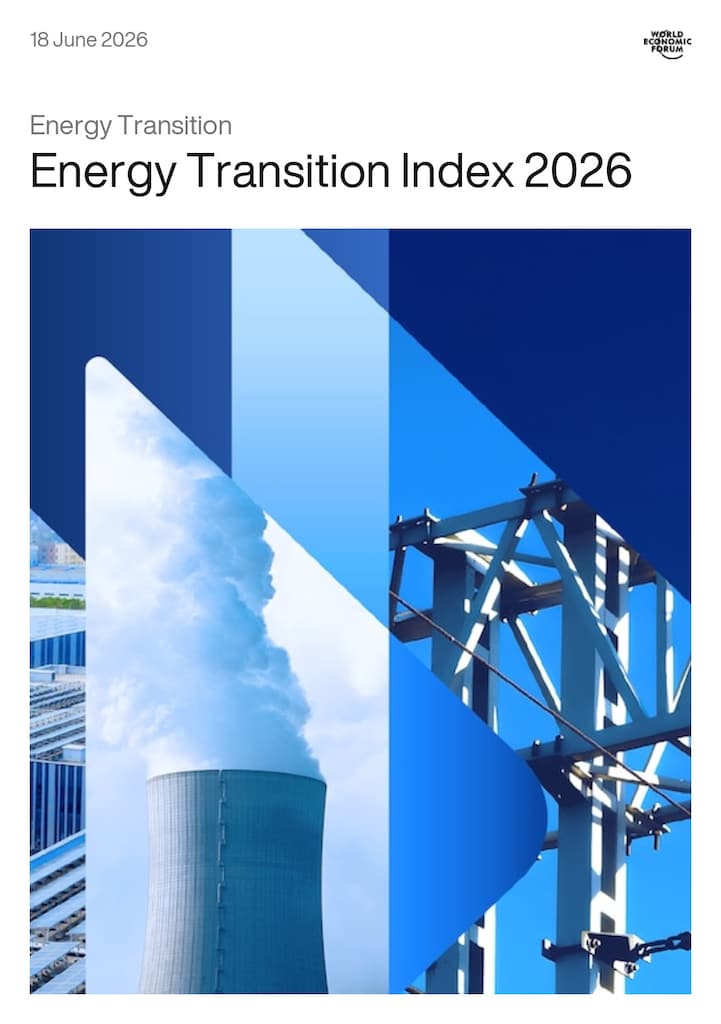
The annual Fostering Effective Energy Transition Report uses the Energy Transition Index (ETI) to benchmark 120 countries on their current energy system performance, focusing on balancing equity, security and sustainability, and on their transition readiness.
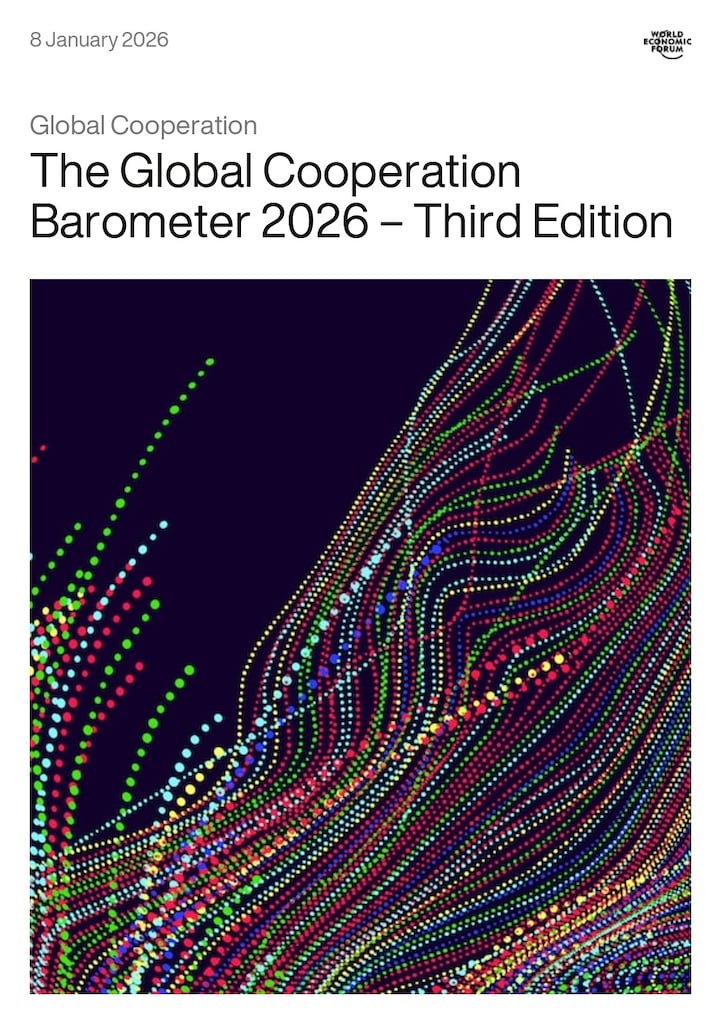
The annual Global Cooperation Barometer Report provides an overview of the state of international collaboration, examining key trends and challenges across political, economic, environmental, and social domains.
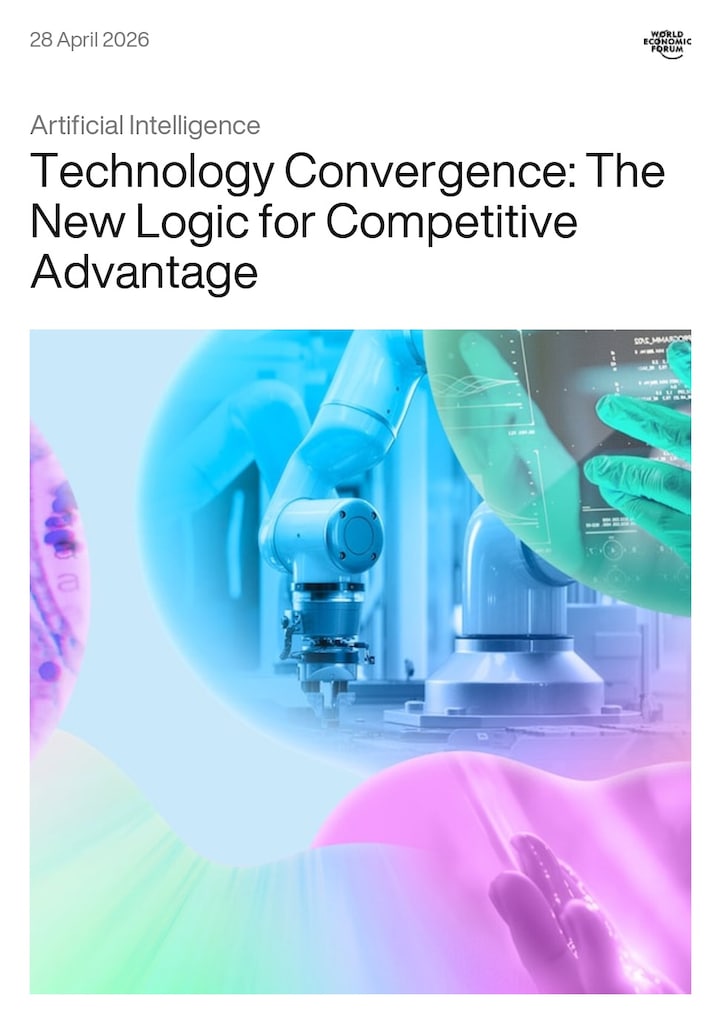
The Technology Convergence Series explores breakthroughs emerging from the intersection of multiple advanced domains and examine how organizations can translate technical possibility into operational impact, new value chains and durable competitive advantage.
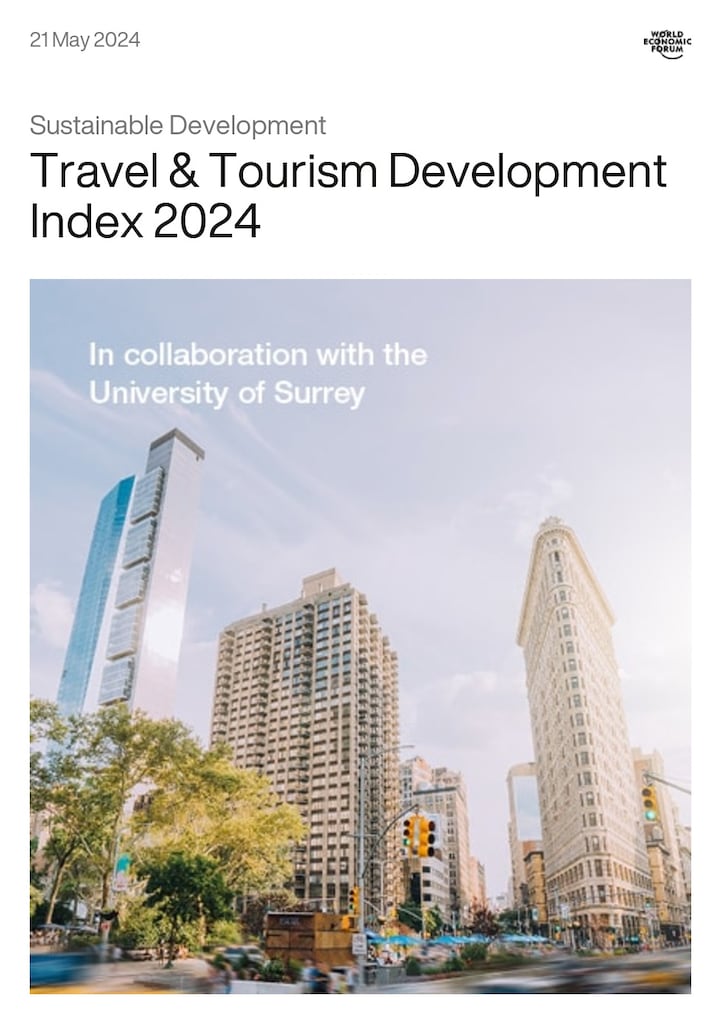
The World Economic Forum's Travel & Tourism Development Index provides a strategic benchmarking tool for business, governments, international organizations and others to develop the Travel & Tourism sector.
All publications
Loading...