近半数痴呆症病例可预防或延缓发生
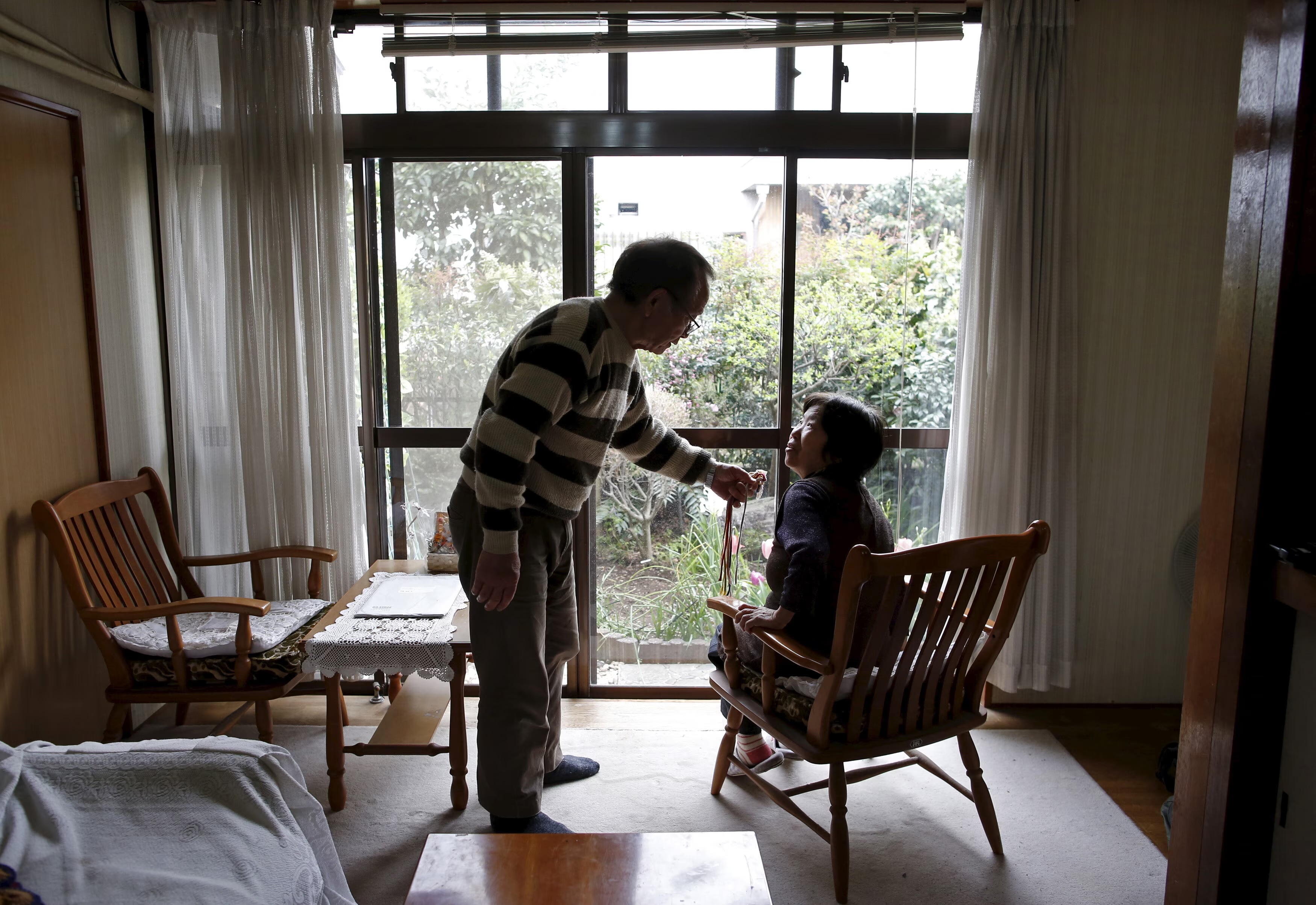
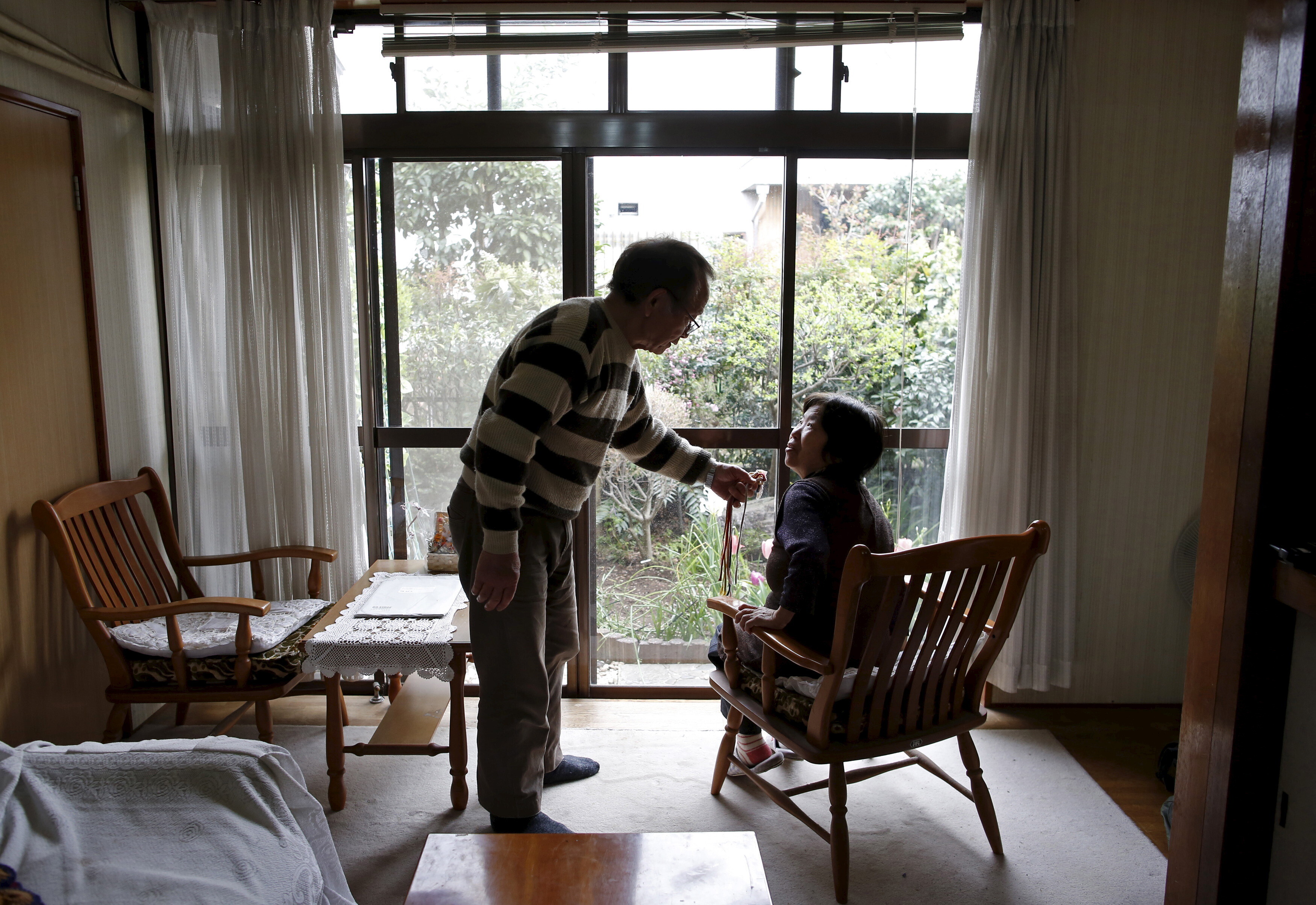
世界卫生组织(WHO)最新指南指出,通过干预可改变的风险因素,多达45%的痴呆症病例可预防或延缓发生。
Dr. Shyam Bishen is a senior healthcare executive with over 25 years of global experience in healthcare public-private partnership, strategy development, M&A, and business development. He comes to the Forum from Bill and Melinda Gates Foundation in Seattle where he was a regional/deputy director for seven years and was responsible for partnering to harness advances in healthcare to save lives. Before moving to Gates Foundation, he spent more than 20 years in private sector, and most recently headed up emerging markets strategy & innovation at Merck (MSD) in New Jersey as vice president and general manager. Prior to joining the corporate sector, Dr. Bishen was in academia and worked as an Assistant Professor at the Medical University of South Carolina in Charleston. He is qualified with a Ph.D. from the University of Newcastle and an MBA from Washington University in St. Louis.

世界卫生组织(WHO)最新指南指出,通过干预可改变的风险因素,多达45%的痴呆症病例可预防或延缓发生。
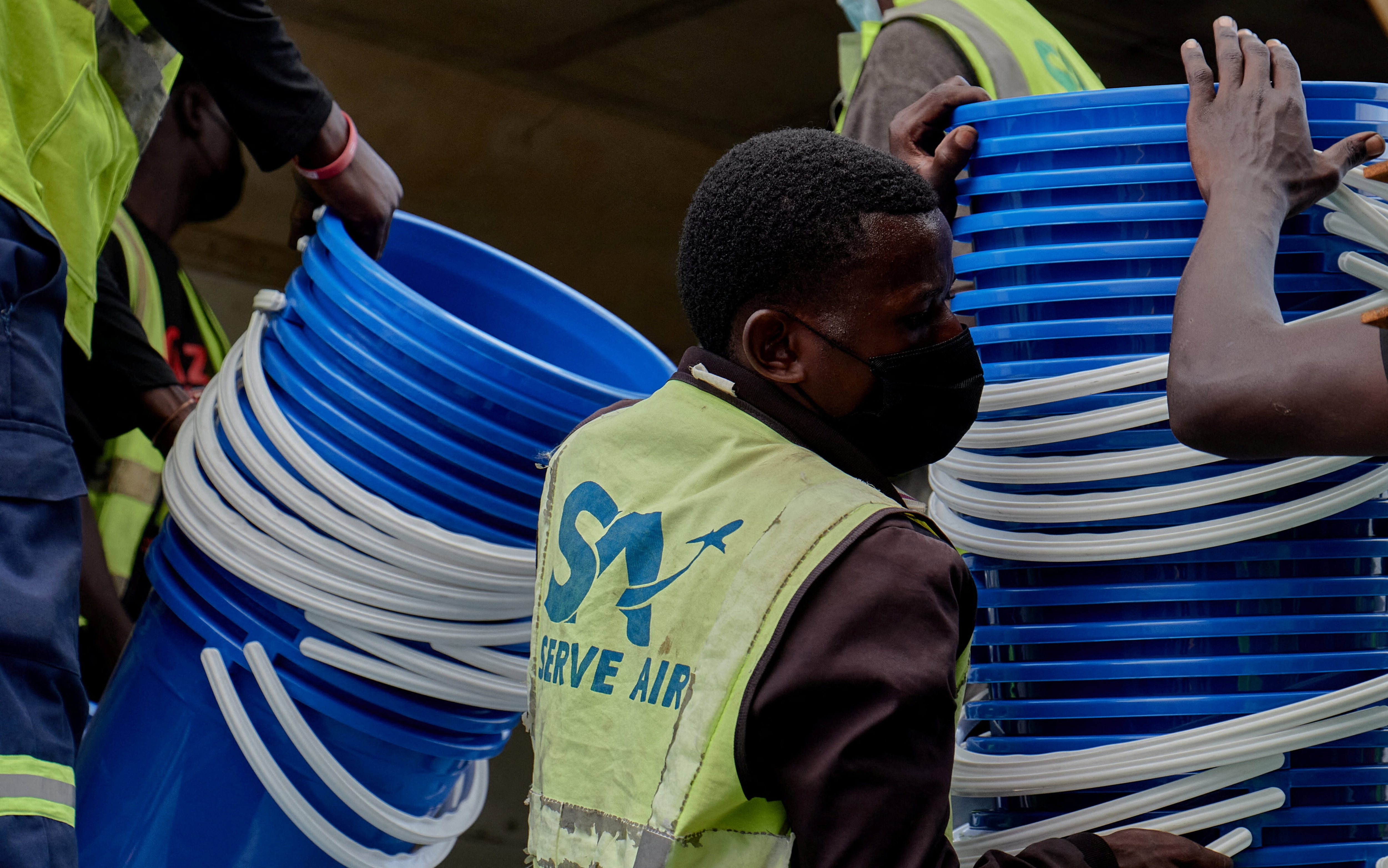
Top health stories: New WHO guidance suggests up to 45% of dementia cases could be prevented or delayed; global hunger falls for a third consecutive year; and the latest on Ebola in the DRC.
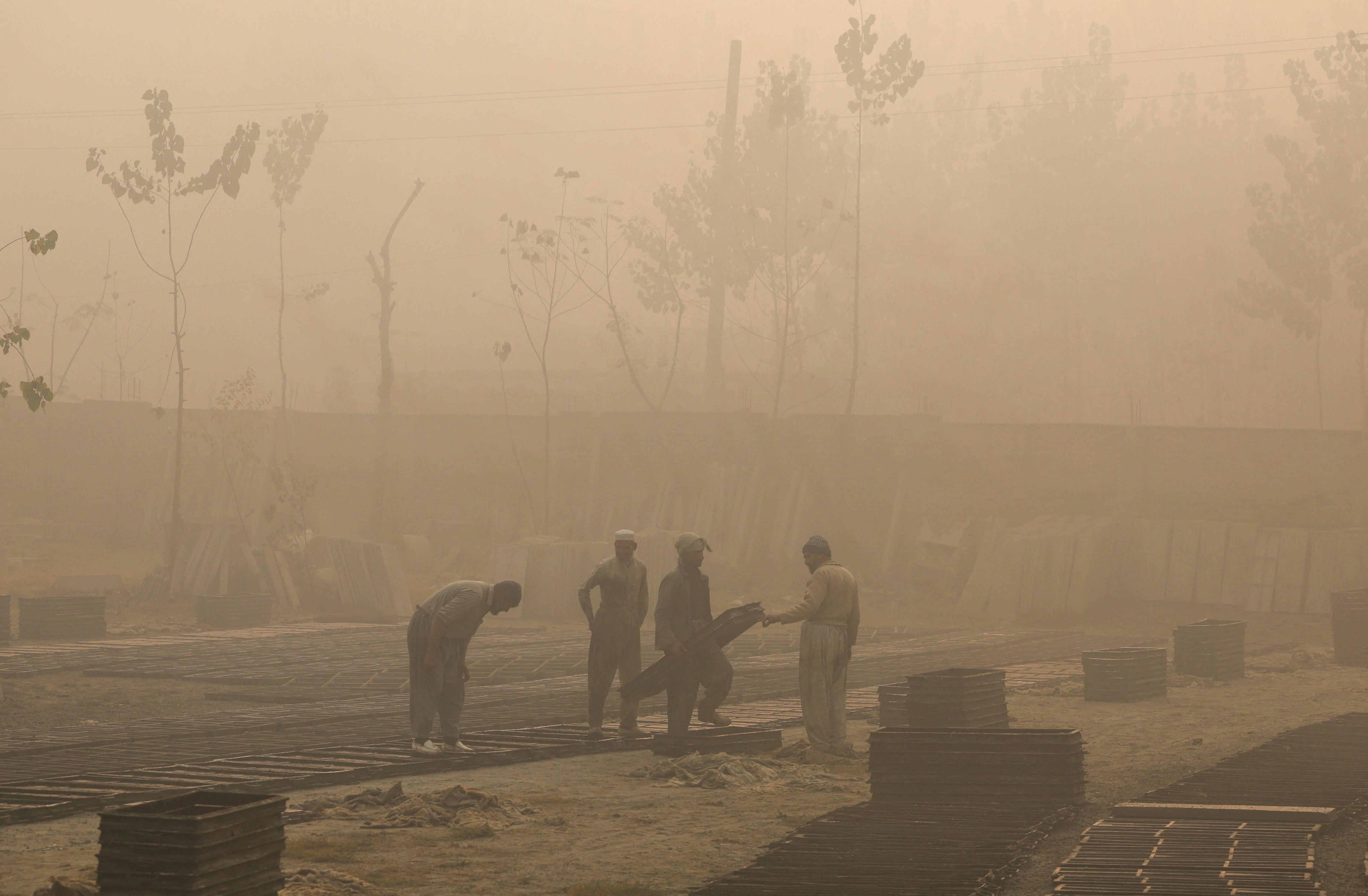
Top health stories: Air pollution progress stagnates; Ebola epidemic impacting livelihoods; World's largest database of human genomes released.
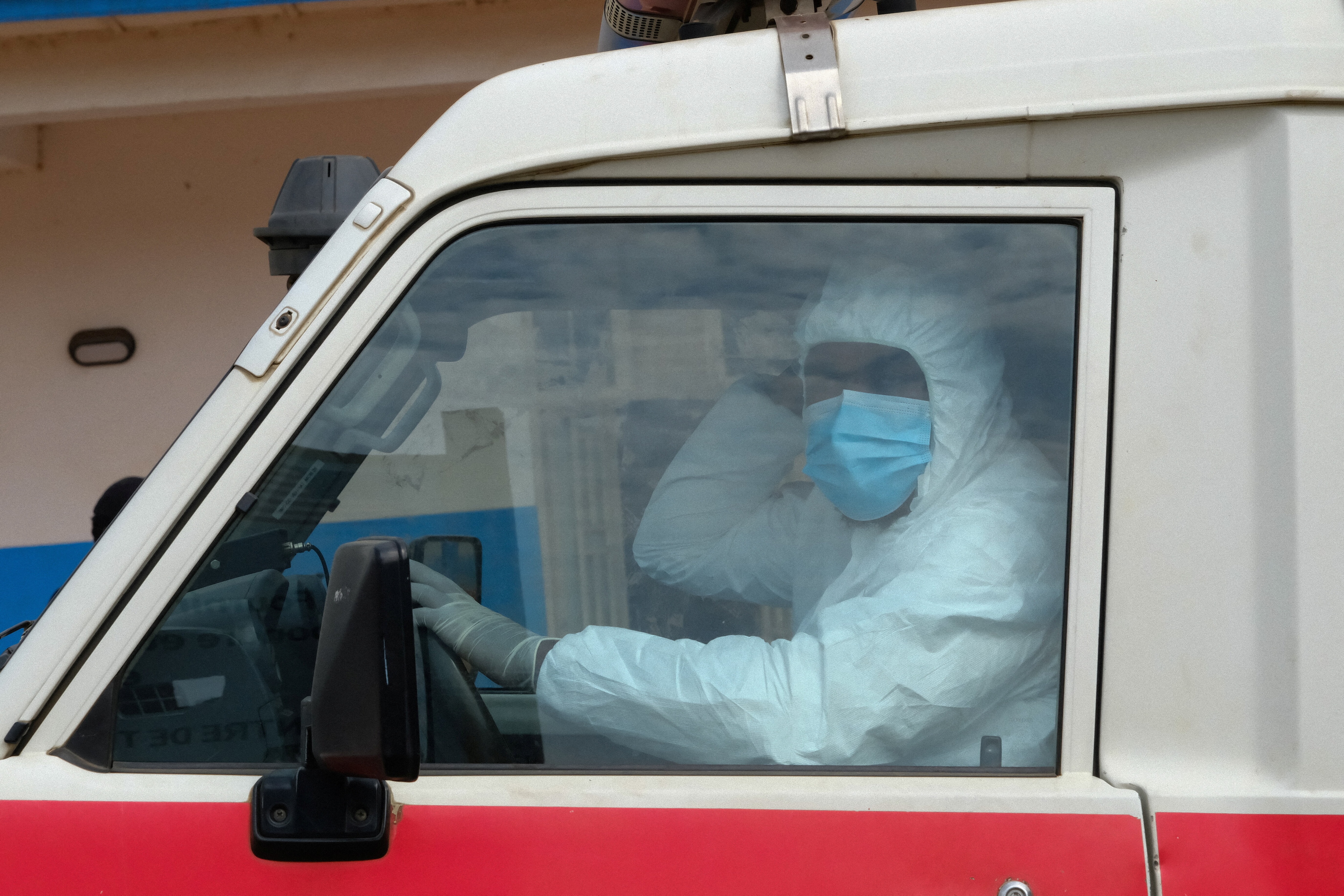
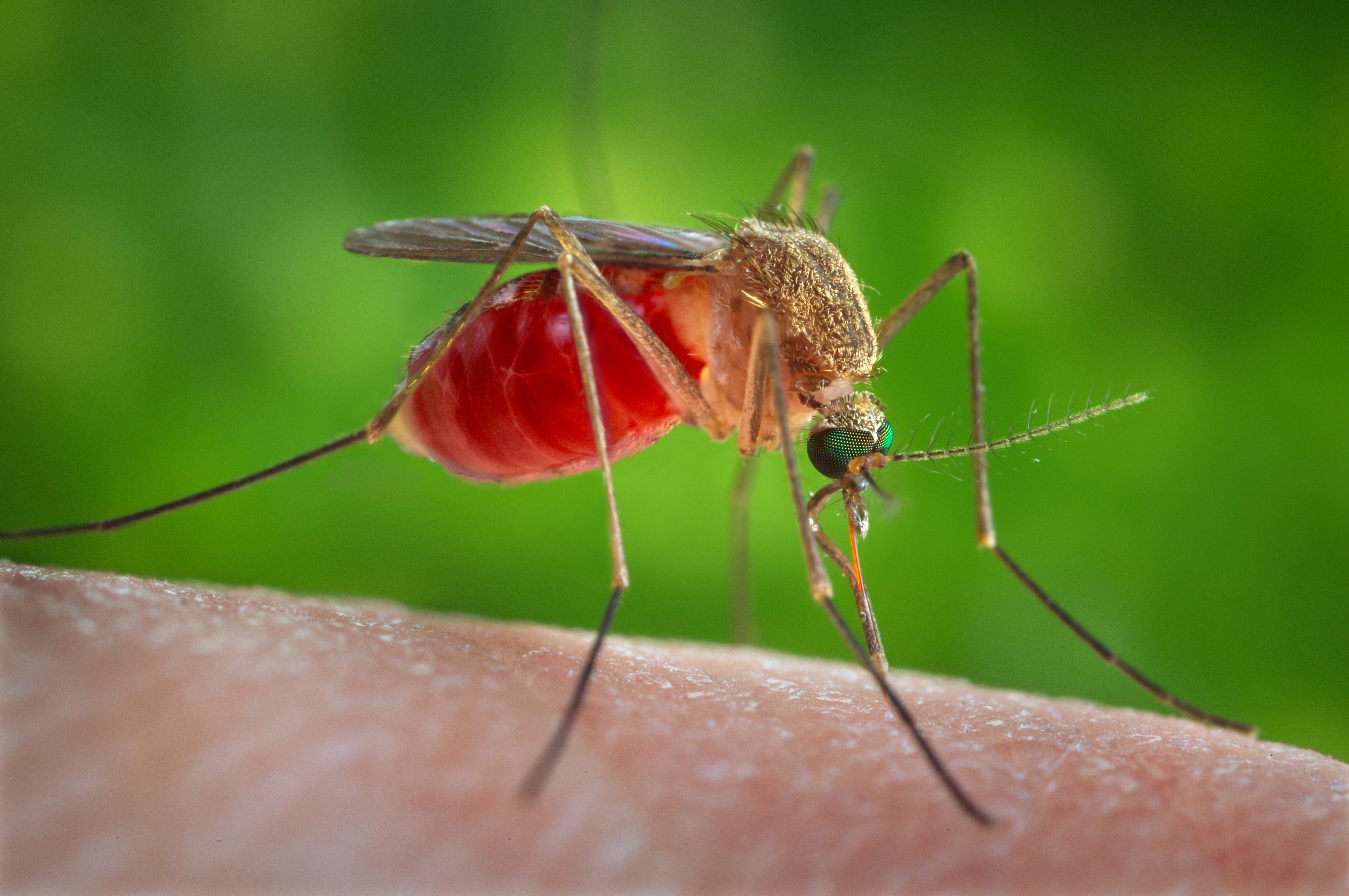
Top health news: WHO declares Ebola emergency in DRC and Uganda; AMR rising as climate changes, study finds; Europe’s aid cuts under scrutiny, and more.
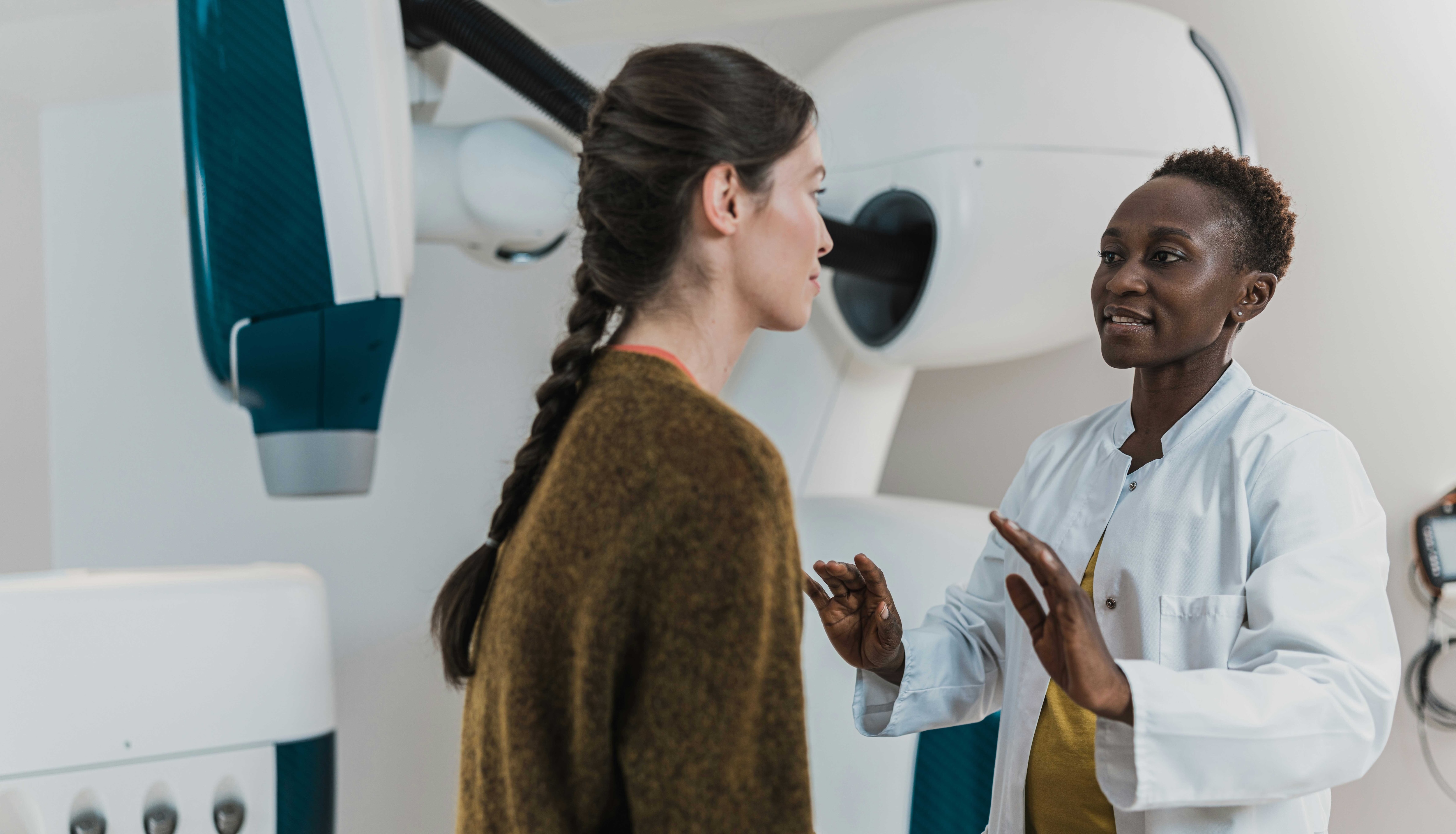
An expansion of preventative care could widely improve health outcomes for women. The CARE framework, by the Forum and McKinsey health Institute, can help.
Top health news: Metabolic liver disease is on the rise; Global pandemic treaty deadline missed again; Hantavirus cases linked to cruise ship.
Top health news: G7 launches global diagnostics initiative; Five actions to end tuberculosis; Middle East conflict impacts healthcare.
世界保健機関(WHO)と、その専門機関である国際がん研究機関(IARC)の新たな報告書によると、世界のがん症例の最大4割は予防可能であることが明らかになりました。 同調査では、タバコ使用から大気汚染まで30の修正可能なリスク要因を分析。2022年に新たに診断された全がん症例の37%が予防可能な原因に起因すると結論付けました。
Top health news: Preventable cancer cases are in the millions, says WHO; Female genital mutilation still a major risk; Measles outbreak in South Carolina.
Health should be seen as economic infrastructure. Smarter, outcome-based investment cuts waste, boosts growth and protects lives in a warming, debt-strained world.
女性の健康は、グローバルな福祉と経済成長にとって極めて重要ですが、依然として十分な資金が投入されていません。グローバル人口のほぼ半数を占める女性。一方、女性に特有の影響を与える、あるいは女性特有のアプローチを必要とする多くの疾患に対する、研究、イノベーション、民間投資からの注目は依然として不足しています。
Las mujeres son casi el 50% de la población, pero su salud recibe apenas el 6% de la inversión privada. Este plan busca generar un consenso para cerrar esa brecha.
Women make up almost half of the world’s population, yet women’s health captures only 6% of private healthcare investment. This plan could help bridge the gap.
Examples from India show growing evidence that investment in interoperable systems, preventive care and digital health delivers steadily increasing returns.
Non-communicable diseases account for more than 70% of global deaths, yet the data infrastructure health systems rely on to prevent, track, and treat them remains deeply inadequate.