Up to 45% of dementia cases could be prevented or delayed – and other top health stories
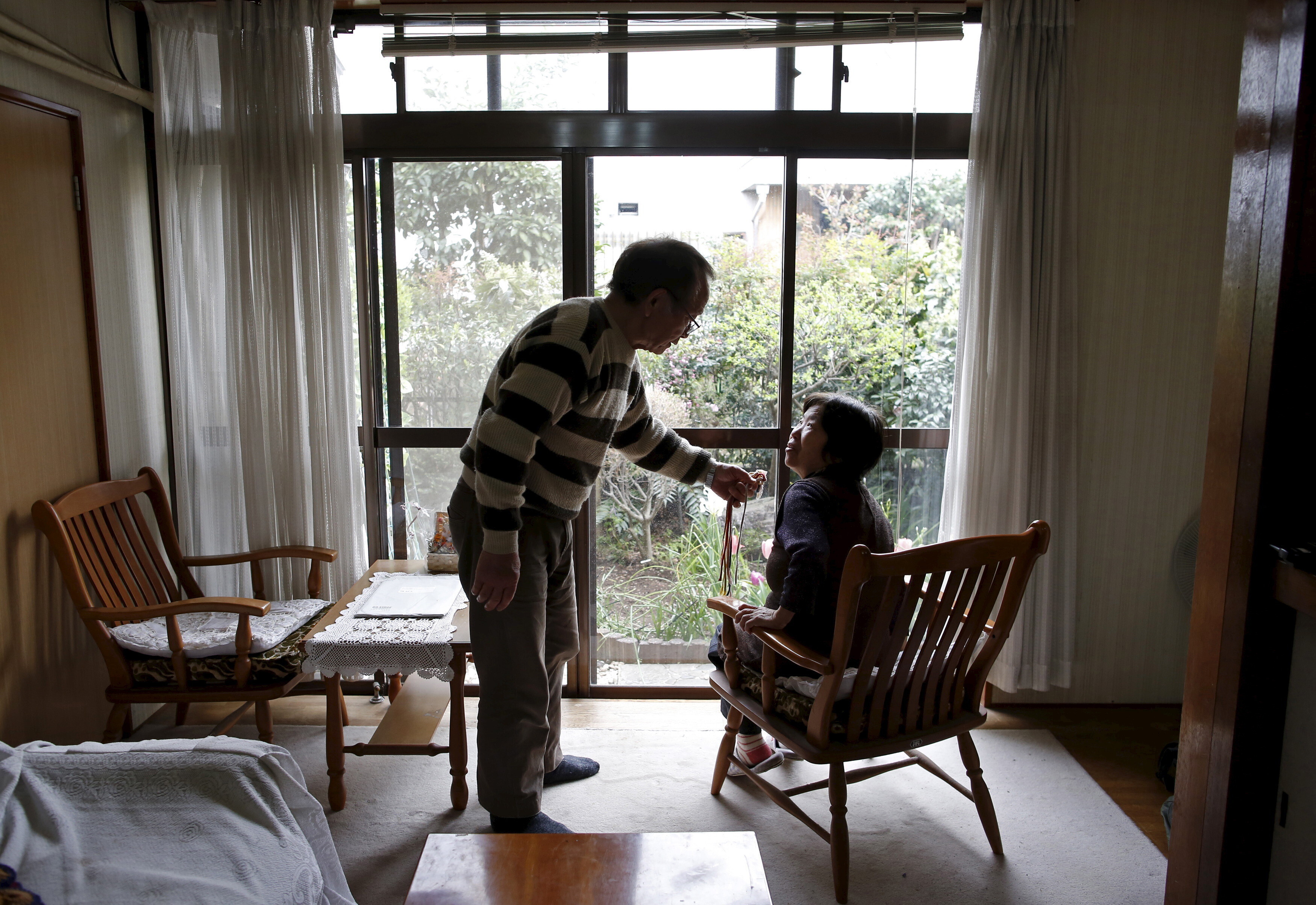
This month’s health round-up covers new dementia guidance, falling global hunger and the latest infectious disease outbreaks. Image: Reuters/Issei Kato
Shyam Bishen
Head, Centre for Health and Healthcare; Member of the Executive Committee, World Economic Forum- This global round-up brings you health stories from the past month.
- Top stories: New WHO guidance suggests up to 45% of dementia cases could be prevented or delayed; global hunger falls for a third consecutive year; and the latest on Ebola in the DRC.
1. Nearly half of dementia cases could be prevented or delayed
Up to 45% of dementia risk could be prevented or delayed by addressing modifiable risk factors, according to updated guidelines from the World Health Organization (WHO).
More than 57 million people live with dementia worldwide, with nearly 10 million new cases each year. Alzheimer’s disease is the most common form, responsible for about 60-70% of cases.
There is no cure. However, the WHO says many risks can be reduced across the life course. These include tobacco use, harmful alcohol consumption, social isolation, physical inactivity, air pollution and conditions such as high blood pressure and diabetes.
The updated guidelines offer evidence-based actions for countries to reduce cognitive decline, from increasing physical activity to encouraging social and cognitive engagement.
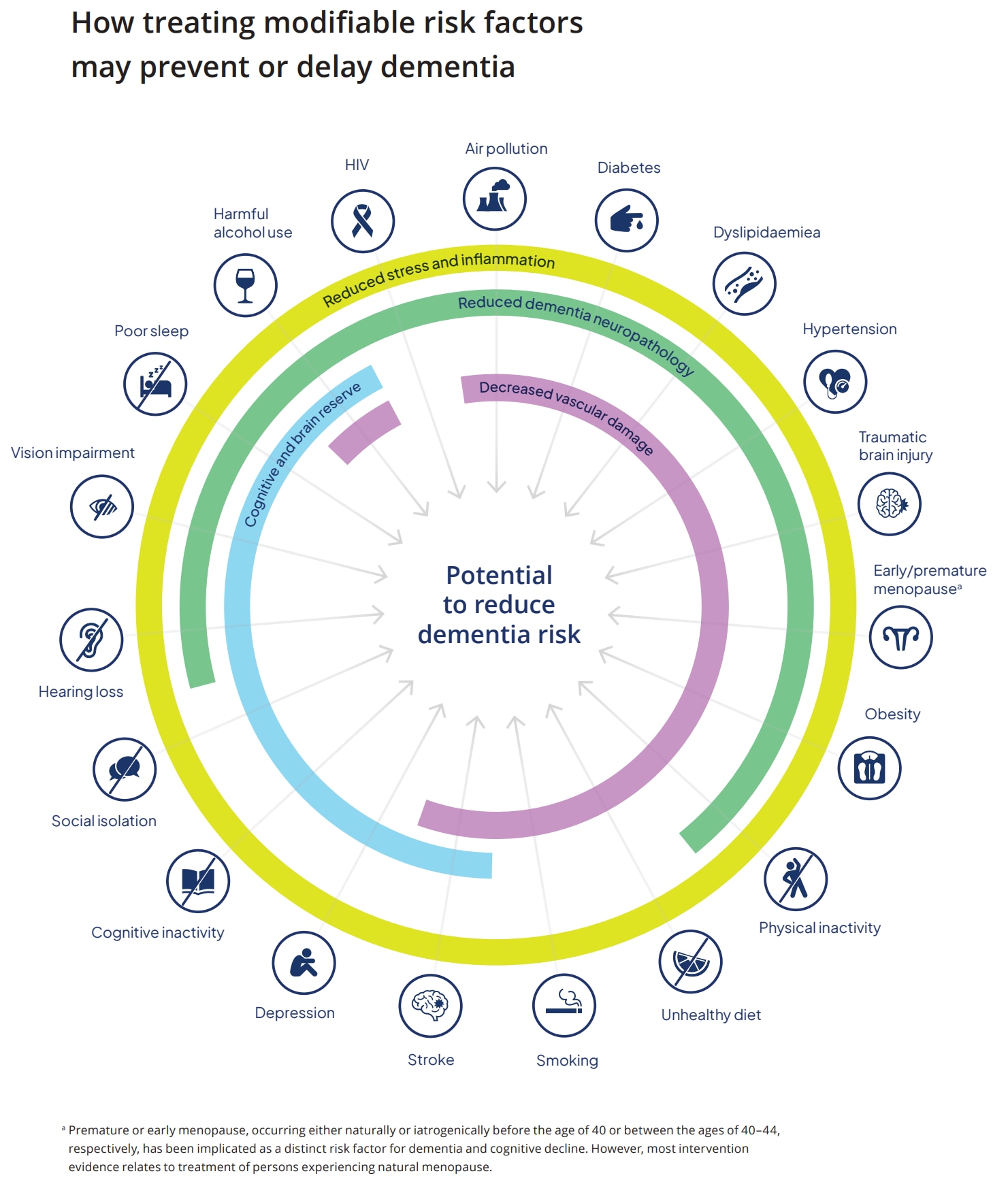
They include new recommendations, including reducing exposure to air pollution, while hearing aids may also be offered to adults with hearing loss as part of risk reduction. However, the WHO does not offer recommendations on vitamin B, vitamin E, omega-3 or multivitamin supplements for people without deficiencies, due to insufficient evidence of benefit.
Dementia can undermine independence, dignity and employment, and place significant strain on families and carers. It costs the global economy about $1.3 trillion each year, roughly half of which stems from unpaid care.
According to the WHO, the guidance offers a chance to reduce future burden by integrating brain health into non-communicable disease care, mental health services, ageing policy and primary care.
2. Global hunger falls, but regional gaps persist
Global hunger declined for a third consecutive year in 2025, according to a new United Nations (UN) report.
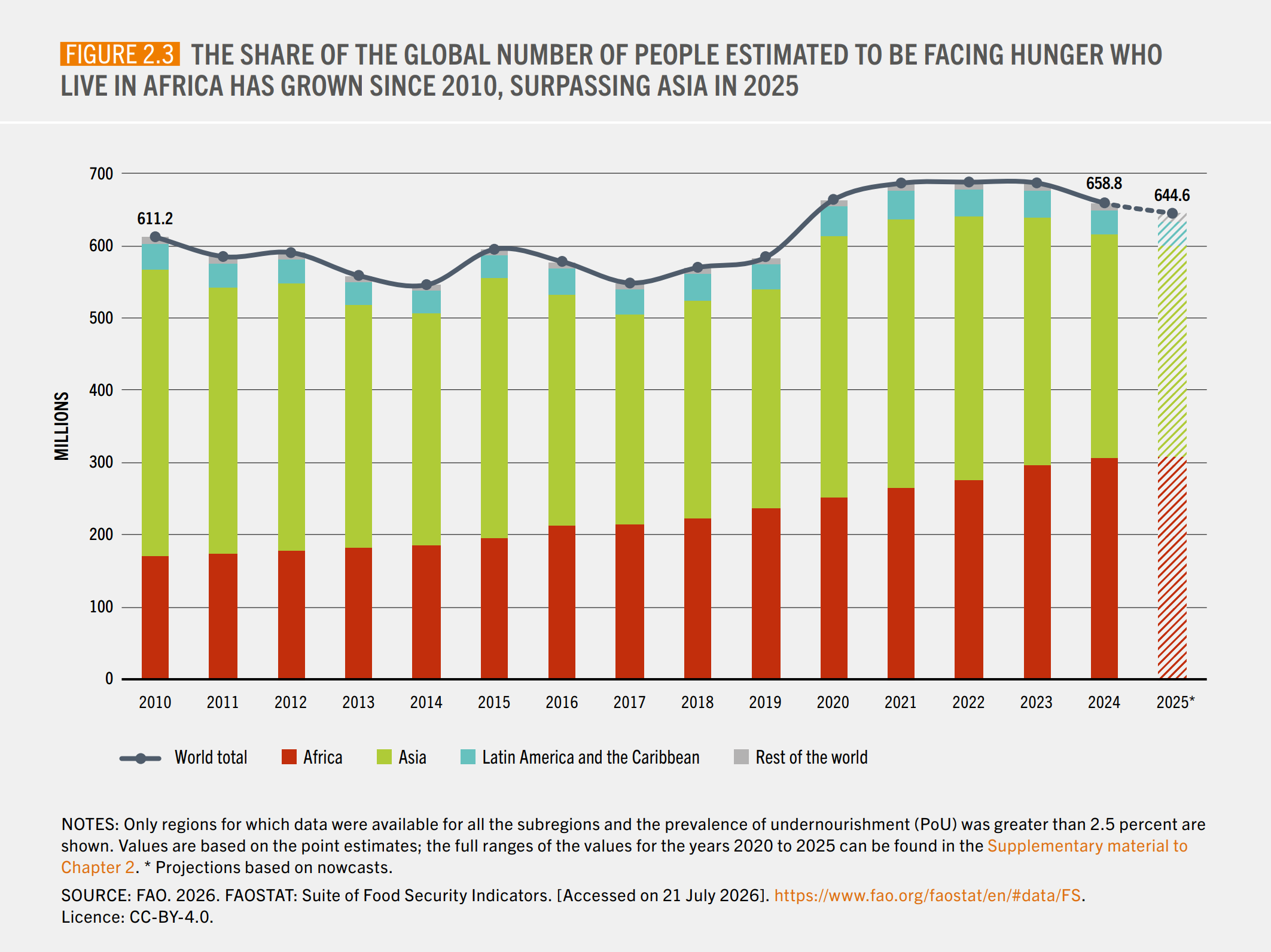
The State of Food Security and Nutrition in the World estimates that 7.8% of the global population faced hunger in 2025, down from 8.1% in 2024 and 8.6% in 2022. Around 645 million people were affected, nearly 14 million fewer than in 2024 and 43 million fewer than in 2022.
However, progress remains fragile and uneven. Asia, Latin America and the Caribbean have seen steady improvements, while Africa is now home to the largest number of people facing hunger. Around 309 million people in Africa were affected in 2025, compared with 292 million in Asia.
The report warns the world remains off track to meet the Sustainable Development Goal of ending hunger by 2030. Even with continued progress, 510-520 million people could still be hungry by the end of the decade, with 56% in Africa.
Broader food insecurity also remains a major concern. In 2025, an estimated 2.1 billion people experienced moderate or severe food insecurity, meaning they sometimes had to compromise on the quality or quantity of food.
The report also highlights the rising cost of a healthy diet. In 2025, the global average rose to $4.28 per person per day in purchasing power parity (PPP) terms, up from $3.44 in 2021 and $2.94 in 2017. Despite this, the number unable to afford a healthy diet fell to 2.69 billion, or 32.7% of the global population.
The report calls for investment across agrifood systems, including infrastructure, research and development, irrigation, cold chains, trade facilitation and policies that improve access to nutritious foods.
Healthy diets are not a luxury – they are the foundation of health and must be within everyone's reach.
—Dr Tedros Adhanom Ghebreyesus
”3. News in brief: Health stories from around the world
Road deaths fall, but stronger action is needed: The global rate of road traffic deaths fell by 21% between 2011 and 2025, despite more than one billion additional motor vehicles on the world’s roads, according to the WHO. But crashes still killed 1.16 million people in 2025 and remain the leading cause of death among children and young people aged 5-29, prompting a new UN declaration calling for safer roads.
US measles cases hit 35-year high: The US has already recorded 2,318 confirmed measles cases in 2026, the highest annual total in 35 years, according to the Centers for Disease Control and Prevention. The rise comes amid declining MMR vaccination rates, with most cases occurring among unvaccinated people, and children and teenagers are disproportionately affected.
Cyclospora surge in the US: Michigan has reported two deaths linked to a record US cyclosporiasis outbreak, with 12,485 cases and 279 hospitalizations in the state, although new reports are now slowing. FDA investigators have linked the multistate outbreak to recalled iceberg lettuce, while officials continue to investigate other possible sources.
WHO launches drowning prevention strategies: The guidelines seek to help countries implement seven measures to reduce drowning deaths, from safer water transport and flood preparedness, to swimming and water-safety education. Nearly 300,000 people die from drowning each year, more than 90% of them in low- and middle-income countries, while climate-related hazards such as flooding can increase risks.
Ebola cases in DRC pass 3,000: The number of confirmed Ebola cases in the Democratic Republic of Congo (DRC) has risen to 3,200, including 1,405 deaths, according to government data. The latest figures come after warnings that delayed contact tracing and wider disruption to healthcare, trade and livelihoods could deepen the outbreak’s human and economic impact.


H5N1 bird flu spreads in Australia: Queensland has become the fourth Australian state to confirm H5N1 bird flu, after a migratory seabird tested positive for the highly pathogenic virus. Authorities say there have been no detections in poultry or evidence of large-scale animal deaths in Queensland, while the risk to human health remains low.
Heatwaves linked to excess deaths in France: France recorded 5,764 excess deaths between 17 June and 2 July, when the country was hit by heatwaves, according to the national health agency. The preliminary figure represents 36% excess mortality during the period, with people aged 75 and over accounting for around two-thirds of the excess deaths.
4. More on health from Forum Stories
How healthcare is failing women: Women spend 25% more time in poor health than men, with the gap most pronounced during their prime working years. In this Radio Davos episode, Lucy Perez of the McKinsey Health Institute explains why health systems need to take sex-based differences more seriously and how practical changes to pregnancy care, mammograms and perinatal depression screening could improve women’s health outcomes and strengthen economies.
The climate emergency is a health emergency: Iceland’s former Prime Minister Katrín Jakobsdóttir warns that climate change is increasingly affecting food, water, security and public health. In this Forum video, she explains why leaders have a responsibility to treat climate action as a priority for citizen safety:
How technology is reshaping bedside diagnosis: AI is transforming healthcare, from image analysis to disease prediction, but this Forum article argues that clinical judgement, patient history and physical examination remain central to good care. With patient history alone helping diagnose up to 80% of clinical encounters, the future of medicine will depend on combining AI-enabled precision with the empathy, observation and trust at the heart of the doctor-patient relationship.
License and Republishing
World Economic Forum articles may be republished in accordance with the Creative Commons Attribution-NonCommercial-NoDerivatives 4.0 International Public License, and in accordance with our Terms of Use.
The views expressed in this article are those of the author alone and not the World Economic Forum.

Forum Stories newsletter
Bringing you weekly curated insights and analysis on the global issues that matter.
More on Health and Healthcare SystemsSee all

M. A. Muhit and Asif Saleh
September 23, 2026