Businesses that invest in employee health and well-being have a competitive advantage and increased profitability. Here's how leaders can take action.
From attention deficit hyperactivity disorder (ADHD) to depression, sleep disorders, dementia and beyond, diet can have a profound impact on mental health. What is the latest science on f...
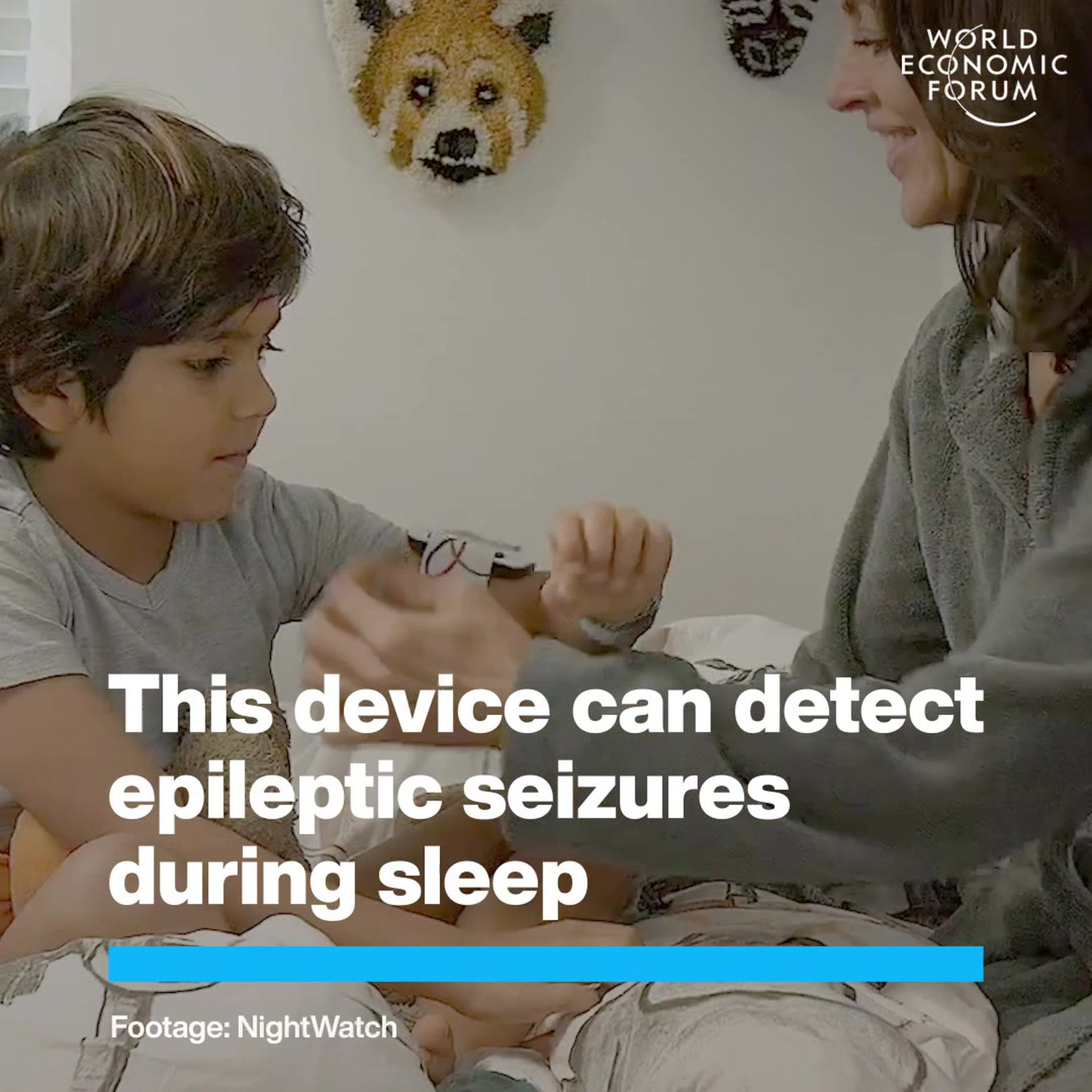
It’s a comfortable armband which traces changes in heart rate and certain movement patterns. When it detects a potentially dangerous seizure, NightWatch sends an alert to caregivers so th...
Scientists wanted to measure the impact of language on false memories, which is when you recall something that didn’t happen. They gave 120 bilingual Mandarin-English speakers a list of r...
Indoor air pollution can be worse than outdoors. Lessons learned from COVID-19 can be applied to improve indoor air quality and improve public health.
Intensive work can be detrimental to health but some employees handle it better depending on their motivations – those workers enjoying their jobs are happier to work intensively.
Africa is facing an increase in epidemics and its healthcare systems are severely challenged. This is how the continent is preparing for future outbreaks.
We must build on vaccination efforts made during the pandemic response, prioritize health systems and invest in the human capital key to their success.
There is a risk that scientists will slow the adoption of their own innovations simply by their way of communication. These approaches can significantly increase support.
Preparing for the next pandemic outbreak needs ongoing research, global collaboration and adequate funding, says CEPI’s Kate Kelland.
Can we prevent a repeat of COVID-19? In a new book, Disease X, author Kate Kelland looks at what we learned from the pandemic and how scientists, governments and societies can be better p...
US identifies locally transmitted malaria; Improved access to sanitation can save 1.4 million lives; Endometriosis may be caused by bacterial infections.