INC-5.2: The global plastics treaty talks - here's what just happened
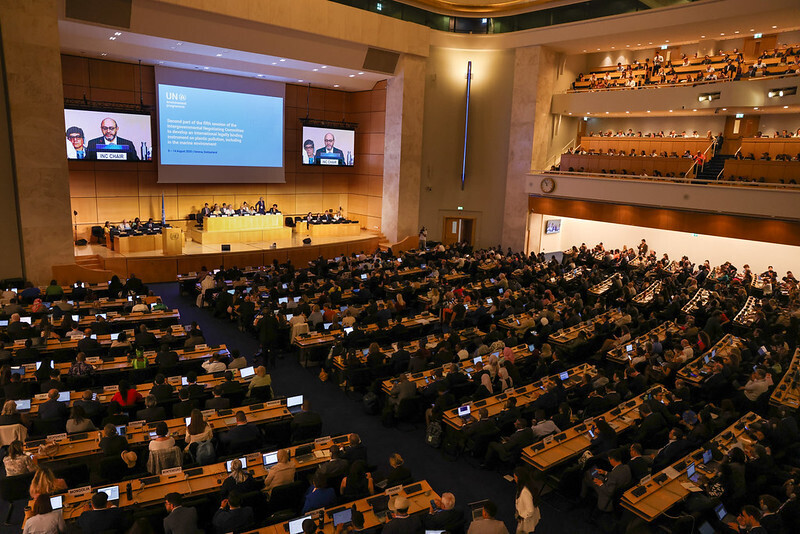
Opening plenary of the Intergovernmental Negotiating Committee on plastic pollution, (INC-5.2) in Geneva, Switzerland. Image: REUTERS/Max Rossi
This article was updated on 15 August 2025.
- The INC-5.2 negotiations aimed to finalize a legally binding instrument on plastic pollution, including the marine environment.
- Talks this month failed to reach an agreement.
- A treaty is vital with global plastic waste expected to reach 1.7 billion metric tons by 2060, costing a cumulative $281 trillion by some estimates.
- The Global Plastic Action Partnership, an initiative of the World Economic Forum, serves as a convening force for action on plastic pollution and guides countries in turning commitments into action.
More than 460 million metric tons of plastic are produced every single year, of which an estimated 20 million end up polluting our environment. Plastic has been found in the environment (air, water, soil, ice), in food and drinks, and even inside the human body (blood, lungs, etc.)
To address this issue, the UN has hosted a series of negotiations to deliver the world's first treaty to control plastic pollution. The most recent of these was held 5-14 August in Geneva. This phase was intended as the final round to land this legally binding and historic agreement. Unfortunately, the INC-5.2 failed to agree on stricter, enforceable rules to reduce plastic pollution.
This explainer gives key background on what led to these critical negotiations, what happened this month and what’s next.
INC-5.2: What's the background to these talks
In 2022, the UN Environment Assembly, in its 5th session, adopted a historic resolution to create a legally binding treaty to end plastic pollution.
The resolution mandated the UN Environment Programme to convene an International Negotiating Committee (INC) to develop an international legally binding instrument (ILBI) on plastic pollution, including in the marine environment. This instrument was supposed to be based on a comprehensive approach that addresses the full life cycle of plastics. This means not only looking at its disposal and waste management but starting with plastic design, production and consumption. However, this mandate was also disputed by many countries.
What INC-5.2 hoped to accomplish
Ahead of this month’s talks in Geneva, the INC had already met five times, most recently in Busan, South Korea, in 2024. This 2024 meeting was meant to end with a treaty adoption.
However, negotiations couldn't fully resolve several key issues, including whether the treaty should focus solely on plastic waste reduction or address the entire plastic lifecycle (from design to the phasing out of harmful chemicals). Other key issues included the production of primary polymers and financing support to implement the treaty.
This month’s INC in Geneva – second part of the fifth session a.ka. INC 5.2 – aimed to resolve these issues and finalize the treaty based on the Chair’s text that was issued after INC5.1 in Busan.
What happened at INC-5.2 this month?
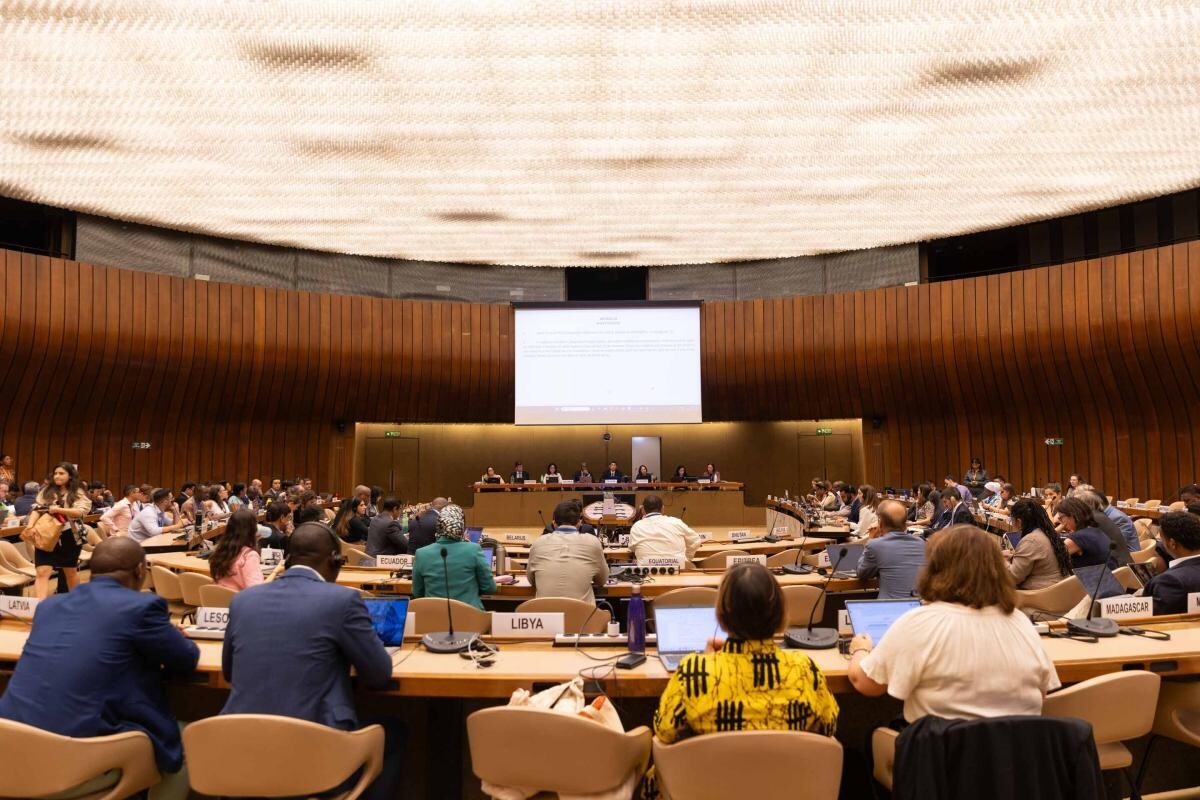
After ten days of negotiations in Geneva, talks were adjourned without consensus on a treaty text. Delegations agreed to resume negotiations later, however it is not confirmed.
According to UNEP, the session drew more than 2,600 participants, including approximately 1,400 delegates from 183 countries and nearly 1,000 observers from over 400 organizations. Some 70 Ministers and Vice Ministers, as well as 30 other high-level representatives, also held informal roundtables on the margins of the session, including a roundtable and site-visit organized by the Swiss Government and the World Economic Forum.
Building on the Chair’s Text (1 Dec 2024) from INC-5.1 in Busan, negotiations continued during INC-5.2 in Geneva, with the Chair issuing a Draft Text Proposal (13 Aug 2025) and later a Revised Text Proposal (15 Aug 2025) at INC5.2 in Geneva. These new iterations did not get sufficient support. Many delegations raised concerns about the process and balance of the new drafts, and the meeting was adjourned without agreement on the basis text for future work.
The most intractable issues were scope and ambition, especially measures on plastic production, chemicals of concern, and the design of a finance mechanism and means of implementation. Disagreements also persisted over whether controls should be globally binding or national and voluntary and on how future decisions need to be made, by consensus or voting.
What’s next
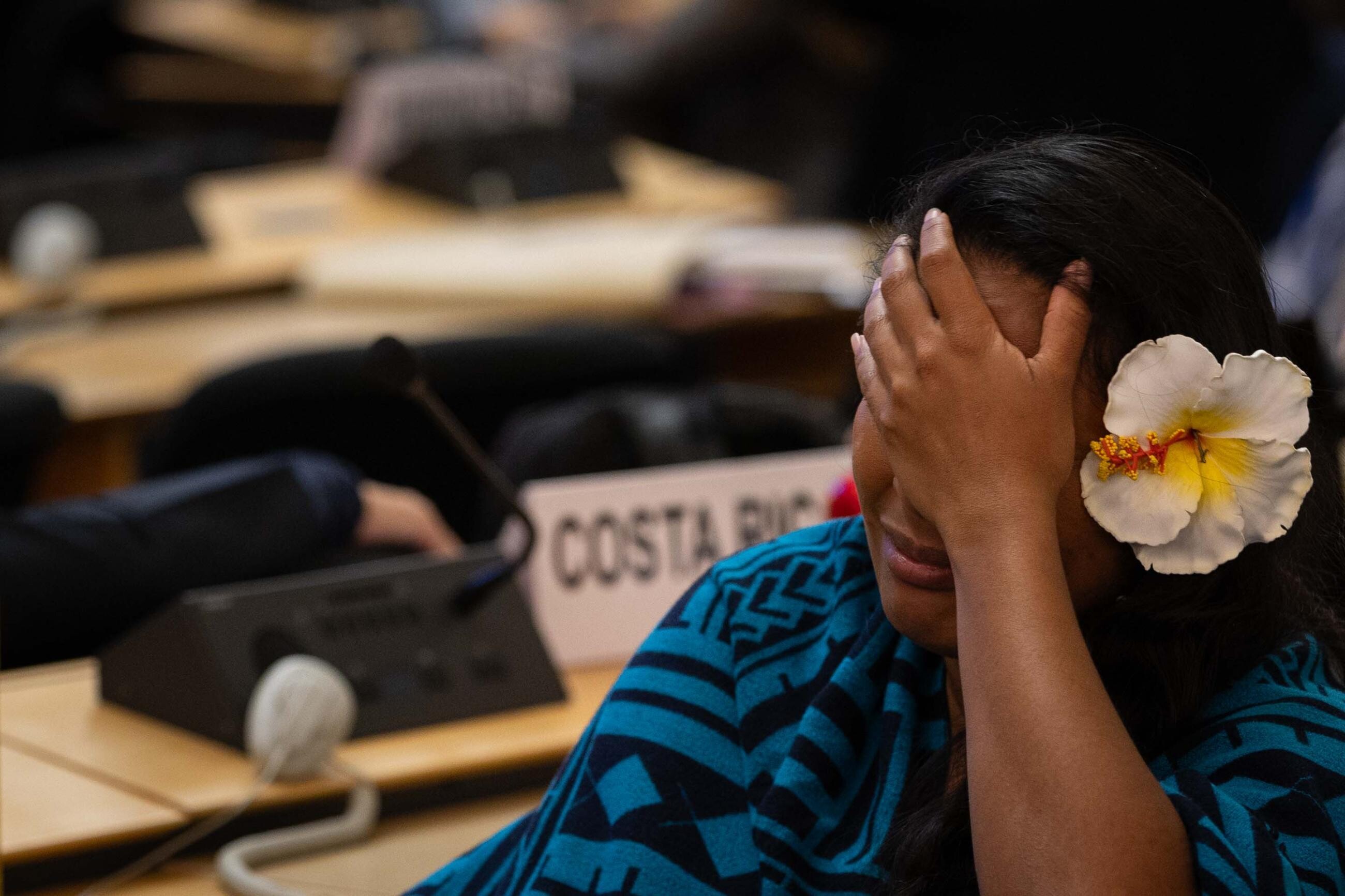
Talks could resume but no date has been set. Though representatives from many countries noted they were “deeply disappointed” by the outcome, many also acknowledged that a treaty remains the best option for both people and the planet.
While some nations agree that consensus is critical to a truly binding and effective treaty, some have indicated that the process for future negotiations should be modified so decisions can be made by voting to avoid stalemates.
“Failing to reach the goal we set for ourselves may bring sadness, even frustration,” said INC Chair Ambassador Luis Vayas Valdivieso in a statement. “Yet it should not lead to discouragement. On the contrary, it should spur us to regain our energy, renew our commitments, and unite our aspirations.”
He added: “It has not happened yet in Geneva, but I have no doubt that the day will come when the international community will unite its will and join hands to protect our environment and safeguard the health of our people.”
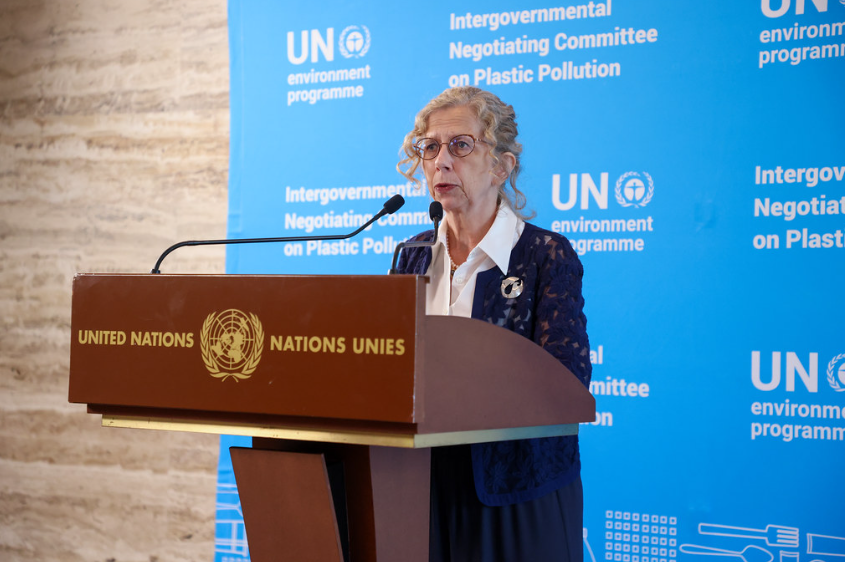
UNEP Executive Director Inger Andersen echoed this sentiment at the close of the talks Friday. “We did not get where we wanted, but people want a deal. This work will not stop, because plastic pollution will not stop.”
What impact does plastic waste have on the environment?
The Forum’s Global Risks Report 2025 ranks pollution among the 10 risks with the most severe expected impact over the next decade.
Plastic pollution is a main culprit. Land, rivers, coastlines and marine habitats are increasingly affected by the impact of plastic pollutants. The Organisation for Economic Co-operation and Development estimates that, in 2025, there will be over 1 billion tonnes of plastic waste in the world, rising to 1.7 billion by 2060.
Plastic pollution largely comes from single-use products, ranging from bottles and caps to shopping bags, drinking cups and straws, according to the International Union for Conservation of Nature (IUCN).
Littering, industrial activities, construction and agriculture are the main sources of land-based pollution, often spread by urban and stormwater runoff. Land runoff is the biggest source of marine plastics pollution, with microplastics making up a major share of this. Microplastics can be particles manufactured to a small size or the result of larger plastic objects degrading. Some estimates suggest that more than 90% of plastics in the oceans are microplastics.
Plastic pollution is a major driver of biodiversity loss and ecosystem degradation, contributing to climate change. Plastics production, use and waste management account for around 4% of greenhouse gas emissions globally. It also affects human health as microplastics, in particular, increasingly enter our food chain.
Why is a global plastics treaty important?
The cumulative cost of the damage inflicted by plastic pollutants runs to an estimated $281 trillion for the period between 2016-2040.
Establishing circular economies through reuse and recycling will be vital for a global plastics treaty. Another focus will be reducing plastics' environmental impact and designing alternatives for products and packaging.
Regulations and targets should be inclusive, as many nations lack the infrastructure to process plastic waste, as the IUCN has pointed out. Transboundary production and consumption patterns often result in plastics ending up in areas with inadequate infrastructure for processing.
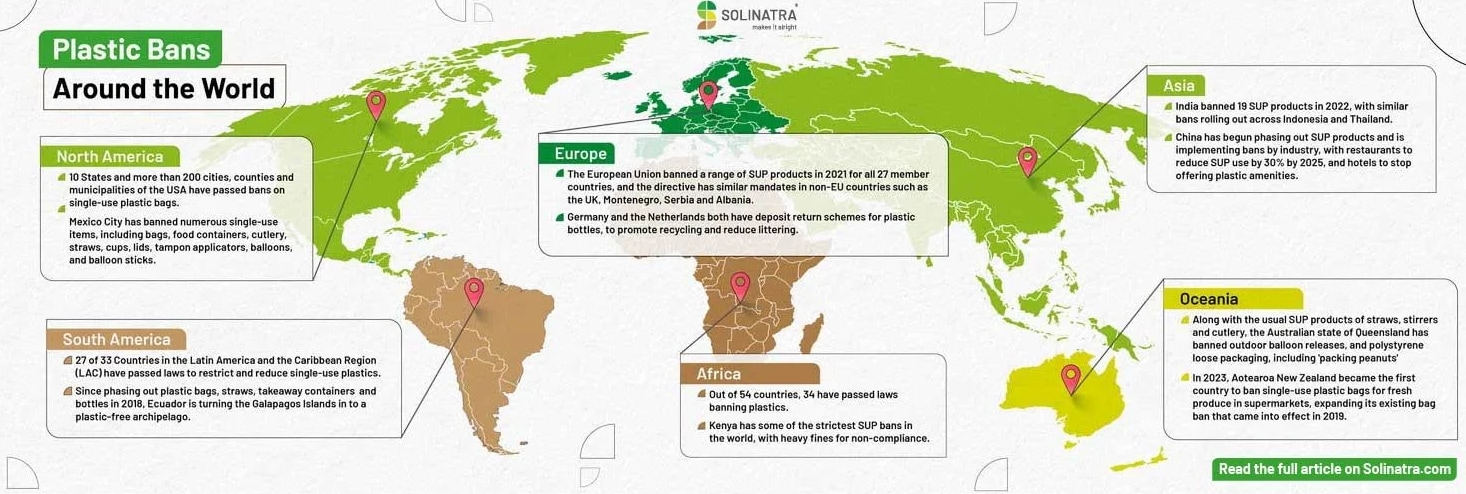
Several countries have already banned or restricted the use of single-use plastics. However, wider global action is needed to tackle the issue of plastics pollution comprehensively and proactively, rather than relying on a fragmented network of regulatory ‘islands’ around the world.
Global targets and initiatives need to be matched with in-country action plans tailored to each country concerned, the World Economic Forum's Global Plastic Action Partnership (GPAP) states. GPAP acts as a convening force for driving meaningful action against plastic pollution. Along with other organizations, it is working to provide expert guidance and assistance to help turn a forthcoming treaty into effective local action.
Blogs, podcasts, and watching the INC-5.2 sessions
Watch the recordings of the plenary on the UN Web TV livestream here.
Additionally, these stories and podcasts leveraging the GPAP community can help provide compelling context ahead of this year's talks.
Have you read?
Global plastics treaty talks may have stalled but there is still hope. Here’s why
Extended producer responsibility and a global plastics treaty – what do the experts say?
8 inspiring innovations that are helping to fight plastic pollution
How to end plastic pollution, forever
How Asia can be an example in the fight against plastic pollution
Circular Industry Solutions for a Global Plastics Treaty
Don't miss any update on this topic
Create a free account and access your personalized content collection with our latest publications and analyses.
License and Republishing
World Economic Forum articles may be republished in accordance with the Creative Commons Attribution-NonCommercial-NoDerivatives 4.0 International Public License, and in accordance with our Terms of Use.
The views expressed in this article are those of the author alone and not the World Economic Forum.
Stay up to date:
SDG 12: Responsible Consumption and Production
Related topics:


Forum Stories newsletter
Bringing you weekly curated insights and analysis on the global issues that matter.
More on Climate Action and Waste Reduction See all

Lin O’Grady and Alice Charles
April 7, 2026


